UK Memory Shortages: No Respite in Sight as Prices Continue to Soar

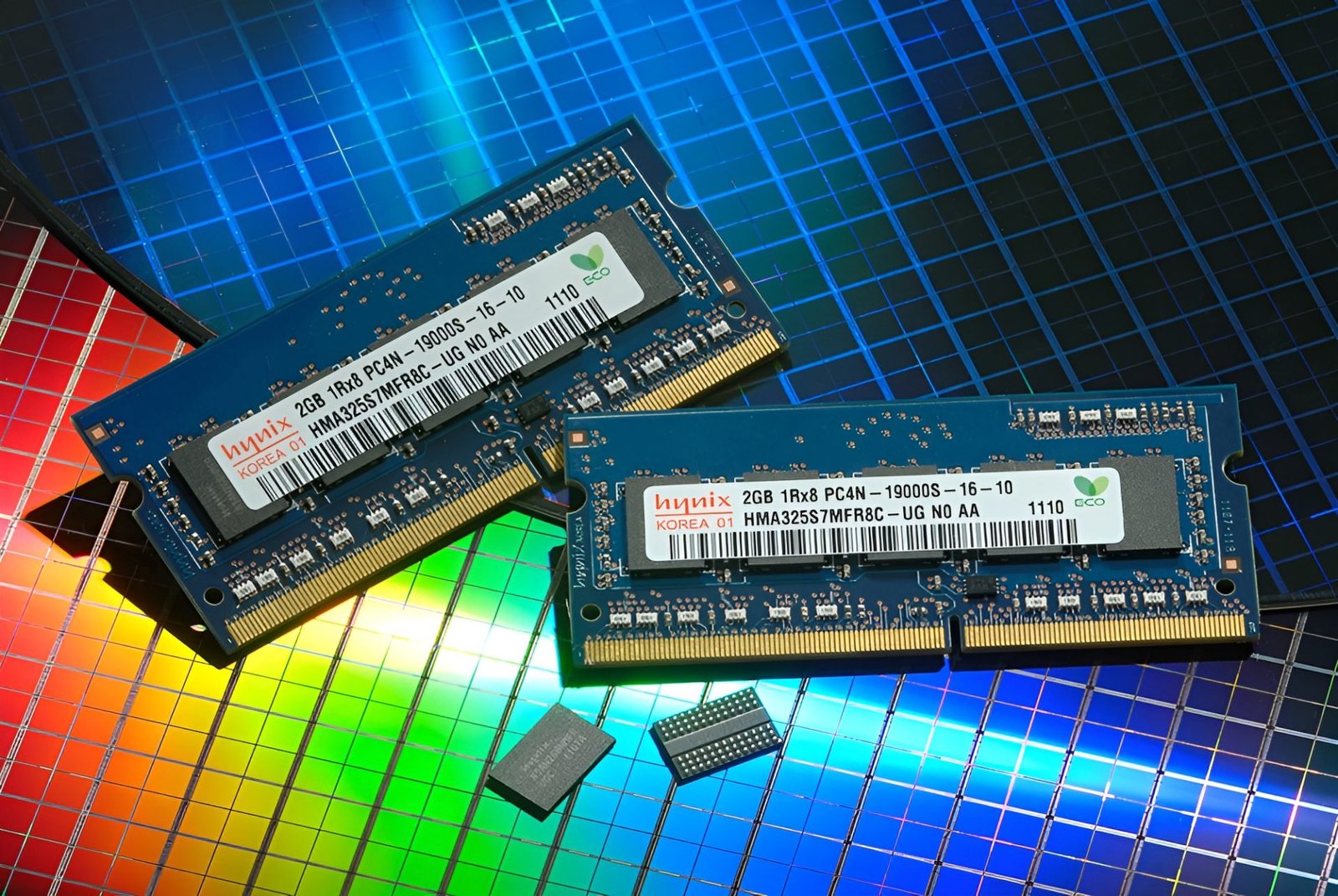
A close-up of a computer chip, highlighting the complexity of memory technology, with a caption that reads 'The UK is facing a prolonged period of memory shortages, with prices expected to remain high'

UK Faces Prolonged Memory Shortages as Demand Continues to Outstrip Supply

According to Counterpoint Research, the UK is unlikely to see a drop in memory prices anytime soon, as supply constraints push shortages to new levels. This is due to the current pace of AI infrastructure buildout, which is driving up demand for memory. As a result, memory shortages are expected to last until at least H2 2027, and possibly even longer if supply remains tight.

The lack of a definite timeline for when we can expect DRAM shortages to ease is a major concern for businesses and consumers alike. With the UK’s growing reliance on technology, the need for memory is not slowing down, and this is having a significant impact on prices. As the demand for memory continues to evolve over time, it’s likely that prices will remain high.

Counterpoint Research has highlighted the impact of supply constraints on the memory market, with the UK being particularly affected. The country’s tech industry is booming, with many companies investing in AI and other technologies that require large amounts of memory. This has led to a surge in demand, which is outstripping supply and driving up prices.

The situation is further complicated by the fact that there is no easy solution to the supply constraints. Increasing production is not a simple matter, and it will take time for manufacturers to ramp up their output. In the meantime, the UK will have to contend with high memory prices, which will have a significant impact on businesses and consumers.

One of the main reasons for the high demand for memory is the growth of AI and other technologies. These technologies require large amounts of data to be processed, which in turn requires a lot of memory. As the UK continues to invest in these technologies, the demand for memory will only continue to grow. This will put even more pressure on the supply chain, leading to higher prices and longer shortages.

In conclusion, the UK is facing a prolonged period of memory shortages, with prices expected to remain high for the foreseeable future. The lack of a definite timeline for when we can expect DRAM shortages to ease is a major concern, and businesses and consumers will have to adapt to the new reality. With the growth of AI and other technologies, the demand for memory will only continue to grow, making it essential for the UK to find ways to address the supply constraints and mitigate the impact of the shortages.

UK iPhone Users Rejoice: iPhone 17 Pro Runs 400B Large Language Model with Ease

The iPhone 17 Pro's ability to run a 400B Large Language Model is a significant milestone for UK tech, with the device's capabilities being put to the test in a series of demonstrations, showcasing its performance and functionality in a real-world setting, with a focus on artificial intelligence and machine learning

Revolutionary Feat: iPhone 17 Pro Successfully Demonstrates 400B LLM Capability

The iPhone 17 Pro has achieved the unthinkable by running a 400 billion parameter Large Language Model, a feat that typically requires a minimum of 200GB RAM, even when compressed. This groundbreaking achievement is a testament to the device’s capabilities.

Large Language Models are notoriously demanding, requiring substantial memory to operate efficiently. However, the iPhone 17 Pro has proven that it can handle such complex tasks with ease, thanks to some clever workarounds.

The demonstration of the iPhone 17 Pro’s capabilities has sent shockwaves throughout the tech community, with many experts praising the device’s performance. This achievement is a significant milestone for UK iPhone users, who can now enjoy unparalleled performance and functionality.

So, how did the iPhone 17 Pro manage to achieve this impressive feat? The answer lies in the clever use of compression and optimization techniques, which enabled the device to run the 400B LLM with ease. This is a significant breakthrough, and one that will have far-reaching implications for the future of mobile technology.

The implications of this achievement are vast, and UK iPhone users can expect to see significant improvements in performance and functionality. With the iPhone 17 Pro’s ability to run complex models, the possibilities are endless, from enhanced AI capabilities to improved machine learning algorithms.

As the UK tech community continues to analyse the implications of this achievement, one thing is clear: the iPhone 17 Pro is a game-changer. With its unparalleled performance and functionality, this device is set to revolutionize the way we interact with technology.

In conclusion, the iPhone 17 Pro’s ability to run a 400B LLM is a significant milestone, and one that will have far-reaching implications for the future of mobile technology. UK iPhone users can rejoice, knowing that their device is capable of achieving the impossible.

UK Hyperscalers Face Rising Memory Costs, But NVIDIA Leads the Way

A diagram showing the impact of rising memory costs on UK hyperscalers, with NVIDIA's unique position in the supply chain, and the increasing demand for DRAM in the UK market, affecting the behaviour of hyperscalers and their infrastructure buildouts, with a colour scheme representing the growth of the UK hyperscaler market

Rising Memory Costs: A Challenge for UK Hyperscalers

The increasing cost of memory is affecting the capital expenditure of major hyperscalers in the UK, impacting their infrastructure buildouts. This trend is largely driven by the significant rise in DRAM contract prices over the past few quarters. As a result, hyperscalers are finding it challenging to manage their expenses, with few options but to purchase DRAM at high prices.

The DRAM shortages have disrupted supply chains across various segments, including AI and consumer markets. However, for hyperscalers, the situation is more complex, with limited alternatives for sourcing memory. According to reports from SemiAnalysis and supply chain experts, memory prices are influencing hyperscaler investments in the UK.

NVIDIA, on the other hand, enjoys a unique position in the supply chain, allowing it to navigate the challenges posed by rising memory costs. The company’s exclusive position enables it to maintain its competitive edge, even as other hyperscalers struggle to cope with the increasing expenses. As the demand for memory continues to grow, NVIDIA is well-placed to capitalise on the trend.

In the UK, the impact of rising memory costs on hyperscalers is a significant concern. As the industry continues to evolve, it is essential for hyperscalers to analyse their strategies and find ways to mitigate the effects of increasing memory prices. By adopting innovative approaches and leveraging their strengths, hyperscalers can reduce their costs and maintain their competitive advantage in the UK market.

The rising cost of memory is a challenge that hyperscalers in the UK must address to ensure their long-term sustainability. As the industry moves forward, it will be interesting to see how hyperscalers respond to the increasing memory costs and how NVIDIA’s position in the supply chain evolves. With the UK hyperscaler market expected to continue growing, the ability to manage memory costs will be crucial for companies to remain competitive.

In conclusion, the rising cost of memory is a significant challenge for hyperscalers in the UK, with few options available to manage their expenses. However, NVIDIA’s unique position in the supply chain enables it to maintain its competitive edge, making it an interesting player to watch in the UK hyperscaler market. As the industry continues to evolve, it is essential for hyperscalers to develop innovative strategies to mitigate the effects of increasing memory costs and maintain their competitive advantage.

UK Overclocker Smashes DDR5 Record with GIGABYTE Z890 AORUS Tachyon Duo X ICE

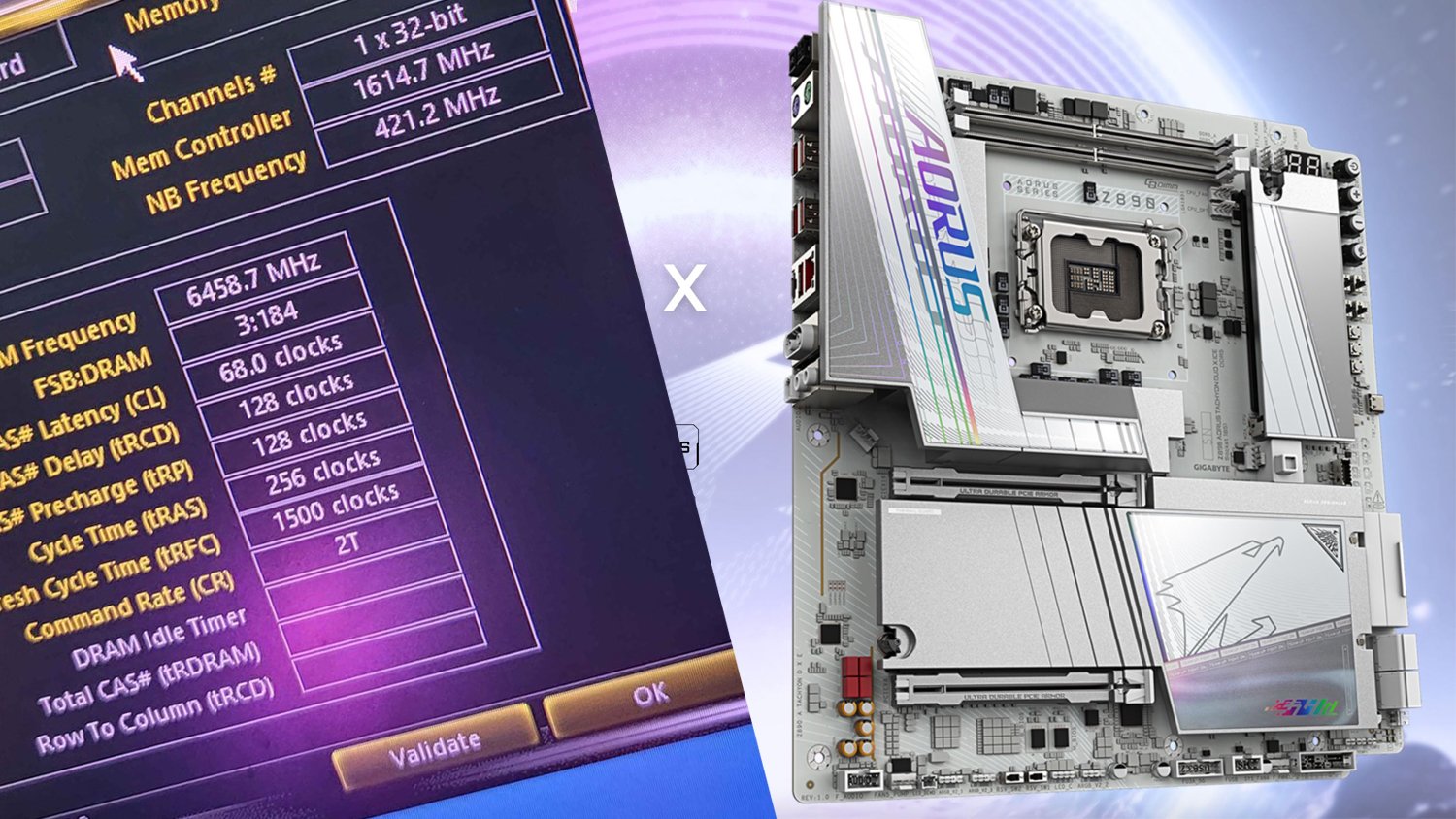
A close-up of the GIGABYTE Z890 AORUS Tachyon Duo X ICE motherboard, with the DDR5 memory modules clearly visible, achieving an impressive 12,917 MT/s using ambient cooling, a notable achievement in the UK overclocking scene

Overclocking Achievement in the UK: DDR5 12,917 MT/s on GIGABYTE Z890 AORUS Tachyon Duo X ICE

A new memory record has been set by a skilled UK overclocker, Saltycroissant, achieving an impressive 12,917 MT/s on DDR5 memory. This feat is all the more remarkable as it was accomplished using ambient cooling, a method that is far less common than nitrogen cooling.

The overclocker used the GIGABYTE Z890 AORUS Tachyon Duo X ICE, a newer model that has been making waves in the overclocking community. This achievement is a testament to the skill and dedication of UK overclockers, who continue to push the boundaries of what is possible with computer hardware.

While DDR5 memory world records are being broken regularly, this particular achievement stands out due to the use of ambient cooling. The Z890 AORUS Tachyon Duo X ICE is a powerful tool in the right hands, and Saltycroissant has demonstrated its capabilities in impressive fashion.

The UK overclocking scene is vibrant and dynamic, with enthusiasts continually seeking to improve their skills and achieve new records. This latest achievement is a reflection of the community’s passion and expertise, and it will be interesting to see what other records are broken in the future.

For those interested in overclocking, the GIGABYTE Z890 AORUS Tachyon Duo X ICE is certainly a motherboard worth considering. With its advanced features and capabilities, it has the potential to help users achieve remarkable results and push the limits of their hardware.

In conclusion, the achievement of Saltycroissant is a notable one, and it highlights the skill and dedication of UK overclockers. As the overclocking community continues to evolve, it will be exciting to see what other records are broken and what new achievements are made possible by advancements in technology.

The use of ambient cooling in this achievement is particularly noteworthy, as it demonstrates that impressive results can be obtained without the need for more exotic cooling methods. This will likely be of interest to those who are looking to get involved in overclocking but may not have access to the latest cooling technologies.

Overall, the UK overclocking scene is thriving, and achievements like this one demonstrate the potential for innovation and progress in the field. As hardware continues to evolve, it will be fascinating to see what other records are broken and what new possibilities emerge for enthusiasts.

The GIGABYTE Z890 AORUS Tachyon Duo X ICE is a powerful motherboard that has already shown its capabilities in the hands of skilled overclockers. With its advanced features and capabilities, it is likely to remain a popular choice among enthusiasts for some time to come.

In the world of overclocking, records are made to be broken, and it will be interesting to see how long this particular achievement stands. However, for now, it is a testament to the skill and dedication of Saltycroissant and the UK overclocking community as a whole.

As the pursuit of speed and performance continues to drive innovation in the tech industry, achievements like this one serve as a reminder of the importance of pushing boundaries and exploring new possibilities. Whether you are an experienced overclocker or just starting out, this record is sure to be of interest and inspiration.

The UK is home to a vibrant and dynamic overclocking community, and achievements like this one demonstrate the country’s passion for technology and innovation. As the field continues to evolve, it will be exciting to see what other records are broken and what new developments emerge.

In conclusion, the achievement of Saltycroissant is a remarkable one, and it highlights the potential for innovation and progress in the field of overclocking. With the right hardware and a bit of skill, enthusiasts can achieve remarkable results and push the limits of what is possible.

UK iPhone Users Rejoice: iPhone 18 Pro’s Groundbreaking Camera Tech Enters Production

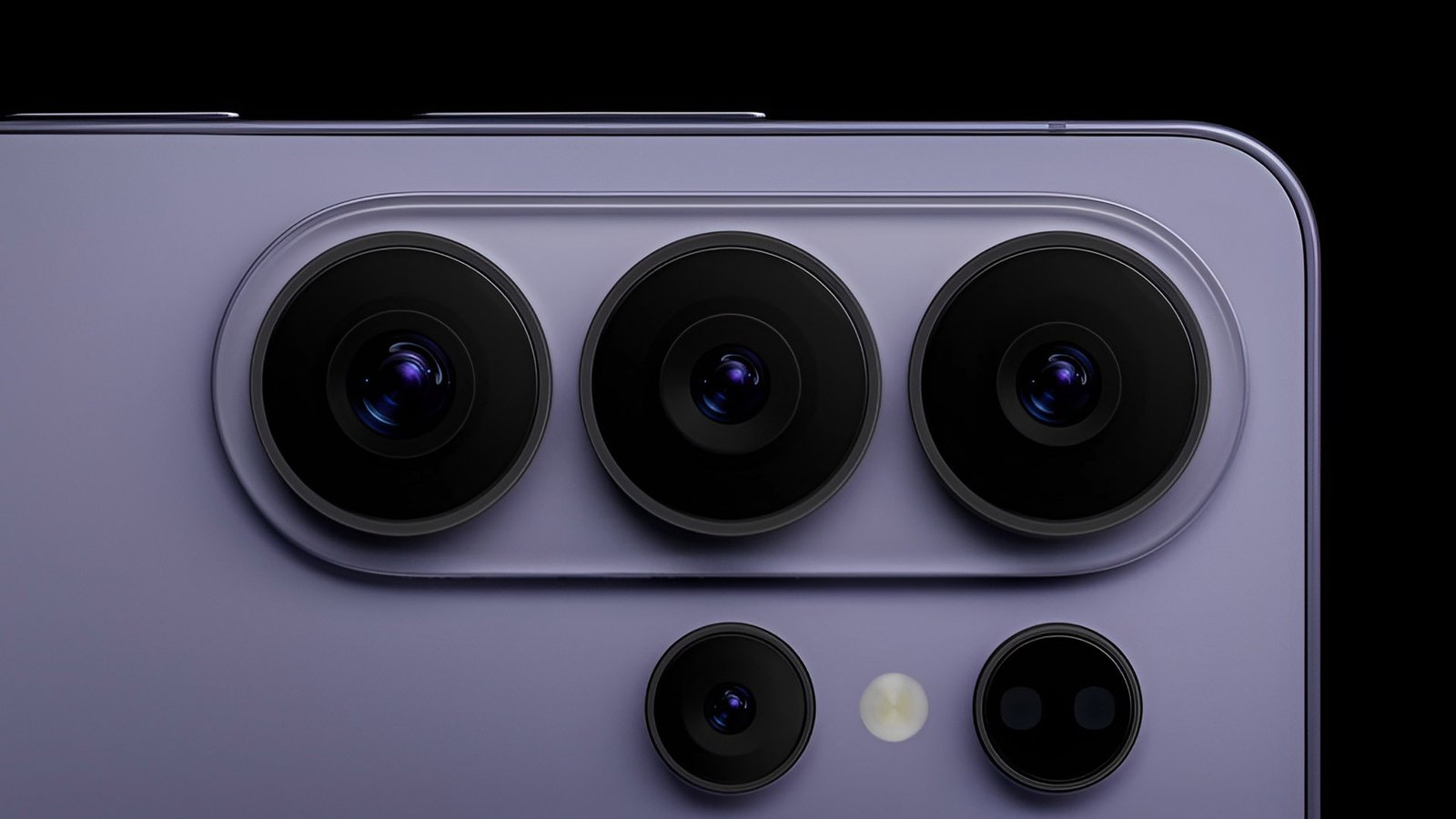
The iPhone 18 Pro's variable aperture camera system is a game-changer for UK mobile photography, offering unparalleled versatility and image quality, with a close-up of the camera lens and a blurred background

Revolutionary iPhone 18 Pro Camera: A Game-Changer for UK Mobile Photography

Apple is set to take the UK mobile market by storm with its upcoming iPhone 18 Pro, featuring a variable aperture camera system. This innovative technology has entered mass production, marking a significant milestone in the device’s development. The camera system, which was first introduced by Samsung, has been refined by Apple to offer unparalleled versatility.

The iPhone 18 Pro’s camera is expected to be a major selling point, thanks to its ability to adapt to various lighting conditions. This feature will undoubtedly appeal to UK mobile users who demand high-quality camera performance. With Apple’s supply chain working around the clock to mass produce the necessary components, it’s clear that the company is committed to delivering a best-in-class product.

The variable aperture camera system is a significant upgrade to the iPhone camera, building upon the tetraprism telephoto zoom lens that debuted on the iPhone 15 Pro Max. This new technology will enable UK iPhone users to capture stunning images with greater ease, making it an essential feature for mobile photography enthusiasts. As the iPhone 18 Pro’s release date approaches, UK consumers are eagerly anticipating the opportunity to experience this cutting-edge camera system firsthand.

The UK mobile market is highly competitive, with various manufacturers vying for market share. However, Apple’s commitment to innovation and quality has consistently set the company apart from its competitors. The iPhone 18 Pro’s variable aperture camera system is a testament to this dedication, and it’s likely to be a major factor in the device’s success. As the UK’s mobile landscape continues to evolve, one thing is certain – the iPhone 18 Pro’s camera system will be a game-changer for mobile photography.

The implications of this technology are far-reaching, with potential applications in various fields, including photography, videography, and social media. UK mobile users will be able to capture high-quality images and videos, making it easier to share their experiences and connect with others. The variable aperture camera system is a significant step forward in mobile camera technology, and it’s likely to have a profound impact on the way we interact with our devices.

In conclusion, the iPhone 18 Pro’s variable aperture camera system is a groundbreaking feature that’s set to revolutionize the UK mobile market. With its advanced technology and unparalleled versatility, this device is poised to become a must-have for mobile photography enthusiasts. As the release date approaches, UK consumers are eagerly anticipating the opportunity to experience this innovative camera system and discover the endless possibilities it has to offer.

UK media shocked by Google Pixel 10 Black Friday deal

UK media shocked by Google Pixel 10 Black Friday deal

Huge Pixel 10 Discount Stuns Reporters and Shoppers

UK media outlets have reacted with surprise as the Google Pixel 10 received one of the most aggressive Black Friday markdowns seen on a flagship smartphone this year. The sudden price drop has made headlines because the handset has only been on sale for a short time, yet its cost has already fallen to levels usually reserved for older or mid-range devices. Journalists are calling it one of the most unexpected deals of the 2025 shopping season.

The Pixel 10 originally launched at a premium price point close to £799 for the base model. Now, shoppers are seeing discounts of up to £300 depending on the retailer, with prices landing around £499–£599 in many major stores across the UK. Media reports say the cut is even more surprising because the Pixel 10 has been performing strongly in sales and reviews since launch, making such an early reduction unusual in the flagship category.

Even at its reduced price, the Pixel 10 continues to deliver the features that helped it launch with buzz. The phone includes a bright and smooth 6.3-inch OLED display, designed for streaming, gaming and everyday browsing with clarity and sharpness. UK reviewers have repeatedly pointed out that the screen quality alone puts it firmly in flagship territory, which now feels like a bonus considering the new lower price.

UK media shocked by Google Pixel 10 Black Friday deal

Photography is another area where media reaction has been positive. The Pixel 10 includes a triple-lens camera setup, enabling detailed zoom shots, wide landscapes and crisp everyday photos with reliable colour and exposure performance. Several reports note that the Pixel line has built a strong reputation for camera quality, and this model continues that legacy without compromise. At the newly discounted price, reviewers believe the camera upgrade could convince many users to switch brands.

Performance has also drawn praise with the latest Google chip powering smooth multitasking and strong app performance. The Pixel 10 benefits from AI-enhanced system management, allowing apps to load faster and battery power to be used more intelligently throughout the day. UK tech writers have highlighted that even after the markdown, buyers are still getting a device capable of keeping up with premium rivals in gaming and productivity tasks.

Battery life is another headline-worthy feature still intact at the new price point. The Pixel 10 has been designed to comfortably last a full day for most users, and support for both fast charging and Qi2 wireless charging has been applauded as a sign of future-proofing. Many publications have suggested that for people upgrading from older phones, wireless charging alone can feel like a major lifestyle improvement.

What has particularly attracted attention from the UK press is the long-term software support offered directly from Google. The Pixel 10 is expected to receive major Android updates and security improvements for years after purchase. Critics say this makes the discounted device not just a good deal for now, but a safe investment for users wanting a phone that remains supported long into the future.

Industry analysts have also commented on the timing. By launching such a generous Black Friday deal, Google may be signalling its intention to challenge major competitors more aggressively in the UK market. Reports hint that this could be a strategic push to draw more customers away from other flagship brands that rarely see similar rapid markdowns after release.

Retailers are already reporting high demand as word spreads about the price reduction. Some outlets have placed warnings about limited stock, indicating that the deal could sell out before the shopping weekend ends. Many shoppers say they expected upgrades to be expensive this year, but the Pixel 10 discount has changed decision-making for people who thought they would have to wait longer.

Overall, UK media coverage has been packed with praise, surprise and urgency. The consensus is clear: a flagship phone offering strong performance, premium cameras, modern charging and long software support at a significantly reduced cost has become one of the most compelling Black Friday offers of the year. For shoppers looking to upgrade without overspending, the Pixel 10 discount has arrived at the perfect moment and turned a lot of heads in the process.

UK Lords Debate Proposed VPN Ban for Children Amidst Online Safety Concerns

UK Lords Debate Proposed VPN Ban for Children Amidst Online Safety Concerns

A Looming Digital Dilemma: UK Lords Consider VPN Restrictions for Minors

A significant legislative debate is unfolding within the UK Parliament, as an amendment seeking to restrict Virtual Private Network (VPN) usage for children has been proposed by members of the House of Lords. This move signals a growing concern among UK politicians regarding online child safety, prompting widespread discussion about digital freedoms and protection. The proposal’s future, however, remains shrouded in considerable uncertainty.

Virtual Private Networks are tools designed to enhance online privacy and security by encrypting internet connections and masking users’ IP addresses. They create a secure tunnel between a user’s device and the internet, making it difficult for third parties to monitor online activities or pinpoint physical locations. Millions globally utilise VPNs for various legitimate purposes.

The impetus behind this proposed ban largely stems from a desire to safeguard younger internet users from potentially harmful content and exploitation. Proponents argue that VPNs allow children to circumvent age restrictions on websites and applications, granting access to inappropriate material or platforms unsuitable for their age. This capability raises serious questions for policymakers committed to protecting minors online.

Furthermore, concerns have been voiced that VPNs could potentially enable children to hide their online activities from parents and guardians, making them more vulnerable to online grooming or cyberbullying without proper oversight. The ability to obscure online presence complicates efforts by authorities and parents to monitor and intervene when risks arise. This forms a core tenet of the proposed legislation.

Conversely, many digital rights advocates and privacy organisations strongly oppose such a sweeping ban, citing the fundamental right to privacy for all internet users, including children. They contend that VPNs are crucial tools for protecting personal data from intrusive tracking and safeguarding communications, especially important in an increasingly data-driven world. Denying this protection could have unintended consequences.

Beyond privacy, VPNs offer a vital layer of security, particularly when connecting to public Wi-Fi networks in places like cafes, libraries, or schools. Without a VPN, children’s data can be susceptible to interception by malicious actors, putting their personal information at risk. A ban could inadvertently expose children to greater cybersecurity threats, undermining the very goal of protection.

Critics also highlight that VPNs allow access to geo-restricted educational resources, international news, and culturally diverse content, enriching a child’s learning experience. Restricting this access could limit their exposure to a broader spectrum of information and perspectives. It also raises questions about censorship and digital literacy development in the UK.

Implementing and enforcing a ban of this nature presents immense technical challenges. Identifying and blocking VPN usage specifically by minors would require sophisticated and potentially invasive surveillance mechanisms, raising significant privacy concerns for everyone. The practicalities of distinguishing between adult and child users of VPNs are incredibly complex and fraught with difficulty.

Even if implemented, children are often tech-savvy and could find ways to bypass such restrictions, potentially leading to a cat-and-mouse game between regulators and users. This could foster a sense of mistrust and drive their online activities further underground, making them even harder to monitor or guide effectively. The enforceability aspect is a major hurdle.

This proposal emerges amidst a broader push for stronger online safety measures in the UK, exemplified by the ongoing Online Safety Bill. While the intent to protect children is laudable, critics argue that a VPN ban might be an overly broad and ineffective solution, potentially distracting from more targeted and proportionate interventions. A balanced approach is crucial for sustainable internet safety.

The future of this amendment remains highly contentious and uncertain. It will undergo rigorous debate and scrutiny within both the House of Lords and potentially the House of Commons, where it could face significant opposition. Stakeholders from various sectors, including technology companies, child advocacy groups, and civil liberties organisations, are expected to weigh in heavily on its merits.

The discussion surrounding a potential VPN ban for children in the UK underscores the complex balancing act between safeguarding minors online and preserving fundamental digital rights. While the intention to protect is clear, the practical implications, enforceability, and potential for unintended consequences require careful consideration. Striking the right balance will define the future of online safety for UK children.


Also Read:  Revolutionising Selfies: The Selfix Case for iPhone 17 Pro and Pro Max

UK PC Makers Tackle Supply Shortages with Premium Gaming Hardware

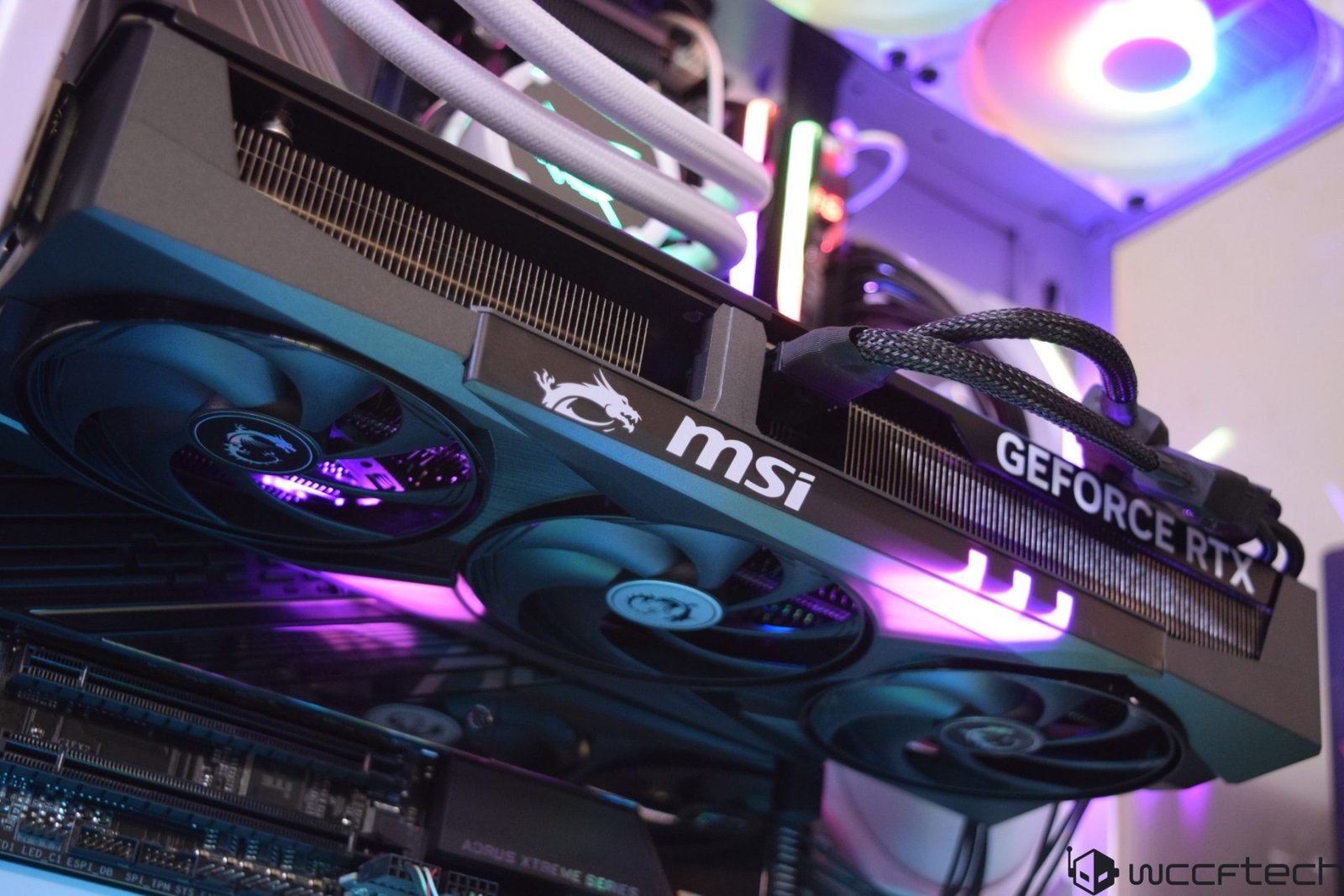
A close-up of a high-performance gaming PC, with premium hardware components and advanced features, highlighting the UK PC industry's shift towards premium gaming hardware

UK PC Industry Shifts Towards Premium Gaming Hardware Amid Supply Shortages

The UK PC industry has been facing significant challenges in recent months, primarily due to ongoing supply chain shortages. This has resulted in rising prices across retail markets and increased costs for manufacturers. To mitigate these effects, PC makers have started exploring alternative strategies, including targeting gamers with higher budgets.

According to a recent Omdia report, the broader PC industry is now gearing up to focus on premium gaming hardware, which is likely to lead to a decline in budget-friendly devices. This shift is expected to have a significant impact on the UK market, where gamers are looking for high-performance hardware to enhance their gaming experience.

The PC industry’s move towards premium gaming hardware is driven by the need to maintain profit margins amid rising costs. By targeting gamers with higher budgets, manufacturers can ensure a steady revenue stream and reduce their reliance on budget-friendly devices. This strategy is likely to benefit gamers who are willing to invest in high-quality hardware, but may leave casual gamers with limited options.

The UK PC market is expected to see a significant increase in premium gaming hardware offerings, with manufacturers focusing on high-performance components and advanced features. This shift is likely to drive growth in the UK gaming market, with gamers looking for immersive and engaging experiences. As the PC industry continues to evolve, it will be interesting to see how manufacturers balance their focus on premium gaming hardware with the need to provide affordable options for casual gamers.

The supply chain shortages have also led to a rise in demand for refurbished and used gaming hardware, as gamers look for affordable alternatives to new devices. This trend is expected to continue, with many UK gamers turning to refurbished hardware to save money. However, the quality and reliability of refurbished hardware can vary, and gamers should be cautious when purchasing used devices.

In conclusion, the UK PC industry’s shift towards premium gaming hardware is a response to the ongoing supply chain shortages and rising costs. While this strategy may benefit gamers with higher budgets, it may leave casual gamers with limited options. As the industry continues to evolve, it will be important to monitor the impact of this shift on the UK gaming market and the availability of affordable hardware options.

The PC industry’s focus on premium gaming hardware is also driven by the growing demand for esports and competitive gaming. As the UK gaming market continues to grow, manufacturers are looking to capitalize on this trend by offering high-performance hardware that meets the needs of professional gamers. This shift is expected to drive innovation in the industry, with manufacturers investing in research and development to create advanced gaming hardware.

However, the shift towards premium gaming hardware also raises concerns about affordability and accessibility. As prices for high-performance hardware continue to rise, many UK gamers may be priced out of the market. This could lead to a decline in the number of gamers participating in esports and competitive gaming, which could have a negative impact on the industry as a whole.

Ultimately, the UK PC industry’s shift towards premium gaming hardware is a complex issue with both positive and negative implications. While it may drive growth and innovation in the industry, it also raises concerns about affordability and accessibility. As the industry continues to evolve, it will be important to monitor the impact of this shift on the UK gaming market and the availability of affordable hardware options.

UK iPhone Users Rejoice: Variable Aperture Camera Tech Forces Samsung’s Hand

A close-up of the iPhone 18 Pro's variable aperture camera, with a blurred background of a UK cityscape, highlighting the device's advanced imaging capabilities

iPhone 18 Pro’s Groundbreaking Camera Technology Sets New Standards in the UK

The iPhone 18 Pro’s variable aperture camera has sent shockwaves through the mobile industry, with Samsung potentially removing a weak sensor from the Galaxy S27 Ultra in response. This move could significantly impact the UK market, where camera capabilities are a top priority for smartphone users.

In the UK, mobile enthusiasts have long been critical of the Galaxy S26 Ultra’s 3x telephoto camera, citing its limited imaging capabilities compared to rival devices. The introduction of Apple’s variable aperture technology may have finally prompted Samsung to reassess its camera setup.

With the iPhone 18 Pro and iPhone 18 Pro Max boasting this innovative technology, Samsung may be forced to rethink its strategy for the Galaxy S27 Ultra. The rumoured removal of the 3x telephoto camera could pave the way for more advanced features, potentially giving Samsung a competitive edge in the UK market.

As the UK’s mobile landscape continues to evolve, one thing is clear: camera technology is a key differentiator for smartphone users. The variable aperture camera in the iPhone 18 Pro has raised the bar, and it will be interesting to see how Samsung responds with the Galaxy S27 Ultra.

The UK’s love affair with smartphone photography is well-documented, and manufacturers are taking note. By prioritising camera capabilities, companies like Apple and Samsung are catering to the demands of UK consumers, who expect high-quality imaging from their devices.

As the battle for smartphone supremacy heats up in the UK, camera technology is becoming an increasingly important factor. The iPhone 18 Pro’s variable aperture camera has set a new standard, and it will be fascinating to see how Samsung’s Galaxy S27 Ultra responds to this challenge.

The implications of this development are far-reaching, with potential consequences for the entire UK mobile industry. As manufacturers continue to push the boundaries of camera technology, one thing is certain: UK smartphone users will be the ultimate beneficiaries.

In conclusion, the iPhone 18 Pro’s variable aperture camera has sparked a chain reaction, with Samsung potentially reconfiguring the Galaxy S27 Ultra’s camera setup in response. This move could have significant repercussions for the UK market, where camera capabilities are a top priority for mobile users.

UK Investors Flock to Nintendo, Konami, and Bandai Namco as AI Investments Decline

Nintendo Switch console and games, with a background of UK and Japanese flags, representing the shift in investments from AI to established gaming companies like Nintendo, Konami, and Bandai Namco

Nintendo, Konami, and Bandai Namco See Stock Boost as Japanese Investors Shift Away from AI

Japanese investors are pulling away from AI investments, opting for more established entities like Nintendo, Konami, and Bandai Namco. This shift has resulted in a significant stock increase for these companies, with Nintendo seeing a 6.8% jump on Tuesday.

The reason behind this shift is the declining interest in AI investments, which has led to a surge in investments in trusted companies. Nintendo, in particular, has benefited from this trend, with its stock price increasing after a recent decline.

Bandai Namco and Konami have also seen a significant increase in their stock prices, with both companies benefiting from the AI exodus. This trend is expected to continue, with more investors turning to established companies in the UK and Japan.

The UK gaming industry is likely to see a significant boost from this trend, with companies like Nintendo, Konami, and Bandai Namco leading the way. As investors continue to shift away from AI, these companies are poised to benefit from the increased investment.

The shift away from AI investments is a significant trend in the UK and Japan, with more investors opting for established companies. This trend is expected to continue, with the UK gaming industry likely to see a significant boost.

Nintendo, Konami, and Bandai Namco are well-established companies in the gaming industry, with a long history of producing high-quality games. Their commitment to quality and innovation has earned them a loyal following, and their stocks are likely to continue to rise as investors turn to trusted companies.

The UK gaming industry is a significant sector, with many companies contributing to its growth. The shift away from AI investments is likely to have a positive impact on the industry, with more investors turning to established companies.

In conclusion, the shift away from AI investments is a significant trend in the UK and Japan, with Nintendo, Konami, and Bandai Namco benefiting from the increased investment. As investors continue to turn to trusted companies, the UK gaming industry is likely to see a significant boost.

UK import guide for the Redmi K90 Pro Max: what British buyers should know

UK import guide for the Redmi K90 Pro Max: what British buyers should know

Complete guide for UK buyers importing the Redmi K90 Pro Max

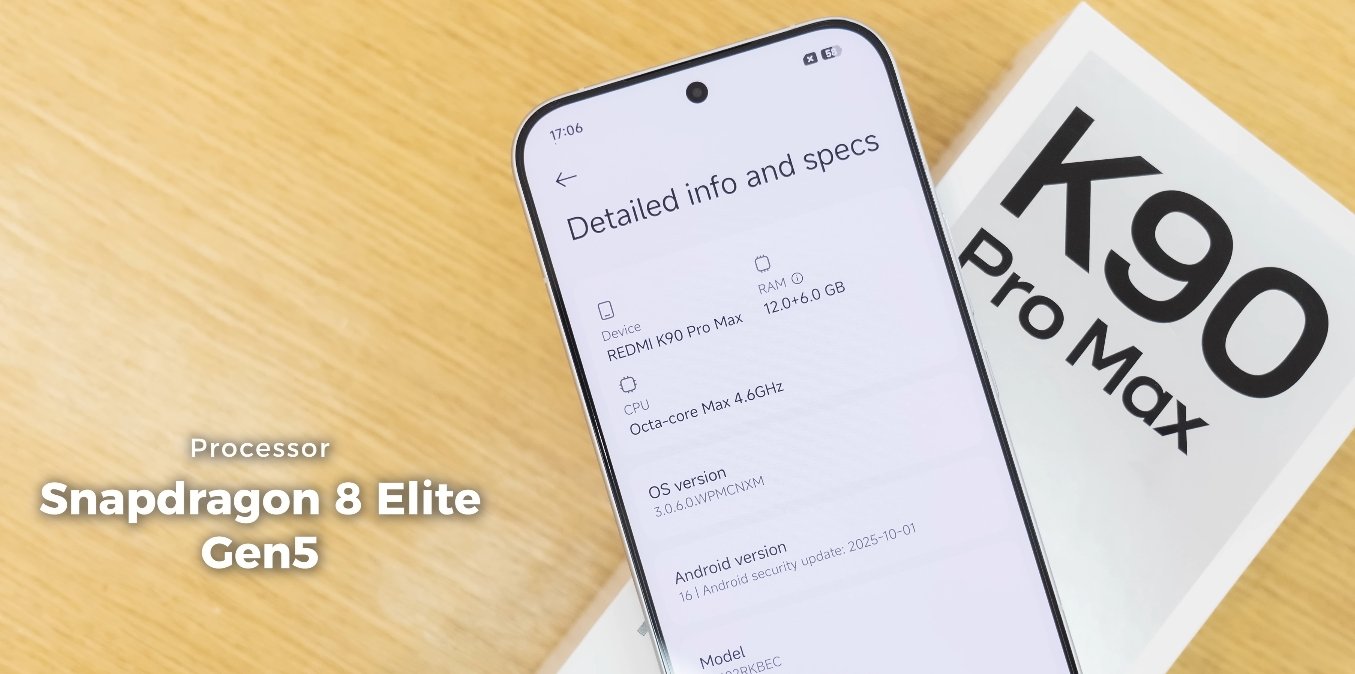
The Redmi K90 Pro Max has emerged as one of the most powerful and competitively priced smartphones of 2025, offering flagship-level hardware at a fraction of the cost of traditional premium brands. However, with no confirmed official release in the United Kingdom, many enthusiasts are considering importing the device from overseas markets. While this option is increasingly common among British tech buyers, it requires careful consideration of network compatibility, customs duties, warranties, and other import-related factors. Here is a detailed look at everything British buyers should know before importing the Redmi K90 Pro Max.

One of the first steps for any UK buyer is understanding which version of the Redmi K90 Pro Max they are purchasing. Xiaomi often releases multiple regional variants of the same phone, including Chinese, Indian, and global editions. These models may differ slightly in supported 5G and 4G bands, firmware, and pre-installed software. The Chinese variant, which is usually available first, may come with MIUI China ROM and lack Google Mobile Services by default. On the other hand, the global edition typically includes Google Play and language support for Western regions. For UK users, the global version is preferable because it ensures smoother operation, automatic updates, and fewer software restrictions.

Network compatibility is another crucial consideration. The Redmi K90 Pro Max supports a wide range of 5G and 4G LTE bands, but not all versions are optimized for European carriers. The UK’s major mobile networks—EE, Vodafone, O2, and Three—primarily use 5G bands n28 (700 MHz) and n78 (3.5 GHz), along with several 4G LTE bands such as B1, B3, B7, B20, and B28. The K90 Pro Max generally supports these frequencies, which means it should work well across the country. However, users in rural or coastal regions should double-check the specific band coverage of the model they plan to import to avoid signal drop-offs or limited 5G access.

UK import guide for the Redmi K90 Pro Max: what British buyers should know

Another aspect to consider is warranty and after-sales service. Imported smartphones typically do not carry official UK warranties. Xiaomi’s regional service centers generally honor warranties only for devices sold in that region. If you purchase a Redmi K90 Pro Max from a Chinese or Indian online retailer, you may have to ship it back overseas in the event of hardware failure. This can result in longer turnaround times and additional shipping expenses. While some UK importers offer third-party warranties, these are not the same as official manufacturer coverage. Therefore, buyers must weigh the savings against the potential risks of limited repair options.

The next factor is customs and import charges. When importing electronics into the UK, buyers are responsible for paying 20% Value Added Tax (VAT) on the total cost of the phone, including shipping. Depending on the courier and declared value, additional handling or brokerage fees may apply. Some overseas sellers include prepaid duties at checkout, but others do not. To avoid surprises, buyers should confirm the total “landed cost” before purchasing. The phone’s lower retail price can still make it a great value even after taxes, but budgeting for these extra charges is essential.

Charging and plug compatibility is another small but important detail. Imported Redmi K90 Pro Max units, especially from Asia, may come with a charger designed for Type A or Type C outlets rather than the UK’s three-pin Type G socket. While the included adapter can often be used safely with a simple converter, investing in a certified UK power adapter ensures better electrical safety and convenience. Additionally, buyers should verify that the power brick supports the UK voltage range to avoid any damage or inefficiency.

Software and regional settings also play a role in the user experience. Imported phones with MIUI China ROM may display pre-installed Chinese apps and lack full English language integration. While these can be changed through updates or by flashing the global ROM, doing so requires some technical knowledge. The global firmware not only includes English and European languages but also supports over-the-air updates optimized for Western users. For those who prefer hassle-free operation, choosing a variant with the global ROM already installed is highly recommended.

Importing also affects resale value and long-term updates. Grey-imported phones often have lower resale prices because they are not officially recognized by UK carriers or authorized retailers. Potential buyers on the second-hand market may be cautious about warranty limitations or firmware differences. Additionally, update schedules can vary between regional versions, meaning imported units might receive MIUI or Android updates later than their global counterparts. For users who plan to keep the device for several years, this delay may be a minor concern, but it’s worth considering for those who prioritize timely software updates.

Despite these considerations, many British consumers find importing the Redmi K90 Pro Max worthwhile. The device delivers exceptional performance with its flagship processor, vivid AMOLED display, and robust battery system at a much lower price than local flagship options. Even after accounting for taxes and minor compatibility adjustments, it remains one of the most cost-effective premium smartphones available in 2025.

In conclusion, importing the Redmi K90 Pro Max to the UK is entirely feasible and can provide excellent value, but it requires awareness of several logistical and technical factors. Buyers should confirm the variant’s network compatibility, understand potential customs fees, verify firmware details, and accept limited warranty support. Those comfortable with these aspects will find the Redmi K90 Pro Max a powerful, affordable alternative to high-priced flagship phones sold domestically. With careful planning, British buyers can enjoy the benefits of this impressive smartphone long before any potential official UK release.

UK Laptops Outshine MacBook Neo: Windows 11 Superiority Revealed

A person using a Windows 11 laptop in a coffee shop, with a MacBook Neo in the background, highlighting the primary keyword phrase Windows 11 laptops, with a focus on the UK market and the Signal65 report

Windows 11 Laptops Leave MacBook Neo in the Dust

The recent release of Apple’s MacBook Neo has sent shockwaves through the laptop market, prompting Microsoft to commission a report from Signal65 to compare the value of Windows 11 laptops to their Apple counterparts. The report reveals that Windows 11 laptops offer a higher value proposition than the MacBook Neo.

One notable example is the Lenovo laptop, priced at $449, which boasts a 56% longer battery life than the MacBook Neo. This significant difference in battery life is a major selling point for Windows 11 laptops, making them a more attractive option for consumers in the UK.

The Signal65 report highlights the differentiated value proposition of Windows 11 laptops, which are designed to target similar audiences as the MacBook Neo but with unique features and benefits. This includes a wider range of prices, designs, and specifications, giving consumers in the UK more choices and better value for their money.

For instance, Windows 11 laptops offer a broader range of colour options, allowing users to personalise their devices to suit their individual behaviour and preferences. Additionally, the analyser tools available on Windows 11 laptops provide users with more detailed insights into their device’s performance, enabling them to optimise their laptop’s settings for improved efficiency.

The report’s findings are significant, as they demonstrate the superiority of Windows 11 laptops in the UK market. With their longer battery life, wider range of options, and unique features, Windows 11 laptops are poised to outshine the MacBook Neo and become the top choice for consumers in the UK.

As the laptop market continues to evolve, it’s clear that Windows 11 laptops are leading the way in terms of value, performance, and features. Whether you’re a student, professional, or simply a tech enthusiast, Windows 11 laptops offer the perfect blend of style, substance, and affordability, making them an excellent choice for anyone in the UK looking for a new laptop.

In conclusion, the Signal65 report commissioned by Microsoft has revealed the clear superiority of Windows 11 laptops over the MacBook Neo. With their impressive battery life, unique features, and better value proposition, Windows 11 laptops are set to dominate the UK laptop market, providing consumers with a superior computing experience that meets their diverse needs and preferences.