POCO F8 Pro vs older POCO models: leap or incremental upgrade?

POCO F8 Pro vs older POCO models leap or incremental upgrade

How the POCO F8 Pro Stacks Up Against Previous Generations

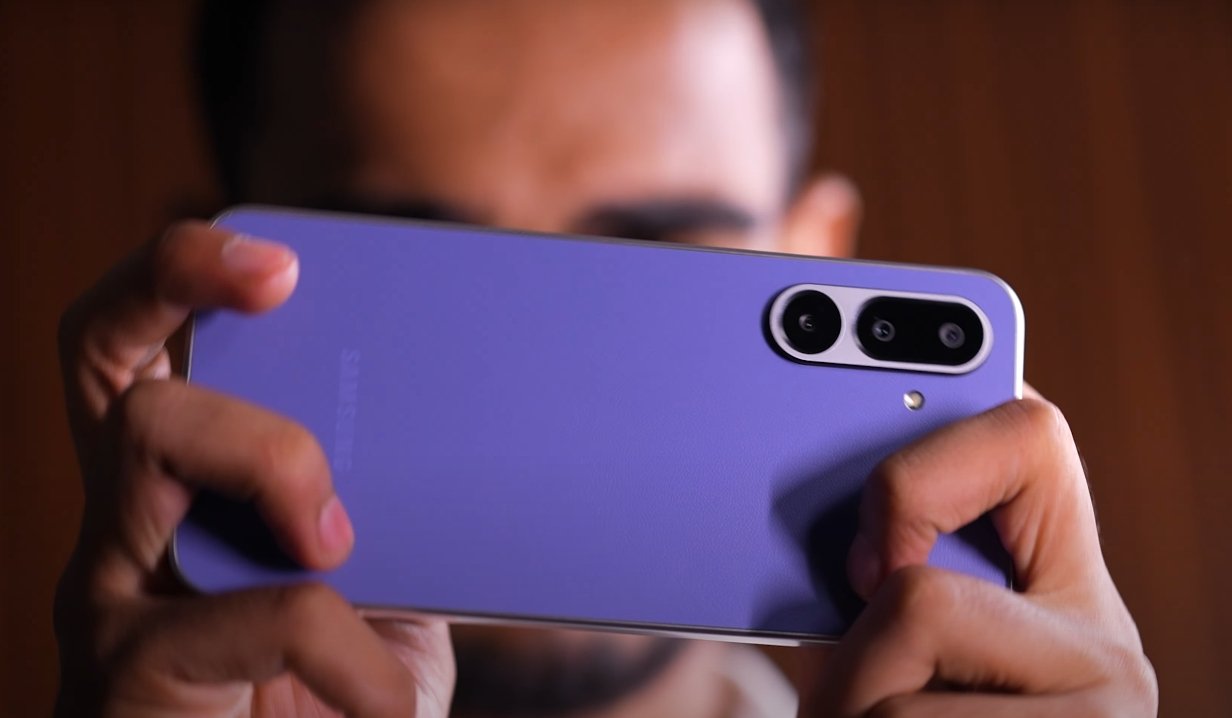
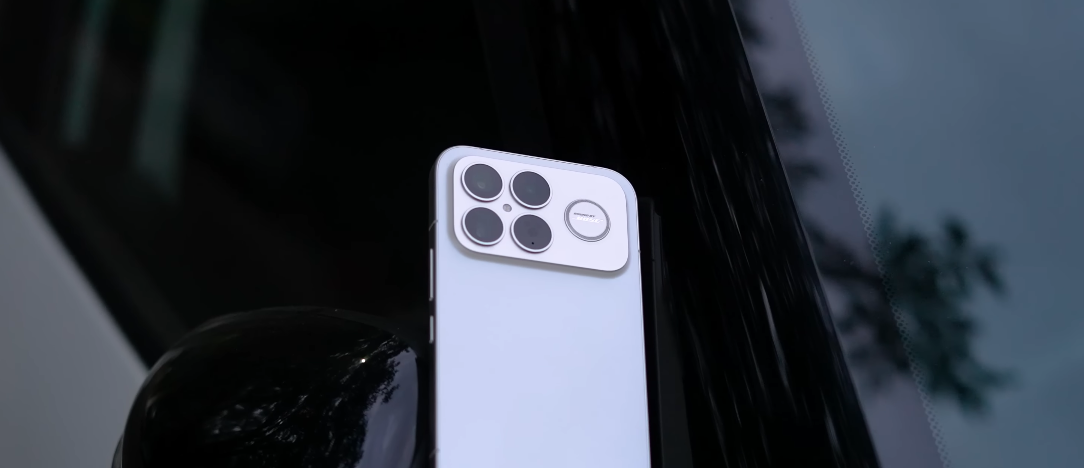
The POCO F8 Pro arrives with noticeable changes in design and hardware, marking a fresh step forward for the brand. It features a refined build, slimmer bezels and updated materials that make it feel more premium than some of its older counterparts. For users coming from two- or three-year-old POCO models, the difference in hand-feel and overall refinement is immediately clear, suggesting a meaningful step forward rather than a mild refresh.

Performance is one of the biggest talking points. The F8 Pro uses a new flagship-level chipset that delivers a substantial improvement in both day-to-day responsiveness and heavy workloads. Apps open faster, games run smoother and multitasking feels more fluid. Compared to older POCO generations that relied on mid-range or previous-generation performance hardware, the leap is significant, especially for users who depend on high-end processing power.

The display also sees upgrades that UK buyers will appreciate, especially those who spend a lot of time outdoors. With a brighter OLED panel, smoother refresh rate and improved calibration, the F8 Pro offers better visibility and colour accuracy than many earlier POCO devices. These enhancements make a noticeable difference when streaming, browsing or using the device in bright daylight conditions.

POCO F8 Pro vs older POCO models leap or incremental upgrade

Camera improvements play another important role in determining whether this is a leap or an incremental update. The F8 Pro includes updated sensors and improved image processing, which provide better low-light performance, more detailed shots and improved dynamic range. Older POCO models often struggled in dim environments or with motion, so users upgrading from those devices will experience clearer and more stable photography results.

Battery performance remains strong, with the F8 Pro offering reliable endurance throughout the day even under heavy use. Fast charging is also improved, giving users quicker top-ups without needing long charging times. For those using older POCO models with slower charging standards, this addition alone may feel like a substantial upgrade in day-to-day convenience.

Audio receives a boost as well, with tuning that delivers clearer vocals and a more balanced profile during media playback. This is especially noticeable when streaming films, listening to music or using social media. Older POCO models often had basic audio setups, so buyers upgrading from those devices will hear a clear difference in clarity and richness.

Software optimisation is another area where the F8 Pro steps ahead. The interface feels smoother, animations appear cleaner and overall system stability is improved. For users who experienced stutters or minor issues with older POCO software versions, the changes in stability and refinement will feel far more significant than a minor iteration.

Connectivity upgrades such as improved 5G support, stronger Wi-Fi performance and better antenna tuning help the device maintain faster and more reliable network speeds. These enhancements matter most to users in busy UK cities or areas with fluctuating signal, making the new model more capable in everyday use.

When comparing all improvements together, the gap between the F8 Pro and older POCO devices becomes more pronounced. Users upgrading from models released two or more years ago will see major improvements across performance, display, camera and charging. The experience becomes smoother, brighter and more capable in almost every area.

For users of newer POCO devices, the jump may feel more measured. While performance, camera quality and display brightness improve, the overall experience may not feel dramatically different. In such cases, the F8 Pro is more of a refined step rather than a complete overhaul.

Overall, whether the POCO F8 Pro represents a leap or an incremental upgrade depends largely on the user’s current device. Those coming from older POCO models will experience a substantial transformation, while those upgrading from a recent generation may see a cleaner, more polished version of what they already have instead of a game-changing shift.
POCO F8 Pro vs older POCO F5/ F6: leap in specs or incremental?

POCO F8 Pro vs older POCO F5 F6 leap in specs or incremental

Comparing the Generational Jump From F5 and F6 to the New F8 Pro

The POCO F8 Pro arrives with expectations of being a major upgrade, and for many users it represents one of the biggest steps forward in the F-series. When compared directly with the older POCO F5 and F6, the new model introduces improvements across performance, display quality, camera hardware and charging features. The key question is whether these changes amount to a true leap or if they feel more like a steady evolution for those already using a recent F-series phone.

The biggest shift comes from the jump in processing power. The POCO F5 used a mid-range chipset, while the F6 moved closer to flagship territory with more capable performance. The F8 Pro, however, pushes into full flagship-grade capability, giving users smoother multitasking, stronger gaming performance and better future-proofing. For anyone upgrading from an F5, the difference is dramatic. Even F6 users will notice faster loading times and a more fluid experience.

Display quality is another area where the F8 Pro steps ahead. While the F5 used a standard Full HD panel and the F6 improved resolution and brightness, the F8 Pro delivers even sharper clarity and more advanced visual tuning. The screen feels more premium during media consumption and everyday use, with improvements in brightness, contrast and colour accuracy. Users who stream content or browse outdoors will appreciate the extra refinement.

POCO F8 Pro vs older POCO F5  F6 leap in specs or incremental

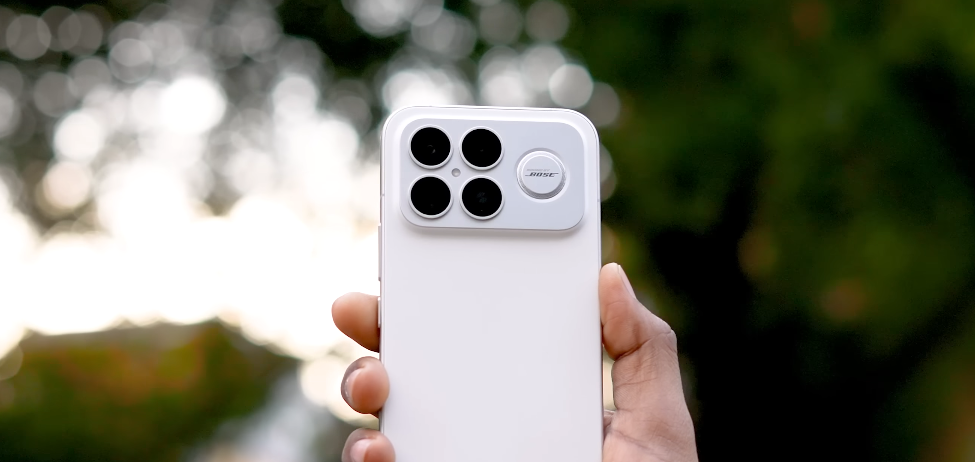
Camera hardware sees some of the most noticeable changes. The F5 offered a basic setup, and the F6 made improvements but still lacked advanced zoom capabilities. The F8 Pro introduces a stronger main sensor and, importantly, a dedicated telephoto lens, giving it more photographic versatility than previous models. Portrait shots, moderate zoom scenes and general photography all benefit from this upgrade. For users coming from an F5, this is a major leap. For F6 users, the improvements are clear but not as transformative.

Battery performance remains consistent across generations, with all three models offering strong endurance for everyday tasks. The F8 Pro does bring improvements in efficiency and charging speed, making it quicker to top up throughout the day. The charging enhancements feel most useful for heavy users who need fast recovery between sessions. While battery life itself may not be a massive step forward, the convenience of faster charging does make a practical difference.

Design and overall build experience have also evolved with each generation. The F8 Pro feels more refined, with a more premium in-hand feel compared to the F5 and a noticeable polish compared to the F6. The materials, frame finish and camera housing design signal a shift toward a more flagship-like identity. These aren’t functional leaps but contribute to a more modern and premium experience.

The software experience also benefits from optimisations that complement the hardware improvements. Animations, transitions and app stability feel more consistent on the F8 Pro, supporting the idea of a smoother user experience across day-to-day tasks. Older users coming from the F5 will notice a clearer jump, while F6 users will see it as a refinement.

For gamers and performance-focused buyers, the F8 Pro’s thermal handling and sustained performance offer real advantages. Longer gaming sessions run more smoothly, with fewer frame drops or heat spikes compared to the older models. This area represents a meaningful upgrade regardless of whether you’re coming from the F5 or the F6.

When viewed as a whole, the POCO F8 Pro is undeniably a leap for users coming from the F5. The differences in performance, display, camera and charging combine to deliver a much more modern and capable device. For F6 owners, the upgrade feels more balanced: the improvements are meaningful but not revolutionary, especially if their current phone still performs well.

Overall, the POCO F8 Pro delivers a stronger generational jump than typical mid-cycle updates. It pushes the series closer to full flagship territory while maintaining the value appeal the F-series is known for. Whether it feels like a leap or incremental shift depends largely on your current device, but the overall direction of improvement is clear and substantial.

Prime Video hits pause on its AI-powered recaps after viewers were told Fallout was set in the 1950s

Prime Video hits pause on its AI-powered recaps after viewers were told Fallout was set in the 1950s

Prime Video Halts AI Recaps After ‘Fallout’ Factual Blunder

Prime Video, a titan in the streaming industry, recently rolled out an ambitious new feature aimed at enhancing viewer experience: AI-powered recaps. This innovative tool promised to offer succinct summaries of previous episodes, allowing subscribers to effortlessly catch up before diving into new content. The intention was clear – to streamline viewing and add convenience for a global audience navigating vast libraries of television series.

However, this cutting-edge technology encountered an unexpected stumbling block, particularly with its summary for the acclaimed first season of ‘Fallout’. Viewers were quickly left baffled and bemused when the artificial intelligence, in its attempt to provide a helpful overview, relayed fundamentally incorrect information. The most glaring inaccuracy reported was the assertion that the beloved post-apocalyptic drama was set squarely in the 1950s, a temporal misplacement that significantly distorted the show’s premise.

This particular error proved to be a significant misstep, given the ‘Fallout’ series’ distinct and widely recognised setting, which is meticulously established for both fans and newcomers. For devotees of the hugely popular video game franchise and those new to its lore, the show artfully crafts a retro-futuristic world, one deeply rooted in an alternate timeline where 1950s aesthetics clash dramatically with a devastating nuclear aftermath centuries later. To claim the narrative unfolded within the actual 1950s demonstrated a profound misunderstanding of its core premise, revealing a critical lapse in algorithmic comprehension.

The immediate fallout, if you will, from these notable factual inaccuracies was a swift wave of confusion and light-hearted exasperation that spread rapidly across various social media platforms. Audiences, many of whom had just finished or were deeply engrossed in the series’ intricate narrative, quickly pointed out the AI’s significant gaffes with a mix of amusement and concern. The online discourse highlighted the humorous yet fundamentally worrying nature of an algorithm generating such easily verifiable errors, prompting widespread questioning of the feature’s overall reliability.

In swift and decisive response to the growing chorus of feedback and the obvious operational glitches highlighted by its user base, Prime Video made the pragmatic decision to temporarily withdraw the nascent AI recap feature. This immediate pause was enacted to allow for a comprehensive and thorough review and subsequent refinement of the underlying algorithms powering the summaries. It demonstrably underscored the streaming giant’s commitment to accuracy and quality over a rushed implementation, highlighting the inherent complexities involved in deploying sophisticated AI tools in a prominent public-facing capacity.

The incident serves as a highly pertinent reminder of the current limitations and inherent challenges when relying solely on artificial intelligence for nuanced content generation, particularly within creative industries. While AI offers immense potential for automation, efficiency, and personalisation, its capacity for critical understanding and deep contextual interpretation undeniably remains a developing area. For a service as prominent and globally influential as Prime Video, factual errors, however seemingly minor, can quickly erode viewer trust and significantly detract from the overall user experience.

The promise of AI in media consumption is undoubtedly vast and exciting, ranging from hyper-personalised recommendations that truly understand individual tastes, to sophisticated automated content creation. Yet, the current reality often presents a far more intricate and less perfect picture, where even advanced algorithms occasionally falter in distinguishing between subtle stylistic choices and concrete factual timelines. This specific episode involving ‘Fallout’ highlights the crucial and enduring need for robust human oversight and rigorous, continuous testing before the widespread implementation of such powerful technologies.

Looking ahead, the future integration of AI within entertainment platforms will inevitably proceed, driven by innovation and consumer demand, but likely with a significantly greater emphasis on safeguards and iterative, careful development. Lessons learned from instances such as Prime Video’s recent recap misstep will undoubtedly inform and shape future strategies, ensuring that AI truly enhances rather than inadvertently diminishes the quality of user engagement and content understanding. The overarching goal remains to leverage AI’s formidable strengths without ever sacrificing accuracy, integrity, or authenticity in storytelling.

Beyond the chronological mix-up concerning the 1950s, there were broader hints of other minor inconsistencies or oversimplifications within the AI-generated recaps, although the temporal misplacement remained the most prominent and easily debunked. These errors, collectively, painted a concerning picture of an AI model struggling to grasp the intricate world-building, deep lore, and narrative subtleties that define a meticulously crafted series like ‘Fallout’. It wasn’t just a simple date that was incorrect, but a fundamental misunderstanding of the show’s very essence and historical context within its fictional universe.

This particular situation naturally raises more profound questions about the AI’s potential performance and reliability when tasked with summarising other complex, historically sensitive, or deeply nuanced content. If an AI can so fundamentally misinterpret the setting and core premise of a widely popular, fictional series, what are the broader implications for accurately summarising documentaries, intricate historical dramas, or indeed, vital educational programmes? The incident unequivocally underscores the imperative for AI systems to possess a deep, semantic understanding, moving far beyond mere superficial keyword recognition.

Refining these sophisticated AI models will necessitate a continuous, rigorous cycle of extensive data input, precise error correction, and meticulous algorithmic adjustments based on real-world performance. Developers will undoubtedly need to train these systems on vastly larger, more diverse datasets, incorporating explicit contextual cues and robust feedback loops to proactively minimise future inaccuracies and enhance reliability. The temporary retraction by Prime Video demonstrates an admirable and responsible commitment to this crucial iterative improvement process, placing quality and user satisfaction at the forefront.

In conclusion, Prime Video’s recent, brief foray into AI-powered recaps, specifically highlighted by its performance with the ‘Fallout’ series, offers an invaluable and compelling case study in the rapidly evolving landscape of artificial intelligence integration. While the ambition to innovate and enhance user convenience is undoubtedly commendable, the incident serves as a salient reminder that even highly advanced AI requires meticulous calibration, continuous learning, and human oversight to deliver truly reliable, accurate, and contextually appropriate summaries. It’s a reflective pause for critical evaluation, but certainly not a definitive halt to technological progress.


Also Read:

PS5 Exclusive Games Not Coming to PC: A New Era for UK Gamers

A person playing a PS5 game on their console, with a disappointed PC user in the background, highlighting the shift in gaming behaviour and the colour of the gaming landscape, with a focus on PS5 exclusive games

PS5 Exclusive Games: The End of PC Ports?

UK gamers have grown accustomed to playing PS5 exclusive games on their PCs, but a new Bloomberg report suggests this may no longer be the case. The reason behind this shift is attributed to disappointing sales and the emergence of a new Xbox console. This change in behaviour may have significant implications for the gaming industry.

The report, which cites Jason Schreier, a renowned gaming journalist, highlights the factors contributing to this decision. It appears that PlayStation has reevaluated its strategy, prioritising console sales over PC ports. This move may analyse the market trends and player preferences, ultimately affecting the colour of the gaming landscape.

Wolverine and Ghost of Yotei are among the PS5 exclusive games that will not be ported to PC. This news may come as a disappointment to PC users who have been eagerly waiting to play these titles. However, it also presents an opportunity for UK gamers to experience these games on their consoles, potentially driving sales and boosting the gaming community.

The shift in PlayStation’s strategy may be seen as a response to the changing market dynamics. With the new Xbox console on the horizon, the company may be looking to consolidate its position and attract more gamers to its platform. This move could have far-reaching consequences, influencing the way games are developed and marketed in the UK.

As the gaming industry continues to evolve, it will be interesting to see how this decision affects the market. Will PC users be forced to switch to consoles to play their favourite games, or will they seek alternative options? Only time will tell, but one thing is certain – the UK gaming scene is about to undergo a significant transformation.

The implications of this decision are multifaceted, and gamers in the UK will be eagerly watching the developments. As the market adjusts to this new reality, we can expect to see a shift in the way games are promoted and sold. The colour of the gaming industry is about to change, and it will be fascinating to analyse the effects of this transformation.

In conclusion, the news that PS5 exclusive games will not be ported to PC marks a new era for UK gamers. While some may be disappointed, others will see this as an opportunity to experience these games on their consoles. As the gaming industry continues to evolve, we can expect to see more changes that will shape the future of gaming in the UK.

PS5 Price Hike: UK Gamers Face Significant Increases from April 2

A close-up of the PS5 console, with a UK gamer in the background, highlighting the primary keyword of PS5 price increase and the impact on UK gamers, with a focus on the colour and quality of the gaming experience.

PlayStation Price Increases: What UK Gamers Need to Know

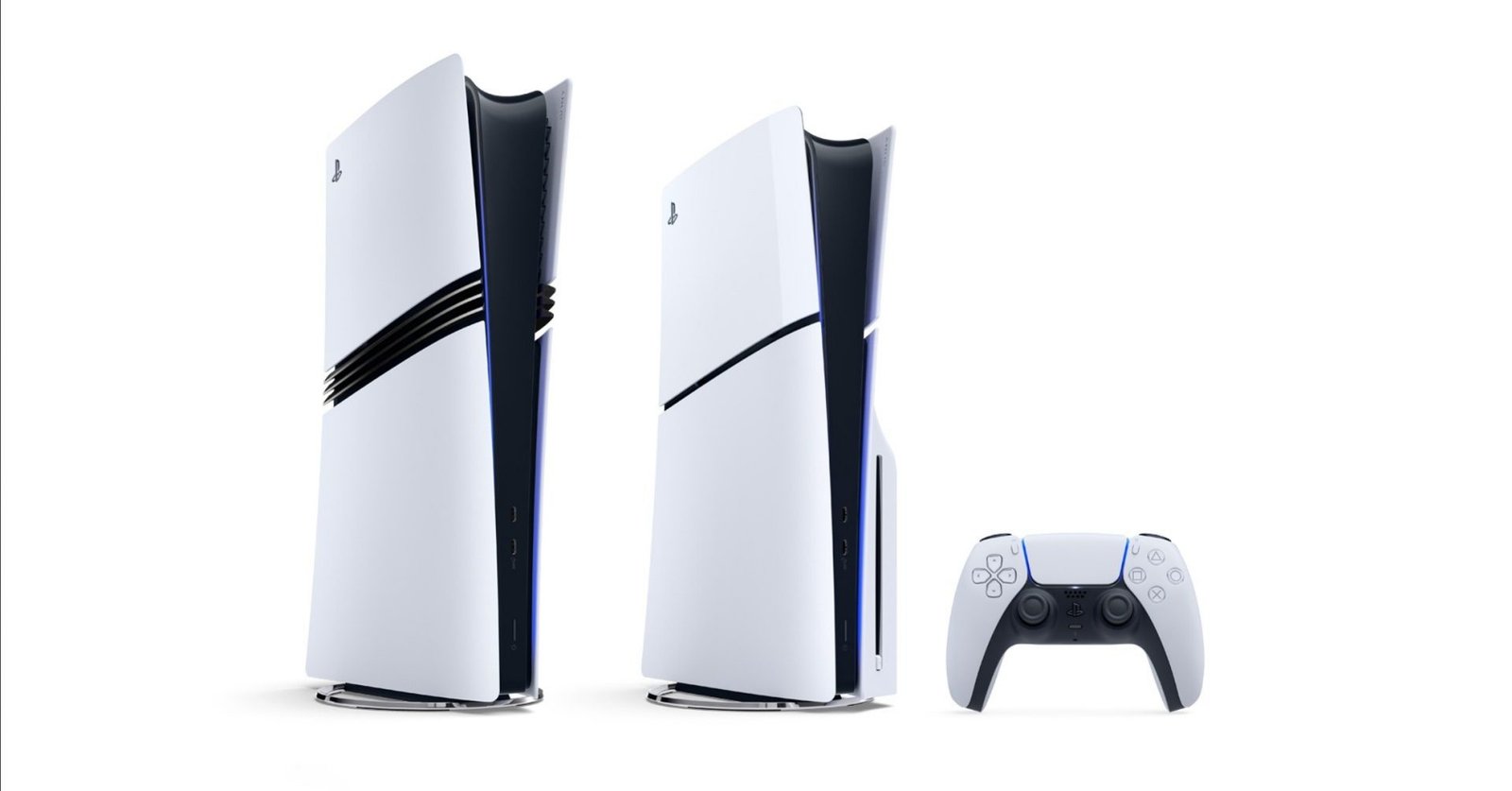
The PS5, PS5 Pro, and PlayStation Portal are set to receive significant price increases in the UK, with the PS5 and PS5 Pro consoles rising by €100 and the PlayStation Portal by €30, starting from April 2, 2026. This news was confirmed by a recent PlayStation Blog post. The price hike is the third since the consoles launched in 2020. UK gamers will need to adjust their budgets accordingly.

The first price increase occurred in August, and since then, the cost of these consoles has been on the rise. The latest increase will likely impact sales, as gamers in the UK may be deterred by the higher prices. However, for those who have been waiting to get their hands on the PS5 or PS5 Pro, now may be the time to act before the prices go up.

The price increase will affect not only the consoles but also the overall gaming experience. With the rise in cost, gamers may need to analyse their behaviour and adjust their spending habits. The colour and quality of the gaming experience will remain the same, but the cost will be higher. As the UK gaming market continues to evolve, it will be interesting to see how this price increase affects the industry.

UK gamers who are looking to purchase the PS5, PS5 Pro, or PlayStation Portal should be aware of the upcoming price increase. They should also consider the overall cost of ownership, including games and accessories. By understanding the impact of the price hike, gamers can make informed decisions about their purchases. The UK gaming community will likely be discussing this topic in the coming weeks, so stay tuned for more updates.

The PlayStation Blog post confirmed that the price increase will take effect on April 2, 2026. This gives UK gamers a few days to prepare and make any necessary adjustments to their budgets. The price hike may be significant, but it is essential to remember that the gaming experience remains the same. The PS5, PS5 Pro, and PlayStation Portal are still high-quality devices that offer an immersive gaming experience.

As the UK gaming market continues to grow, it is essential to stay up-to-date with the latest news and developments. The price increase is just one aspect of the gaming industry, and there are many other factors to consider. By staying informed, UK gamers can make the most of their gaming experience and enjoy the latest games and technology.

POCO F8 Pro vs older flagship from 2023: is this upgrade worth it?

POCO F8 Pro vs older flagship from 2023 is this upgrade worth it

Deciding Whether a Two-Year Leap Delivers Real Value

Upgrading from a 2023 flagship to the POCO F8 Pro is a common question for users whose devices are approaching the two-year mark. As early impressions and official specifications continue to circulate, it’s becoming clearer where the F8 Pro offers gains and where older flagships still hold strong. The upgrade decision depends largely on performance needs, longevity expectations and which features matter most in day-to-day use.

The POCO F8 Pro arrives with new-generation processing power aimed at outperforming several 2023 high-end devices, especially in multi-core workloads and gaming efficiency. Early reports suggest smoother multitasking, reduced app load times and an overall more responsive system compared with hardware from two years ago. For users who push their phones hard, the performance shift is noticeable enough to feel like a meaningful upgrade.

Display improvements also play a significant role in the comparison. The F8 Pro offers higher brightness levels, improved HDR handling and a fast refresh rate that enhances general usability. Older 2023 flagships may still feature excellent screens, but advances in outdoor visibility and peak brightness give the newer model an advantage. For those who spend a lot of time outdoors or consume a large amount of media, this difference adds to the appeal of upgrading.

POCO F8 Pro vs older flagship from 2023 is this upgrade worth it

Battery life and charging speed are areas where users tend to see clear gains when moving from older hardware. The F8 Pro includes faster charging options and more efficient power management, contributing to longer screen-on time and quicker top-ups. Owners of 2023 flagships who have begun to see battery degradation will likely experience a meaningful improvement by switching to a newer device.

However, camera performance remains a complex part of the decision. Many 2023 flagship models—especially premium ones—still offer excellent camera hardware and strong processing that competes well even in 2025. While the F8 Pro delivers solid results, some older flagships may retain advantages in optical stabilisation, sensor size or low-light capabilities. For users who value photography above all else, the gains may feel more incremental than transformative.

Software support is another factor worth weighing. Newer devices naturally promise longer update cycles, which benefits users intending to keep their phones for several years. That said, most 2023 flagship devices already offer long-term Android support, so the difference may not be significant unless your current device is nearing the end of promised updates. If long-term reliability is a priority, the F8 Pro provides a fresh start with several years of updates ahead.

Cost effectiveness is central to determining whether this upgrade makes sense. The POCO F8 Pro is positioned to offer strong value, but upgrading from a still-capable 2023 flagship means evaluating what you actually gain in daily use. If your current device still runs smoothly, maintains good battery life and meets your needs, the financial case for upgrading is weaker. On the other hand, if your phone shows signs of slowing down or you’ve begun to push its limits, the F8 Pro’s performance improvements become more compelling.

Design and ergonomics also factor into the decision. The F8 Pro brings a refreshed design, typically slimmer bezels and improved materials that offer a newer feel compared with older models. Still, some 2023 flagships may retain a more premium build, such as aluminium frames or higher-grade glass, that the newer POCO model cannot fully replicate. Users sensitive to build quality may wish to handle the device before committing to an upgrade.

For heavy gamers or multitaskers, the performance jump alone may make the F8 Pro a worthwhile move. Its newer hardware, higher refresh rate display and efficient thermal performance contribute to smoother gameplay and a more responsive experience overall. Users who use their phones lightly, however, may not notice enough difference to justify purchasing a new device now.

Ultimately, the upgrade question comes down to whether your 2023 flagship is beginning to feel its age. If battery life is declining, performance stutters are increasing or you simply want the benefits of a cleaner, newer device with updated features, the POCO F8 Pro offers enough improvements to make the move worthwhile. If your existing phone still performs well and covers your usage comfortably, waiting may offer better long-term value as the next generation of devices approaches.

PS5 and Switch 2 Lead the Charge in GDC Survey

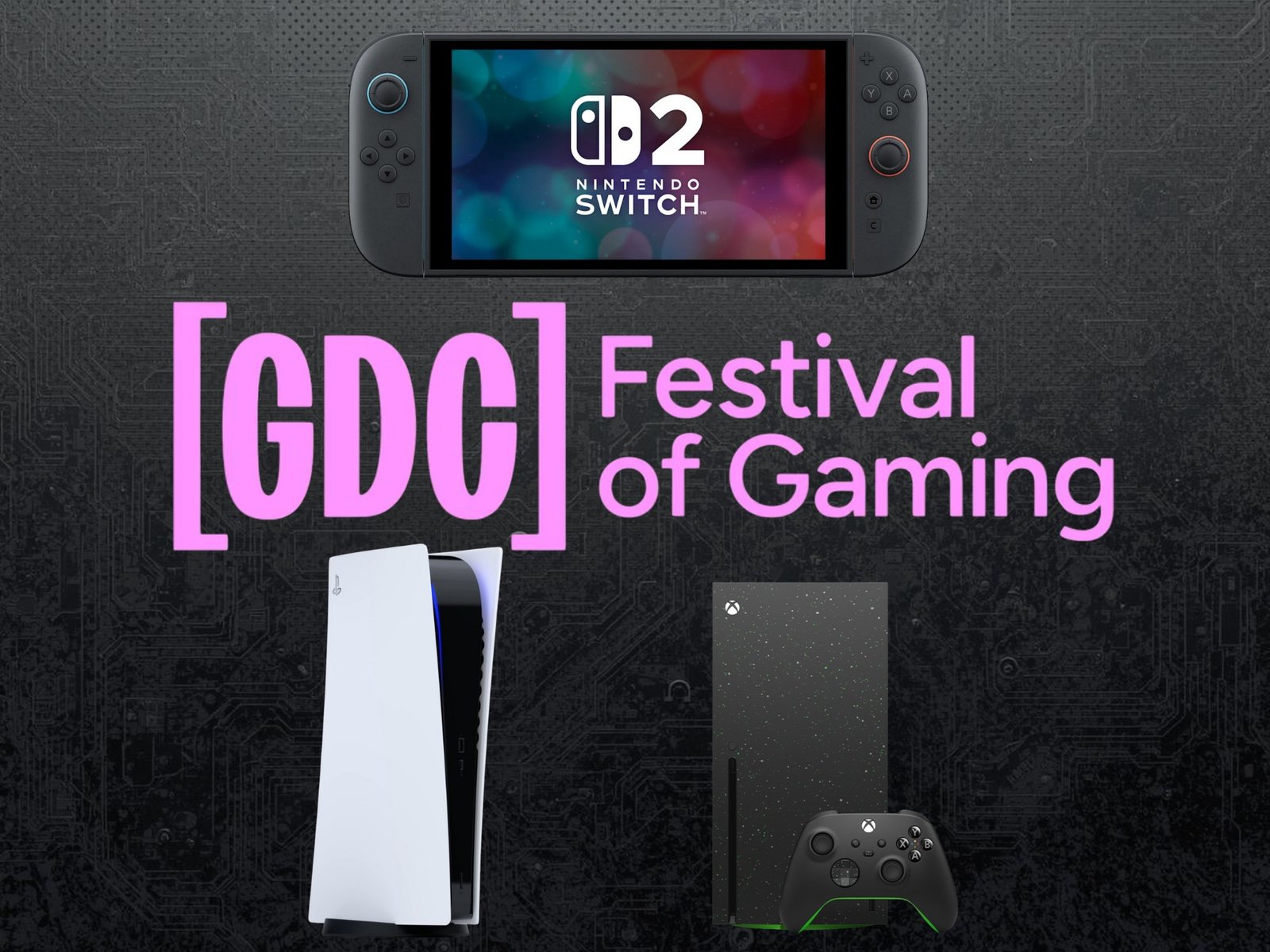
A descriptive image of the PS5 and Switch 2 consoles, highlighting their unique features and capabilities, with a focus on the primary keyword, GDC survey

GDC Survey Reveals Shift in Developer Preferences

The Game Developers Conference survey has shed light on the current state of the gaming industry, with a notable decline in support for Xbox consoles. This shift in developer behaviour is likely to have significant implications for the future of gaming. The survey’s findings are a testament to the evolving landscape of the industry.

According to the GDC report, a mere 20% of developers are prioritizing Xbox consoles, while the majority are focusing on creating games for the PS5 and Switch 2. This growing margin is a clear indication of the changing tides in the industry. As developers continue to analyse the market and adjust their strategies, it will be interesting to see how this trend unfolds.

The decline in support for Xbox consoles may be attributed to Microsoft’s multi-platform strategy, which has potentially boosted PC gaming’s popularity. As the industry continues to evolve, it is essential for developers to stay ahead of the curve and adapt to the changing needs of gamers. The GDC survey provides valuable insights into the current state of the industry, highlighting the need for innovation and creativity.

The PS5 and Switch 2 are leading the charge in the gaming industry, with developers preferring to create games for these consoles by a significant margin. This trend is likely to continue, with the PS5’s impressive hardware and the Switch 2’s portability being major draws for developers. As the industry continues to grow and evolve, it will be exciting to see how these consoles shape the future of gaming.

The GDC survey has also highlighted the importance of understanding developer preferences and behaviour. By analysing the data and trends, industry professionals can gain a deeper understanding of the market and make informed decisions about their strategies. The survey’s findings are a valuable resource for anyone looking to stay ahead in the gaming industry.

The colour and vibrancy of the gaming world are set to become even more pronounced, with the PS5 and Switch 2 at the forefront of innovation. As developers continue to push the boundaries of what is possible, gamers can expect a wide range of exciting new experiences. The future of gaming is looking bright, and the GDC survey has provided a fascinating glimpse into what’s to come.

The survey’s results have significant implications for the gaming industry, and it will be interesting to see how the major players respond. With the PS5 and Switch 2 dominating the landscape, it’s clear that developers are prioritizing these consoles. As the industry continues to evolve, it’s essential to stay up-to-date with the latest trends and developments.

In conclusion, the GDC survey has provided a comprehensive overview of the current state of the gaming industry. The decline in support for Xbox consoles and the growing popularity of the PS5 and Switch 2 are just a few of the key trends that have emerged. As the industry continues to grow and evolve, it will be exciting to see how these trends shape the future of gaming.

PS5 February 2026 State of Play: What to Expect and How to Watch

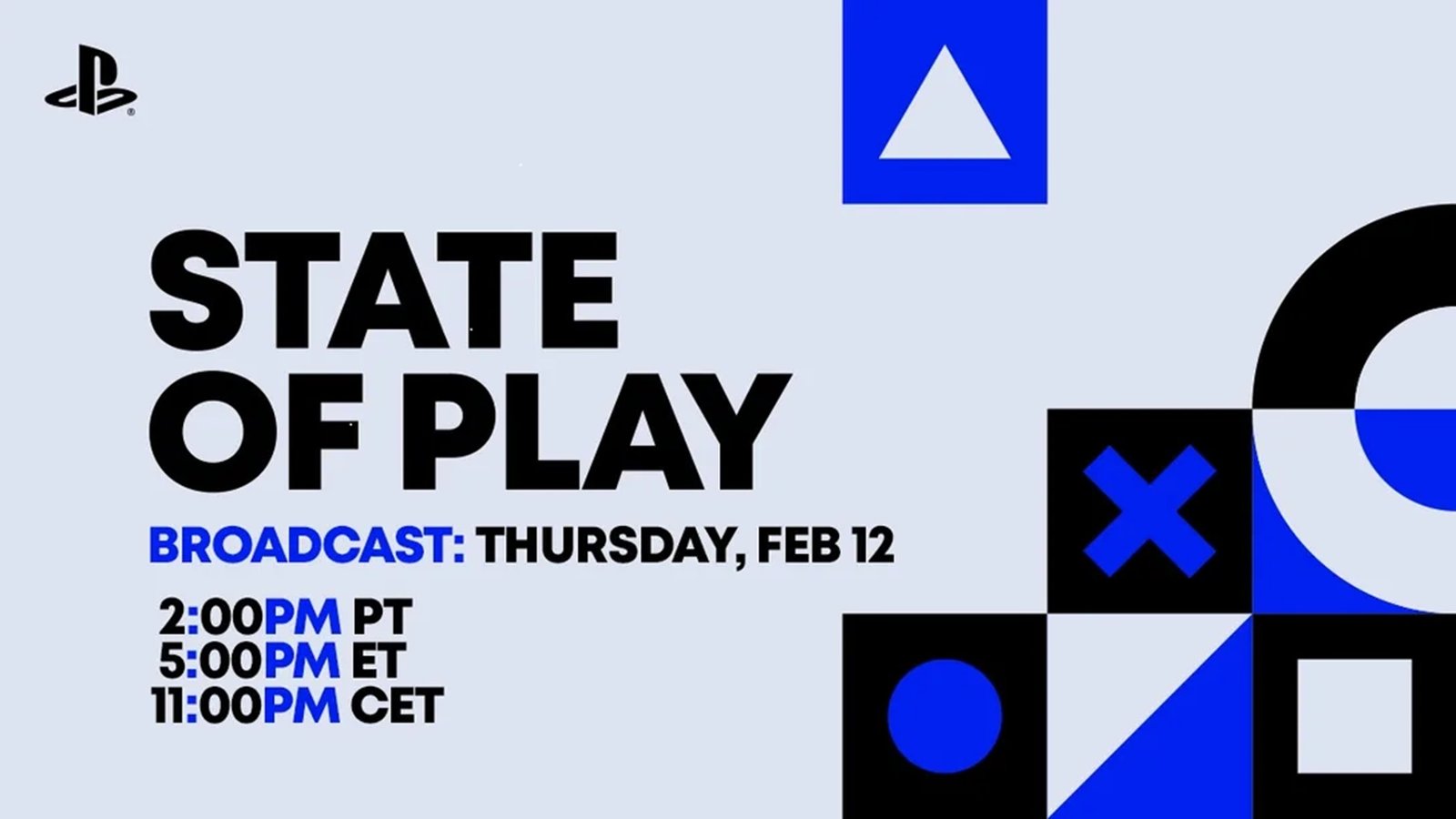
The PlayStation logo on a colourful background, with the words State of Play written in bold font, highlighting the upcoming February 2026 event and the exciting announcements it will bring for PS5 gamers

PS5 February 2026 State of Play: What to Expect and How to Watch

The February 2026 PlayStation State of Play is just around the corner, and it promises to be an exciting event. After a quiet start to the year, Sony is ready to reveal its plans for the PS5’s 2026 lineup. The event will feature new first-party reveals and updates on third-party projects.

The official livestream will be available to watch directly on the PlayStation website. You can also catch it on YouTube and other streaming platforms. The event is expected to be a beefy broadcast, with plenty of announcements and updates to get fans excited.

Rumors have been circulating about new games and updates, and this event is expected to deliver. With the Xbox Developer Direct and Nintendo Direct Partner Showcase already taking place, it’s Sony’s turn to shine. The company is likely to reveal new details about its upcoming games and projects.

The February State of Play is a significant event for PlayStation fans, and it’s not to be missed. With its focus on the PS5’s 2026 lineup, it’s the perfect opportunity to learn more about what’s in store for the console. Whether you’re a hardcore gamer or just a casual fan, this event is sure to have something for everyone.

PS5 Pro Gets PSSR 2 Upgrade, A Big Leap in Upscaling Tech for UK Gamers

A screenshot of a game running on a PS5 Pro with PSSR 2 upscaling technology, showcasing enhanced visuals and smoother gameplay, with a focus on the primary keyword PSSR 2

PSSR 2: A Major Boost to PS5 Pro’s Upscaling Capabilities

The world of upscaling technology has witnessed significant advancements since its inception. NVIDIA’s DLSS has reached version 4.5, while AMD’s FSR is set to introduce its latest iteration, FSR Diamond. Meanwhile, PlayStation’s PSSR (PlayStation Spectral Super Resolution) has received a substantial upgrade with PSSR 2, launching today for all PS5 Pro owners in the UK.

This development is a testament to the relentless pursuit of innovation in the gaming industry. As of today, 12 games will support PSSR 2, with more titles, including Assassin’s Creed Shadows and Cyberpunk 2077, slated to join the roster in the coming weeks.

The introduction of PSSR 2 marks a significant improvement over its predecessor, PSSR 1. This upgrade justifies the existence of the PS5 Pro, offering gamers a more immersive experience. With PSSR 2, players can expect enhanced visuals and smoother gameplay.

The PS5 Pro’s PSSR 2 technology is designed to provide a more realistic gaming experience. By leveraging advanced upscaling techniques, PSSR 2 enables gamers to enjoy their favourite titles with improved graphics and performance.

In the UK, gamers are eagerly anticipating the impact of PSSR 2 on their gaming experience. With its potential to revolutionise the way we play games, PSSR 2 is an exciting development for the gaming community.

As the gaming industry continues to evolve, it will be interesting to see how PSSR 2 influences the development of future games. With its enhanced upscaling capabilities, the PS5 Pro is poised to remain a top choice for gamers in the UK.

The launch of PSSR 2 is a significant milestone for PlayStation, demonstrating the company’s commitment to delivering cutting-edge technology to its users. As the gaming landscape continues to shift, PSSR 2 is set to play a major role in shaping the future of gaming.

With PSSR 2, the PS5 Pro is now more appealing than ever to gamers in the UK. The enhanced upscaling capabilities and improved performance make it an attractive option for those seeking a premium gaming experience.

In conclusion, the introduction of PSSR 2 is a major breakthrough for the PS5 Pro. With its enhanced upscaling capabilities and improved performance, PSSR 2 is set to revolutionise the gaming experience for players in the UK.

Price To Performance Ratio Favors Galaxy F36 5G

Price To Performance Ratio Favors Galaxy F36 5G

When it comes to affordable smartphones that still perform well, the Galaxy F36 5G proves to be a strong contender. It doesn’t just compete on specs but excels in delivering real-world value for the price. Many users have started noticing that what they get for the cost of this phone is more than expected, making the price to performance ratio a key reason for its rising popularity.

Smooth Performance Without Breaking The Bank


Most buyers in this segment want a phone that won’t freeze during basic multitasking or casual gaming. The Galaxy F36 5G delivers just that. With a capable processor and efficient RAM management, it runs daily apps with ease. From video streaming to social media and occasional photo editing, the phone holds up surprisingly well. Even when a few apps run in the background, the system doesn’t slow down. This kind of performance is usually expected from costlier models, so having it at this price point feels like a bonus.

Offers More Than Just The Basics


While staying affordable, the Galaxy F36 5G also includes a good display, reliable camera performance, and consistent connectivity. The screen is bright enough for outdoor use and sharp enough for everyday content. The camera isn’t groundbreaking, but it performs well in good lighting and handles casual photos with clarity. These are features that people use every day, and getting this kind of reliability at a lower cost really shows how balanced the phone is in terms of value.

Battery Life Adds To The Value


Another factor that makes the price feel justified is the long-lasting battery. The phone consistently delivers full-day usage without stressing about charging midday. Whether users are working, traveling, or just relaxing with media, the battery keeps up. That’s a feature often missing in budget phones that offer great specs but struggle with endurance. The Galaxy F36 5G avoids that mistake and offers both.

Price To Performance Ratio

A Budget Option That Doesn’t Feel Cheap


What separates the Galaxy F36 5G from many others in its category is that it doesn’t feel like a compromise. The build is solid, the interface is clean, and the user experience remains stable even after several weeks of use. It manages to avoid the typical trade-offs expected in budget devices. This all-around consistency is what makes its price to performance ratio so appealing.

A Smart Buy For Value Seekers


In the end, the Galaxy F36 5G gives more than it takes. Buyers who want good performance without overspending will find that this phone delivers on that promise. It’s not about flashy features or top-tier benchmarks—it’s about delivering a dependable experience at a cost that feels right. And that’s exactly what makes it a smart purchase.

POCO F8 Pro what you lose vs ultra-premium phones – compromises revealed

POCO F8 Pro what you lose vs ultra-premium phones – compromises revealed

The Real Trade-Offs Behind a Value Flagship

The POCO F8 Pro aims to deliver powerful hardware at a much lower price than ultra-premium flagships, but that naturally comes with a few compromises. While it offers impressive performance and strong specs, it doesn’t match everything that high-end phones deliver at the top of the market. Understanding these trade-offs helps you decide whether the savings are worth it for your needs.

One of the biggest differences appears in camera quality. Ultra-premium phones usually include larger sensors, higher-grade lenses, better stabilisation and the best night-mode processing. The POCO F8 Pro may offer strong hardware for the price, but it is unlikely to match the finest low-light detail, long-range zoom quality or cinematic video performance that top-tier devices provide. For casual photography it performs well, but enthusiasts may notice its limits.

Build quality is another area where cost-saving becomes visible. Premium phones use more expensive materials such as polished aluminium, titanium, ceramic or reinforced glass. They also include tighter water-resistance ratings and more refined design details. The POCO F8 Pro still looks modern and solid, but it won’t have the same luxury feel, weight balance or durability guarantees found in ultra-premium models.

POCO F8 Pro what you lose vs ultra-premium phones – compromises revealed

Display technology also differs. While the POCO F8 Pro is expected to include a high-refresh-rate AMOLED panel, the very best smartphones offer higher peak brightness, better colour calibration, deeper HDR performance and superior viewing angles. These upgrades make a difference when watching movies, gaming under bright sunlight or enjoying high-quality streaming content. For everyday use the POCO’s screen is impressive, but it won’t reach the absolute flagship level.

Software experience and long-term updates are another point of separation. Ultra-premium phones often guarantee the longest OS upgrades and security patches, along with exclusive software features and cleaner designs. POCO has improved its update policy, but it may still offer fewer years of major updates and slightly slower rollout compared to top-tier brands. Over years of ownership, this difference can affect longevity and resale value.

Audio quality and haptics also tend to favour premium devices. High-end flagships offer finely tuned stereo speakers, deeper bass, clearer vocals and premium vibration motors. The POCO F8 Pro will be good for media and gaming, but not as rich or immersive as the most expensive models. These finer touches often separate a great phone from a truly premium one.

Additional premium extras like wireless charging speed, advanced ecosystem features, top-level security hardware and exclusive accessories also tend to be missing or simplified on value-focused models. These are not essential for every user, but they enhance convenience and long-term comfort for those who rely heavily on their devices.

In short, the POCO F8 Pro delivers strong performance, good cameras for the price and high-value hardware. What you lose compared to ultra-premium phones are the refined details: top-tier camera consistency, luxury-level design, highest-quality display, longest updates, best audio and extra flagship features. For many users, these compromises won’t matter. But for those who want the absolute best experience across every category, an ultra-premium device remains the superior choice.

Pokémon Champions Lands on Nintendo Switch in UK Next Month

Pokémon Champions gameplay screenshot, featuring a battle between two Pokémon, with a colourful and vibrant background, showcasing the game's stunning visuals and addictive gameplay, set to be released on Nintendo Switch and Nintendo Switch 2 in the UK next month

Pokémon Champions: The Ultimate Fighting Experience

Pokémon Champions is a new Pokémon game that promises to deliver an exhilarating fighting and battling experience, showcasing the latest advancements in Pokémon combat. The game was first unveiled at the July 2025 Pokémon Presents and has since been a highly anticipated title. With its unique blend of strategy and action, Pokémon Champions is set to revolutionise the world of Pokémon gaming.

The game’s developers have been working tirelessly to ensure that Pokémon Champions meets the high standards of Pokémon fans across the UK. The game’s features and gameplay elements have been carefully crafted to provide an immersive experience that will keep players engaged for hours on end. Whether you’re a seasoned Pokémon trainer or just starting out, Pokémon Champions has something to offer.

At the recent Pokémon Presents, it was announced that Pokémon Champions would be arriving on Nintendo Switch and Nintendo Switch 2 in April, with a mobile version also in the works. This morning, Nintendo released a new overview trailer for the game, which provides a detailed look at the gameplay elements and features that make Pokémon Champions so exciting. With its rich, colourful graphics and addictive gameplay, Pokémon Champions is sure to be a hit with Pokémon fans of all ages.

The UK gaming community is abuzz with excitement as Pokémon Champions prepares to launch next month. Fans are eagerly anticipating the opportunity to get their hands on the game and experience the thrill of Pokémon combat like never before. With its innovative gameplay mechanics and stunning visuals, Pokémon Champions is poised to become one of the most popular Pokémon games of all time.

As the release date approaches, fans are advised to stay tuned for further updates and announcements. The game’s developers are committed to providing a seamless and enjoyable gaming experience, and are working hard to ensure that Pokémon Champions meets the high expectations of Pokémon fans across the UK. With its unique blend of action, strategy, and role-playing elements, Pokémon Champions is an absolute must-play for anyone who loves Pokémon.

The Nintendo Switch and Nintendo Switch 2 versions of the game will be available in the UK next month, with a mobile version set to follow soon after. Fans can expect a game that is both challenging and rewarding, with a rich storyline and engaging characters. Whether you’re playing at home or on the go, Pokémon Champions is the perfect game for anyone who loves Pokémon and is looking for a new adventure.

Pokémon Champions is set to become one of the most popular Pokémon games of all time, and for good reason. The game’s unique blend of action, strategy, and role-playing elements makes it a must-play for anyone who loves Pokémon. With its stunning visuals, addictive gameplay, and rich storyline, Pokémon Champions is an absolute must-have for any Pokémon fan in the UK.

The game’s release is just around the corner, and fans are eagerly anticipating the opportunity to get their hands on Pokémon Champions. With its innovative gameplay mechanics and stunning visuals, this game is sure to be a hit with Pokémon fans of all ages. So mark your calendars and get ready to experience the ultimate Pokémon fighting experience in the UK next month.

In conclusion, Pokémon Champions is a game that is not to be missed. With its unique blend of action, strategy, and role-playing elements, it is an absolute must-play for anyone who loves Pokémon. The game’s stunning visuals, addictive gameplay, and rich storyline make it a must-have for any Pokémon fan in the UK. So don’t wait – get ready to experience the ultimate Pokémon fighting experience in the UK next month.