Google’s Project Genie: Revolutionising Game Development in the UK

A futuristic illustration of a game developer working alongside a GenAI-powered robot, set against a backdrop of London's cityscape, highlighting the fusion of human creativity and artificial intelligence in the UK gaming industry

Understanding Project Genie: The Future of Game Development

The recent unveiling of Google’s Project Genie has sent shockwaves through the video game industry, with investors initially perceiving it as a potential game-changer in the field of GenAI-powered game creation. However, a closer look reveals that Project Genie is not merely a game-making kit. Its capabilities and implications are far more complex and multifaceted. As the UK gaming scene continues to evolve, it’s essential to analyse the true potential of Project Genie.

At the heart of the matter lies the distinction between creating games with GenAI and genuinely understanding the intricacies of game development. While Project Genie demonstrates impressive capabilities, it is not a replacement for human creativity and expertise. The behaviour of investors, who caused a temporary downturn in the stock values of major game companies, underscores the need for a more nuanced understanding of Project Genie’s role in the industry.

Google’s experiment is better viewed as a tool that can aid in the game development process, rather than a comprehensive solution. By leveraging GenAI, developers can automate certain tasks, freeing up resources for more creative and high-level aspects of game design. This synergy between human ingenuity and artificial intelligence has the potential to revolutionise the gaming landscape in the UK and beyond.

As the video game industry in the UK continues to grow, with colour and vibrancy, it’s crucial to consider the implications of Project Genie on the local gaming scene. From indie developers to major studios, the ability to harness GenAI could lead to innovative gameplay mechanics, enhanced player experiences, and new business models. However, it’s equally important to acknowledge the challenges and limitations that come with integrating AI into game development.

The future of game development in the UK is undoubtedly exciting, with Project Genie at the forefront of this change. As we move forward, it’s essential to maintain a balanced perspective, recognising both the potential benefits and the complexities of GenAI-powered game creation. By doing so, we can unlock the true potential of Project Genie and propel the UK gaming industry towards a brighter, more innovative future.

Googlebook Laptops to Revolutionise UK Market with AI-Powered Devices

Googlebook laptops and tablet with Glowbar LED notification lighting system, featuring premium craftsmanship and materials, set to launch in the UK this autumn with AI-powered features

Googlebook Laptops: A New Era in UK Computing

Google has unveiled its Googlebook laptop venture, promising premium laptops that merge Chromebook and Android efforts with Gemini AI. This move is seen as Google’s answer to the MacBook Neo, but with added AI smarts.

The Googlebook series will feature a distinctive ‘Glowbar’ LED notification lighting system, which will be both functional and beautiful. This feature is also rumoured to be coming to the Pixel 11 smartphone series.

With up to eight Googlebook devices expected at launch, including a thin, lightweight, high-efficiency detachable tablet, consumers in the UK will have plenty of options to choose from. Four devices will run on Intel’s Core Ultra 300 hardware, while three will use Qualcomm’s Snapdragon X series chips.

The final device, powered by MediaTek’s Kompanio Ultra chip, will be a tablet that anchors the ultra-portable side of the ecosystem. Googlebook laptops will feature premium craftsmanship and materials, making them more high-end than most Chromebooks.

The Googlebook series is set to launch in the UK this autumn, with Acer, Asus, Dell, HP, and Lenovo all on board to produce their own Googlebook hardware. With custom splash screens and a range of devices to choose from, the Googlebook series is sure to make a splash in the UK market.

Google’s focus on AI-powered devices is expected to revolutionise the UK computing market, with the Googlebook series at the forefront. With its unique features and premium design, the Googlebook series is sure to be a hit with consumers in the UK.

The Googlebook series will feature a range of devices, each with its own unique features and specifications. From the Intel-powered devices to the Qualcomm-powered ones, there will be something for everyone in the Googlebook series.

As the launch of the Googlebook series approaches, consumers in the UK are eagerly awaiting the chance to get their hands on these revolutionary devices. With their AI-powered features and premium design, the Googlebook series is sure to be a game-changer in the UK computing market.

The Googlebook series is not just about the devices themselves, but also about the ecosystem that surrounds them. With the Glowbar LED notification lighting system and the range of devices to choose from, the Googlebook series is a comprehensive solution for consumers in the UK.

In conclusion, the Googlebook series is set to revolutionise the UK computing market with its AI-powered devices and premium design. With up to eight devices to choose from, consumers in the UK will have plenty of options to choose from, making the Googlebook series a must-have for anyone looking for a new laptop or tablet.

Google Unveils New Fitbit in the UK, A Game-Changer for Health and Wellness

Google's new Fitbit device, showcased by Steph Curry, features a unique woven material design and promises to revolutionise fitness tracking in the UK. The device is expected to offer a range of features, including detailed health insights and integration with the Fitbit app.

Revolutionising Fitness Tracking: Google’s New Fitbit

In a surprise move, Google has unveiled its latest Fitbit device, showcased by basketball legend Steph Curry on his Instagram account. The as-yet-untitled device boasts a unique woven material design, devoid of a screen or buttons. This innovative approach has piqued the interest of fitness enthusiasts across the UK.

The Golden State Warriors player, who serves as Google’s Performance Advisor, expressed his excitement about the device’s potential impact on health and wellness. The teaser video concludes with the promise of an imminent launch, leaving fans eager for more information.

The design of the new Fitbit bears a striking resemblance to the Whoop Strap 5.0, a discreet fitness tracker designed for 24/7 wear. This device provides users with detailed insights into their health, including rest quality, energy levels, and potential health anomalies. The Whoop Strap has gained popularity among professional athletes, such as Cristiano Ronaldo and LeBron James.

According to a report by Bloomberg, the Fitbit band will offer some features at no additional cost, while extras will be available to Fitbit Premium subscribers. This strategic move aims to tap into the growing demand for subscription-free fitness tracking devices, as seen with the Polar Loop.

The UK fitness tracking market is poised for significant growth, with major players like Apple potentially entering the fray. Bloomberg’s Mark Gurman suggests that Apple may need to develop its own fitness band to remain competitive in the health tracking sector. With the latest AirPods Pro 3 introducing heart rate tracking, it’s likely that Apple will expand its wearable range in the near future.

As the UK awaits the official launch of Google’s new Fitbit, speculation surrounding the device’s features and pricing continues to build. The long-awaited successor to the Fitbit Charge 6 is also anticipated, making 2026 an exciting year for fitness enthusiasts in the UK.

Google Unveils AI Hypercomputer in the UK, Revolutionising Agentic AI

Google's AI Hypercomputer, a high-performance computing datacenter, combining 8th-gen TPUs, NVIDIA Rubin, and Axion CPUs to deliver flexible and performant AI architecture, set to power the Agentic AI era in the UK

Introducing the AI Hypercomputer: A New Era in Agentic AI

The days of traditional supercomputers are behind us, as Google announces its AI Hypercomputer, set to power the Agentic AI era in the UK. This innovative technology combines the 8th-gen TPUs, NVIDIA Rubin, and Axion CPUs to deliver unparalleled flexibility and performance. By leveraging its in-house TPUs, CPUs, and scaling beyond with NVIDIA Rubin, Google is poised to redefine the future of AI computing.

The AI Hypercomputer is designed to provide customers with the most advanced and adaptable AI architecture ever built. With its cutting-edge technology, Google aims to push the boundaries of what is possible in the realm of Agentic AI. As the UK continues to embrace AI innovation, Google’s AI Hypercomputer is set to play a pivotal role in shaping the country’s technological landscape.

At the Google Cloud Next 26 event, the company formally announced its AI Hypercomputer, marking a significant milestone in the development of Agentic AI. The new high-performance computing datacenter is designed to deliver exceptional performance, scalability, and flexibility, making it an attractive solution for businesses and organisations in the UK.

As the UK’s AI sector continues to grow, Google’s AI Hypercomputer is well-positioned to support this growth, providing a powerful tool for businesses and organisations to analyse and understand complex data sets. With its advanced technology and innovative design, the AI Hypercomputer is set to revolutionise the way we approach AI computing in the UK.

The implications of Google’s AI Hypercomputer are far-reaching, with potential applications in a wide range of industries, from healthcare to finance. As the UK’s AI industry continues to evolve, Google’s AI Hypercomputer is poised to play a key role in driving innovation and growth.

With the AI Hypercomputer, Google is demonstrating its commitment to pushing the boundaries of what is possible in the world of AI. As the UK’s AI sector continues to mature, Google’s innovative technology is set to provide a significant boost, enabling businesses and organisations to unlock new insights and drive growth.

The AI Hypercomputer is a testament to Google’s dedication to advancing the field of Agentic AI. With its powerful technology and innovative design, the AI Hypercomputer is set to make a significant impact in the UK, driving growth, innovation, and progress in the years to come.

As we look to the future, it is clear that Google’s AI Hypercomputer will play a pivotal role in shaping the UK’s technological landscape. With its advanced technology and innovative design, the AI Hypercomputer is poised to revolutionise the way we approach AI computing, providing a powerful tool for businesses and organisations to drive growth and innovation.

In conclusion, Google’s AI Hypercomputer is a groundbreaking innovation that is set to transform the world of Agentic AI in the UK. With its powerful technology and innovative design, the AI Hypercomputer is poised to make a significant impact, driving growth, innovation, and progress in the years to come.

Google Tensor SoC Shipments to Surge in 2026

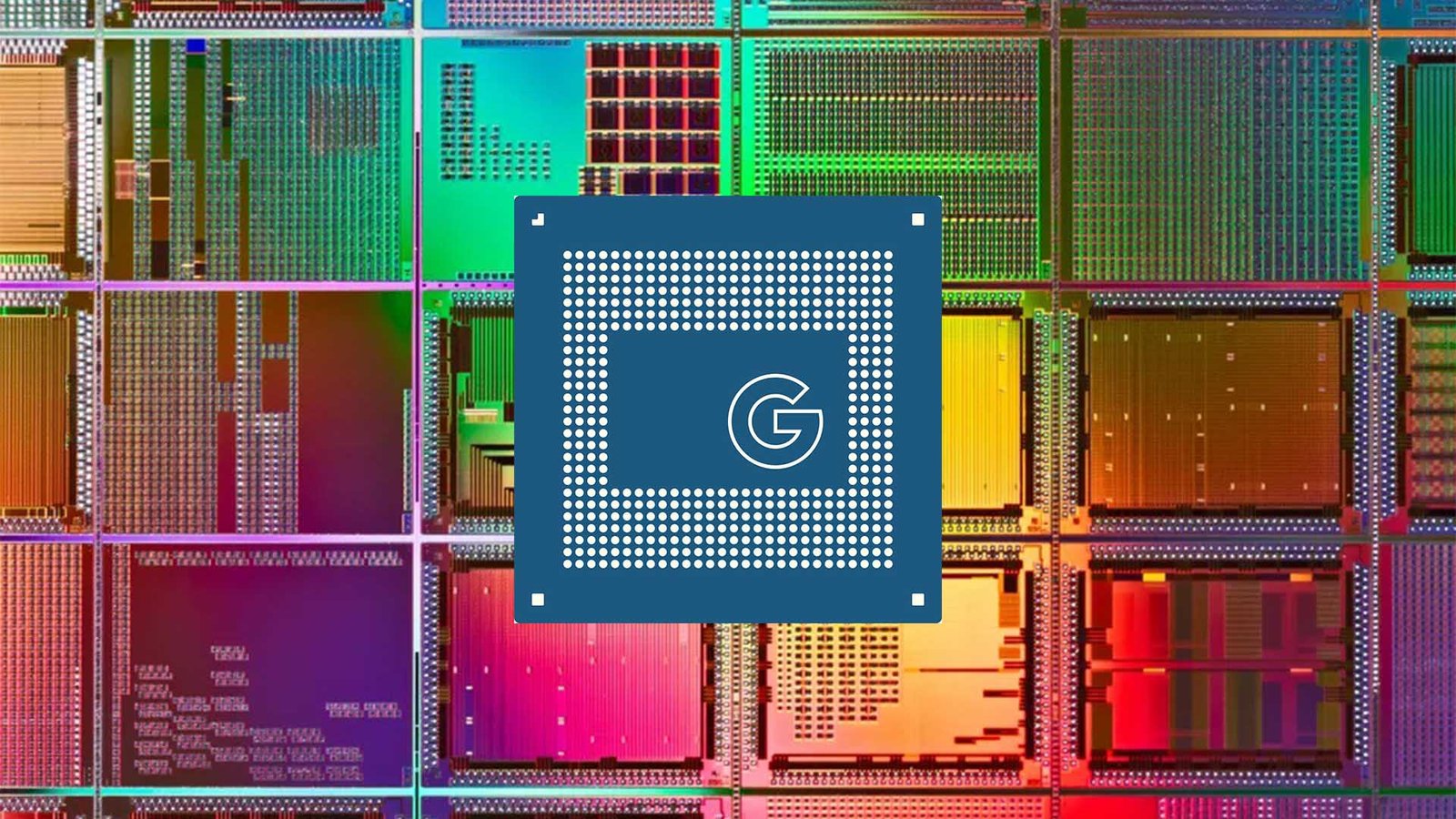
Google Tensor SoC chipset shipments are expected to defy industry trends in 2026, with the company predicted to experience significant growth due to its strong integrated supply chain and focus on in-house silicon development, a key component in the smartphone industry, which is poised to decline by 7% in 2026 due to the ongoing DRAM shortage

Google Tensor SoC Shipments Predicted to Defy Industry Trends

Despite the disappointing release of the Tensor G5, Google’s chipset shipments are expected to witness significant growth in 2026. The Mountain View giant is anticipated to lead the market, with its year-over-year shipments growth surpassing that of its competitors. This forecast comes as the global smartphone chipset shipments are predicted to decline by 7% in 2026.

The primary reason behind this decline is the ongoing DRAM shortage, which is poised to hit Chinese OEMs the hardest. In contrast, tech giants like Apple, Samsung, and Google are better positioned to navigate this challenge. Their strong integrated supply chains and robust focus on in-house silicon development are expected to cushion the impact of the shortage.

The Tensor G5, although lacking in raw performance and efficiency, has not deterred Google’s progress in the chipset market. The company’s commitment to innovation and development is likely to pay off, with its shipments predicted to experience the least amount of resistance in 2026. Samsung, on the other hand, is expected to come in at second place, highlighting the intense competition in the market.

As the smartphone industry continues to evolve, the importance of in-house silicon development cannot be overstated. Companies that invest in this area are likely to reap the benefits, as evidenced by Google’s anticipated growth. The ability to design and manufacture their own chipsets allows these companies to better control their supply chains and mitigate the risks associated with external factors like the DRAM shortage.

The growth of Google’s Tensor SoC shipments is a testament to the company’s dedication to innovation and customer satisfaction. As the demand for high-performance and efficient chipsets continues to rise, Google is well-positioned to meet this demand and further solidify its position in the market. With the anticipated decline in global smartphone chipset shipments, Google’s predicted growth is a notable exception to the trend.

In conclusion, Google’s Tensor SoC shipments are expected to defy industry trends in 2026, with the company predicted to experience significant growth. The ongoing DRAM shortage is likely to impact the global smartphone chipset shipments, but Google’s strong integrated supply chain and focus on in-house silicon development are expected to cushion this impact. As the market continues to evolve, it will be interesting to see how Google’s competitors respond to this challenge and whether they can bridge the gap in chipset shipments.

Furthermore, the anticipated growth of Google’s Tensor SoC shipments highlights the importance of innovation and development in the tech industry. Companies that invest in these areas are likely to reap the benefits, as evidenced by Google’s predicted success. The ability to design and manufacture their own chipsets allows companies to better control their supply chains and mitigate the risks associated with external factors.

Additionally, the growth of Google’s Tensor SoC shipments is a testament to the company’s commitment to customer satisfaction. As the demand for high-performance and efficient chipsets continues to rise, Google is well-positioned to meet this demand and further solidify its position in the market. With the anticipated decline in global smartphone chipset shipments, Google’s predicted growth is a notable exception to the trend.

Overall, the predicted growth of Google’s Tensor SoC shipments in 2026 is a significant development in the tech industry. The company’s dedication to innovation and customer satisfaction is expected to pay off, with its shipments predicted to experience the least amount of resistance in 2026. As the market continues to evolve, it will be interesting to see how Google’s competitors respond to this challenge and whether they can bridge the gap in chipset shipments.

Google Pixel Watch 4 & 3 UK Prices Drop to Historic Lows

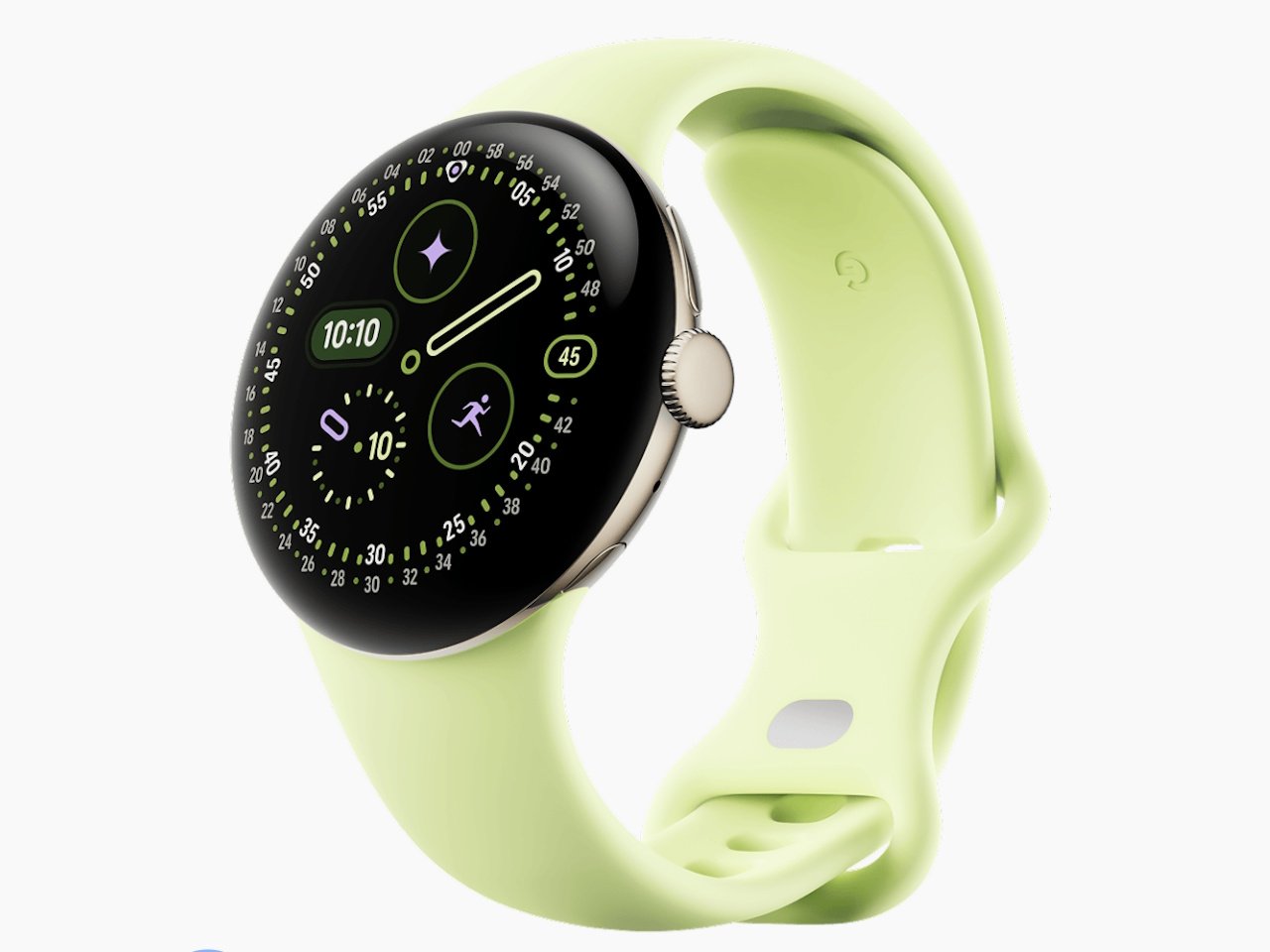
Google Pixel Watch 4 and Pixel Watch 3 smartwatches with Fitbit health tracking and colour touchscreen displays, shown on a wearer's wrist, demonstrating the devices' sleek design and user-friendly interface, perfect for fitness enthusiasts and tech-savvy individuals in the UK

Unbeatable Deals on Google Pixel Watch 4 and 3 in the UK

The Google Pixel Watch 4 and Pixel Watch 3 have seen a significant price drop on Amazon, with savings of $60 and $80 respectively. This reduction brings the smartwatches to their lowest prices ever in the UK. Both watches boast Fitbit health tracking and seamless integration with Google Pixel smartphones, making them a compelling choice for those invested in the Google ecosystem.

For those looking to upgrade their wearable technology, the Google Pixel Watch 4 and Pixel Watch 3 offer a range of features that cater to fitness enthusiasts and tech-savvy individuals alike. From monitoring daily activity to receiving notifications, these smartwatches are designed to keep users connected and on top of their wellbeing.

The integration of Fitbit health tracking into the Google Pixel Watch 4 and Pixel Watch 3 is a significant selling point, allowing users to analyse their behaviour and make informed decisions about their health. With the colour touchscreen display, navigating through the various features and settings is intuitive and user-friendly.

In terms of compatibility, both smartwatches are designed to work effortlessly with Google Pixel smartphones, ensuring a cohesive user experience across devices. Whether it’s receiving alerts, controlling music playback, or tracking workouts, the Google Pixel Watch 4 and Pixel Watch 3 are versatile accessories that enhance the overall functionality of Google Pixel handsets.

Google Play Games Challenges Steam in the UK with Buy Once, Play Anywhere

Google Play Games featured image, showing a gamer playing a game on a Windows PC, with an Android device in the background, highlighting the Buy Once, Play Anywhere feature

Revolutionising Gaming: Google Play Games Takes on Steam in the UK

Google is making waves in the gaming world by expanding its Play Games platform on PC, offering a plethora of new titles and native PC game support. This move is set to bridge the gap between Android and Windows PCs, providing a seamless gaming experience. With broader hardware compatibility, gamers can now enjoy their favourite games on various devices.

The ‘Buy Once, Play Anywhere’ initiative is a game-changer, allowing users to purchase a game on one platform and play it on another, without the need for repeated purchases. This feature is sure to appeal to gamers in the UK, who can now access their favourite games across different devices.

The implications of this move are significant, as it challenges the dominance of Steam in the gaming market. Google’s Play Games platform is poised to become a major player, offering a unique gaming experience that transcends device boundaries. With tighter continuity between Android and Windows PCs, gamers can now enjoy a cohesive gaming experience.

The UK gaming community is abuzz with excitement, as the possibilities offered by Google’s Play Games platform are endless. From playing games on the go to enjoying them on larger screens, the ‘Buy Once, Play Anywhere’ initiative has opened up new avenues for gamers. As the gaming landscape continues to evolve, one thing is certain – Google’s Play Games platform is here to stay.

The future of gaming looks bright, with Google’s innovative approach set to revolutionise the way we play games. With the UK at the forefront of this gaming revolution, it will be interesting to see how the market responds to this new development. As gamers, we can’t wait to see what’s in store for us.

Google’s move is a clear indication of its commitment to providing a superior gaming experience. By offering a range of titles and native PC game support, the company is catering to the diverse needs of gamers. The ‘Buy Once, Play Anywhere’ initiative is a testament to Google’s innovative approach, which is sure to resonate with gamers in the UK.

The benefits of Google’s Play Games platform are numerous, from increased accessibility to enhanced gameplay. With the ability to play games on various devices, gamers can now enjoy their favourite games whenever and wherever they want. The platform’s broader hardware compatibility is also a major plus, allowing gamers to play games on a range of devices.

In conclusion, Google’s Play Games platform is poised to take the UK gaming market by storm. With its innovative ‘Buy Once, Play Anywhere’ initiative and native PC game support, the company is offering a unique gaming experience that is sure to appeal to gamers. As the gaming landscape continues to evolve, one thing is certain – Google’s Play Games platform is here to stay.

Google Tests Android 17 Update on UK Pixel Devices

Google Pixel device with Android 17 update, featuring a new user interface and improved performance, available in the UK

Android 17 Update for UK Users

Google is testing its first major Android 17 update on Pixel devices in the UK. The company has rolled out the first beta version of Android 17 QPR1 for Pixel phones. This update is aimed at fixing bugs and issues from previous beta builds. The beta version is available for Google Pixel 6 or newer devices.

The Android 17 QPR1 beta 1 update fixes four specific bugs, including a printer job-based crash and an error message in the Terminal app. The update also resolves issues with distortion effects in VoIP applications and direct audio output. These fixes are essential for a smooth user experience.

UK users can test the Android 17 QPR1 beta 1 update by signing up for the Android Beta Program. The full Android 17 update is expected to arrive in June or July. Google is expected to add new features in future beta versions. The current update is a stepping stone for the full release.

The Android 17 update is a significant milestone for UK Android users. The update will bring new features and improvements to the operating system. Google is working to ensure a seamless transition to the new update. The company is testing the update on Pixel devices to identify and fix issues before the full release.

The Android 17 QPR1 beta 1 update is a crucial step in the development process. The update demonstrates Google’s commitment to delivering a high-quality user experience. UK users can expect a reliable and efficient operating system with the upcoming update. The Android 17 update will be a significant improvement over previous versions.

Google Stays Loyal to Tensor Chips for Pixel 12 in the UK

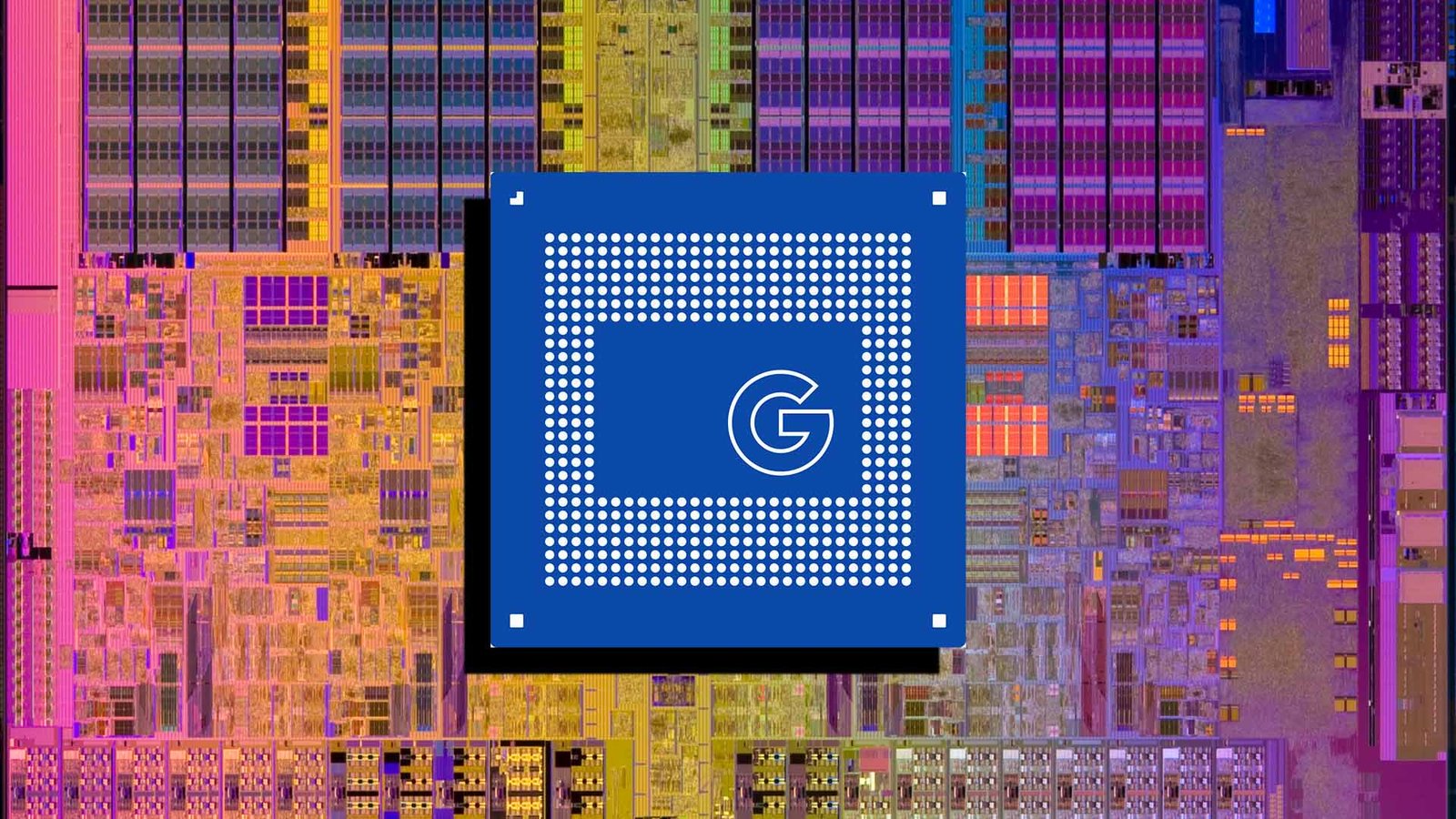
Google Tensor Chips for Pixel 12 series in the UK, featuring the Tensor G7 chip, set to deliver exceptional performance and efficiency, with a focus on improved colour accuracy and faster processing, making it a major player in the UK smartphone market

Google Tensor Chips: A Commitment to Excellence in the UK

Google is set to launch the Pixel 11 lineup later this year, featuring the Tensor G6 chip. Despite speculation, the company is sticking to its Tensor SoCs for the Pixel 12 family next year. A new leak has revealed details of the Tensor G7, codenamed Lajolla or LaJolla.

The Mountain View firm is committed to its Tensor chips, opting not to use flagship Snapdragon or MediaTek SoCs. This decision is likely to impact the company’s competitiveness in the UK market.

The Tensor G7 is being developed for the Pixel 12, with the leak showcasing its capabilities. Google’s decision to stay with Tensor chips is a testament to the company’s confidence in its technology.

In the UK, the Pixel 12 series is expected to be a major player in the smartphone market. With the Tensor G7 chip, Google is poised to deliver exceptional performance and efficiency.

The leak has also revealed that the Tensor G7 will have a significant impact on the phone’s behaviour, allowing for faster processing and improved colour accuracy.

Google’s commitment to its Tensor chips is a bold move, but one that is likely to pay off in the long run. As the company continues to analyse and improve its technology, we can expect to see even more exciting developments in the future.

In the UK, smartphone users are eagerly awaiting the release of the Pixel 12 series. With the Tensor G7 chip, Google is set to deliver a truly exceptional user experience.

The Pixel 12 series is expected to be a major player in the UK market, with the Tensor G7 chip at its core. As the company continues to innovate and improve its technology, we can expect to see even more exciting developments in the future.

Google’s decision to stay with Tensor chips is a testament to the company’s confidence in its technology. In the UK, the Pixel 12 series is expected to be a major player in the smartphone market.

The Tensor G7 chip is set to deliver exceptional performance and efficiency, making it a major player in the UK market. With Google’s commitment to its Tensor chips, we can expect to see even more exciting developments in the future.

Google’s AI Health Summaries: YouTube Dominates as Primary Source, Study Reveals

A person searching for health information online, with a YouTube video playing in the background, highlighting the dominance of YouTube in Google's AI health summaries.

Google’s AI Health Summaries: A Concerning Trend

A recent study by SE Ranking, a prominent search engine optimization platform, has shed light on a rather alarming trend in Google’s AI health summaries. The analysis, which examined 50,807 health-related searches conducted in Berlin, found that YouTube is cited more frequently than any medical source. This raises important questions about the reliability of these summaries.

The study’s findings are noteworthy, as they suggest that YouTube’s influence on Google’s AI Overviews is substantial. With the video platform appearing in 4.43 percent of all summaries, it is clear that YouTube plays a significant role in shaping the content of these overviews. This has significant implications for users who rely on these summaries for health-related information.

Furthermore, the study’s results highlight the need for a more nuanced approach to health-related searches. By prioritizing YouTube over established medical sources, Google’s AI Overviews may be perpetuating misinformation and reinforcing harmful health behaviours. As such, it is essential to analyse the sources cited in these summaries and evaluate their credibility.

In light of these findings, it is crucial to consider the potential consequences of relying on Google’s AI health summaries. While these summaries are intended to provide users with a concise overview of relevant information, they may ultimately be doing more harm than good. As we move forward, it is vital that we develop a more comprehensive understanding of the role that YouTube and other non-medical sources play in shaping these summaries.

Ultimately, the study’s results serve as a reminder of the importance of critically evaluating online health information. By being aware of the potential biases and limitations of Google’s AI health summaries, users can take steps to verify the accuracy of the information they encounter online. This, in turn, can help to promote healthier behaviours and reduce the risk of misinformation.

Google Shuts Down Massive Android Proxy Network: 9 Million Devices Hijacked

A diagram showing the workings of a proxy network, with a red X marked through it, symbolising the shutdown of the network. The image highlights the importance of online security and the need to be cautious when downloading apps.

Uncovering the World’s Largest Residential Proxy Network

Google has recently announced the shutdown of the world’s largest residential proxy network, which is believed to be operated by Chinese company IPIDEA. This network is thought to have hijacked around nine million Android devices, as well as computers and smart home products. The hijacking occurred through hidden code libraries, known as SDKs, which were embedded in over 600 free apps and programs.

When these apps were installed, the user’s device could be secretly used as an exit node in a proxy network, enabling cybercriminals to hide their identity and carry out malicious activities, such as denial-of-service (DoS) attacks, without the owner’s knowledge. This has significant implications for user security and highlights the importance of being cautious when downloading apps.

The shutdown of IPIDEA’s network was made possible with the support of a federal court ruling in the United States. Google warns that apps from third-party stores pose a high risk, and users should be wary of apps offering payment in return for sharing their unused bandwidth or internet. It is essential to only download apps from official stores and to check the permissions requested by apps, VPNs, and proxies.

To protect yourself and your device, it is crucial to use Google Play Protect to check your apps and only buy set-top boxes and other smart home devices from reputable manufacturers. By taking these precautions, you can significantly reduce the risk of your device being hijacked and used for malicious purposes.

IPIDEA claims that the service was intended for legitimate business purposes, but admits that the network has been abused by criminal actors. This highlights the need for increased vigilance and awareness of the potential risks associated with downloading apps from third-party stores.

The shutdown of this massive proxy network is a significant step towards improving user security, but it also serves as a reminder of the importance of being cautious when downloading apps and using the internet. By being aware of the potential risks and taking steps to protect yourself, you can help to prevent your device from being hijacked and used for malicious purposes.

Google’s own protection, Play Protect, is designed to detect and block these types of hidden SDKs, but it only works for apps installed via the Play Store. This highlights the importance of only downloading apps from official stores and being cautious of apps that offer payment in return for sharing your unused bandwidth or internet.

In conclusion, the shutdown of the world’s largest residential proxy network is a significant step towards improving user security, but it also serves as a reminder of the importance of being cautious when downloading apps and using the internet. By being aware of the potential risks and taking steps to protect yourself, you can help to prevent your device from being hijacked and used for malicious purposes.

It is essential to stay informed about the latest developments in cybersecurity and to take steps to protect yourself and your device. By doing so, you can help to prevent your device from being hijacked and used for malicious purposes, and you can help to create a safer online environment for everyone.

The implications of this shutdown are significant, and it is crucial to understand the potential risks associated with downloading apps from third-party stores. By being aware of these risks and taking steps to protect yourself, you can help to prevent your device from being hijacked and used for malicious purposes.

In the future, it is likely that we will see more shutdowns of this type, as companies and authorities work to combat the growing threat of cybercrime. By staying informed and taking steps to protect yourself, you can help to create a safer online environment and reduce the risk of your device being hijacked.

Ultimately, the shutdown of the world’s largest residential proxy network is a significant step towards improving user security, and it serves as a reminder of the importance of being cautious when downloading apps and using the internet. By being aware of the potential risks and taking steps to protect yourself, you can help to prevent your device from being hijacked and used for malicious purposes.

Google Pixel’s At A Glance Widget Set for Redesign

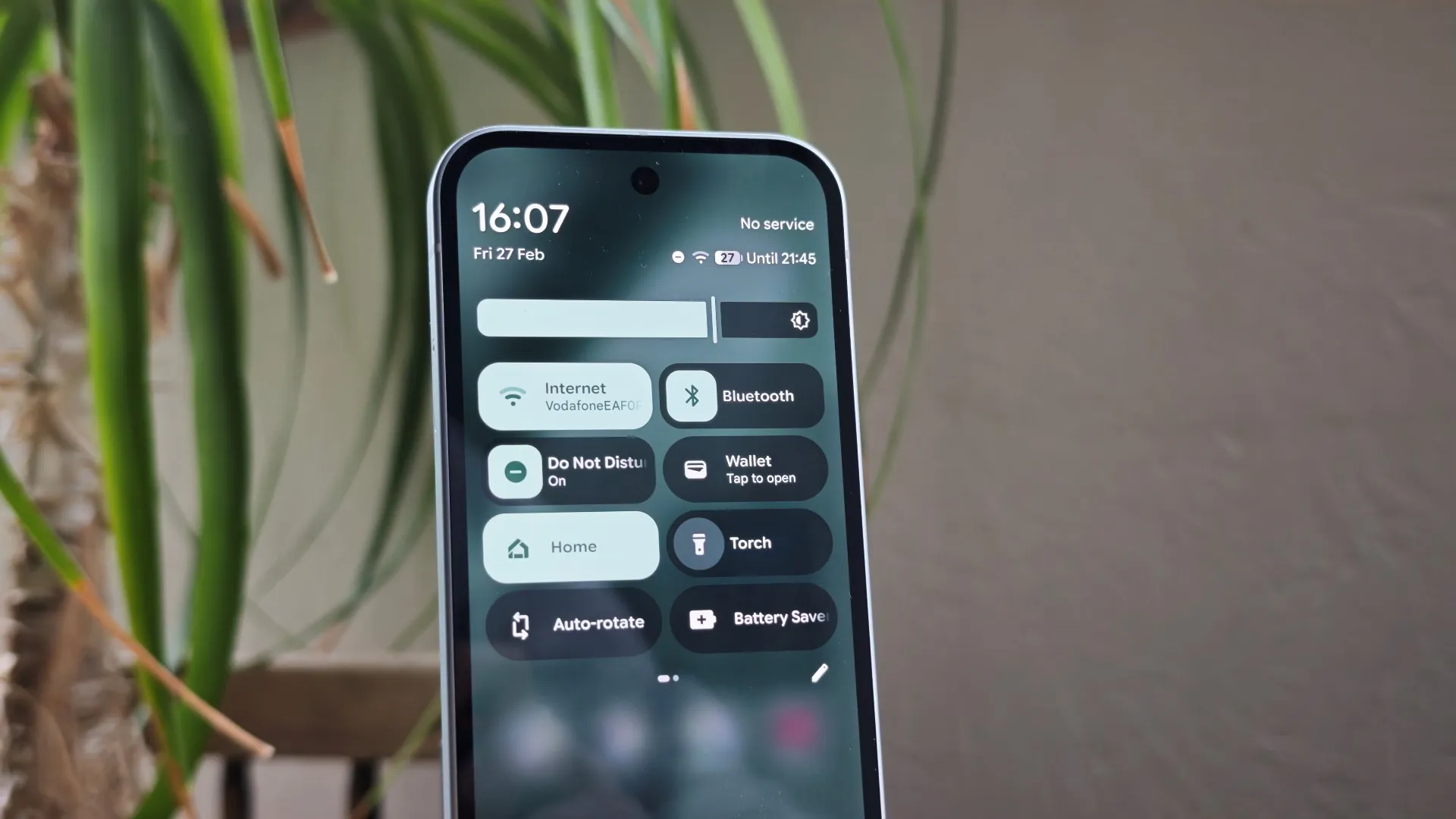
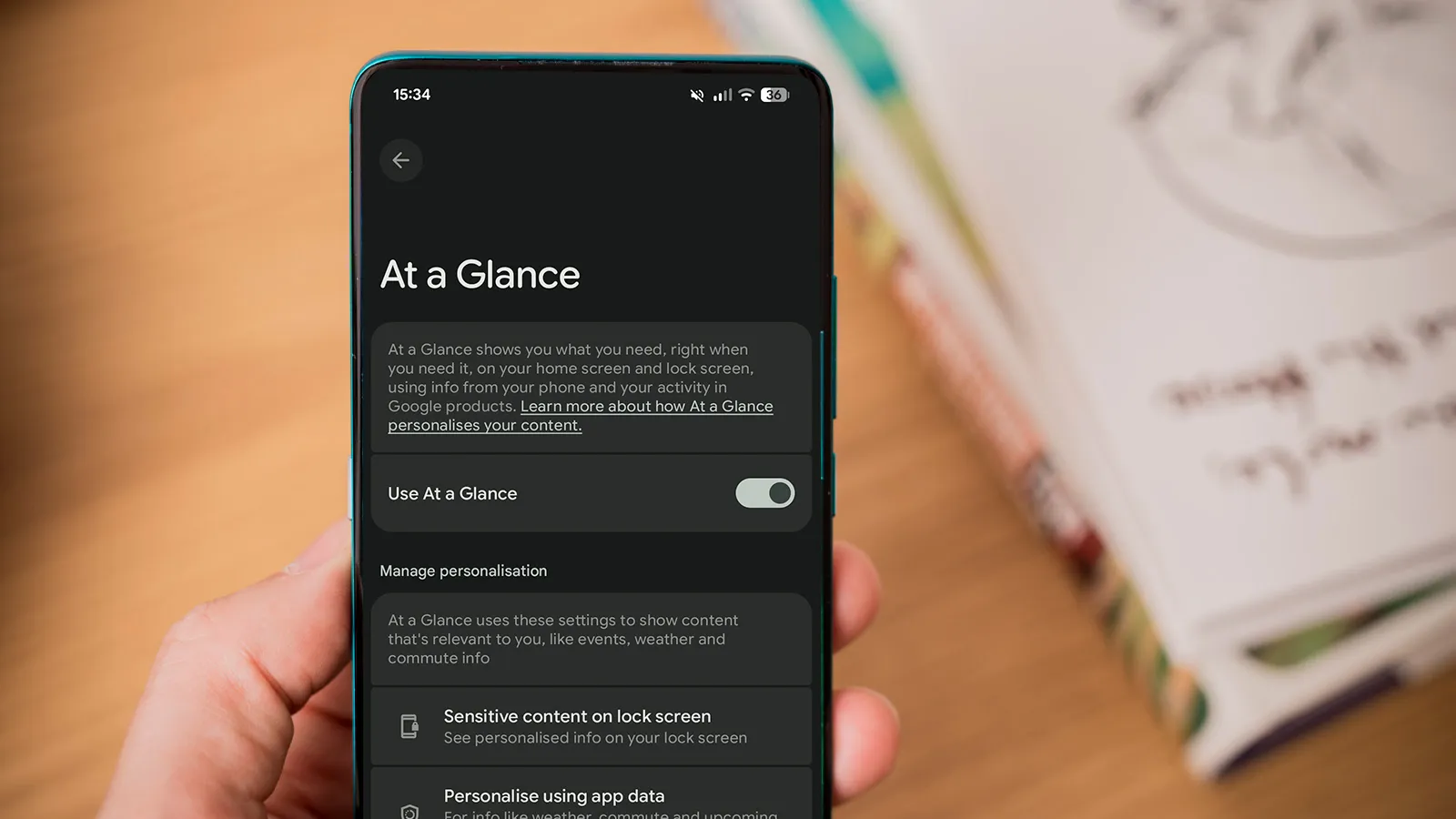
The Pixel At A Glance widget is getting a redesign, featuring a new high-contrast background that improves readability and provides a more intuitive user experience, with the upcoming Android 16 QPR3 update expected to bring this feature to Pixel devices, offering a more tailored and customisable experience for users

Revamping the At A Glance Widget: A New Era for Pixel Users

The At A Glance widget on Pixel devices has long been a subject of debate, with some users finding it useful and others considering it a nuisance. However, Google is now working on a redesign that could change the way we interact with this feature. The new design aims to make the widget more user-friendly, particularly in terms of readability.

Currently, the text in the At A Glance widget can often blend in with the background image on the home screen, making it difficult to read. To address this issue, Google is testing a new setting that will introduce a high-contrast background, effectively separating the widget from the wallpaper. This new background will be semi-transparent and will work seamlessly with both black and white text.

The introduction of the high-contrast background is expected to enhance the overall user experience, making it easier for users to glance at important information without being distracted by the background image. Moreover, this feature will also be visible on the lock screen, providing users with quick access to essential information.

Although the exact rollout date for the new setting is uncertain, it is currently available in the QPR3 beta version of Android 16. This suggests that Google is actively working on refining the feature before its official release. With the anticipated launch of the Android 16 QPR3 update in March, users can expect to see the new At A Glance widget design soon.

The ability to customise the At A Glance widget is a significant step forward for Pixel users, who have been requesting more personalisation options for their home screens. As Google continues to refine and update its features, users can expect a more tailored and intuitive experience. The upcoming redesign of the At A Glance widget is a testament to Google’s commitment to listening to user feedback and improving the overall usability of its devices.

For those who have been waiting for a more user-friendly At A Glance widget, the upcoming redesign is a welcome change. With its improved readability and customisation options, the new widget is set to revolutionise the way we interact with our Pixel devices. Whether you’re a fan of the At A Glance widget or not, the new design is sure to make a positive impact on your overall user experience.

In conclusion, the redesign of the At A Glance widget is an exciting development for Pixel users, offering a more intuitive and customisable experience. As Google continues to push the boundaries of innovation, users can expect to see more exciting features and updates in the future. With the anticipated launch of the Android 16 QPR3 update, users can look forward to a more refined and user-friendly At A Glance widget.

The At A Glance widget has long been a staple of the Pixel home screen, providing users with quick access to important information. However, its current design has been met with criticism, with some users finding it difficult to read. The new high-contrast background is set to address this issue, making the widget more accessible and user-friendly.

Google’s decision to redesign the At A Glance widget is a significant step forward for Pixel users, who have been requesting more personalisation options for their home screens. The new design is expected to provide a more tailored and intuitive experience, making it easier for users to navigate their devices. With the upcoming launch of the Android 16 QPR3 update, users can expect to see the new At A Glance widget design soon.

The introduction of the high-contrast background is a major improvement to the At A Glance widget, making it easier for users to read important information. The new design is set to revolutionise the way we interact with our Pixel devices, providing a more intuitive and customisable experience. Whether you’re a fan of the At A Glance widget or not, the new design is sure to make a positive impact on your overall user experience.

As Google continues to refine and update its features, users can expect to see more exciting developments in the future. The redesign of the At A Glance widget is just the beginning, and users can look forward to a more refined and user-friendly experience. With the anticipated launch of the Android 16 QPR3 update, the new At A Glance widget design is set to make a significant impact on the Pixel user experience.

The At A Glance widget has long been a subject of debate, with some users finding it useful and others considering it a nuisance. However, with the new redesign, Google is set to change the way we interact with this feature. The new design aims to make the widget more user-friendly, particularly in terms of readability.

The new high-contrast background is set to address the issue of readability, making the widget more accessible and user-friendly. The introduction of this feature is a significant step forward for Pixel users, who have been requesting more personalisation options for their home screens. With the upcoming launch of the Android 16 QPR3 update, users can expect to see the new At A Glance widget design soon.

In conclusion, the redesign of the At A Glance widget is an exciting development for Pixel users, offering a more intuitive and customisable experience. As Google continues to push the boundaries of innovation, users can expect to see more exciting features and updates in the future. With the anticipated launch of the Android 16 QPR3 update, users can look forward to a more refined and user-friendly At A Glance widget.
The At A Glance widget is set to undergo a significant transformation, with the introduction of a high-contrast background and improved readability. The new design is expected to provide a more tailored and intuitive experience, making it easier for users to navigate their devices. With the upcoming launch of the Android 16 QPR3 update, users can expect to see the new At A Glance widget design soon.

Google’s decision to redesign the At A Glance widget is a testament to the company’s commitment to listening to user feedback and improving the overall usability of its devices. The new design is set to revolutionise the way we interact with our Pixel devices, providing a more intuitive and customisable experience. Whether you’re a fan of the At A Glance widget or not, the new design is sure to make a positive impact on your overall user experience.

The introduction of the high-contrast background is a major improvement to the At A Glance widget, making it easier for users to read important information. The new design is set to provide a more refined and user-friendly experience, making it easier for users to navigate their devices. With the anticipated launch of the Android 16 QPR3 update, users can expect to see the new At A Glance widget design soon.

In conclusion, the redesign of the At A Glance widget is an exciting development for Pixel users, offering a more intuitive and customisable experience. As Google continues to push the boundaries of innovation, users can expect to see more exciting features and updates in the future. With the anticipated launch of the Android 16 QPR3 update, users can look forward to a more refined and user-friendly At A Glance widget.
The At A Glance widget has long been a staple of the Pixel home screen, providing users with quick access to important information. However, its current design has been met with criticism, with some users finding it difficult to read. The new high-contrast background is set to address this issue, making the widget more accessible and user-friendly.

Google’s decision to redesign the At A Glance widget is a significant step forward for Pixel users, who have been requesting more personalisation options for their home screens. The new design is expected to provide a more tailored and intuitive experience, making it easier for users to navigate their devices. With the upcoming launch of the Android 16 QPR3 update, users can expect to see the new At A Glance widget design soon.

The introduction of the high-contrast background is a major improvement to the At A Glance widget, making it easier for users to read important information. The new design is set to revolutionise the way we interact with our Pixel devices, providing a more intuitive and customisable experience. Whether you’re a fan of the At A Glance widget or not, the new design is sure to make a positive impact on your overall user experience.

As Google continues to refine and update its features, users can expect to see more exciting developments in the future. The redesign of the At A Glance widget is just the beginning, and users can look forward to a more refined and user-friendly experience. With the anticipated launch of the Android 16 QPR3 update, the new At A Glance widget design is set to make a significant impact on the Pixel user experience.

The At A Glance widget is set to undergo a significant transformation, with the introduction of a high-contrast background and improved readability. The new design is expected to provide a more tailored and intuitive experience, making it easier for users to navigate their devices. With the upcoming launch of the Android 16 QPR3 update, users can expect to see the new At A Glance widget design soon.

Google’s decision to redesign the At A Glance widget is a testament to the company’s commitment to listening to user feedback and improving the overall usability of its devices. The new design is set to revolutionise the way we interact with our Pixel devices, providing a more intuitive and customisable experience. Whether you’re a fan of the At A Glance widget or not, the new design is sure to make a positive impact on your overall user experience.

The introduction of the high-contrast background is a major improvement to the At A Glance widget, making it easier for users to read important information. The new design is set to provide a more refined and user-friendly experience, making it easier for users to navigate their devices. With the anticipated launch of the Android 16 QPR3 update, users can expect to see the new At A Glance widget design soon.

In conclusion, the redesign of the At A Glance widget is an exciting development for Pixel users, offering a more intuitive and customisable experience. As Google continues to push the boundaries of innovation, users can expect to see more exciting features and updates in the future. With the anticipated launch of the Android 16 QPR3 update, users can look forward to a more refined and user-friendly At A Glance widget.