TSMC and Huawei Focus on Manufacturing Processes Over 3D Packaging
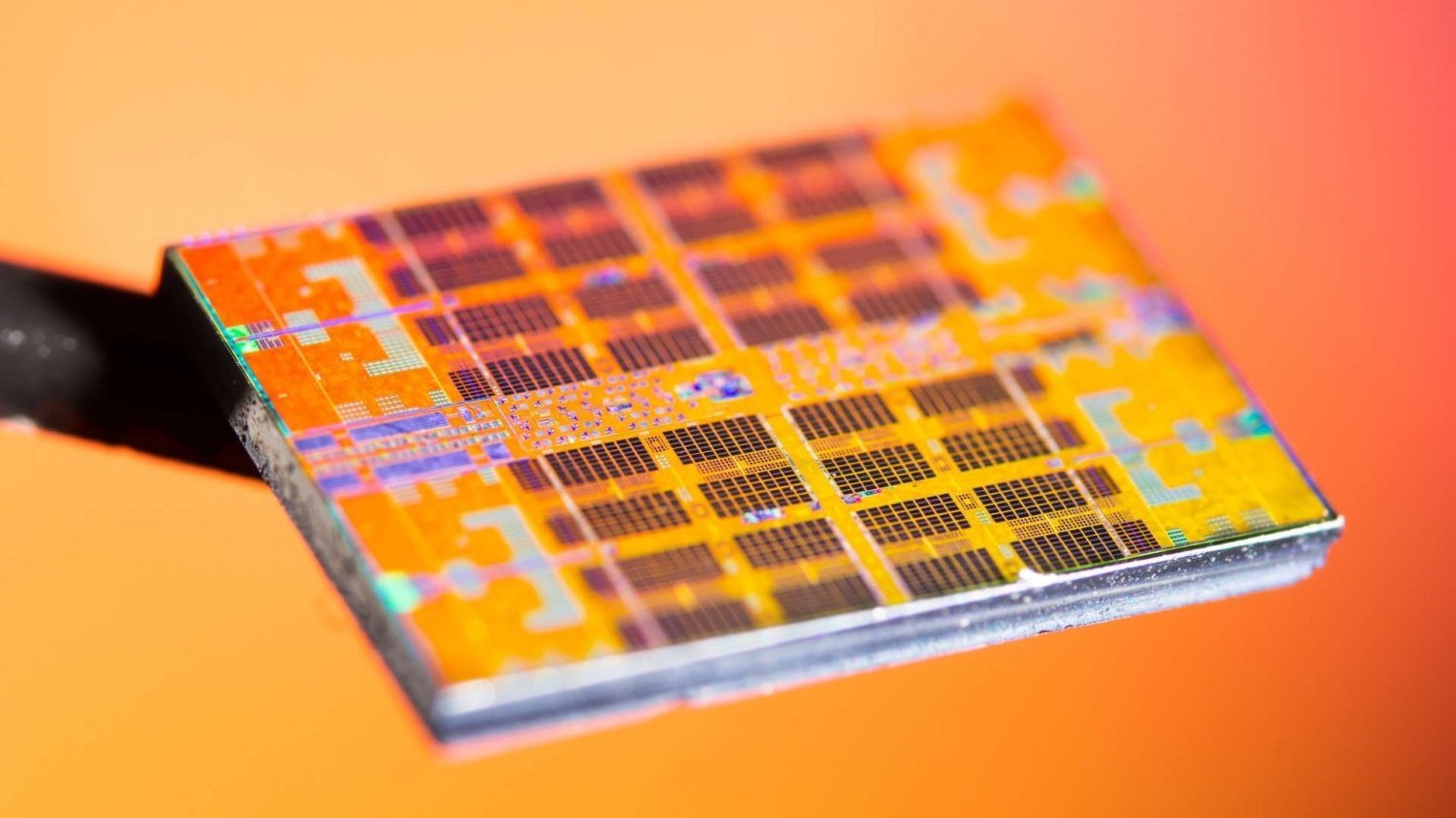
Overcoming Thermal Constraints in Smartphone SoCs
The performance of smartphone chipsets is hindered by heat dissipation, and while TSMC’s 2nm process is expected to introduce efficiency improvements, the complexity and size of these SoCs require new packaging to break through the performance ceiling.
However, the reality is that 3D packaging offers too many drawbacks for adoption in this sector, and firms like TSMC and Huawei are instead focusing on improving manufacturing processes to overcome thermal constraints.
This approach allows them to analyse and refine their existing techniques, leading to better performance and power efficiency without the need for radical changes.
By doing so, they can deliver improved smartphone performance without the risks associated with 3D packaging, making their products more attractive to consumers.
The thermal constraints of smartphone SoCs are a significant challenge, but by improving manufacturing processes, companies like TSMC and Huawei can unlock their full potential and provide users with enhanced mobile experiences.
As the demand for more powerful and efficient smartphones continues to grow, the importance of effective thermal management will only increase, making the development of innovative manufacturing processes a crucial aspect of the industry.
The use of advanced materials and techniques will be essential in overcoming these challenges, and companies that invest in research and development will be well-placed to capitalize on the growing demand for high-performance smartphones.
Furthermore, the improvement of manufacturing processes will also enable the production of more complex and sophisticated SoCs, which will be essential for the development of emerging technologies like artificial intelligence and the Internet of Things.
In conclusion, the focus on improving manufacturing processes is a sensible approach for companies like TSMC and Huawei, allowing them to deliver better performance and power efficiency without the risks associated with 3D packaging.
As the industry continues to evolve, it will be interesting to see how these companies balance the need for improved performance with the challenges of thermal management, and how their approaches will shape the future of smartphone technology.
The future of smartphone SoCs is likely to be shaped by the development of innovative manufacturing processes, and companies that invest in this area will be well-placed to capitalize on the growing demand for high-performance mobile devices.
With the importance of thermal management only set to increase, the development of effective cooling systems will become a critical aspect of smartphone design, and companies that can deliver improved performance and power efficiency will be at the forefront of the industry.
Ultimately, the key to unlocking the full potential of smartphone SoCs lies in the development of innovative manufacturing processes, and companies like TSMC and Huawei are taking a sensible approach by focusing on this area.
By doing so, they can deliver improved performance, power efficiency, and thermal management, making their products more attractive to consumers and establishing themselves as leaders in the industry.