Today’s Budget: what time does UK Budget start — full schedule

Full timing and key moments for the UK Budget
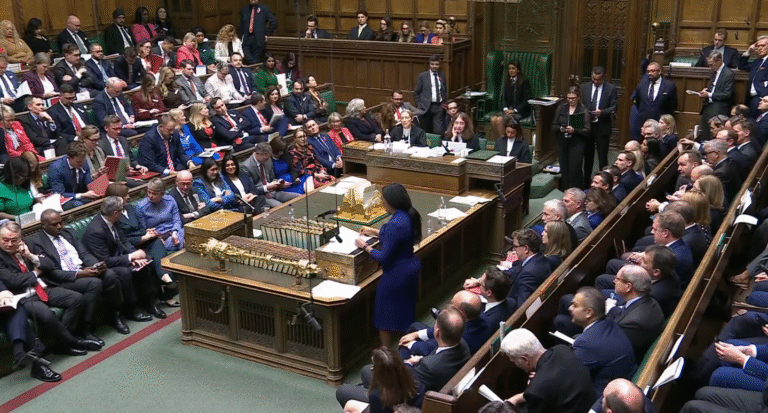
The UK is set for one of its most closely watched political and economic events of the year as the 2025 Budget takes place in Westminster. Chancellor Rachel Reeves will deliver the statement in the House of Commons, outlining tax measures, public spending decisions and updated economic forecasts. The day follows established parliamentary procedure, and viewers across the country will be tuning in to see how the announcements could affect their finances.
The schedule begins with Prime Minister’s Questions, which takes place at midday as usual. MPs gather for the session before the chamber transitions directly into Budget proceedings. Once PMQs concludes, final preparations are made in the Commons as the chancellor readies the red box and Treasury officials coordinate the release of supporting documents later in the day.
The Budget speech is scheduled to start at around 12:30pm, a longstanding tradition that positions the announcement at the centre of the parliamentary day. The chancellor’s address typically lasts about an hour, though the exact duration can vary depending on the volume of measures included. During this time, Reeves will outline tax decisions, spending plans and the government’s assessment of the economic outlook.
Once the main speech concludes, MPs will begin a short period of immediate reaction within the chamber. This includes procedural steps such as the moving of motions that allow specific tax changes to take effect from 6pm on the same day. These motions, known as provisional collection of taxes measures, ensure adjustments to duties and other announced changes can legally begin without delay.
Following this, the Treasury publishes the full set of Budget papers, including the red book. These documents provide detailed breakdowns of policy costings, departmental allocations and the fiscal outlook. The papers also include updated forecasts from the Office for Budget Responsibility, which provides independent analysis of the government’s tax and spending plans.
Live coverage will be available across broadcast channels, with the parliamentary feed showing the full statement from the Commons. Major news networks are expected to provide continuous reporting, expert commentary and real-time analysis of the measures. Digital platforms will also carry the statement, offering options for viewers watching on laptops, tablets and mobile devices.
A four-day parliamentary debate on the Budget typically follows the announcement. Each day focuses on a particular sector such as health, education, defence or the economy. MPs from all parties will discuss the impact of the measures and scrutinise the government’s priorities. The second day of debate usually features the principal response from the opposition’s lead finance spokesperson.
The legislative process that enacts the Budget measures begins shortly after these debates. The Finance Bill is introduced to Parliament, setting out the tax changes in full legal detail. The bill then passes through the standard stages of scrutiny in both Houses, allowing committees and MPs to examine the technical implications of every proposal before it becomes law.
Markets often react during and after the Budget presentation as investors process the government’s decisions. Movements in gilt yields, the pound and shares can reflect broader confidence in the fiscal direction taken. Analysts will be watching closely this year, given the backdrop of borrowing pressures and tighter fiscal conditions.
For households and businesses, the Budget timetable provides a clear structure for when key information becomes available. With the speech at 12:30pm, initial measures known by early afternoon, and full documents released shortly after, the day allows the public to understand the direction of tax policy and public services before the evening. As always, the lasting impact of the Budget will become clearer in the days and weeks that follow.