
Why 2026 needs a rescue
The smartphone landscape this year has felt like a marathon of price hikes and modest upgrades. A global RAM shortage pushed component costs higher, and the big players responded by inflating prices on both new launches and existing models. Consumers have been left with devices that cost more but offer only incremental improvements, making the year feel stagnant.
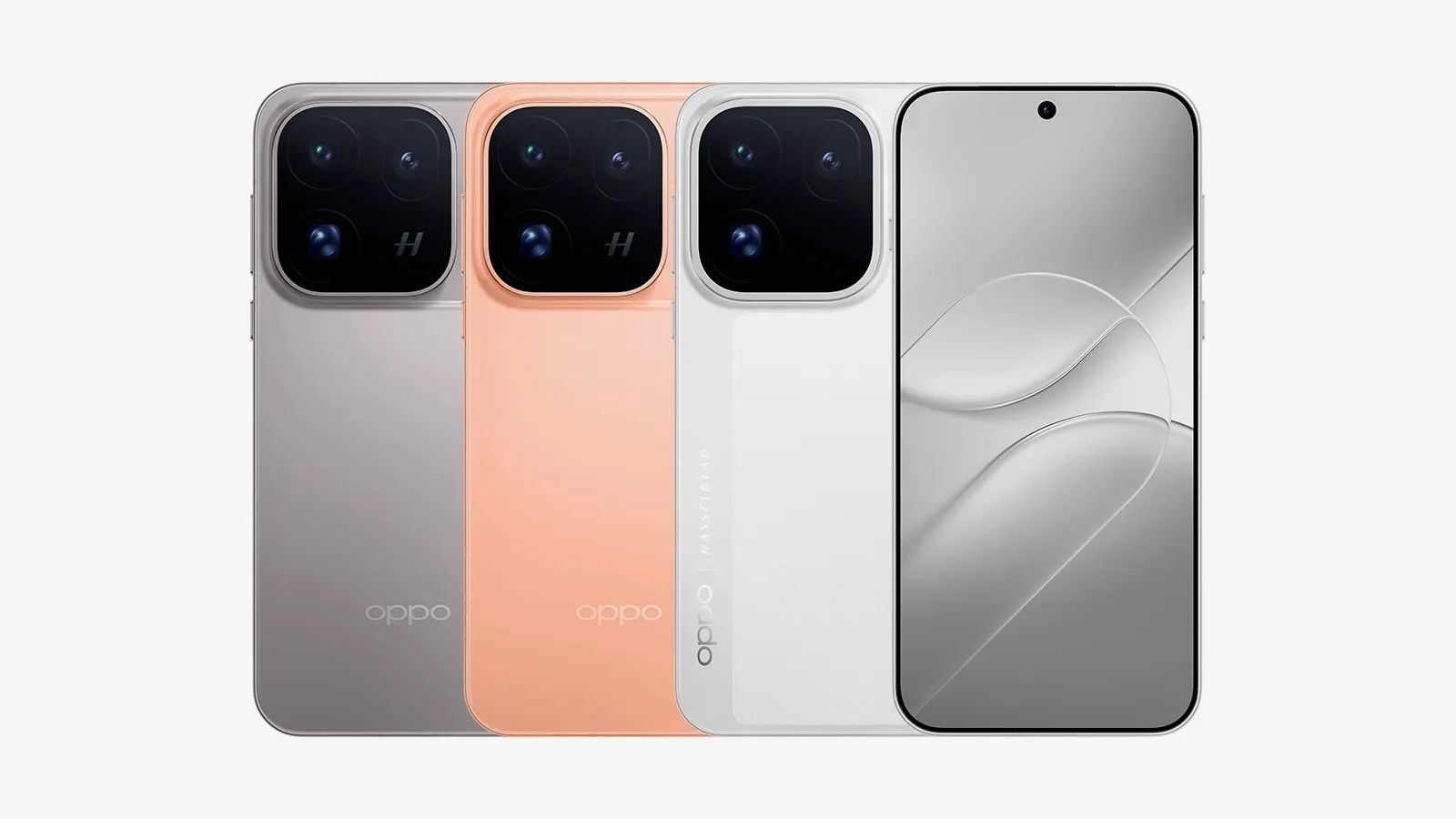
Oppo Find X10 and Find X10 Pro Max
Oppo, a BBK sibling of OnePlus, is stepping into the global spotlight with the Find X10 series. The phones debuted in China and will arrive worldwide on 21 October. The Pro Max variant sports a triple 200Mp rear camera setup – a wide sensor, a 3x periscope telephoto and an ultrawide lens – aiming to dethrone the Find X9 Ultra as the top camera phone. Performance is backed by a flagship chipset, a 120Hz AMOLED display and a massive 7150mAh battery that should keep the device alive through two days of heavy use. Pricing remains a question, but the specs suggest a serious alternative to the more established Western brands.
Motorola Signature 27
Motorola is shedding its budget‑friendly image with the upcoming Signature 27. Announced in September and expected before year end, the handset will be powered by the new Snapdragon 8 Elite Extreme Gen 6, delivering peak performance and sustained speed thanks to an enlarged cooling system that is 40 percent bigger than the previous Signature model. Camera upgrades include a 50Mp main sensor and a 200Mp periscope telephoto lens, narrowing the gap with rivals. Running a light‑touch version of Android 17 and promising seven years of updates, the Signature 27 could become a flagship contender if its price aligns with consumer expectations.
Xiaomi 18 Pro and 18 Pro Max
Xiaomi is aligning its naming with Apple by jumping straight to the 18 series. Both the 18 Pro and the 18 Pro Max will launch globally before the end of 2026. Their most eye‑catching feature is a secondary display that sits beside the camera module, offering selfie previews, quick notifications and glanceable information. While some may view it as a gimmick, it adds a fresh visual element to an otherwise uniform market. Under the hood, the Pro uses the Snapdragon 8 Elite Gen 6, while the Pro Max receives the Extreme variant. Both phones house large silicon‑carbon batteries with 100W fast charging, and they share 200Mp main and telephoto lenses that could challenge Oppo’s camera leadership.
How these phones could change the narrative
All three manufacturers are targeting the same pain points that have plagued 2026: high prices, lackluster camera performance and insufficient battery life. By offering cutting‑edge sensors, powerful processors and sizable batteries, the Oppo Find X10 Pro Max, Motorola Signature 27 and Xiaomi 18 Pro line‑up provide genuine reasons for consumers to stay excited about flagship phones. If pricing is competitive, these devices could restore confidence in premium smartphones and give the year a much‑needed climax.
Looking ahead
The upcoming releases demonstrate that innovation is still possible even in a constrained supply chain. Whether you prefer Oppo’s camera‑centric approach, Motorola’s balanced performance package or Xiaomi’s experimental secondary screen, the 2026 smartphone market now has three strong candidates to end the year on a high note.