Thousands of Airbus jets grounded for urgent software update
Airlines Move Quickly After Airbus Issues Critical Safety Notice
Airlines across several regions have taken immediate action after Airbus instructed operators to ground thousands of aircraft for an urgent software update. The decision followed an internal safety review that identified a flaw requiring prompt correction to avoid potential operational issues. While no incidents have been reported, the manufacturer said the update must be applied before further flights resume.
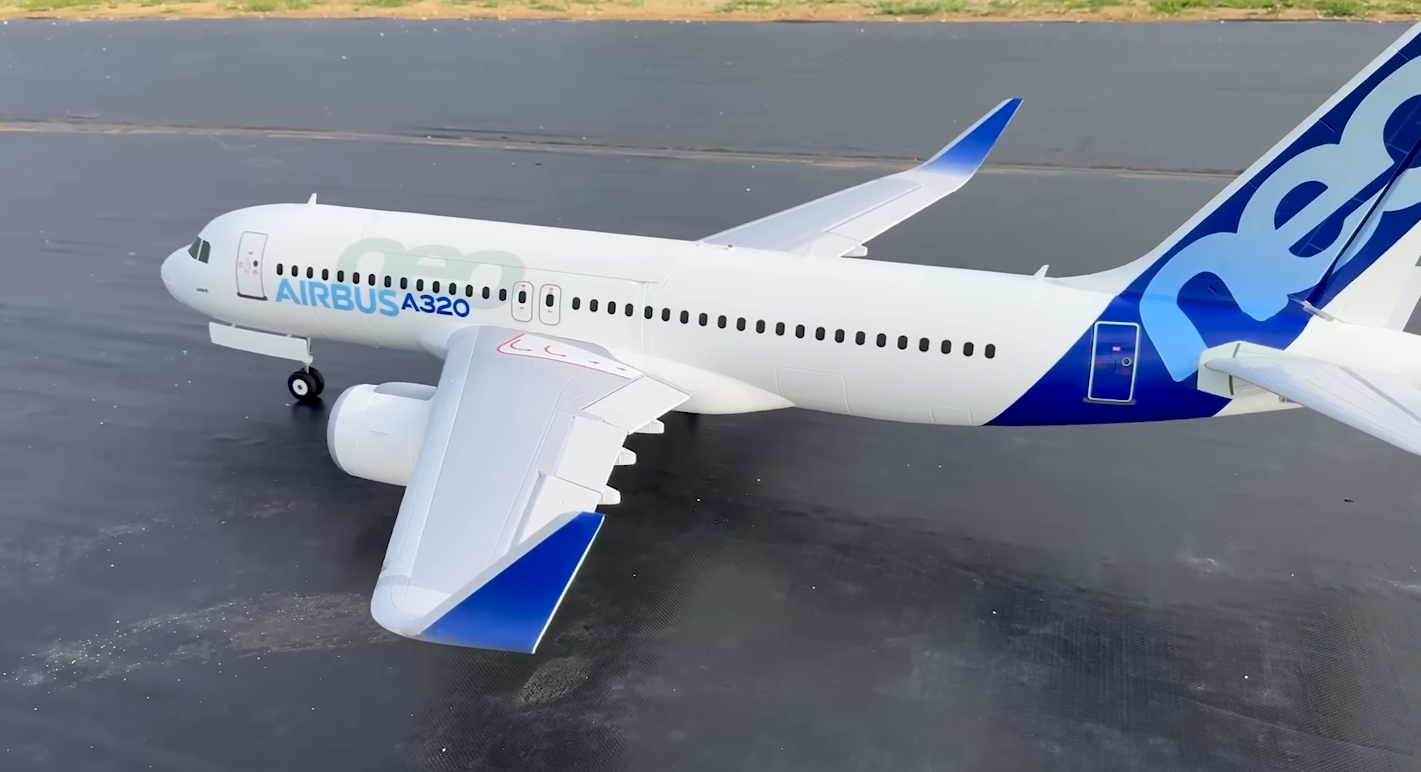
The temporary grounding primarily affects A320-family jets, which make up a large share of short-haul fleets in Europe and beyond. Carriers were told to follow a strict update timetable, with engineers already working through aircraft in rotation. Many airlines confirmed that the disruption should remain limited, with most jets expected back in service within hours of receiving the patch.
Airbus explained that the software issue relates to a flight-control system component that must be recalibrated to ensure full compliance with safety standards. The company emphasised that the measure is precautionary and aimed at maintaining the highest levels of reliability. Regulators have been kept informed and are monitoring operators’ responses.

Several UK and European airlines said they were adjusting schedules to avoid cancellations where possible. Most disruptions were concentrated in early-morning services as aircraft were cycled through maintenance bases. Passengers were advised to check for updates, though industry sources suggested the majority of flights would operate as planned by the end of the day.
Airline maintenance teams have been working extended shifts to complete the update, which is delivered directly through certified ground systems. Engineers described the fix as straightforward but time-sensitive, requiring a full verification process before jets can return to service. This verification stage is a key part of the safety protocol outlined by Airbus.
Aviation analysts noted that such rapid-response directives, while uncommon, are not unprecedented when manufacturers identify risks within critical systems. Acting quickly helps prevent more serious operational challenges and reassures travellers that safety remains the industry’s top concern. The coordinated action also reflects lessons learned from previous global aviation incidents.
Airbus stated that the affected software version will be fully replaced across all fleets within days, with most aircraft expected to be updated sooner. Airlines operating large A320 fleets prioritised aircraft based on utilisation patterns, ensuring key domestic and European routes remain covered. Industry bodies welcomed the transparency shown throughout the process.
UK aviation authorities said they were closely aligned with their European counterparts during the review period. They confirmed that UK-registered aircraft had already begun receiving the update and that oversight teams were checking compliance. Officials reiterated that there was no evidence of immediate danger but stressed the importance of following manufacturer instructions.
As aircraft return to service, airlines are focusing on minimising knock-on delays and ensuring crew schedules remain stable. Early data suggests operations should normalise quickly, with only isolated delays expected. Many carriers stated that passengers will be rebooked automatically if changes occur.
The episode highlights how modern aircraft depend on highly integrated digital systems that require rigorous oversight. It also shows how swiftly the aviation sector can mobilise when a critical update is needed. With the patch now being deployed at speed, airlines expect full reliability to be restored shortly, keeping safety at the centre of every step.