Tesla’s Optimus Robot: Separating Fact from Fiction
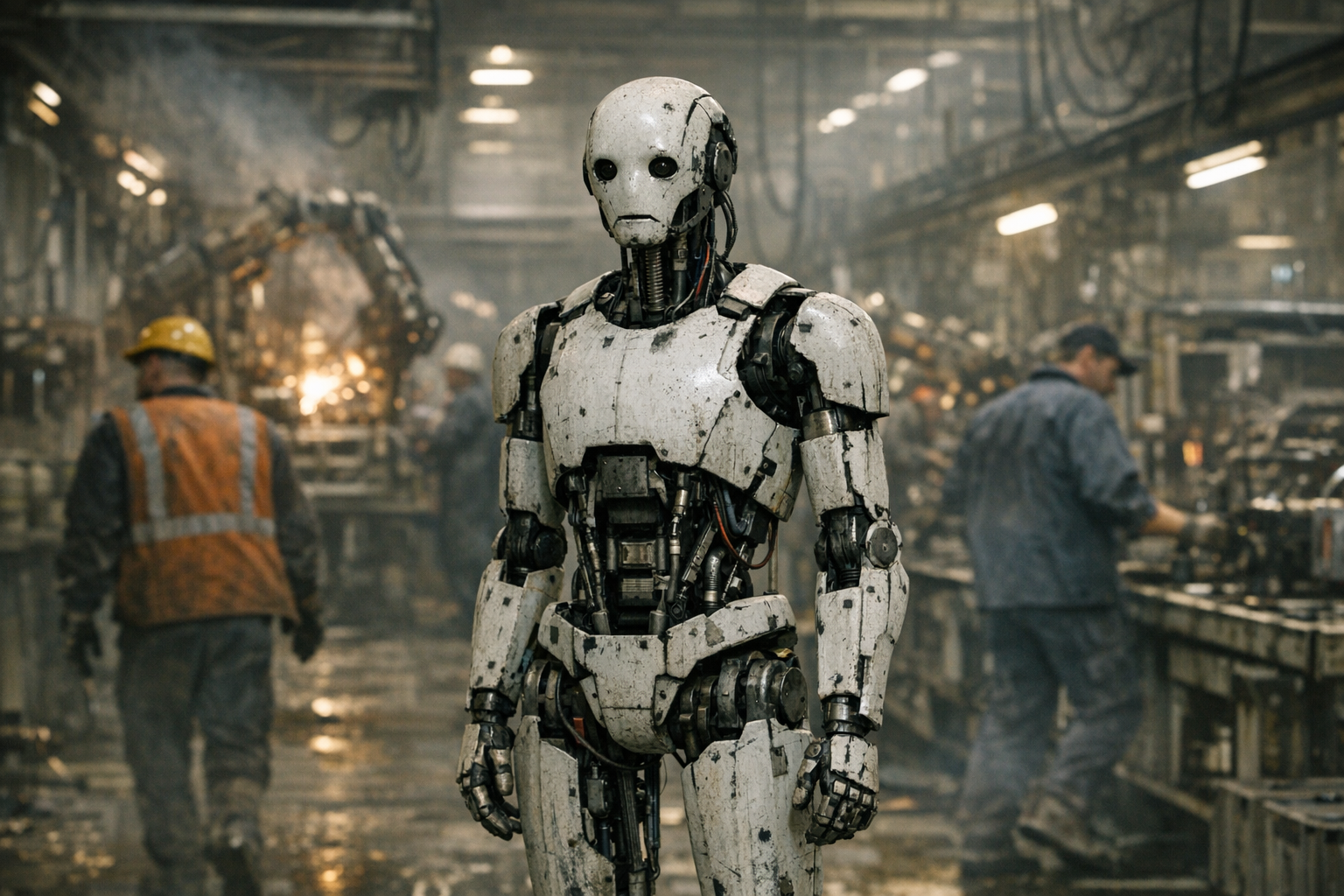
Tesla’s Optimus Robot: A Reality Check
Recent revelations have cast doubt on the true capabilities of Tesla’s Optimus robot. Contrary to Elon Musk’s claims, the robot is not yet operational in the company’s factories. Instead, it is undergoing training, sparking concerns about the project’s progress.
The news emerged during Tesla’s latest earnings call, where the company’s executives provided a more nuanced view of the robot’s development. It appears that the Optimus robot is still in its infancy, and significant technical hurdles need to be overcome before it can be deployed in production environments.
Elon Musk’s tendency to overhype his company’s innovations has led to accusations of dishonesty. The Optimus robot debacle serves as a reminder that even the most ambitious projects can be plagued by setbacks and unrealistic expectations. As the automotive and tech industries continue to evolve, it is essential to separate fact from fiction and analyse the true potential of emerging technologies.
The Optimus robot’s development is a complex process that requires careful planning, testing, and refinement. While Tesla’s vision for a humanoid robot is intriguing, the company must be more transparent about its progress and challenges. By doing so, Tesla can rebuild trust with its investors, customers, and the wider public.
The implications of the Optimus robot’s delayed development are far-reaching. The project’s success or failure will have a significant impact on the future of automation, artificial intelligence, and the automotive industry as a whole. As the world waits with bated breath for the Optimus robot’s eventual release, one thing is certain – the road to innovation is rarely straightforward, and even the most visionary leaders can face unexpected obstacles.
As the dust settles on the Optimus robot controversy, it is clear that Tesla’s behaviour has raised more questions than answers. The company’s decision to exaggerate the robot’s capabilities has damaged its reputation and eroded trust with its stakeholders. To restore its credibility, Tesla must adopt a more transparent and realistic approach to its innovations, acknowledging the challenges and uncertainties inherent in the development process.
The Optimus robot’s story serves as a cautionary tale about the dangers of overhyping emerging technologies. As the tech industry continues to push the boundaries of innovation, it is essential to maintain a critical and nuanced perspective, recognising both the potential benefits and the potential pitfalls of new developments. By doing so, we can foster a more informed and balanced discussion about the future of technology and its impact on our lives.
In conclusion, the Optimus robot’s development is a complex and ongoing process that requires careful consideration and critical evaluation. While Tesla’s vision for a humanoid robot is captivating, the company’s behaviour has undermined its credibility and raised concerns about the project’s viability. As we look to the future, it is crucial to separate fact from fiction, analyse the evidence, and maintain a realistic perspective on the potential of emerging technologies.