Tesla Introduces Controversial Monthly Fees for Existing Autopilot Features: A New Era in Driver-Assistance Systems?
Tesla’s Autopilot System: A New Era in Driver-Assistance
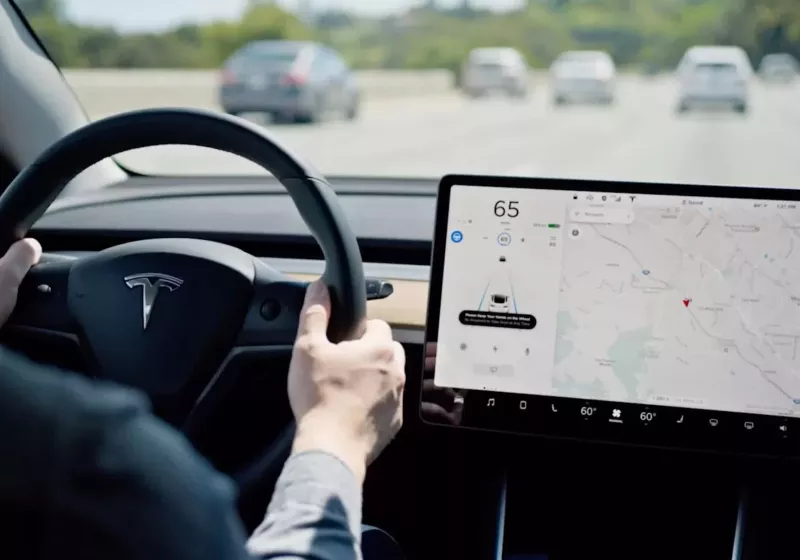
For over a decade, Autopilot has been Tesla’s flagship driver-assistance system, offering a suite of features that enhance safety and convenience on the road. At its core, Autopilot combines Traffic Aware Cruise Control, which maintains a safe speed and following distance, with Autosteer, a sophisticated technology that reads lane markings and makes precise steering corrections to keep the vehicle centered.
This innovative system has been a hallmark of Tesla’s commitment to innovation and customer experience. However, in a surprising move, the company has announced that it will begin charging drivers a monthly fee for access to these existing features. This decision has sparked intense debate among Tesla owners and enthusiasts, with many questioning the rationale behind this new pricing strategy.
As the automotive industry continues to evolve, it is likely that we will see more companies adopt similar models, where features and services are offered on a subscription basis. This shift towards a more service-oriented approach raises important questions about the future of car ownership and the role of technology in shaping our driving behaviour.
Moreover, the introduction of monthly fees for Autopilot features has significant implications for Tesla’s business model and its relationship with customers. As the company navigates this new landscape, it will be crucial to strike a balance between innovation, affordability, and customer satisfaction. By analysing the responses of Tesla owners and the wider automotive community, we can gain a deeper understanding of the potential impact of this decision and what it might mean for the future of driver-assistance systems.
The controversy surrounding Tesla’s monthly fees for Autopilot features serves as a reminder that the automotive industry is on the cusp of a significant transformation. As we move towards a more connected, autonomous, and service-oriented future, it is essential to consider the implications of these changes on our driving habits, our relationship with technology, and the overall colour of the automotive landscape.
Ultimately, the success of Tesla’s new pricing strategy will depend on its ability to demonstrate the value and benefits of its Autopilot system to customers. By providing a seamless, intuitive, and safe driving experience, the company can justify the additional cost and reinforce its position as a leader in the electric vehicle market. As we look to the future, it will be fascinating to see how Tesla’s approach evolves and how it will influence the broader automotive industry.
The announcement has also sparked a wider debate about the role of technology in shaping our driving behaviour and the potential risks associated with relying on autonomous systems. As we become increasingly reliant on these systems, it is crucial to consider the potential consequences of a malfunction or error, and the need for ongoing education and awareness about the capabilities and limitations of driver-assistance technologies.
In conclusion, the introduction of monthly fees for Autopilot features marks a significant shift in Tesla’s approach to driver-assistance systems. As the company navigates this new landscape, it will be essential to balance innovation, affordability, and customer satisfaction. By analysing the responses of Tesla owners and the wider automotive community, we can gain a deeper understanding of the potential impact of this decision and what it might mean for the future of the automotive industry.
As the automotive industry continues to evolve, it is likely that we will see more companies adopt similar models, where features and services are offered on a subscription basis. This shift towards a more service-oriented approach raises important questions about the future of car ownership and the role of technology in shaping our driving behaviour. The future of driver-assistance systems is likely to be shaped by a combination of technological innovation, changing consumer behaviour, and evolving regulatory frameworks.
The controversy surrounding Tesla’s monthly fees for Autopilot features serves as a reminder that the automotive industry is on the cusp of a significant transformation. As we move towards a more connected, autonomous, and service-oriented future, it is essential to consider the implications of these changes on our driving habits, our relationship with technology, and the overall colour of the automotive landscape. By examining the potential benefits and drawbacks of this new approach, we can gain a deeper understanding of the potential impact on the industry and the wider community.
Furthermore, the introduction of monthly fees for Autopilot features has significant implications for Tesla’s business model and its relationship with customers. As the company navigates this new landscape, it will be crucial to strike a balance between innovation, affordability, and customer satisfaction. By analysing the responses of Tesla owners and the wider automotive community, we can gain a deeper understanding of the potential impact of this decision and what it might mean for the future of driver-assistance systems.
In the end, the success of Tesla’s new pricing strategy will depend on its ability to demonstrate the value and benefits of its Autopilot system to customers. By providing a seamless, intuitive, and safe driving experience, the company can justify the additional cost and reinforce its position as a leader in the electric vehicle market. As we look to the future, it will be fascinating to see how Tesla’s approach evolves and how it will influence the broader automotive industry. With the rise of autonomous vehicles and advanced driver-assistance systems, the future of driving is likely to be shaped by a combination of technological innovation, changing consumer behaviour, and evolving regulatory frameworks.