Storm Marta Wreaks Havoc on Crops in Spain and Portugal
Storm Marta’s Devastating Impact on European Agriculture
Storm Marta has brought catastrophic damage to crops in Spain and Portugal, leaving farmers reeling from the destruction. The severe weather has resulted in significant losses, with many crops being destroyed or severely damaged. This has raised concerns about the long-term effects on the agricultural industry. The storm’s impact is being felt across the region.
The storm’s strong winds and heavy rainfall have caused widespread damage to crops, including olives, grapes, and other fruits and vegetables. The damage is expected to have a significant impact on the local economy, with many farmers relying on these crops for their livelihood. The storm’s aftermath is being closely monitored by agricultural experts. They are working to assess the full extent of the damage and provide support to affected farmers.
The Spanish and Portuguese governments have announced plans to provide financial assistance to farmers affected by the storm. This move is aimed at helping them recover from the losses and get back on their feet. The agricultural industry is a significant contributor to the economies of both countries, and the governments are keen to support it. The storm’s impact on the industry is being closely watched by economists and agricultural experts.
As the region begins to recover from the storm, farmers are working to salvage what is left of their crops. They are also looking to the future, with many considering new strategies to mitigate the effects of extreme weather events. This includes investing in crop insurance and implementing more resilient farming practices. The storm has highlighted the need for sustainable farming practices and the importance of being prepared for extreme weather events.
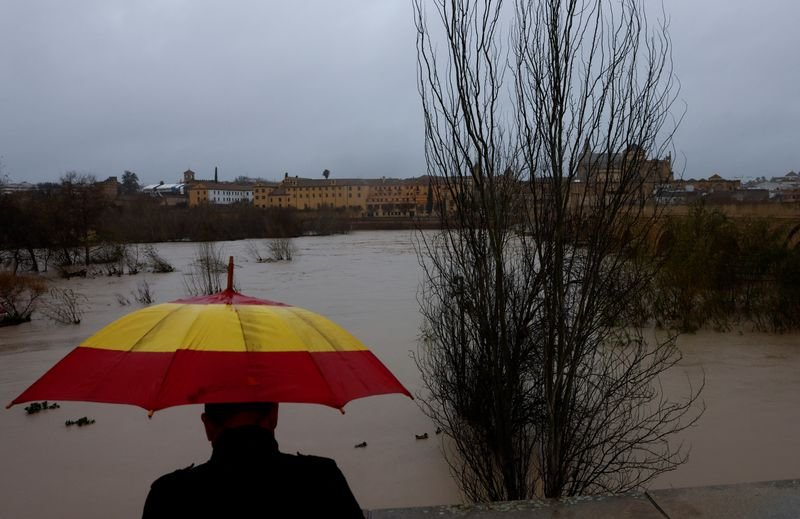
The impact of Storm Marta on the environment is also being assessed. The storm’s strong winds and heavy rainfall have caused significant erosion and flooding in some areas. This has raised concerns about the long-term effects on the region’s ecosystem. The storm’s aftermath is being closely monitored by environmental experts, who are working to assess the full extent of the damage and provide support to affected communities.
The storm has also highlighted the importance of climate resilience and the need for communities to be prepared for extreme weather events. This includes investing in infrastructure and implementing measures to mitigate the effects of storms and other natural disasters. The Spanish and Portuguese governments have announced plans to increase funding for climate resilience initiatives, including flood protection measures and early warning systems.
The agricultural industry is a significant sector in both Spain and Portugal, and the storm’s impact on the industry is being closely watched by economists and agricultural experts. The storm has raised concerns about the long-term effects on the industry and the potential for future extreme weather events. The industry is working to recover from the storm, with many farmers considering new strategies to mitigate the effects of extreme weather events.
In conclusion, Storm Marta has had a devastating impact on crops in Spain and Portugal, resulting in significant losses for farmers and the agricultural industry. The storm’s aftermath is being closely monitored by agricultural experts, who are working to assess the full extent of the damage and provide support to affected farmers. The storm has highlighted the need for sustainable farming practices and the importance of being prepared for extreme weather events.