POCO F8 Pro camera review: ultra-wide & telephoto results explained
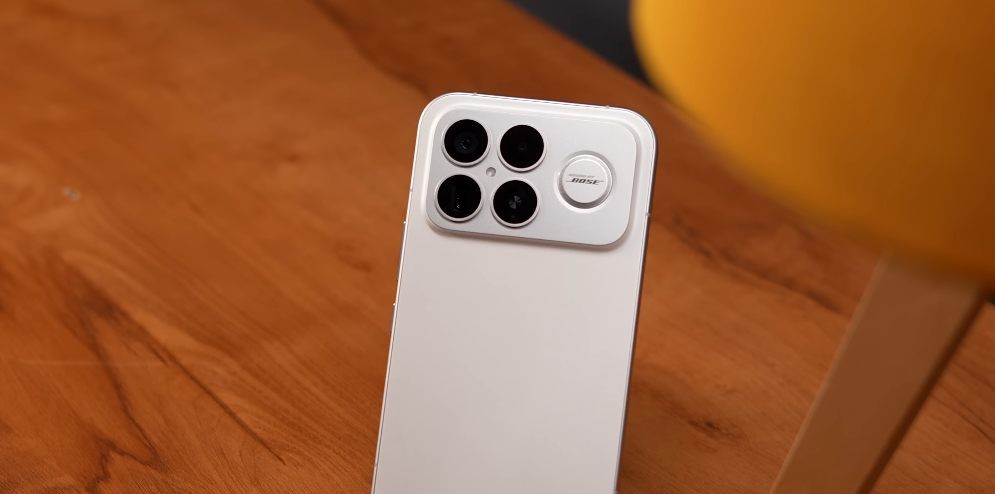
How well the POCO F8 Pro handles wide scenes and zoom photography
The POCO F8 Pro arrives with a camera setup designed to offer flexibility at a competitive price point, and two of its most important supporting lenses are the ultra-wide and the telephoto. While the main camera tends to get most of the attention, these two lenses shape how well the phone performs in more specific shooting scenarios. Understanding their strengths and limitations helps you get a clearer sense of what this camera system can realistically deliver.
The ultra-wide lens on the POCO F8 Pro is built for capturing expansive landscapes, large group photos, indoor spaces and dramatic outdoor scenes. In bright daylight, it performs reliably, offering a wide field of view and delivering natural-looking images with good colour consistency. The distortion correction works well enough to prevent the extreme fisheye effect found on older or cheaper ultra-wide cameras, and this makes the shots look more balanced and usable straight out of the phone.
However, the ultra-wide lens shows its limitations when lighting conditions begin to drop. Because it uses a smaller and less capable sensor than the main camera, detail levels fall more quickly in moderate or low light. Shadow areas can appear softer, and noise becomes more noticeable. Even in well-lit indoor settings, you may see slight softness at the edges or reduced clarity compared to the main lens. This is expected in this price category, but it does mean the lens is best used when there’s plenty of natural light.
The telephoto lens is a more valuable addition, giving the POCO F8 Pro an optical zoom advantage over many mid-tier competitors that rely entirely on digital zoom. The optical zoom helps preserve sharpness and texture, especially at short zoom ranges like 2× or 2.5×, allowing you to capture subjects that are a bit further away without cropping quality. In good lighting, the telephoto lens produces images with solid detail, making it ideal for portraits, street scenes and situations where you can’t physically move closer.
Despite this, the telephoto lens still has inherent limitations. Its zoom level is moderate compared to flagship phones that offer longer-range optical or periscope zoom systems. When you push beyond its optical range, digital zoom steps in, which leads to softer details and more visible grain. Low light is another challenge for this lens, as telephoto sensors usually let in less light, resulting in darker or noisier images when used at night or indoors without strong illumination.
Together, the ultra-wide and telephoto lenses help the POCO F8 Pro offer a versatile shooting experience. The ultra-wide excels in bright outdoor environments where you want to capture more of the scene, and the telephoto provides meaningful zoom flexibility for everyday photography. Neither lens is designed to compete with ultra-premium flagships, but both perform well within the phone’s category and price expectations.
To get the most out of the ultra-wide lens, it’s best to use it in strong lighting and avoid scenes that rely heavily on fine detail or low-light clarity. For indoor shots, stepping closer to windows or turning on additional lights can improve results. With the telephoto lens, sticking to the optical zoom range gives the best image quality, while avoiding high zoom levels in low light keeps noise under control.
Overall, the POCO F8 Pro’s ultra-wide and telephoto cameras provide practical support for users who enjoy varied photography without needing the absolute highest-end features. The ultra-wide is ideal for travel and creative compositions, while the telephoto adds important versatility for portraits and medium-distance subjects. When paired with the strong main sensor, the camera system becomes a well-rounded package that meets the needs of most everyday photographers.