
PC Gaming Under Siege: Dell and Lenovo Price Hikes Set to Hit UK Hardware Market
=
The Looming Storm: Dell and Lenovo Set to Drive Up PC Hardware Costs
The news emerging from the tech world is sending ripples of concern through the communities of both casual PC users and dedicated gamers across the United Kingdom. Reports suggest that computing giants Dell and Lenovo are poised to implement significant price increases across their range of PC hardware in the near future, a move that could profoundly impact the affordability and accessibility of personal computing. This development follows a trend observed with other manufacturers and hints at a challenging period ahead for consumers looking to purchase or upgrade their systems.
These impending price adjustments are not occurring in isolation but are symptomatic of a broader set of global economic and logistical pressures. The ongoing worldwide semiconductor shortage continues to be a primary driver, limiting the availability of crucial components needed for everything from processors to graphics cards. This scarcity naturally pushes up manufacturing costs, which companies like Dell and Lenovo are increasingly forced to pass on to their end consumers to maintain profit margins.
Furthermore, the past few years have seen unprecedented disruptions to global supply chains, affecting everything from raw material acquisition to shipping and logistics. Increased fuel costs, labour shortages, and port congestion all contribute to a higher overall cost of bringing products to market. These cumulative pressures make it incredibly difficult for manufacturers to absorb rising expenses, especially when demand for PC hardware, particularly in the gaming sector, remains robust.
For the UK gaming community, this news is particularly disheartening. PC gaming already represents a significant financial investment, with high-performance graphics cards, processors, and peripherals often costing hundreds, if not thousands, of pounds. Any further increases from major manufacturers like Dell and Lenovo, who supply a vast proportion of pre-built systems and components, will inevitably raise the barrier to entry even higher for aspiring gamers and make essential upgrades considerably more expensive for existing enthusiasts.
This situation could lead to a noticeable shift in consumer behaviour. Some gamers might defer upgrades, choosing to make do with older hardware for longer periods, thus impacting the refresh cycle of the PC gaming market. Others might be forced to compromise on specifications, opting for less powerful or older generation components, which could hinder their gaming experience and the adoption of new technologies that demand higher performance.
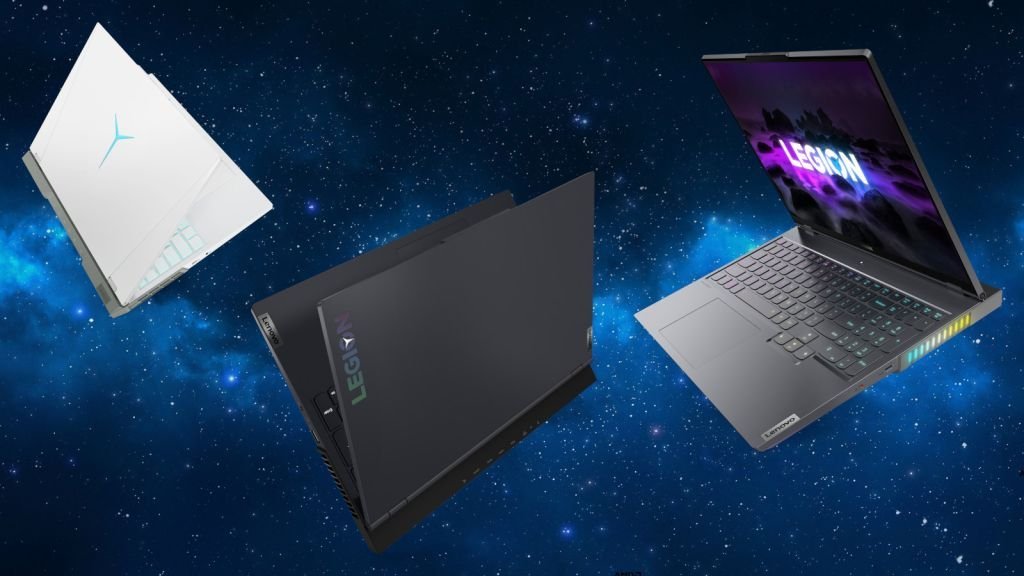
The ramifications extend beyond just individual component purchases. Pre-built gaming PCs from Dell (Alienware) and Lenovo (Legion) are popular choices for many who prefer a ready-to-use solution without the complexities of self-assembly. If the prices of these systems rise sharply, consumers might start looking at alternative platforms, such as dedicated gaming consoles, which often offer a more predictable and sometimes more cost-effective gaming experience, particularly at launch.
Moreover, the secondary market for PC hardware could also see a ripple effect. As new components become more expensive, the value of used graphics cards, CPUs, and memory modules might stabilise or even increase, creating both opportunities and challenges. While sellers might benefit, those looking for more affordable second-hand upgrades could still face inflated prices due to reduced availability of new, budget-friendly options.
This economic climate also impacts everyday PC users, not just gamers. Students, professionals working from home, and businesses rely heavily on affordable and reliable computing solutions. Price hikes from such prominent manufacturers could burden households and small enterprises, forcing them to delay necessary equipment purchases or settle for less capable machines, potentially affecting productivity and digital inclusion.
Looking ahead, the market conditions suggest that these elevated prices may not be a temporary anomaly. While supply chain issues might eventually ease, the underlying inflationary pressures and the high demand for advanced silicon could keep hardware costs high for the foreseeable future. Consumers are advised to carefully consider their purchasing decisions, weigh the necessity of immediate upgrades, and explore all available options before committing to significant investments.
In essence, the reported price increases from Dell and Lenovo are more than just a minor adjustment; they are a clear indicator of the intensifying economic pressures facing the entire technology sector. For UK PC users and, most acutely, for the vibrant PC gaming community, this news marks the beginning of a potentially difficult chapter, necessitating careful planning and adaptation in a rapidly evolving market landscape. The future of affordable high-performance computing hangs in the balance.
Also Read: Dell 14 Plus 2 in 1 leaks generate buzz among Australian laptop users