Paramount’s Surprise Move: Why This Streaming Battle Spells Trouble for UK Viewers
The Looming Shadow of Streaming Consolidation
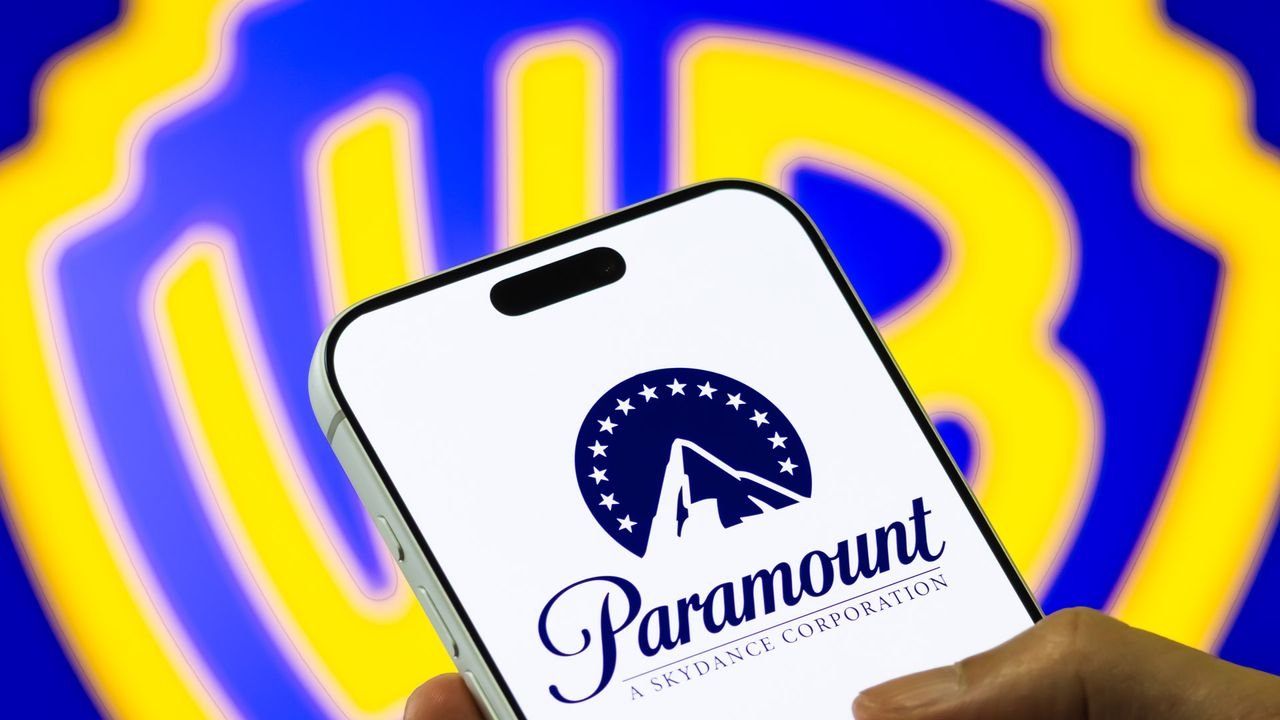
Just as the rumour mill suggested Netflix was poised to acquire Warner Bros., a move that would have sent seismic waves through the entertainment industry, Paramount has unexpectedly entered the fray. This sudden intervention has undoubtedly complicated what many presumed to be a straightforward negotiation.
The prospect of such a monumental deal, whether it involved Netflix or now Paramount, highlights the relentless and increasingly aggressive nature of the ongoing streaming wars. Major media conglomerates are fiercely vying for dominance, with their vast content libraries serving as the primary battleground.
For consumers, particularly those of us in the United Kingdom, these high-stakes corporate manoeuvres often bring more questions than answers. While the initial excitement of exclusive content might seem appealing, the long-term implications for our viewing habits and wallets are rarely positive.
A Netflix-Warner Bros. amalgamation, for instance, would have seen an unprecedented consolidation of beloved franchises under one roof. Imagine the entire DC Comics universe, Harry Potter, and classic Warner Bros. films sitting alongside Netflix’s extensive original programming slate.
However, Paramount’s eleventh-hour interest complicates this picture significantly, injecting a new layer of uncertainty into the media landscape. Their potential acquisition or partnership could reshape the competitive balance in unpredictable ways, creating a more intricate web of content ownership.
This aggressive jostling for major studios isn’t just about owning intellectual property; it’s profoundly about controlling market share and, ultimately, dictating consumer choice. Each successful acquisition subtly reduces the number of independent content providers, fostering a more consolidated industry.
From a subscriber’s perspective, this trend towards fewer, larger players frequently results in diminished benefits. Competition is ideally meant to drive innovation and lower prices, yet in the streaming world, the opposite often seems true as services constantly seek new ways to retain subscribers.
We’ve already witnessed a significant fragmentation of content, where must-see shows and films are scattered across numerous platforms. This forces viewers to subscribe to multiple services, leading to a cumulative monthly cost that easily surpasses traditional cable packages.
Should Paramount succeed in acquiring Warner Bros., or even just disrupt the Netflix deal, it would likely exacerbate this fragmentation further. Iconic titles could become exclusive to yet another platform, demanding a separate subscription to access them all.
The immediate outcome of such high-profile corporate contests is rarely a win for the average viewer. Instead, we are often left navigating a more complex and expensive ecosystem, constantly weighing up which subscription is truly worth the investment for a handful of desirable programmes.
Furthermore, these mega-deals raise legitimate concerns about creative diversity and independence within the industry. When a mere handful of dominant players control a vast majority of the production and distribution channels, there is a distinct risk that unique, niche content may struggle significantly to find a platform.
The strategic focus often shifts heavily towards established franchises and broadly appealing content, which are generally seen as safer investments for large corporations. This potentially stifles the emergence of fresh voices and truly innovative storytelling, impacting the overall quality and variety available to us all.
Consider the profound impact on licensing agreements across the board. Smaller streaming services and independent broadcasters could find it increasingly difficult, or even prohibitively expensive, to license popular content as it becomes effectively locked behind the exclusive walls of major studio-owned platforms.
This ultimately creates an intense content arms race, where companies are evidently willing to spend astronomical sums to secure exclusive rights. Inevitably, they pass these monumental costs directly onto the consumer through higher subscription fees; it’s a vicious cycle with no obvious advantage for the end-user.
The initial promise of unlimited entertainment at our fingertips is slowly being eroded by the harsh reality of siloed content and ever-increasing monthly bills. What once felt like a truly liberating alternative to traditional television now often feels like a series of unavoidable financial commitments.
Paramount’s move, therefore, while undeniably thrilling from a business news perspective, casts a rather long and concerning shadow over the future of streaming. It signifies a further tightening of the market, potentially leading to fewer viable options and less consumer-friendly practices across the board.
For those of us in the UK, already contending with a diverse variety of regional and global streaming services, another major consolidation would only add to the existing complexity. It could mean more difficult choices about which services to prioritise and, regrettably, which beloved shows to forego entirely.
Ultimately, whether the victor is Netflix or Paramount, the overarching trend of media giants acquiring vast swathes of content does not appear to serve the best interests of the public. Instead, it seems to be a purely strategic play for market dominance, with consumers inevitably bearing the brunt of the consequences.
It’s increasingly clear that the so-called “streaming wars” are not, in fact, being fought for our benefit or enjoyment. They are an intense commercial battle, and regrettably, it often feels as though the viewer is the most significant casualty in this ongoing corporate struggle for supremacy and control.
Also Read: Self-Healing IT: How Agentic AI is Revolutionising Business Resilience in the UK