Samsung Galaxy Watch8 Classic USA Pricing Compared to Other Regions

Samsung Galaxy Watch8 Classic USA Pricing Compared to Other Regions

How USA Pricing Stacks Up Globally for the Galaxy Watch8 Classic

The Samsung Galaxy Watch8 Classic carries a premium price tag in the US, especially for the stainless steel, rotating bezel model. Buyers pay more if they want LTE, but the Bluetooth-only variant already places it among the more expensive smartwatches out there. Given that, it helps to see how those prices compare in other countries, where taxes, import costs, and local markups make a big difference.

In the United States, the Galaxy Watch8 Classic launches around $499 for the Bluetooth version, and about $549 for the LTE model. These are base prices before any trade-in programs or promos that might push the cost down for certain customers or through special offers.

Samsung Galaxy Watch8 Classic USA Pricing Compared

In India, the same model is significantly more expensive once converted. The Bluetooth version is priced around ₹46,999, and the LTE version is about ₹50,999. Even with favorable exchange rates, that works out to well over the US price once you factor in duties, taxes, and import markups. Also, promotional offers or bank cash-backs sometimes reduce the effective cost, but only for a limited time.

In Europe, pricing is also higher in general. The Watch8 Classic is listed at around €579.99 in many markets, which includes local VAT and sometimes other fees. That means what looks like a modest price difference on paper actually includes far more hidden costs (tax, import, local compliance) than in the US.

The discrepancies largely come from how taxes are handled. In the US, sales tax is added at purchase rather than included in the sticker price, and it varies by state. In other regions, the listed price already wraps in VAT or GST, import duties, and other fees, pushing up the visible price.

Also important: currency fluctuations, trade policies, shipping, regional warranties, and local dealer pricing all contribute. Even in markets where Samsung offers launch discounts, the net cost after taxes often ends up higher than the base US price.

In summary, while the US isn’t always the cheapest place globally, for the Galaxy Watch8 Classic it tends to be significantly more affordable than many international markets once you factor in all additional costs. If someone is buying globally, these differences can add up to a substantial amount.

Samsung Galaxy Watch8 Classic USA Price for All Variants Detailed

Samsung Galaxy Watch8 Classic USA Price for All Variants Detailed

Samsung Galaxy Watch8 Classic Pricing in the USA

The Samsung Galaxy Watch8 Classic is available in the United States in a single 46mm size, with options for Bluetooth-only and LTE connectivity. Prices vary depending on the retailer and any applicable promotions.

At Samsung’s official store, the Galaxy Watch8 Classic starts at $499.99 for the Bluetooth-only model and $519.99 for the LTE version. Customers can also receive up to $250 in trade-in credits or a $30 discount without trade-in.

Best Buy offers the Bluetooth model at $469.99, providing a $100 promotional e-gift card with purchase. Enhanced trade-in credits are also available, reducing the cost further.

Samsung Galaxy Watch8 Classic USA Price for All Variant

Verizon lists the Galaxy Watch8 Classic at a full retail price of $549.99. Customers can opt for a monthly payment plan starting at $15.27 per month for 36 months.

T-Mobile offers the Bluetooth model at $499.99, with an additional $50 for the LTE version. Customers can also choose installment plans.

Amazon lists the Galaxy Watch8 Classic at $499.99, with occasional discounts and promotions.

Overall, the Samsung Galaxy Watch8 Classic is priced competitively across various retailers, with opportunities for discounts through trade-ins and promotional offers. Customers are encouraged to compare prices and consider available deals to find the best value.

Samsung Galaxy Watch8 Classic Accessories Already Selling Out in USA

Samsung Galaxy Watch8 Classic Accessories Already Selling Out in USA

Galaxy Watch8 Classic Accessories in High Demand Across the US

The Samsung Galaxy Watch8 Classic is proving popular, and its accessories are quickly selling out across the United States. Fans and early adopters are snapping up bands, cases, and protective gear as soon as they hit the shelves.

Samsung’s official store has seen high demand for the Athleisure and Sport Bands, which offer a variety of colors and styles. Many sizes and color options are already running low, leaving some customers waiting for restocks.

Samsung Galaxy Watch8 Classic Accessories Already Selling Out

Third-party accessory makers are also struggling to keep up. Kits that include bumper cases, bezel rings, and screen protectors have become especially hard to find. These items are designed to protect and enhance the watch, making them highly sought after.

Retailers like Best Buy and Amazon are experiencing fast sellouts, amplified by promotional offers such as gift cards with purchases. These deals have encouraged more buyers to complete their orders quickly.

Potential buyers are advised to act fast to secure these accessories. Checking multiple retailers and keeping an eye on restocks may increase the chances of getting the desired items.

The surge in popularity of the Galaxy Watch8 Classic has made its accessories scarce. Consumers looking to personalize or protect their watches should consider purchasing sooner rather than later to avoid disappointment.

Samsung Galaxy Watch8 Classic Compared to Older Models in USA

Samsung Galaxy Watch8 Classic Compared to Older Models in USA

How the Galaxy Watch8 Classic Stacks Up Against Previous Models

The Samsung Galaxy Watch8 Classic has launched with several upgrades that set it apart from older models like the Galaxy Watch7, Watch6 Classic, and Watch5 Pro. These improvements help users decide which watch fits their lifestyle and budget.

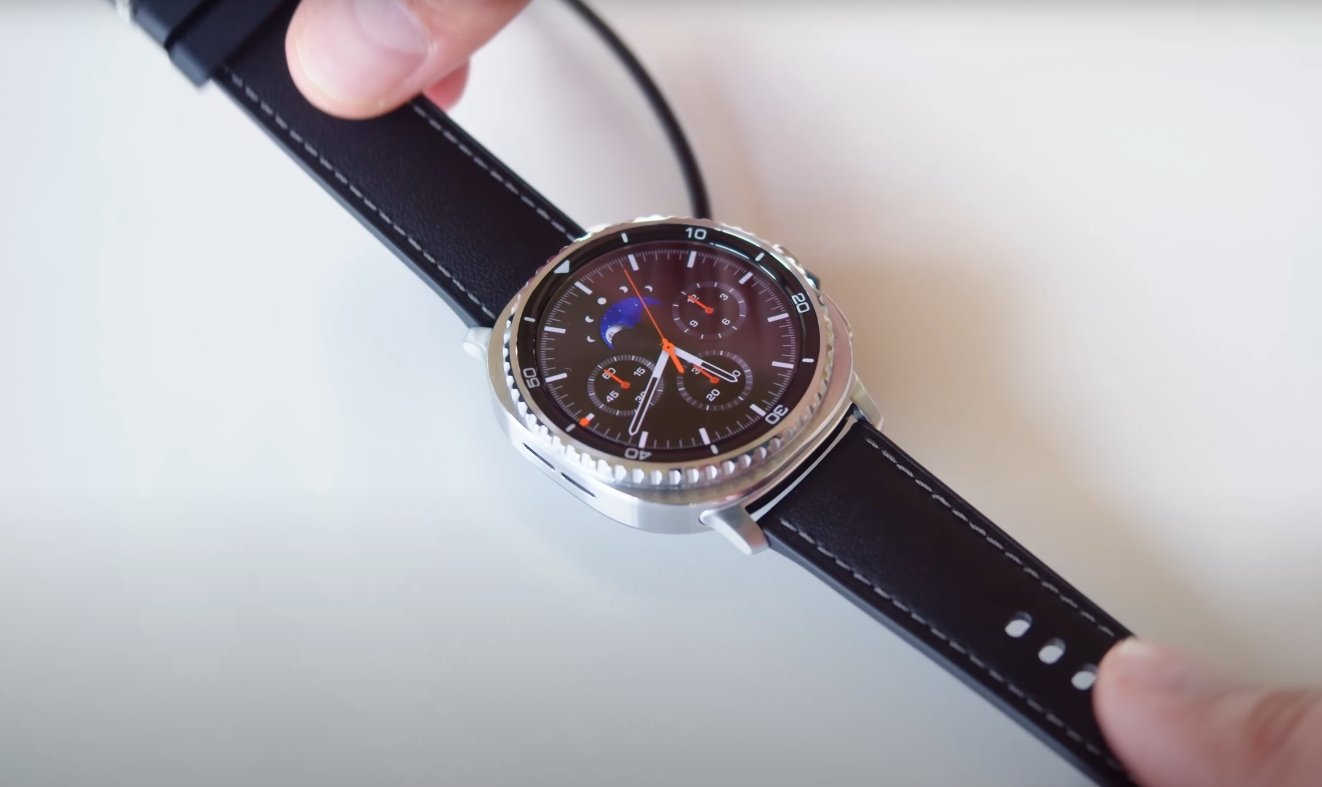
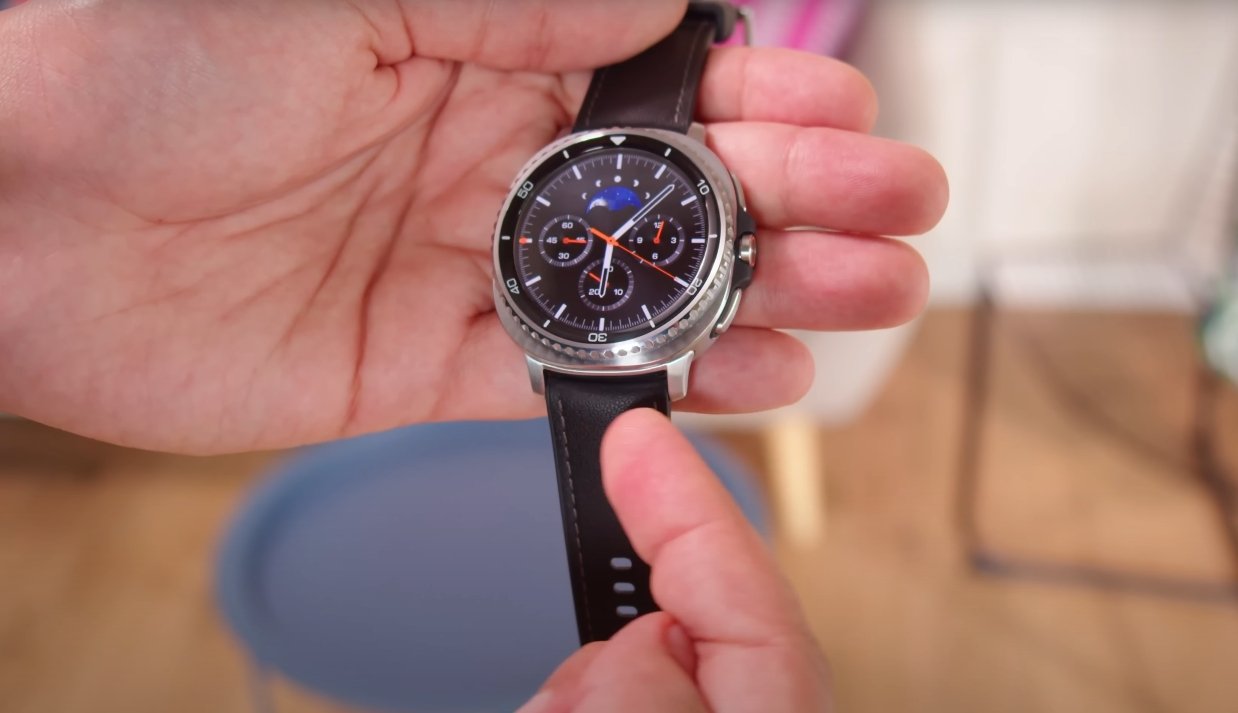
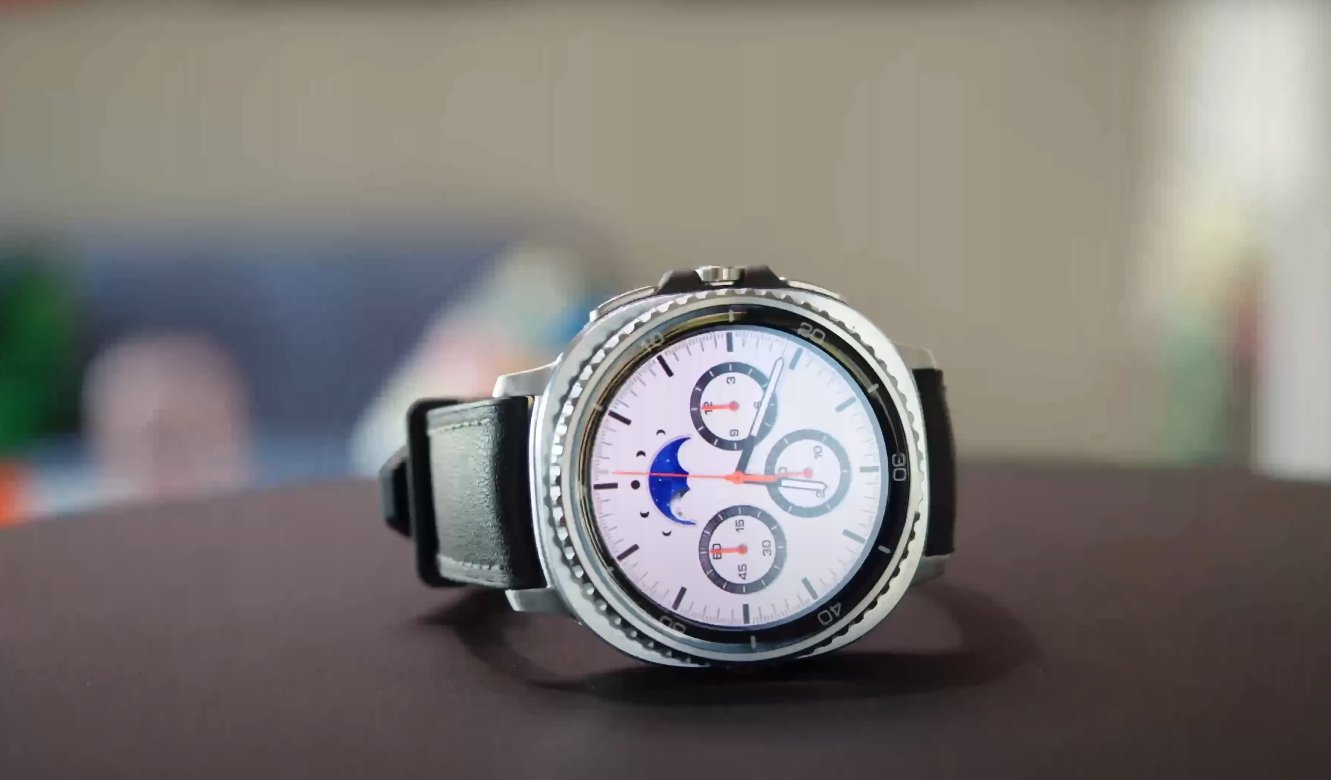
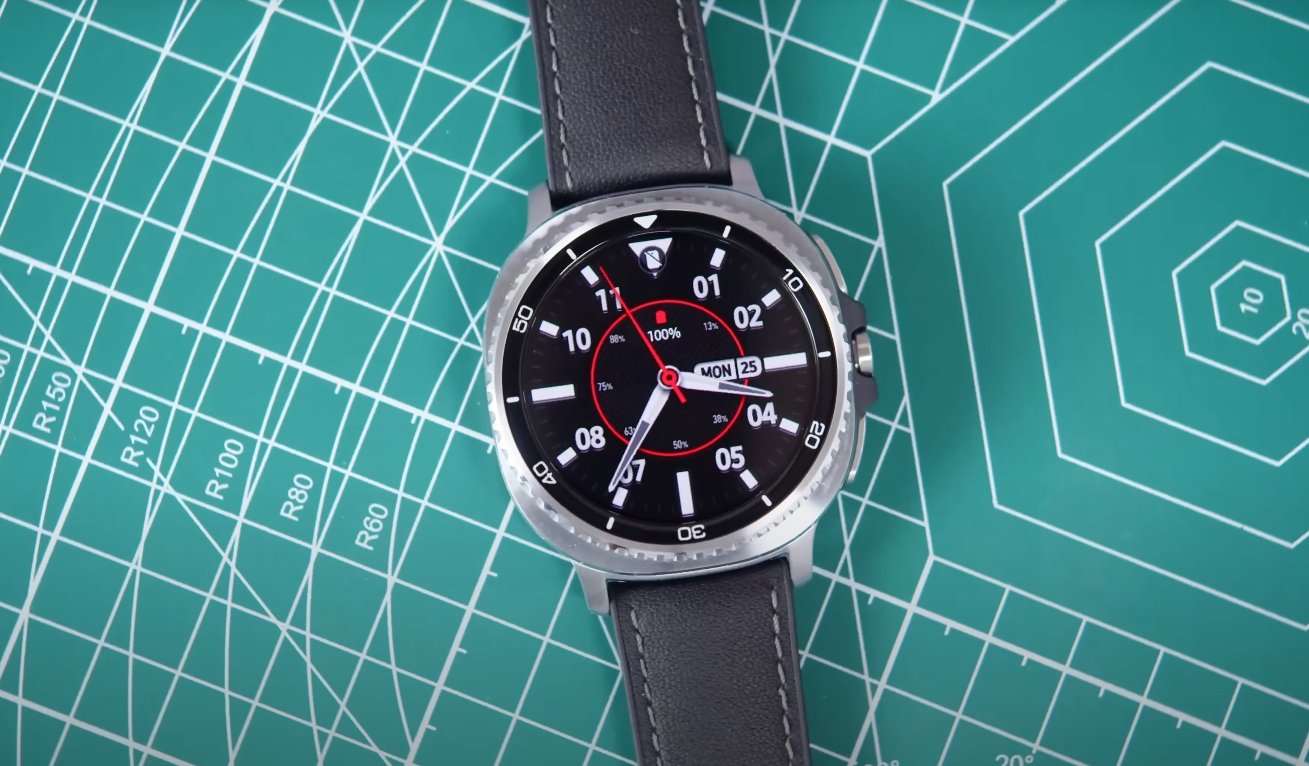
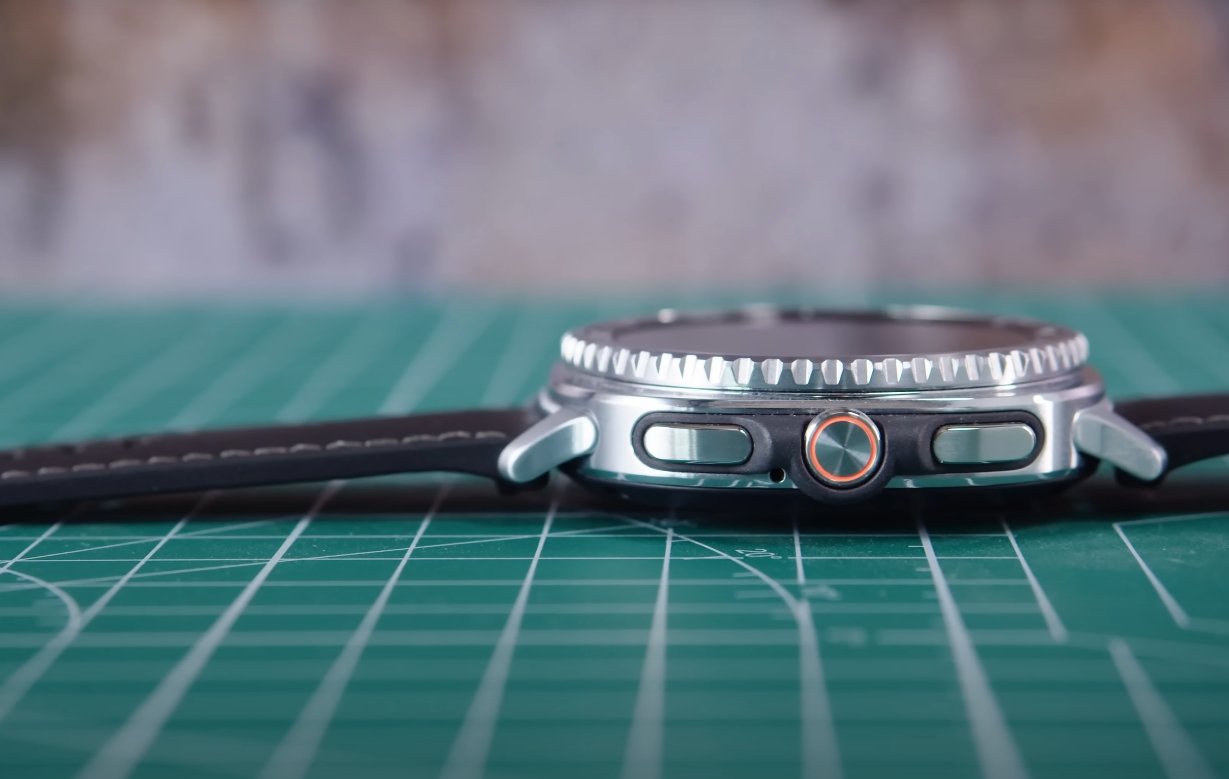
The Watch8 Classic features a slimmer 8.6mm case and reintroduces the beloved rotating bezel. It also adds a third customizable button, making navigation and controls easier compared to the bulkier older models.

The display has been enhanced with a peak brightness of 3,000 nits, making it much easier to read under direct sunlight. Previous models, such as the Watch7, had lower brightness levels, which could struggle outdoors.

Samsung Galaxy Watch8 Classic Compared to Older Models

Health tracking has been expanded with new metrics, including an Antioxidant Index and cardiovascular load monitor. While older watches offered solid tracking, these additional features give the Watch8 Classic an edge in monitoring overall wellness.

Battery life is slightly improved, offering up to 30 hours per charge, compared to around 24 hours on the Watch7. This allows users to go longer between charges, which is useful for active lifestyles.

Software upgrades also stand out. The Watch8 Classic includes enhanced AI-driven voice assistance for smarter commands and automation. Older models don’t have this built-in feature, though some may receive updates over time.

Overall, the Galaxy Watch8 Classic delivers improvements in design, display, health tracking, battery life, and software. While older models remain capable, the new features make the Watch8 Classic a compelling choice for those looking for the latest technology in a smartwatch.

Samsung Galaxy Watch8 Classic Official USA Launch Highlights

Samsung Galaxy Watch8 Classic Official USA Launch Highlights

Key Highlights from the Watch8 Classic’s USA Debut

Samsung’s Galaxy Watch8 Classic brings back several fan-favorite features with upgrades that address style, performance, and wellness. The USA launch is centered around blending classic design with modern tech improvements. Here are the standout elements that define its arrival.

The Watch8 Classic revives the iconic rotating bezel, giving users tactile control that many had missed. Along with that, there’s a new Quick Button added to the side for launching apps, tracking workouts, or accessing favorite features more quickly. The build is bold: a 46mm stainless steel case with a “cushion design” that echoes the style cues of the Ultra line, and bands that snap on securely while maintaining comfort.

Samsung Galaxy Watch8 Classic Official USA

Display improvements are major. The watch features a Super AMOLED panel that reaches high brightness levels—making it much more usable outdoors under bright light. The screen is protected with sapphire crystal, giving durability and scratch resistance. The size and clarity ensure notifications, health metrics, and watch faces are easily seen without squinting.

Under the hood, the hardware is upgraded. The Watch8 Classic uses a 3nm processor that gives better efficiency and smoother performance. Memory is 2GB of RAM paired with 64GB storage—enough space for apps, music, and watch faces. Battery capacity hits around 445mAh, helping the watch last through regular usage with health sensors, notifications, and display features.

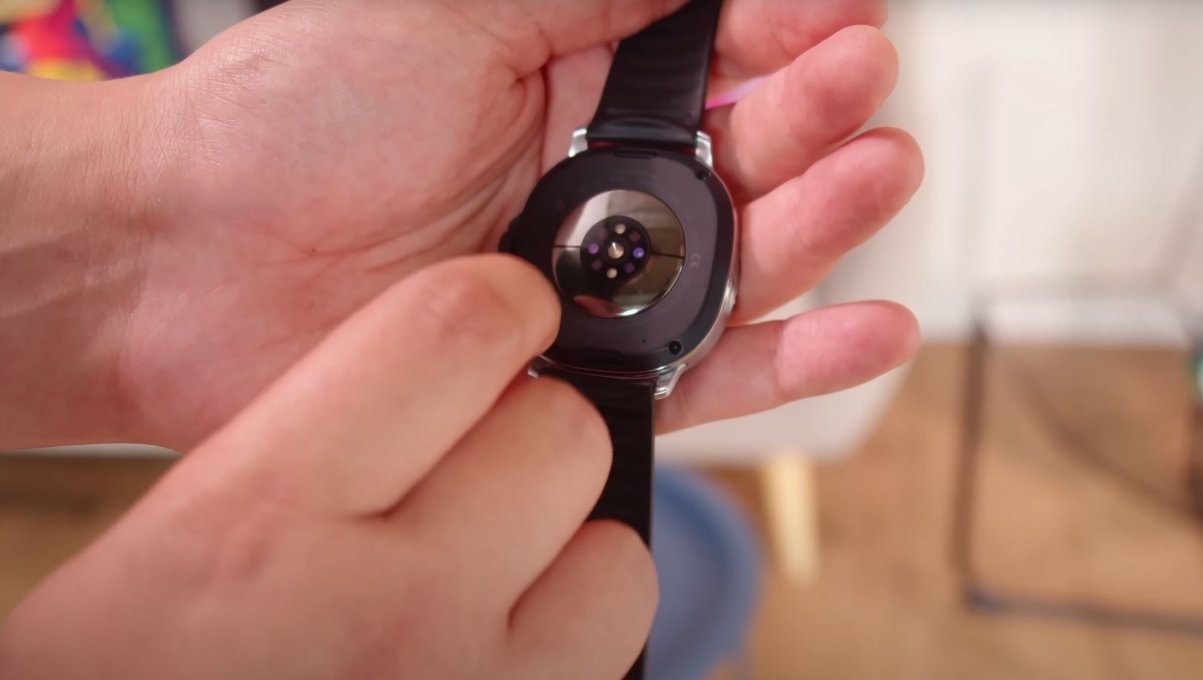
Wellness and AI features get a big boost. New tools like the Antioxidant Index let users measure internal health markers; Bedtime Guidance helps with sleep schedules; Vascular Load gives insight into stress on cardiovascular health during rest. The watch also includes better GPS tracking, improved sensors, and updated software (Wear OS 6 with Samsung’s One UI overlay) that adds smarter, more responsive health features.

The USA pricing is set competitively. The Bluetooth-only version starts at around $499.99 for the 46mm model. There are both Bluetooth and LTE variants, and trade-in offers available at launch. Color options include Black and White, and there are different band styles to personalize the look.

Overall, the Samsung Galaxy Watch8 Classic makes a strong impression with its blend of style, legacy features, and enhanced health tools. For buyers in the USA, it offers clear reasons to upgrade: the tactile bezel return, brighter and tougher display, health insights, and modern internals—wrapped in a design that feels premium out of the box.

Samsung Galaxy Watch8 Classic Battery Life Tested in the USA

Samsung Galaxy Watch8 Classic Battery Life Tested in the USA

Real-World Battery Performance for USA Buyers

The Samsung Galaxy Watch8 Classic has been tested extensively, and the results show that its battery life is dependable for most users. With its 445mAh battery, the watch is designed to last through a busy day and beyond. Many early users in the USA report getting close to two full days of use on a single charge under normal conditions.

When the always-on display is disabled and notifications are kept to a minimum, the watch can stretch toward 40 hours of use. This makes it possible to wear it for sleep tracking, wake up the next day, and still have enough charge left to make it through part of the second day before recharging.

Turning on the always-on display does shorten battery life, bringing it closer to 30 to 32 hours for most people. Heavy users who track multiple workouts, run GPS continuously, and keep health sensors active may need to charge daily, but the watch still manages to get through a full day before dropping to low power.

Samsung Galaxy Watch8 Classic Battery Life Tested

Charging speeds are respectable, taking around an hour and twenty minutes to go from empty to full. Even a quick 15-minute top-up can give enough power to get through the rest of a day or a night of sleep tracking. This makes it convenient for those who prefer to wear the watch nearly 24/7.

The improved efficiency of the Exynos W1000 chipset contributes to better endurance compared to older Samsung smartwatches. Users switching from previous models notice that the Watch8 Classic drains more slowly during workouts and high-brightness usage, making it more practical for active lifestyles.

Overall, the battery life is strong enough for most USA buyers and is one of the watch’s better features. While not a multi-day powerhouse like some simpler fitness trackers, it strikes a good balance between performance, bright display quality, and reliable endurance for everyday use.

Samsung Galaxy Watch8 Classic USA Preorders Selling Out Fast

Samsung Galaxy Watch8 Classic USA Preorders Selling Out Fast

Why Preorders for the Watch8 Classic Are Disappearing Quickly

Preorders for the Galaxy Watch8 Classic in the USA are reportedly moving very fast. Demand seems high for certain variants, and many buyers are finding their preferred colors or models already showing “out of stock” or delayed shipping dates just hours into preorder launch.

One key driver is the $499 price for the base Bluetooth 46mm version. That pricing, coupled with trade-in offers and bonus credits from retailers, appears to have triggered rush buying. Buyers who want LTE versions or special colors are especially hit hard, since those tend to sell out first.

Samsung Galaxy Watch8 Classic USA Preorders Selling

Retailers offering deals—such as gift cards, free bands, or extra trade-in value—are accelerating sales. Deals that bundle accessories or provide credits are persuading shoppers to lock in orders sooner rather than wait, to avoid missing out.

Another factor is limited inventory for popular color or strap combinations. Black, white, or stainless finishes are most demanded, so once those run out, customers are facing much longer wait times or being forced to settle for less popular variants.

Finally, shipment dates for preorder units seem to be pushed back, or stock is marked as “available soon” even after preorder. This suggests supply is constrained, and sellers are already sending notices that orders will ship later than initially promised.

Overall, if you plan to preorder the Watch8 Classic, it’s best to act quickly. Popular models are becoming unavailable fast, and waiting could mean missing out or paying more to get what you want.

Samsung Galaxy Watch8 Classic Price in USA: Full Breakdown for Buyers

Samsung Galaxy Watch8 Classic Price in USA Full Breakdown for Buyers


What Buyers Should Know Before Buying the Watch8 Classic

The Samsung Galaxy Watch8 Classic is priced around $499.99 in the USA for the standard Bluetooth version. This is the base model that offers core features without cellular connectivity.

If you want LTE (cellular) support, you’ll pay more—typically around $549.99. The extra cost is for freedom to make calls and use data without Wi-Fi or a phone.

Additional costs can come from choosing larger or premium designs, like stainless steel cases or luxury bands. These add-ons can push the price up by $50-$150 depending on options.

Samsung Galaxy Watch8 Classic Price in USA

Sales, trade-in offers, and retailer discounts often reduce the price. Watch out for seasonal sales or Samsung promotions where the Watch8 Classic can go for less.

Warranty, shipping, and taxes can also affect what you actually pay. Depending on your state, sales tax may add between 5-10% or more to the purchase price.

If you like, I can pull up current deals in US stores so you can see the lowest available price right now.

Samsung Workers in the UK Demand Fair Treatment

Samsung workers protesting outside a factory in the UK, holding signs that read 'Fair Treatment Now' and '15% Bonus Demand', with a large crowd of supporters in the background, highlighting the growing dissatisfaction among workers and the need for companies to prioritize their employees' well-being and compensation packages, as the UK labour market continues to evolve and workers' rights become increasingly important

Samsung Workers in the UK Threaten 18-Day Strike Over Bonus Dispute

Samsung workers in the UK are threatening an 18-day strike in protest against the company’s perceived penny-pinching ways. The unionized workers are demanding a significant increase in bonuses, citing the company’s substantial profits. The dispute centres around the workers’ claim that they are not being fairly compensated for their contributions to the company’s success.

The workers are seeking 15 percent of the company’s annual operating profit, which amounts to around $30 billion, in bonuses. This demand is seen as a significant increase from previous years and reflects the workers’ growing dissatisfaction with their current compensation package. The strike, if it goes ahead, will be the longest in the company’s history.

The issue at the heart of the dispute is the perceived mismatch between the company’s profits and the workers’ compensation. Samsung has been accused of prioritizing profits over people, with workers feeling that they are not being fairly rewarded for their hard work. The company’s behaviour has been criticized as short-sighted and unfair, with many arguing that it will ultimately damage the company’s reputation and relationships with its employees.

The situation is being closely watched in the UK, where workers’ rights are a major concern. The strike, if it happens, will be seen as a test of the company’s commitment to its employees and its willingness to listen to their concerns. As the dispute continues to escalate, it remains to be seen who will blink first – the company or the workers. The outcome will have significant implications for the future of worker-company relations in the UK.

The use of strikes as a means of resolving disputes is not uncommon in the UK, where workers have a long history of using industrial action to fight for their rights. However, the length and severity of the proposed strike are unusual, even by UK standards. The fact that the workers are demanding such a significant increase in bonuses reflects the depth of their dissatisfaction with the current situation.

As the situation continues to unfold, it is clear that the dispute between Samsung and its workers will have far-reaching consequences. The company’s behaviour will be closely scrutinized, and its response to the workers’ demands will be seen as a test of its commitment to fairness and equality. The workers, on the other hand, will be watching to see if their actions will lead to the changes they are seeking. The outcome will be closely watched in the UK, where workers’ rights are a major concern.

The colour of the company’s profits will not be enough to distract from the issue at hand – the fair treatment of its workers. The company’s behaviour will be analysed, and its response to the workers’ demands will be seen as a reflection of its values and priorities. As the dispute continues, it is clear that the outcome will have significant implications for the future of worker-company relations in the UK.

In conclusion, the dispute between Samsung and its workers is a complex and multifaceted issue. The workers’ demands for fair treatment and increased bonuses are seen as reasonable, given the company’s substantial profits. The company’s response to the workers’ demands will be closely watched, and its behaviour will be scrutinized. The outcome will have significant implications for the future of worker-company relations in the UK, and will be seen as a test of the company’s commitment to fairness and equality.

Samsung’s £3 Billion Mistake: The Birth of Exynos 2600 in the UK

The Exynos 2600 chipset, developed by Samsung, is a significant milestone in the company's pursuit of chipset autonomy in the UK. With its advanced features and improved performance, this chipset is poised to revolutionise the mobile industry. The image shows a close-up of the Exynos 2600, highlighting its cutting-edge technology and innovative design. As Samsung continues to invest in its silicon division, we can expect to see even more exciting developments in the future, further solidifying the company's position in the UK tech market.

Samsung’s Journey to Chipset Autonomy: The Exynos 2600 Story

The Exynos 2600, found in various Galaxy S26 and S26+ models, marks a significant milestone in Samsung’s pursuit of chipset autonomy in the UK. As the company’s first 2nm GAA SoC, it signifies a major shift towards self-reliance. The Korean giant has decided to put its faith in Qualcomm and jumpstart its silicon division to avoid relying on other firms.

This move is largely driven by Samsung’s recent mistakes, which resulted in a staggering $3 billion loss last year. The Exynos 2600 is a direct response to these setbacks, as the company seeks to rectify its behaviour and analyse its mistakes. By doing so, Samsung aims to improve its overall performance and colour its future with success.

The Exynos 2600 is a testament to Samsung’s ability to adapt and evolve in the ever-changing tech landscape of the UK. With its cutting-edge technology and innovative design, this chipset is poised to revolutionise the mobile industry. As Samsung continues to invest in its silicon division, we can expect to see even more exciting developments in the future.

The implications of Samsung’s chipset autonomy are far-reaching, with potential benefits for both the company and its customers. By reducing its reliance on external suppliers, Samsung can better control its production costs and improve the overall quality of its products. This, in turn, can lead to more competitive pricing and enhanced customer satisfaction.

As the tech industry continues to evolve, it will be interesting to see how Samsung’s Exynos 2600 performs in the UK market. With its advanced features and improved performance, this chipset is likely to make a significant impact on the mobile scene. Whether you’re a tech enthusiast or simply a loyal Samsung customer, the Exynos 2600 is definitely worth keeping an eye on.

The Exynos 2600 is not just a chipset – it’s a symbol of Samsung’s commitment to innovation and self-reliance. As the company continues to push the boundaries of what is possible, we can expect to see even more exciting developments in the future. With its sights set on the UK market, Samsung is poised to make a lasting impact on the tech industry.

In conclusion, the Exynos 2600 is a significant milestone in Samsung’s journey to chipset autonomy. With its advanced features and improved performance, this chipset is likely to make a significant impact on the mobile scene in the UK. As Samsung continues to invest in its silicon division, we can expect to see even more exciting developments in the future.

Samsung’s decision to develop its own chipset is a strategic move to reduce its reliance on external suppliers. By doing so, the company can better control its production costs and improve the overall quality of its products. This, in turn, can lead to more competitive pricing and enhanced customer satisfaction in the UK.

The Exynos 2600 is a testament to Samsung’s ability to analyse its mistakes and adapt to changing circumstances. By learning from its past errors, the company has been able to develop a cutting-edge chipset that is poised to revolutionise the mobile industry. As Samsung continues to invest in its silicon division, we can expect to see even more exciting developments in the future.

The UK market is highly competitive, with several major players vying for dominance. However, with the Exynos 2600, Samsung is well-placed to make a significant impact on the mobile scene. With its advanced features and improved performance, this chipset is likely to appeal to a wide range of customers.

In the end, the Exynos 2600 is a significant development in the world of mobile technology. As Samsung continues to push the boundaries of what is possible, we can expect to see even more exciting developments in the future. With its sights set on the UK market, Samsung is poised to make a lasting impact on the tech industry.

Samsung Galaxy Z Flip 8: A Familiar Design in the UK

The Samsung Galaxy Z Flip 8 features a unique flip design, with a compact dimensions of 166.8mm x 75.4mm x 6.6mm when unfolded and 85.4mm x 75.4mm x 13.2mm while folded, showcasing the device's sleek colour and behaviour in the UK

Samsung Galaxy Z Flip 8: A Flip 7 Look-Alike

The Samsung Galaxy Z Flip 8 is set to arrive in the UK, with its latest CAD renders revealing a device that bears a striking resemblance to its predecessor. With dimensions of 166.8mm x 75.4mm x 6.6mm when unfolded and 85.4mm x 75.4mm x 13.2mm while folded, it’s clear that Samsung is playing it safe.

The new Galaxy Z Flip 8, available in the UK, is expected to feature a familiar design, with OnLeaks publishing some of the first CAD renders of the device. These renders show a device that is almost identical to the previous model, with some minor tweaks.

For those in the UK, the Samsung Galaxy Z Flip 8 is shaping up to be a solid, if unremarkable, addition to the Galaxy range. With its flip design and compact dimensions, it’s likely to appeal to those looking for a unique smartphone experience in the UK.

However, with the Galaxy Z Flip 8 offering little in the way of innovation, it remains to be seen whether it will be enough to capture the imagination of UK consumers. As the market for foldable smartphones continues to grow, Samsung will need to do more to stand out from the crowd.

The Samsung Galaxy Z Flip 8 is set to launch in the UK, with its release date and pricing yet to be confirmed. In the meantime, fans of the series will be eager to get their hands on the new device and see if it lives up to their expectations.

In terms of specs, the Galaxy Z Flip 8 is expected to feature a range of impressive hardware, including a powerful processor and high-quality camera. However, with the device’s design being so similar to its predecessor, it’s unclear whether it will be enough to justify an upgrade for existing owners.

As the UK smartphone market continues to evolve, it will be interesting to see how the Samsung Galaxy Z Flip 8 performs. With its unique design and impressive specs, it has the potential to be a top-seller, but it will need to do more to stand out in a crowded market.

For now, UK consumers will have to wait and see what the final product looks like, and whether it will be worth the investment. With the Samsung Galaxy Z Flip 8 set to arrive in the UK soon, it’s an exciting time for fans of the series.

The Galaxy Z Flip 8’s lack of innovation may be a concern for some, but for others, it will be a welcome return to form for the series. As the device’s release date approaches, it will be interesting to see how it is received by UK consumers.

In conclusion, the Samsung Galaxy Z Flip 8 is a solid, if unremarkable, addition to the Galaxy range. With its familiar design and impressive specs, it has the potential to be a top-seller in the UK, but it will need to do more to stand out in a crowded market.

Samsung to Unveil 1nm Process in UK by 2031 with Fork Sheet Tech

A diagram of Samsung's 1nm process, showcasing the fork sheet technology and its potential to pack more transistors within the same chip area, leading to significant improvements in performance and efficiency in the UK semiconductor market

Samsung’s Ambitious 1nm Process: A New Era in UK Semiconductor Technology

Samsung is reportedly working on its most advanced lithography, the 1nm process, dubbed the ‘dream semiconductor’ node, with plans to introduce it in the UK by 2031. This new technology will enable the company to pack more transistors within the same chip area, leading to significant improvements in performance and efficiency. The Korean giant’s R&D schedule is said to be completed by 2030, with the manufacturing process slated to be introduced the following year.

The 1nm process is expected to be a game-changer in the UK tech industry, with its potential to revolutionise the behaviour of semiconductors and analyse complex data more efficiently. As the colour of the semiconductor landscape continues to change, Samsung’s adoption of the ‘fork sheet’ method will be crucial in shrinking the node from 2nm to 1nm. This innovative approach will allow for a significant increase in transistor density, enabling the creation of more powerful and efficient chips.

In addition to developing the second and third-generation 2nm GAA processes, Samsung’s 1nm process will further solidify its position as a leader in the UK semiconductor market. The company’s commitment to R&D and innovation will undoubtedly have a positive impact on the UK economy, driving growth and creating new opportunities. As the demand for more powerful and efficient semiconductors continues to rise, Samsung’s 1nm process will be well-positioned to meet the needs of the UK tech industry.

The introduction of the 1nm process in the UK will also have significant implications for the environment, as it will enable the creation of more energy-efficient devices. This, in turn, will lead to a reduction in carbon emissions and a more sustainable future for the UK. As the UK continues to analyse and develop new technologies, Samsung’s 1nm process will be at the forefront of this movement, driving innovation and growth in the tech industry.

Furthermore, the 1nm process will also have a significant impact on the UK’s artificial intelligence and machine learning capabilities. With the ability to analyse complex data more efficiently, the 1nm process will enable the creation of more powerful AI and ML models, driving innovation and growth in these fields. As the UK continues to develop its AI and ML capabilities, Samsung’s 1nm process will be a crucial component in this movement.

In conclusion, Samsung’s 1nm process is a significant development in the UK tech industry, with its potential to revolutionise the behaviour of semiconductors and analyse complex data more efficiently. With its planned introduction in 2031, the 1nm process will be a game-changer in the UK semiconductor market, driving innovation and growth in the tech industry.