Samsung Galaxy M17 5G gaming performance review USA

Samsung Galaxy M17 5G gaming performance review USA

How Well It Plays: Gaming on the M17 5G

The Samsung Galaxy M17 5G is not designed to be a gaming flagship, but early spec insights and user previews suggest it delivers a decent gaming experience for its price class. Thanks to its Exynos 1330 processor, 5nm chipset, and 90Hz Super AMOLED screen, the phone is built to handle casual and some mid-tier gaming without overheating or severe lag. It’s a solid choice for players who don’t need all settings maxed out.

First, the display helps with gaming smoothness. Though it’s only 90Hz rather than 120Hz or more, animations and UI transitions feel fluid. Games that support 60fps or less tend to run stably. For example, in popular titles like Call of Duty: Mobile or PUBG Mobile, players can expect medium graphics settings with stable frame rates. On higher settings, there may be occasional frame drops, especially during intense visual effects or heavy particle use.

Next, the cooling and device build play a role. The phone stays relatively cool during shorter play sessions. Under sustained load, such as running a game continuously for 30 to 45 minutes, users report that the back panel warms up, particularly near the top where the chipset is located. There’s no active cooling, as expected in this segment, so longer sessions can lead to throttling, especially if ambient temperature is high.

Samsung Galaxy M17 5G gaming performance review USA

Battery performance during gaming is another strong point. With a 5,000mAh battery, the M17 5G holds up well under moderate to heavy gaming sessions. Users estimate around 3 to 4 hours of gameplay at medium settings before battery drops significantly (to around 20-30%). Lowering screen brightness and disabling unnecessary background apps extend that further. While the 25W charger isn’t fast by today’s premium standards, it’s sufficient for topping up between gaming breaks.

Graphics fidelity reflects the phone’s midrange status. While textures and effects are reasonably sharp with the main GPU (Mali-G68 MP2) in lighter scenes, things like shadows, reflections, and ultra detailed textures suffer. In games with ultra or “HDR plus” settings, the M17 drops down to medium or low for smoother play. Gamers who care most about visuals will notice compromise; those who prioritize smooth performance will find a sweet spot by tweaking settings.

Samsung Galaxy M17 5G gaming performance review USA

Also important: software support and updates help maintain performance over time. Samsung’s promise of multiple OS and security updates means optimizations for gaming and system stability can be expected down the line. This is useful, because midrange chips benefit a lot from firmware improvements in how they manage power, CPU/GPU clock scaling, and thermal throttling.

Overall, in the U.S. context, the Galaxy M17 5G offers a pragmatic gaming experience. It’s excellent for casual gamers, fans of esports or mobile competitive gaming who mostly use lower settings, or those who play periodically rather than continuously for hours. Heavy gamers who want high frame rates, ultra settings, or long continuous sessions will find more powerful options elsewhere, but for its price tag, the M17 balances battery, display, and performance quite well.

Also Read:  Moto G06 Power trade-off between performance & battery USA

Samsung Galaxy M17 5G USA preorder and early deals

Samsung Galaxy M17 5G USA preorder and early deals

Early Buying Options and Expected Launch Offers for U.S. Customers

Samsung’s upcoming Galaxy M17 5G has generated strong anticipation among budget-conscious 5G users in the United States. While the official U.S. release date has not yet been confirmed, leaks and retail listings suggest the phone could soon open for preorder through Samsung’s online store and select carrier partners. Based on Samsung’s past launch strategy, early buyers can expect a mix of trade-in deals, limited-time discounts, and accessory bundles designed to boost initial sales.

The Galaxy M17 5G is expected to be one of Samsung’s most affordable 5G models in 2025, featuring a 6.7-inch Super AMOLED display, Exynos 1330 processor, and a large 5,000mAh battery. These features position it well for midrange buyers looking for Samsung reliability without paying flagship prices. In India and other regions, the phone has been priced competitively, and industry insiders expect the U.S. price to land between $279 and $349, depending on storage and carrier partnerships. If those estimates hold true, the M17 5G would compete directly with devices like the Motorola Edge 50 Neo and Realme 13 Pro Plus in the affordable 5G category.

When preorders open in the U.S., Samsung is likely to include attractive trade-in offers—something the company has made a signature part of its Galaxy launches. Buyers trading in older Galaxy A-series or midrange devices could receive significant discounts toward the M17 5G. Samsung may also offer limited Samsung Credit for accessories or Galaxy ecosystem products like the Galaxy Buds FE or SmartTag 2. Past preorder promotions for Galaxy devices have also included free protective cases or screen guards for customers purchasing directly from Samsung’s online store.

Samsung Galaxy M17 5G USA preorder and early deals

In addition to Samsung’s own site, major U.S. carriers such as Verizon, T-Mobile, and AT&T are expected to participate in early preorder campaigns. Carrier-based deals could include monthly bill credits, reduced upfront payments, or bundle offers tied to data plans. Given Samsung’s track record, at least one carrier may offer the M17 5G for as little as $0 down with eligible trade-in or new line activation. Retailers like Best Buy and Amazon are also likely to match Samsung’s promotional pricing, potentially offering additional store credits or same-day pickup options during the first week of availability.

For buyers who prefer unlocked phones, Samsung is expected to offer the Galaxy M17 5G directly through its online store and possibly through Amazon’s U.S. marketplace. Unlocked models generally come with more flexibility and access to dual SIM or eSIM features. Early unlocked preorders may include a small price reduction or gift bundles to encourage direct purchases. Additionally, Samsung often provides its “Reserve Now” option before official preorders begin, allowing customers to sign up early and receive instant credits when the device becomes available.

Early-bird customers should also keep an eye on seasonal sales. If the phone launches near the holiday season, Samsung and major retailers might extend introductory pricing into Black Friday or Cyber Monday promotions. These events could bring extra discounts, especially when bundled with Galaxy accessories or Samsung Care+ plans. For budget-minded users, these limited-time deals could make the M17 5G one of the best-value 5G devices in Samsung’s 2025 lineup.

In summary, while Samsung has not yet confirmed preorder dates or prices for the Galaxy M17 5G in the U.S., patterns from previous launches suggest early deals will include trade-in discounts, accessory bundles, and credits for Samsung’s online store. The company’s focus on affordable 5G expansion means the M17 5G will likely launch with competitive pricing and strong retail support. For buyers seeking dependable performance, long battery life, and Samsung’s long-term software support at a modest cost, keeping an eye on preorder announcements in the coming weeks could lead to significant early savings.

Also Read:  Moto G06 Power preorder deals in USA

Samsung Galaxy M17 5G charging speed results shared

Samsung Galaxy M17 5G charging speed results shared

Samsung Galaxy M17 5G Fast Charging Performance Revealed

The Samsung Galaxy M17 5G, launched in India on October 10, 2025, has been making headlines for its fast charging capabilities. Equipped with a 5000mAh battery and supporting 25W wired fast charging, the device promises to minimize downtime and keep users connected throughout the day. Early reports and initial tests indicate that the charging performance is one of the phone’s key highlights, appealing to budget-conscious users who rely on extended battery life.

The 25W fast charging feature allows the Galaxy M17 5G to gain a substantial amount of battery in a short period. According to Samsung’s specifications, users can expect the phone to charge from zero to approximately 50% in around 30 minutes under optimal conditions. This ensures that even heavy users can quickly recharge the device and resume activities without waiting for long periods. The combination of a large battery and fast charging is designed to offer a balance between endurance and convenience.

While official third-party reviews are still emerging, early user feedback points to consistent and reliable charging performance. The device’s battery management system works efficiently to regulate heat and maintain safety during fast charging sessions. This ensures that the 5000mAh battery is charged safely without overheating, which is crucial for long-term battery health. Users can expect the phone to handle multiple fast charging cycles over time without significant degradation in performance.

Samsung Galaxy M17 5G charging speed results shared

In addition to its fast charging capabilities, the Galaxy M17 5G also supports standard charging methods and comes with a compatible 25W charger in the box. This makes it accessible for users who want a reliable wired charging option without purchasing additional accessories. The device’s USB Type-C port ensures modern connectivity and compatibility with a wide range of cables and chargers, adding convenience for daily use.

Battery life on the Galaxy M17 5G is already strong due to the 5000mAh capacity. Even without fast charging, the phone can last a full day under moderate to heavy use, covering activities such as video streaming, social media browsing, gaming, and calls. Fast charging simply adds the advantage of quickly replenishing the battery when needed, ensuring uninterrupted usage throughout the day.

As the Galaxy M17 5G becomes more widely available, independent tests will provide a clearer understanding of how the 25W fast charging performs compared to other smartphones in the same segment. Early indications suggest that Samsung has delivered an efficient charging system that complements the device’s large battery and overall performance. This makes the M17 5G a compelling choice for users who prioritize battery life and charging speed in a budget-friendly 5G smartphone.

Overall, the Samsung Galaxy M17 5G’s 25W fast charging feature enhances its appeal by providing quick, reliable recharging for its 5000mAh battery. Coupled with its long-lasting endurance, smooth performance, and budget-friendly price, the device stands out as a practical option for users looking for both efficiency and convenience in a modern 5G smartphone.

Also Read:  Samsung Galaxy M17 5G battery performance tested in USA

Samsung Galaxy M17 5G early sale date in USA announced

Samsung Galaxy M17 5G early sale date in USA announced

Samsung Galaxy M17 5G Set for Early Sale in the United States

Samsung has announced that the Galaxy M17 5G will be available for early sale in the United States. The smartphone, which has already been launched in India, is generating attention for its budget-friendly pricing, 5G connectivity, and a range of attractive features. Samsung is expanding its retail presence across the U.S., making it easier for consumers to access the device and explore its capabilities before the official release.

The Galaxy M17 5G comes with a 6.7-inch Full HD+ Super AMOLED display featuring a 90Hz refresh rate. This ensures smooth scrolling, sharp visuals, and vibrant colors for media consumption, gaming, and daily usage. The device is powered by the Exynos 1330 processor built on a 6nm process, offering efficient performance for multitasking and moderate gaming. It is available in multiple RAM options, including 4GB, 6GB, and 8GB, paired with 128GB of internal storage, expandable via microSD, which provides ample space for apps, media, and files.

Camera performance has been a key highlight for early users. The Galaxy M17 5G sports a triple rear camera setup with a 50MP primary sensor, a 5MP ultra-wide lens, and a 2MP macro lens. The 13MP front camera ensures high-quality selfies and video calls. The inclusion of Optical Image Stabilization (OIS) on the main sensor improves photo clarity and reduces shakiness in video recordings. These camera features place the M17 5G ahead in its segment, offering users versatile photography options at an affordable price.

Samsung Galaxy M17 5G early sale date in USA announced

Battery life is another strong point for the device. The Galaxy M17 5G packs a 5000mAh battery capable of powering a full day of heavy usage, including gaming, video streaming, and social media browsing. Additionally, it supports 25W fast charging, allowing users to quickly recharge the device and minimize downtime. The combination of a large battery and power-efficient processor ensures consistent performance throughout the day.

Samsung is preparing the early sale in the U.S. through its expanding retail network. New Samsung Experience Stores are scheduled to open in key locations, including Queens in New York, the Mall of America in Minnesota, and Los Cerritos Center in California. These stores will allow customers to experience the Galaxy M17 5G firsthand and purchase the device as part of the early sale program. This approach aims to boost brand visibility while giving users a chance to try the device before committing to a purchase.

While the exact U.S. pricing for the Galaxy M17 5G has not been officially confirmed, it is expected to remain affordable, reflecting the device’s international pricing strategy. Analysts suggest that Samsung will target budget-conscious consumers who want 5G connectivity and reliable performance without paying a premium. This positioning could make the Galaxy M17 5G a popular choice for students, professionals, and casual users alike.

Overall, the early sale of the Samsung Galaxy M17 5G in the United States represents a significant step for Samsung in the budget 5G market. With a large AMOLED display, versatile camera system, long-lasting battery, and competitive pricing, the device is positioned to attract a wide audience. Early availability through Samsung’s growing U.S. retail network ensures that consumers can access the smartphone conveniently and experience its features firsthand. The Galaxy M17 5G is likely to become one of the most sought-after budget 5G smartphones in the U.S., offering a balance of performance, style, and affordability.

Also Read:  CMF Phone 2 Pro Price in USA

Samsung Galaxy M17 5G vs Realme 13 Pro Plus features

Samsung Galaxy M17 5G vs Realme 13 Pro Plus features

Full Comparison of Features and Performance for 2025 Buyers

The midrange smartphone market in 2025 has become one of the most competitive segments in the U.S. mobile industry. Two names creating the most buzz are the Samsung Galaxy M17 5G and the Realme 13 Pro Plus. Both aim to deliver flagship-level performance at a reasonable price, combining strong 5G connectivity, vibrant displays, and modern camera systems. While they share several similarities, each device has distinct strengths that set it apart. Here’s a detailed look at how these two phones compare feature by feature.

The Samsung Galaxy M17 5G brings a familiar yet refined design. It features a 6.7-inch Super AMOLED display with a 90Hz refresh rate, producing sharp colors, strong contrast, and smooth animations. Samsung uses Gorilla Glass Victus for protection, ensuring durability against scratches and minor drops. The phone also carries an IP54 rating, meaning it can resist light dust and splashes. The Realme 13 Pro Plus, on the other hand, boasts a slightly more advanced display. It also measures 6.7 inches but uses an AMOLED panel with a 120Hz refresh rate for extra fluidity. Its display offers higher peak brightness, giving it an advantage for outdoor use. Realme’s curved-edge design and IP65 rating provide a premium look and feel, making it one of the more stylish options in its class.

Performance-wise, both phones target efficiency and everyday speed but use different processors. Samsung powers the Galaxy M17 5G with the Exynos 1330 chipset, which is optimized for balanced performance and energy use. It’s well-suited for social media, streaming, and light gaming without overheating. Realme’s 13 Pro Plus comes equipped with the Snapdragon 7s Gen 2 chip, which outperforms the Exynos in gaming and multitasking. Built on a 4nm process, it delivers faster processing speeds and better thermal control. Both devices handle 5G networks seamlessly, but Realme’s chipset gives it a noticeable edge in raw power and responsiveness.

Camera technology has become one of the defining aspects of modern smartphones, and both models take different approaches. The Samsung Galaxy M17 5G includes a triple-camera setup: a 50MP main sensor with optical image stabilization, a 5MP ultra-wide lens, and a 2MP macro lens. It delivers consistent results with balanced color tones and natural detail, particularly from its main sensor. Low-light shots are decent, though not exceptional, and the supporting lenses serve casual use. The Realme 13 Pro Plus, however, clearly focuses on camera innovation. It also carries a 50MP main sensor with OIS but adds a 50MP telephoto lens with 3x optical zoom and an 8MP ultra-wide lens. This setup offers far greater flexibility, producing sharp images with excellent color contrast. Its 32MP front camera is ideal for selfies, outperforming the M17’s 13MP front sensor in clarity and low-light conditions.

Samsung Galaxy M17 5G vs Realme 13 Pro Plus features

When it comes to battery life, both devices perform well, though their priorities differ. The Galaxy M17 5G is equipped with a 5,000mAh battery, designed to last comfortably through a full day of mixed use or longer with light usage. It supports 25W fast charging, which is adequate but not record-breaking. Realme’s 13 Pro Plus comes with a slightly larger 5,200mAh battery and supports 80W SuperVOOC fast charging. It can reach 50% charge in less than 20 minutes, giving it a clear advantage for users who prefer rapid top-ups. However, Realme’s faster charging comes with more heat generation, which Samsung’s slower-charging system avoids, potentially leading to better long-term battery health.

Software experience plays a major role in usability. The Galaxy M17 5G runs on Samsung’s One UI 7 based on Android 15, which offers extensive customization, smart multitasking features, and tight integration with Samsung’s ecosystem. Samsung also promises up to six years of software and security updates, providing long-term peace of mind. In contrast, the Realme 13 Pro Plus runs Android 14 with Realme UI 5.0, which offers a clean interface and useful personalization tools. While Realme provides a few years of updates, Samsung’s update policy remains superior, especially for U.S. consumers who keep their phones for several years.

Design and build quality are subjective but significant. The Galaxy M17 5G has a minimalist, flat-edge design that feels durable and practical. Its matte finish helps resist fingerprints, and the phone sits comfortably in hand despite its size. The Realme 13 Pro Plus emphasizes elegance, with a curved display, lighter body, and more premium materials. It’s better suited for those who prioritize appearance and in-hand feel, while Samsung caters to users seeking a sturdy, functional build that can withstand daily wear.

In conclusion, the Samsung Galaxy M17 5G is built for longevity, offering balanced performance, long-lasting battery life, and extended software support. It’s ideal for users who want a dependable 5G phone without frequent upgrades. Meanwhile, the Realme 13 Pro Plus stands out for its higher refresh display, faster charging, and more advanced camera setup. It’s the better pick for users who prioritize photography and speed. Both phones deliver excellent value, but Samsung wins on reliability, while Realme leads in cutting-edge features and style — making the final choice a matter of personal preference.

Also Read:  Apple iPhone Air trade in value estimates revealed

Samsung Galaxy M17 5G vs Motorola Edge 50 Neo review

Samsung Galaxy M17 5G vs Motorola Edge 50 Neo review

Detailed Comparison of Two New Midrange 5G Smartphones

The midrange smartphone market in 2025 is seeing intense competition, and two models making headlines are the Samsung Galaxy M17 5G and the Motorola Edge 50 Neo. Both promise strong 5G performance, solid displays, and premium design features without the high price tag. Yet they target slightly different types of users. Here’s a closer look at how these two devices compare in display quality, performance, camera setup, and overall value for U.S. buyers.

The Samsung Galaxy M17 5G features a large 6.7-inch Super AMOLED display with a 90Hz refresh rate, providing bright, vivid colors and smooth scrolling. The screen is protected by Gorilla Glass Victus, giving it good durability against scratches and accidental drops. Its IP54 rating makes it resistant to light splashes and dust. The design follows Samsung’s clean, minimalist style with a matte back finish that resists fingerprints. On the other hand, the Motorola Edge 50 Neo offers a slightly smaller but more advanced LTPO OLED display with a 120Hz adaptive refresh rate. The screen delivers deeper contrast and smoother animations while consuming less power. With an IP68 water and dust resistance rating and a sleek frame, the Edge 50 Neo looks and feels more premium in the hand.

Performance is another area where both phones perform well but take different paths. The Galaxy M17 5G runs on Samsung’s Exynos 1330 chipset, which handles multitasking, streaming, and social apps efficiently. It’s not a gaming powerhouse but performs consistently without overheating. Samsung’s software advantage comes from One UI 7 on Android 15, which is clean, fast, and updated with new AI tools like “Circle to Search” and image enhancement features. Samsung also guarantees six years of OS and security updates, giving the phone an edge in long-term reliability. In contrast, the Motorola Edge 50 Neo is powered by the MediaTek Dimensity 7300 processor. It’s faster and more energy-efficient, offering smoother performance during gaming and app switching. Motorola’s Android interface is close to stock, with minimal bloatware and intuitive gestures. The company promises multiple software updates, though not as long-term as Samsung’s commitment.

Samsung Galaxy M17 5G vs Motorola Edge 50 Neo review

When it comes to cameras, both devices emphasize a 50-megapixel main sensor with optical image stabilization, but their approaches differ. The Galaxy M17 5G pairs its main lens with a 5MP ultra-wide and a 2MP macro sensor. Photos from the main camera are sharp, with accurate colors and solid detail under good lighting. Low-light photography benefits from OIS, though the secondary lenses are less impressive. Selfies from the 13MP front camera are bright and balanced. The Motorola Edge 50 Neo goes further with a 50MP main sensor, a 13MP ultra-wide, and a telephoto zoom option. This combination gives more flexibility for portrait and distant shots. Images from the Neo show strong color reproduction and better depth, making it a clear winner for users who love photography.

Battery life is one of the biggest distinctions between the two. The Galaxy M17 5G packs a 5,000mAh battery, delivering full-day or even two-day endurance under regular use. The Exynos processor’s efficiency helps maintain good power balance, though its 25W charging speed feels slower compared to competitors. In contrast, the Edge 50 Neo includes a smaller 4,300mAh battery but compensates with blazing-fast 68W wired charging and 15W wireless charging support. While its endurance is shorter, users can quickly top up the phone in just a few minutes, making it ideal for people who value fast charging convenience.

Design and ergonomics also play a role in the buying decision. The M17 5G’s larger form factor may appeal to users who prefer big screens for streaming and gaming, while the Edge 50 Neo’s lighter and slimmer body suits one-handed use. The Neo’s curved display and matte back give it a high-end finish, while the M17’s design focuses more on practicality and grip comfort.

In the end, the choice between the two comes down to what matters most. The Samsung Galaxy M17 5G is the better pick for users who value long battery life, a big AMOLED display, and extended software support. It’s dependable, efficient, and built for longevity. Meanwhile, the Motorola Edge 50 Neo is ideal for those who want premium features like a high-refresh display, fast and wireless charging, and a more versatile camera system. It’s sleek, powerful, and designed for users who want modern performance in a stylish body.

Both phones deliver solid value for their price range, but their strengths differ sharply. Samsung offers endurance and stability, while Motorola delivers speed and style. For everyday U.S. users, either device could serve as a reliable 5G companion, depending on whether long-lasting power or all-around premium experience takes priority.

Samsung Galaxy M17 5G vs Galaxy F17 5G price difference

Samsung Galaxy M17 5G vs Galaxy F17 5G price difference

Samsung Galaxy M17 5G vs Galaxy F17 5G: Price and Specification Comparison

The Samsung Galaxy M17 5G and Galaxy F17 5G are two budget-friendly smartphones from Samsung, offering 5G connectivity and similar core features. While both devices share many specifications, they differ slightly in pricing and positioning, making the choice between them a matter of budget and personal preference.

When it comes to price, the Galaxy M17 5G is more affordable across its variants. The base 4GB RAM model with 128GB storage is priced at around ₹12,499, while the 6GB RAM variant costs approximately ₹13,999, and the top-end 8GB RAM variant is available for about ₹15,499. The Galaxy F17 5G, in comparison, starts at ₹14,499 for the 4GB RAM model with 128GB storage and ₹15,999 for the 6GB RAM variant. The M17 5G clearly offers a more budget-friendly option for users looking for 5G connectivity without compromising on core features.

Both devices share a similar display setup. The Galaxy M17 5G features a 6.7-inch Full HD+ Super AMOLED display with a 90Hz refresh rate, delivering vibrant colors and smooth scrolling. The Galaxy F17 5G has the same 6.7-inch Full HD+ Super AMOLED panel with a 90Hz refresh rate, ensuring equally immersive visuals. This makes the viewing experience on both phones similar, with no compromise in screen quality.

In terms of performance, both smartphones are powered by the Exynos 1330 processor built on a 5nm process. This chipset provides efficient performance for daily apps, social media, and moderate multitasking. RAM and storage options differ slightly, with the M17 offering an additional 8GB variant, whereas the F17 comes only in 4GB and 6GB models, giving the M17 an advantage for power users who need more multitasking capability.

Samsung Galaxy M17 5G vs Galaxy F17 5G price difference

Camera setups on both devices are identical. They feature a triple rear camera configuration consisting of a 50MP primary sensor, a 5MP ultra-wide lens, and a 2MP macro sensor. The front camera on both models is 13MP, suitable for selfies and video calls. Battery capacity is also the same, with a 5000mAh battery supporting 25W fast charging, ensuring that both phones can last a full day under normal usage.

Both devices run on Android 15 with Samsung’s One UI 7, providing a smooth and user-friendly interface along with long-term software updates. They also share an IP54 rating for dust and water resistance and weigh around 192 grams, making them comfortable to hold and use. The primary difference between the two phones remains their price and slight variations in RAM options.

Overall, the Samsung Galaxy M17 5G offers almost identical specifications to the Galaxy F17 5G at a lower price point. For budget-conscious users seeking a reliable 5G smartphone with good performance, display, and battery life, the M17 5G is the more economical choice. The Galaxy F17 5G may appeal to those who prefer the F series branding or are willing to pay slightly more for the same features. Both phones are strong options in Samsung’s budget 5G lineup, with the decision largely depending on budget and preference.

Also Read:  Galaxy F36 5G Shows How Budget Phones Should Be

Samsung Galaxy M17 5G repairability score and teardown

Samsung Galaxy M17 5G repairability score and teardown

Inside Look at Samsung’s Latest Midrange Design and Repairability

As Samsung prepares to expand its Galaxy M-series lineup, attention is turning to how the new Galaxy M17 5G will hold up not only in performance but also in long-term maintenance. While an official teardown has not yet been published by major repair groups, early service documentation and leaked component details are offering insights into what users can expect in terms of repairability. The M17 5G follows Samsung’s recent trend of balancing premium design with practical build methods, resulting in a device that is sleek, durable, and moderately repairable for technicians.

The Galaxy M17 5G is built around a sturdy plastic frame paired with a Gorilla Glass front, giving it both durability and affordability. Samsung’s design teams appear to have prioritized accessibility for common service tasks such as battery and display replacement. Internally, the layout is expected to be similar to the Galaxy M14 and M15 models, featuring modular components connected via ribbon cables. This approach makes replacing specific parts—like the charging port, speaker module, or cameras—less time-consuming, though opening the device still requires heat and precision tools to loosen adhesive without cracking the frame.

Like most modern smartphones, the Galaxy M17 5G does not feature a user-removable battery. The 5,000mAh lithium cell is securely glued into the housing, which ensures structural integrity but complicates do-it-yourself repairs. Technicians will likely need to heat the rear panel to soften adhesive strips before lifting the back off. The back cover, made from polycarbonate, can flex slightly, reducing the risk of shattering compared to glass-backed models. Once inside, the battery can be safely detached with minimal risk if handled correctly, suggesting a moderate repair difficulty level.

The display assembly is typically one of the most expensive components to replace, and the M17 5G’s 6.7-inch AMOLED panel is no exception. If Samsung follows its current assembly method, the display and digitizer will likely be fused into a single unit. This design improves touch sensitivity and thinness but makes display replacement costlier and more complex. Still, because the display is secured from the front after removing internal components, a skilled technician should be able to complete the repair without fully dismantling the device, keeping overall repair costs reasonable for a midrange model.

Samsung Galaxy M17 5G repairability score and teardown

Internally, the Galaxy M17 5G is expected to include several modular parts such as the USB-C charging board, loudspeaker module, and rear camera array. These are typically held in place by standard Phillips screws and metal shielding plates, which is a positive for repairability. The mainboard houses the Exynos processor and memory modules, which are soldered in place, making board-level repairs impractical. However, common failure parts—like buttons, vibration motor, or SIM tray—should be replaceable without full disassembly. The inclusion of rubber seals around openings also helps maintain the device’s IP54 rating for water and dust resistance, though those seals must be replaced after any major repair to retain the rating.

From a technician’s perspective, the M17 5G strikes a balance between design integrity and accessibility. The phone’s internal structure appears clean and modular, which should result in a moderate repairability rating. Early estimations based on leaked service documentation suggest a likely repairability score between 6 and 7 out of 10, indicating that the phone is serviceable but not ideal for casual users attempting self-repairs. The primary challenges are adhesive-backed components and fragile ribbon cables near the top sensor array.

In conclusion, while a full teardown is still awaited, the Samsung Galaxy M17 5G looks like a repair-friendly option in its class, particularly when compared to sealed-glass flagship models. It should allow professional repair shops to handle common issues—battery replacement, screen damage, or charging port failure—without excessive complexity or cost. The combination of modular design, durable materials, and careful internal organization suggests that Samsung has learned from previous models to make midrange devices more sustainable and easier to maintain. Once the official teardown emerges, the Galaxy M17 5G is expected to confirm its reputation as a well-balanced smartphone offering both performance and practicality for everyday users in the United States.

Samsung Galaxy M17 5G official accessories list shared

Samsung Galaxy M17 5G official accessories list shared

Samsung Galaxy M17 5G Launches With Official Accessories to Enhance User Experience

Samsung has officially launched the Galaxy M17 5G, a budget-friendly smartphone designed to offer performance, style, and reliable 5G connectivity. Alongside the device, Samsung has introduced a set of official accessories aimed at improving usability, protecting the phone, and enhancing the overall experience. These accessories ensure that users get the most out of their device while maintaining its longevity and functionality.

One of the key accessory categories is protective cases. Samsung offers a variety of cases specifically designed for the Galaxy M17 5G. These cases provide comprehensive protection against accidental drops, scratches, and minor impacts. Designed to fit the phone perfectly, the cases maintain the device’s slim profile while offering a secure grip. Users can choose from different styles and colors, allowing personalization without compromising protection.

Screen protectors are another essential accessory in the official lineup. The Galaxy M17 5G’s display can be safeguarded against scratches, fingerprints, and minor damage through these protectors. They also help reduce glare, making the screen easier to view in bright light. Installing an official screen protector ensures that the touch sensitivity and display clarity of the Galaxy M17 5G are not compromised, keeping the viewing experience smooth and clear.

Samsung also offers a range of chargers and power accessories. These include fast chargers compatible with the Galaxy M17 5G, ensuring that the 5000mAh battery can be recharged quickly and efficiently. Portable power banks are part of the accessory line, allowing users to stay powered on the go. These charging solutions are designed to provide safe, consistent performance and convenience for users who rely heavily on their device throughout the day.

Samsung Galaxy M17 5G official accessories list shared

Audio accessories are included to enhance the entertainment experience. Samsung provides wireless earbuds and headphones that offer high-quality sound for music, video streaming, and calls. These accessories are optimized to work seamlessly with the Galaxy M17 5G, providing clear audio, comfort, and portability. Users can enjoy an immersive listening experience whether they are commuting, working, or exercising.

Another innovative accessory is the Samsung Smart Tag. These small Bluetooth-enabled devices can be attached to personal items like keys, bags, or wallets. Using the companion app, users can track and locate their items quickly, providing added convenience and peace of mind. Smart Tags integrate seamlessly with the Galaxy M17 5G, enhancing the smartphone’s functionality beyond communication and entertainment.

Official accessories can be purchased directly from Samsung’s stores, experience centers, or authorized retailers. Buying official products ensures perfect compatibility, high-quality materials, and durability. Samsung’s accessories also come with warranties, giving users confidence in their purchase. Opting for official accessories guarantees that the device’s performance is not compromised by third-party products.

Using these official accessories allows Galaxy M17 5G users to personalize their devices while keeping them protected. From cases and screen protectors to audio devices and smart tags, the official lineup addresses the needs of various users. Whether it’s for daily protection, enhanced multimedia experience, or improved convenience, Samsung’s accessories complement the Galaxy M17 5G effectively.

Overall, the official accessories for the Samsung Galaxy M17 5G enhance both the usability and lifespan of the device. They provide protection, convenience, and improved experiences across multimedia, security, and daily use. Users can maximize the potential of their Galaxy M17 5G while keeping it safe and stylish, making the official accessories a valuable addition to the device.

Also Read:  Apple iPhone Air Face ID and security features tested

Samsung Galaxy M17 5G expected carrier compatibility USA

Samsung Galaxy M17 5G expected carrier compatibility USA

Which U.S. Networks Will Support Samsung’s Upcoming 5G Midranger

As anticipation builds for the launch of the Samsung Galaxy M17 5G in the United States, many prospective buyers are eager to know which carriers will support the device. While Samsung has not officially confirmed the U.S. variant’s network compatibility, early documentation and international specifications provide strong clues about what users can expect. The phone’s global version supports a wide range of Sub-6 GHz 5G and LTE bands, making it likely to work well with most major American carriers once officially released.

The Galaxy M17 5G is equipped with broad 5G band coverage, including n1, n3, n5, n7, n8, n28, n40, n41, n66, n77, and n78. These frequencies are among the most commonly used worldwide and provide reliable support for midband and lowband 5G. The device also includes extensive LTE band compatibility, ensuring strong fallback coverage in areas where 5G connectivity remains limited. With this combination, Samsung is positioning the M17 5G as a global-ready phone capable of adapting to multiple regions, including the U.S. market.

In the United States, the three largest carriers—T-Mobile, AT&T, and Verizon—each operate on different 5G frequencies. Based on the M17 5G’s known specifications, T-Mobile appears to be the most compatible carrier. The phone supports band n41 (used by T-Mobile’s 2.5GHz midband spectrum) and n77/n78, which T-Mobile has begun expanding across metropolitan areas. This means that the Galaxy M17 5G should deliver strong and consistent 5G speeds for T-Mobile customers, particularly in cities where midband coverage dominates.

AT&T customers can also expect solid performance from the Galaxy M17 5G. The device’s inclusion of bands n5 and n77 aligns well with AT&T’s nationwide 5G rollout strategy. These bands power both lowband and midband 5G service, offering wide coverage and stable connectivity. With the right firmware optimizations and carrier certification, the M17 5G should integrate seamlessly into AT&T’s 5G network. Users can anticipate reliable connectivity for streaming, gaming, and everyday mobile tasks, especially in urban and suburban zones.

Samsung Galaxy M17 5G expected carrier compatibility USA

Verizon, on the other hand, may offer a more limited experience with the Galaxy M17 5G. While the phone supports band n5, which covers Verizon’s lowband 5G network, it does not appear to support mmWave frequencies, which Verizon relies on for ultra-fast 5G performance in select high-density areas like stadiums and downtown districts. Without mmWave compatibility, M17 5G users on Verizon may see slower maximum speeds compared to Samsung’s flagship devices. However, for typical coverage areas, especially where Verizon has expanded its lowband and C-band services, the device should still function adequately.

Regional and prepaid carriers such as Cricket Wireless, Metro by T-Mobile, and US Cellular are also expected to support the M17 5G, as they operate on the same core networks as the major carriers. The level of compatibility will depend on the U.S. model’s firmware and which specific 5G bands Samsung activates. Since Samsung typically tailors each region’s version for local networks, the American variant will likely include all major LTE and Sub-6 GHz bands necessary for national coverage.

It’s worth noting that the Galaxy M17 5G may not support mmWave 5G technology, which remains limited to certain flagship devices. While this means users won’t reach the ultra-high speeds possible with mmWave in select areas, Sub-6 GHz 5G coverage provides a more balanced experience, offering widespread availability and better indoor penetration. Most users will find that the M17 5G’s connectivity performance meets their daily needs, delivering consistent speeds and low latency across major carriers.

In summary, based on available data and industry analysis, the Samsung Galaxy M17 5G is expected to be compatible with all major U.S. carriers, with the best performance likely on T-Mobile and AT&T networks. Verizon users will still enjoy dependable service, though without access to its highest-speed mmWave zones. As Samsung prepares for an official American launch, the company will likely confirm carrier partnerships and full band support, ensuring that the Galaxy M17 5G is optimized for the diverse U.S. 5G landscape. With its broad compatibility, the device is shaping up to be an attractive midrange option for users seeking affordability without sacrificing network performance.

Also Read:  Apple iPhone Air carrier deals and offers in the USA

Samsung Galaxy M17 5G vs Redmi Note 14 Pro comparison

Samsung Galaxy M17 5G vs Redmi Note 14 Pro comparison

Samsung Galaxy M17 5G vs Redmi Note 14 Pro: Budget 5G Smartphone Battle

The Samsung Galaxy M17 5G and Redmi Note 14 Pro are two strong contenders in the budget 5G smartphone segment. Both devices aim to deliver high performance, impressive camera capabilities, and long battery life without stretching the budget. While they share some similarities, each device has unique features that cater to different user priorities, making this comparison useful for prospective buyers.

Performance is an important factor for budget smartphones. The Galaxy M17 5G is powered by the Exynos 1330 processor built on a 6nm process, which ensures smooth performance for daily apps, social media, and light gaming. It comes with up to 8GB of RAM and 128GB of internal storage, expandable via microSD, offering sufficient space for media and apps. The Redmi Note 14 Pro features the MediaTek Dimensity 7300-Ultra processor, delivering robust performance for gaming and multitasking. Its RAM options go up to 12GB, with storage up to 512GB, providing a significant edge in memory and storage for users with heavy usage.

The displays on both phones are large and vibrant. The Galaxy M17 5G sports a 6.7-inch Full HD+ Super AMOLED panel with a 90Hz refresh rate and peak brightness of 1100 nits. It offers clear and colorful visuals and smooth scrolling. The Redmi Note 14 Pro also has a 6.67-inch AMOLED display but with a higher resolution of 1220×2712 pixels and a 120Hz refresh rate. The higher refresh rate makes animations and scrolling feel smoother, while the higher resolution ensures sharper visuals for media consumption and gaming.

Camera performance is a key differentiator. The Galaxy M17 5G has a triple-camera setup, including a 50MP main sensor with Optical Image Stabilization (OIS), a 5MP ultra-wide lens, and a 2MP macro lens. Its 13MP front camera ensures good-quality selfies. The inclusion of OIS allows for steadier images and smoother video recording, especially in low-light conditions. The Redmi Note 14 Pro steps up with a 200MP main sensor, an 8MP ultra-wide lens, and a 2MP macro lens. The high-resolution sensor captures detailed and sharp images, making it appealing to photography enthusiasts. Its front camera delivers quality selfies with enhanced AI features.

Samsung Galaxy M17 5G vs Redmi Note 14 Pro comparison

Battery life is strong on both devices. The Galaxy M17 5G comes with a 5000mAh battery and 25W fast charging, which supports a full day of usage. The Redmi Note 14 Pro features a slightly larger 5110mAh battery with 45W fast charging, offering extended screen-on time and quicker top-ups. Both phones are reliable for heavy usage, though the faster charging of the Redmi device gives it an advantage for users on the go.

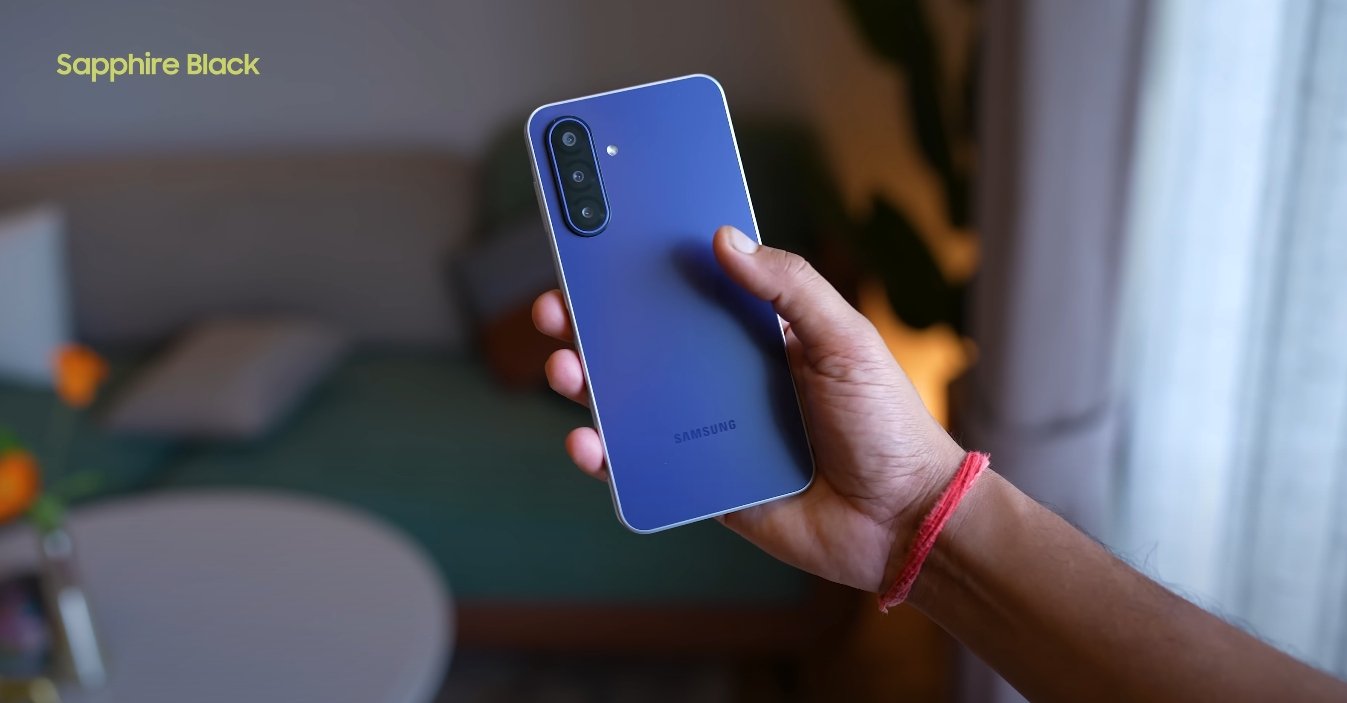
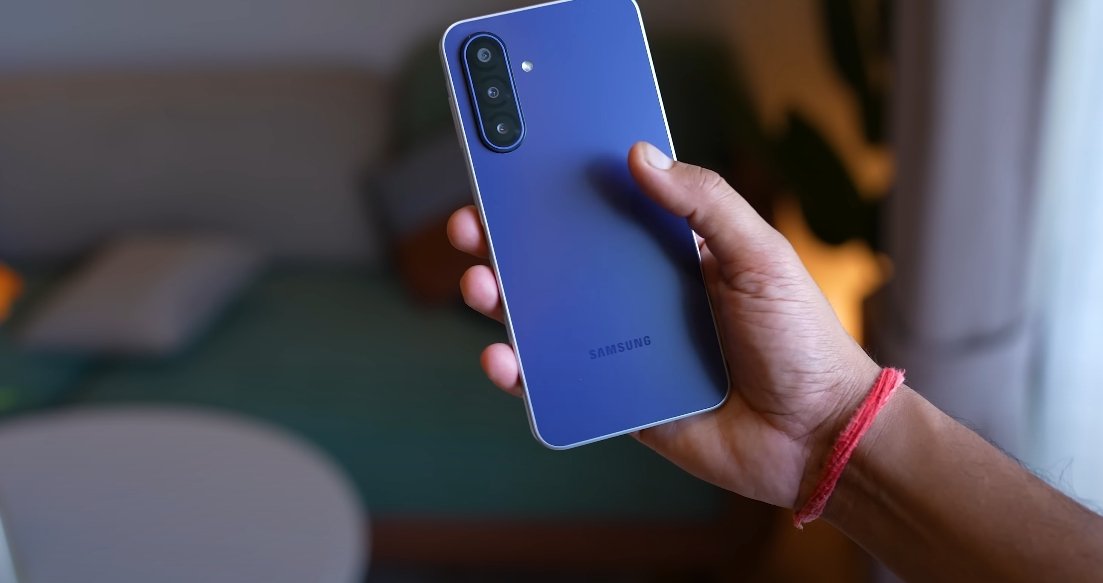
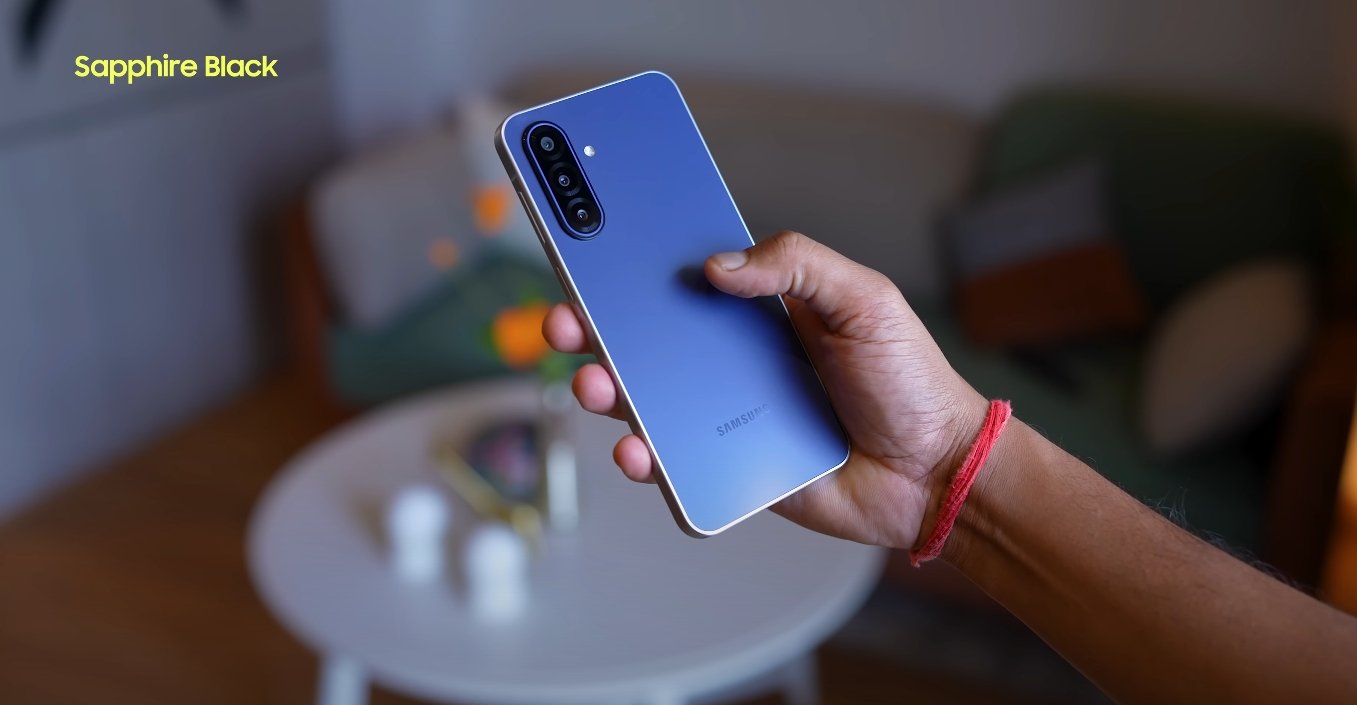
Design and build also differ slightly. The Galaxy M17 5G is slim at 7.5mm, offering a sleek and comfortable grip, available in Moonlight Silver and Sapphire Black. The Redmi Note 14 Pro is slightly thicker at 8.4mm but maintains a premium look, available in multiple colors including Midnight Black, Coral Green, Lavender Purple, and Sand Gold. Both devices are visually appealing, with the choice between slim ergonomics or a more colorful design.

Software is another consideration. The Galaxy M17 5G runs Android 15 with Samsung’s One UI 7, promising long-term software updates and security support. The Redmi Note 14 Pro runs HyperOS based on Android 14, offering a clean and responsive interface with AI optimizations, though its long-term update policy may vary. Users prioritizing software longevity may lean toward Samsung, while those wanting a lighter interface might prefer Xiaomi.

In summary, the Samsung Galaxy M17 5G excels with its OIS camera, solid display, and long-term software support, making it ideal for users who value photography and consistent updates. The Redmi Note 14 Pro stands out with its higher-resolution camera, faster charging, larger RAM and storage options, and smooth 120Hz display, making it better for gamers and media-heavy users. Choosing between the two ultimately depends on personal priorities such as camera quality, battery performance, or overall performance.

Also Read:  Pixel 10 Pro Fold vs Pixel Fold First Gen Improvements

Samsung Galaxy M17 5G vs OnePlus Nord CE 4 comparison

Samsung Galaxy M17 5G vs OnePlus Nord CE 4 comparison

Samsung Galaxy M17 5G vs OnePlus Nord CE 4: Budget 5G Face-Off

The Samsung Galaxy M17 5G and OnePlus Nord CE 4 are two strong contenders in the budget 5G smartphone segment. Both devices offer reliable performance, solid battery life, and competitive features, making them attractive options for users seeking affordable 5G connectivity. While they share some similarities, each device brings unique strengths that cater to different types of users.

The Galaxy M17 5G is powered by Samsung’s Exynos 1330 processor built on a 6nm architecture, offering smooth performance for everyday apps, social media, and light gaming. It is available with up to 8GB of RAM and 128GB of internal storage, providing sufficient space for apps, media, and files. The device features a 6.7-inch Full HD+ Super AMOLED display with 1100 nits of peak brightness, ensuring clear and vibrant visuals even under direct sunlight. Photography is a highlight, with a 50MP main camera featuring Optical Image Stabilization (OIS) for sharper images and smoother video capture. A 5000mAh battery powers the device, providing long-lasting usage throughout the day.

The OnePlus Nord CE 4, in comparison, runs on the Qualcomm Snapdragon 7 Gen 3 processor, known for efficiency and strong mid-range performance. It comes with 8GB of RAM and offers storage options of 128GB or 256GB, giving users flexibility depending on their needs. The phone sports a 6.7-inch AMOLED display with 2412×1080 resolution, offering crisp visuals for streaming, gaming, and browsing. Its camera setup includes a 50MP main sensor paired with an 8MP secondary lens, enabling versatile photography options. The Nord CE 4 is powered by a 5500mAh battery, providing extended usage and fast charging for quick top-ups.

Samsung Galaxy M17 5G vs OnePlus Nord CE 4 comparison

Design differences also set the two phones apart. The Galaxy M17 5G is 7.5mm thick, giving it a slim, sleek profile, and is available in Moonlight Silver and Sapphire Black. The Nord CE 4 is slightly thicker at 8.4mm but maintains a premium feel, with Charcoal Black and Silver color options. Both devices offer comfortable ergonomics and a modern aesthetic, though the slimmer M17 may appeal more to users who prefer lightweight devices.

Software is another key differentiator. The Galaxy M17 5G runs Android 15 with Samsung’s One UI 7, which provides a smooth, feature-rich experience and long-term software support. The Nord CE 4 runs OxygenOS 14 based on Android 14, delivering a clean and fast interface with minimal bloatware. Both interfaces offer customization options, but Samsung’s One UI 7 brings additional features and security enhancements.

Battery and charging performance are solid on both devices. The M17 5G’s 5000mAh battery is sufficient for a full day of heavy usage, while the Nord CE 4’s larger 5500mAh cell allows even longer screen-on time. Both phones support fast charging, making them convenient for users on the go.

In terms of photography, the Galaxy M17 5G has an edge with OIS, providing better stability for handheld shots and smoother videos. The Nord CE 4 offers versatility with its secondary 8MP sensor but lacks OIS, which can affect low-light performance and video stability. Users who prioritize camera quality may prefer the M17, while those who value overall performance and battery life may lean toward the Nord CE 4.

Overall, both phones are strong options in the budget 5G category. The Galaxy M17 5G excels in camera stabilization, display brightness, and software features, making it ideal for users focused on photography and long-term updates. The OnePlus Nord CE 4 stands out with its Snapdragon processor, larger battery, and flexible storage, appealing to power users and heavy multitaskers. Choosing between the two comes down to individual preferences for performance, camera capabilities, and design.

Also Read:  OnePlus Nord 5 Heating Issue Check in Daily Use