Rog Strix Scar 16 G635 (2025) Game Play Test

Rog Strix Scar 16 G635 (2025) Game Play Test

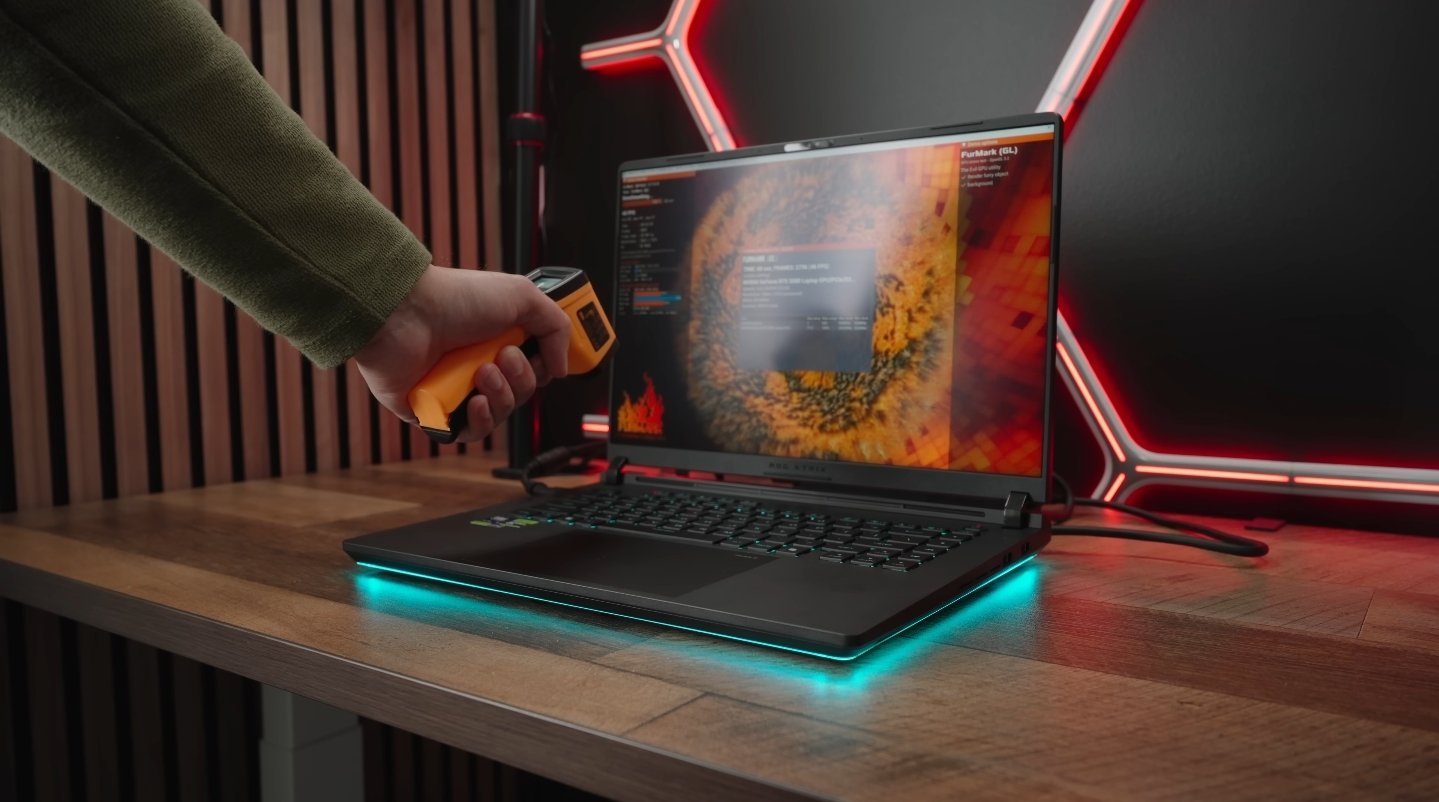
Here I tried Ghast of Suma. Here also we set frame generation to around 160 To 170 FPS and in raw performance like 9095, then Horizon Forbidden West, in this we are getting 80, 90 average FPS in raw perspective, but it is a great thing to play with frame generation.


After that we played Helpet 2 on high settings


Here we are getting 60 average FPS in raw perspective but if you apply frame generation then good frame rates come out here. After that I had a little more expectations in BGMI, but the same 90, 95 FPS are coming out. But by applying frame generation, good FPS are obtained. On the other hand, if you also set retracing to very high, then there was a lot of struggle with frame generation. It has come out to around 100 fps. These are being tested at 1600 P.


After that I tried playing Spiderman 2 on very high settings


Normally 100 FPS and after that if you apply frame generation then it will be 160, 170, then within that you will also set rate racing to very high. In which I got up to 40 FPS in raw performance. And if you apply frame generation then it will be 100 plus then Allen wait to high settings raw performance 60 playable FPS, when I applied frame generation then I don’t know where it reached 130, 150 fps. And the same thing, who needs so much FPS in story games.


By applying frame generation in Cinetic in 4K, we were getting playable FPS on rate racing of


If you also set rate racing to ultra then it will not be in raw performance. Even 50 series is still not able to handle this game. Up to 12 GB RAM is being used. Even then such FPS is coming out. But by applying frame generation you will definitely get good FPS. Then I thought if I am getting such good FPS then let’s test it in 4K also. Here brother gave 30fps in raw performance also. But by applying frame generation it was even better.


Then I put raytracing on ultra. Since it was raw performance, it refused saying that I will not be able to do it. But when I applied frame generation, we got playable 40, 50 FPS. And then comes. Here if you are going to higher resolution where you want playable frame rate, then you can apply 3x 4x frame generation. But it is the same, you will have to sacrifice a little in texture etc. Like I have already told in the 50 series.


We tried Blackmoth working in 4K


By applying frame generation in Cinetic in 4K, we were getting playable FPS on rate racing off. But on the other hand, as soon as the rate racing went to very high, this GPU was struggling. But it is the same thing, multiframe generation is available. You can go for a smooth game play.


You will get loss of textures etc. on fast movement. Like in Hell Blaster 2, the raw performance was coming out fine in 4K. By applying frame generation, we got good playable fps, then by applying multiframe generation, it went up to 130-160 fps. But again it is the same thing. We get texture loss in it. This is not visible in fast movement. But some textures are visible to us. So you can understand that there is also the benefit of multiframe generation. But at the same time there is also loss of texture.


On the right side we get two USB 3.2 Type A ports. On the left side is the power input port and this is a Type C port.


Let’s conclude the gaming here. In 1600p, you will be able to play triple A titles easily. If there is a question in your mind that brother, in GTA6, definitely you will get frame generation in it, we will also get multiframe generation. You will feel the benefit of 50 series in triple A titles.


Overall, the gaming perfection is not going anywhere for the next 5 years. Let’s see how the gaming scene changes. And brother, there is a full plethora of ports. And on the right side we get two USB 3.2 Type A ports. On the left side is the power input port and this is a Type C port. That means both sides. You don’t have to see how to plug it. You can easily plug it in and charge it.

Also Read: Asus TUF Gaming A15 – Ryzen 7 7435HS RTX 4050

Samsung Galaxy A56 vs vivo V50 5G Comparison

Samsung Galaxy A56 vs vivo V50 5G

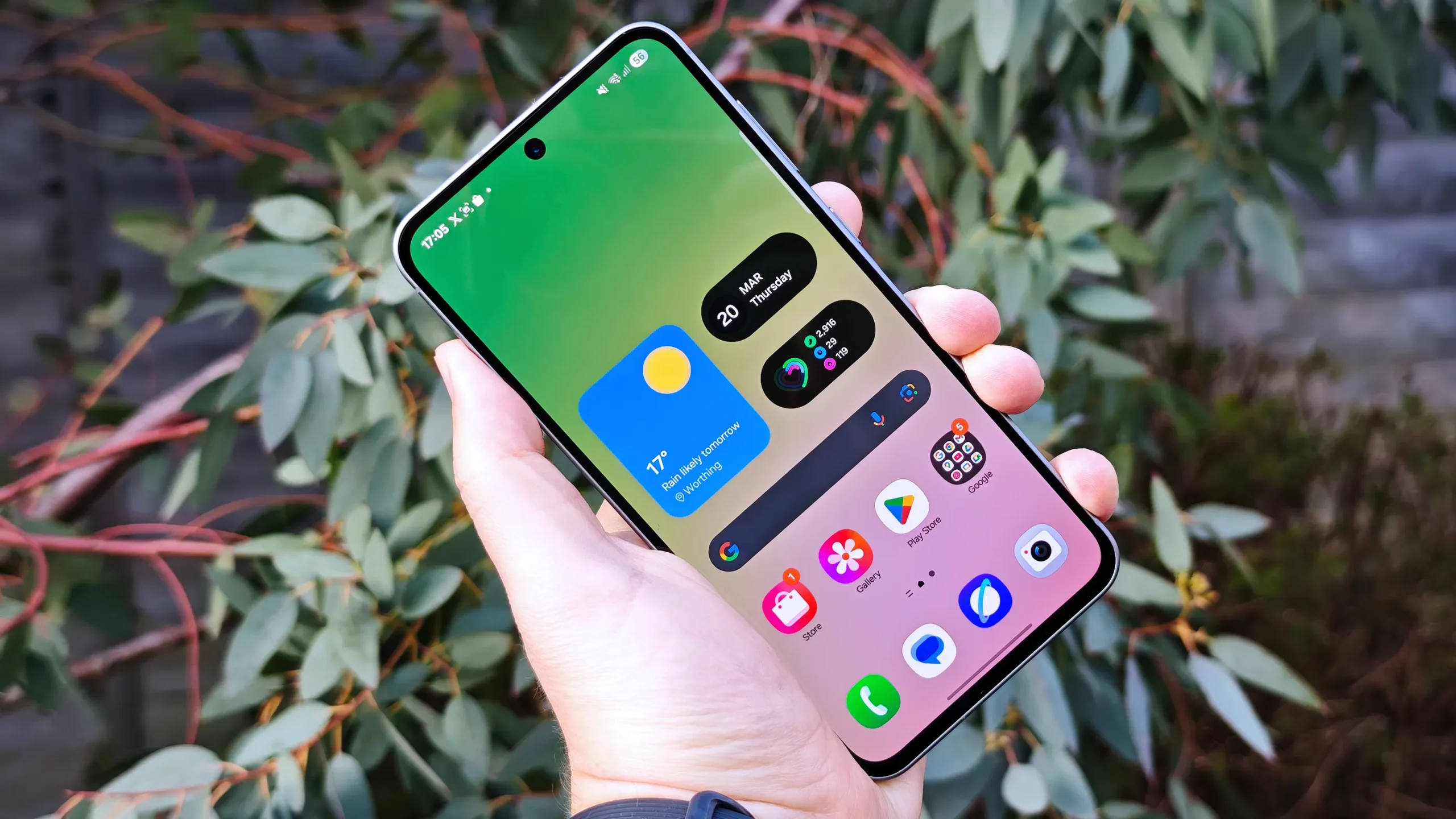
We recently reviewed both the Samsung Galaxy A56 5G and the Vivo V50 5G. Two mid-range phones. They each bring their own strengths to the table, whether it’s Samsung’s trusted 1 UI experience or Vivo’s Zeiss Tuned cameras.


Build quality of both smartphones


Starting with design, right off the bat, the Samsung Galaxy A565G sticks to a more traditional build with flat sides, sharp edges, and the modern minimalist Samsung aesthetic, featuring the triple camera layout and a flat back. Battery life is another crucial factor where the Vivo V50 shines with a 6,000 mAh battery and superior charging speed, while the A56 has a 5,000 mAh battery.


What’s nice about the A56 is it sports an aluminum frame and Gorilla Glass Victas Plus for both the front and back glass, giving it a sturdy feel in hand with some certified drop and scratch resistance. And yes, it still comes with IP67 water and dust resistance. Meanwhile, the Vivo V55G goes for an arguably sleeker, curvier approach. It features a satin-like finish with curved edges and a curved display in front. It’s lighter and in our opinion, more comfortable to hold. Unlike the A56.


Importance features on to make there are profesional smartphones


The V50 gets a higher IP69 water and dust resistance rating. IP67 offers protection against dust and water submersion of up to one meter for 30 minutes. IP69 on the other hand is designed to withstand high pressure and high temperature water jets. And on top of all that, Vivo also features a diamond anti-drop film and a 10 facet internal cushioning structure for added durability. So, for this round, yes, design is subjective to each person’s taste. But for this matchup, if we’re after a tougher, flashier, and more ergonomic design, the Vivo V55G edges ahead here.


Display types of both phones


For display, the Galaxy A565G has a 6.7 in Super AMOLED panel with a full HD plus resolution, up to a 120 Hz refresh rate, and peaks at 1200 nits of brightness. It’s pretty color accurate, too, especially when set to the natural display profile. The Vivo V55G, on the other hand, sports a 6.77 in curved AMOLED display, also with a full HD plus resolution and a 120 Hz adaptive refresh rate. The display on the A56 is a 6.7-inch Super AMOLED with a full HD+ resolution, compared to the V50’s 6.7-inch curved AMOLED display. Both displays offer users inky, deep blacks with a vibrant punch if warranted.


The V50’s display can feel a bit more immersive when in actual use, thanks to its curved screen. We can even make a case that it actually feels a bit more premium while watching videos or playing games, especially when compared to the A56’s thicker display bezels, which have shrunken compared to its predecessor, but still thicker than the competition. Both displays are excellent, which means this round should result in a tie. The Vivo V50 has a higher IP69 water and dust rating compared to the A56’s IP67.


In our opinion who is best


The A56’s thicker bezels can sway a lot of users to the V50 side. And with that said, we’re giving this round to the Vivo V50 5G, giving it its second point. For hardware, the Galaxy A56 sports a Samsung Exynos 1580 chipset paired with 8 GB of RAM and either 128 gigs or 256 GB of UFS 3.1 internal storage. It’s good enough for casual use, multitasking, and a bit of gaming. Though, don’t expect it to go toe-to-toe with higherend chips.


On the other hand, the Vivo V55G is powered by a Qualcomm Snapdragon 7 Gen 3 configured with 8 or 12 GB of RAM and 256 GB or 512 GB of UFS 2.2 storage. And for those wondering, neither handsets feature expandable storage via micro SD card. Performance can often be subjective; while benchmarks provide quantitative data, users may not notice significant real-world differences in day-to-day operations.


Peformance wise both compare


When it came to benchmarks, some of you may have already assumed storage speeds to be on the A56’s side. If so, you guys are right. It’s just the typical difference between the different UFS classes. In terms of performance, the A56 is powered by the Exynos 1380 with 8 GB of RAM, while the V50 uses the Snapdragon 7 Gen 3 chipset, which edges out in GPU performance.


Samsung Galaxy A56 vs vivo V50 5G


When it comes to general performance, the Exynos powered A56 beats the Snapdragon Riding V50 seen in both Anutu and PC Mark benchmark results. When it came to more GPU intensive benchmarks, the V50 takes the cake, albeit not by much, but still does anyway. In everyday use, the A56 can seem a lot snappier when navigating through the interface coming from a sleep state.


Camera capabilities


The competition in camera technology has reached a point where personal preferences in image processing like color tones, sharpness may outweigh the technical specifications of the sensors, prompting manufacturers to focus on user-centric camera capabilities.


Read Also: Samsung S24 FE vs Motorola Edge 60 Pro


RTX 5090, RTX 5080, RTX 5070 Ti and RTX 5070 Laptops are WILD

Let me share with you maybe a little bit of an eye-opening fact did you know that it’s been almost 2 years to the day since we have had a new GPU architecture launch into the gaming laptop Market. That’s right the RTX 4000 series have essentially been around for two full years.


That’s going to change a bunch of things, it’s because Nvidia is launching the RTX 5000 series laptop GPUs and not only that those things will be available right alongside brand-new CPU architectures from both AMD and Intel.


RTX 5090, RTX 5080, RTX 5070 Ti and RTX 5070  Next gen design


Now what I wanted to do is sort of sum things up here about what these combinations really mean for the 2025 gaming laptop Market basically devices like this and how things are evolving because it’s about to get very interesting basically manufacturers are throwing everything. They’ve possibly got at these new design’s new screens bigger cooling technology upgrades better keyboard and mouse a bunch of 18-in models the list just keeps on going on and on everything, we’ve been waiting for and some things that we didn’t even know we needed are coming in these new devices.


We have to start with the RTX 5000 series because that will be basically the Heart of any new gaming laptop and in a lot of ways this is a massive Step Beyond what the RTX 4000 series was ever able to offer. I’m not just talking about necessarily performance here but from a tech and features perspective this black wall architecture. While core counts yes they have generally gone up in some cases it might not be as much as you may have thought initially also Nvidia hasn’t really detailed core or memory frequencies on these new chips at least not on the laptop side either way.


That’s so important when you consider a lot of the flagship gaming laptops that use the 5090 and 5080 will be moving to high refresh rate 4K displays this year we’re also getting an RTX 5070 TI where there weren’t any TI class cards in the 4,000 series but speaking of memory. There’s some interesting things going on here like the RTX 5080 uses what’s essentially a desktop 5080 core but it gets 24 gigs of memory meanwhile on the desktop side, It only gets 16 gigs. It’s more disappointing in to see the 5060 sticking to an 8 gig 128 bit interface. When most if not all laptops it’ll be used in will have 1600p displays so higher resolutions where that kind of memory layout could provide a massive bottleneck in some cases there’s another thing that should jump out at you and that’s the RTX 570 other than the GDDR 7.


It is a literal carbon copy of the RTX 4070 at least in terms of Cuda core and You might have also noticed that there’s a pretty gaping hole in NVidia’s current RTX 5000 series lineup because, They have absolutely no Replacements at least right now for the RTX 4060 or 4050 that means at least initially anybody, who doesn’t want to spend like $2500 or more on a brand new gaming laptop they might have to sit out purchasing for a little while longer.


RTX 5000 power states


As a result of all of these architecture changes the RTX 5000 series of starting power has been raised Buy in some cases a substantial amount versus the RTX 4000 series though you might remember laptop GPU”s have completely configurable power levels between that bare minimum spec and the maximum value. Can essentially steal some of the overhead from the CPU and suck back a bit more power, It all depends how laptop manufacturers handle things like cooling power and temperature on individual models for example, The new revised g16 that’s coming out this year with its 5090. It will be running that GPU at a maximum of 130 wats, that’s because Asus’s Engineers they figured that is the maximum they could cram into here have it suck back while still delivering adequate temperatures and noise levels on the other hand.


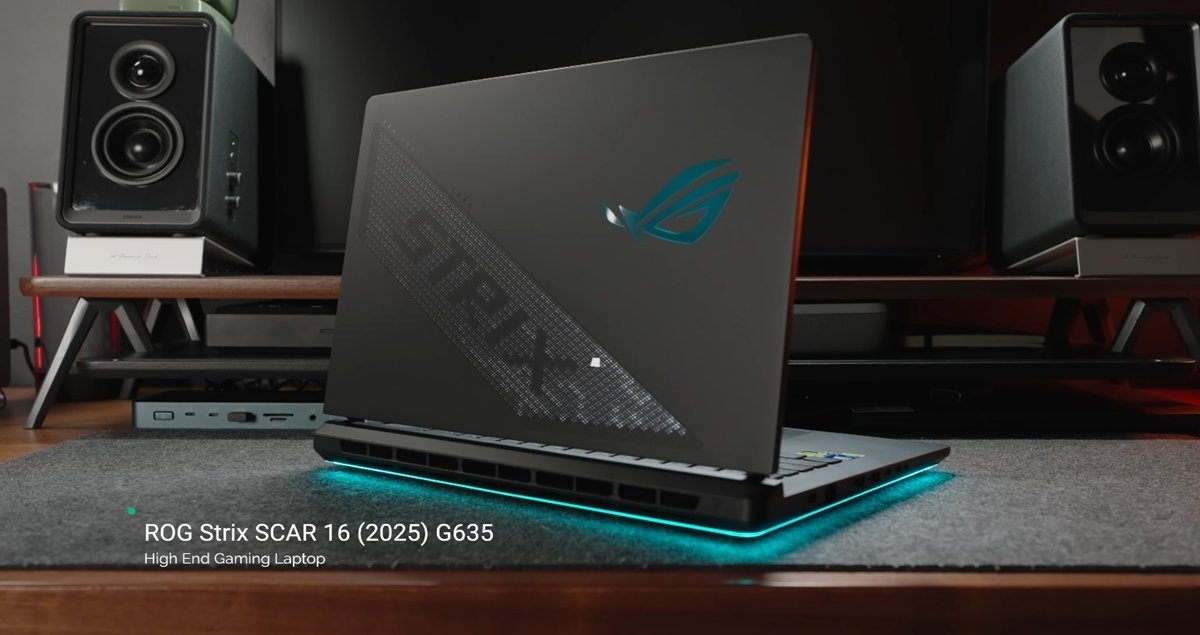
We also got some time recently with the 2025 version of the Strick scar 16 and 18 those laptops feature a brand new heat sink with triple fans a massive Vapor chamber and liquid metal. That combination allows their RTX 90s to hit a maximum of 175 Watts with Dynamic boost while the CPU itself can get up to 65 Watts meanwhile, The MSI Titan 18hx also allows the RTX 1590 to flex upwards to 175 Watts. MSI was also able to push CPU power to constant 95 Watts at the same time and That’s one of the reasons the 2025 laptops will be so overall crazy with new GPU’s and CPU’s. Most manufacturers have finally updated their internals to the latest and greatest in cooling Tech that should lead to cooler temperatures more consistent performance and hopefully quieter running gaming laptops.


AMD’s more mid level to budget focused gaming laptop


We’re going to sort of shift gears here a little bit because I wanted to talk about the CPUs that these RTX 5000 series GPU’s are most likely to be paired up with and of course, The most logical answer is the Ryzen 9000 HX series which is technically called fire range since it’ll probably be the gaming King this time around and by a pretty wide margin too especially that x 3d chip but in general based on what we know about Zen 5. On the desktop side Intel will probably face a pretty big uphill battle in the gaming laptop Market too there’s also been a little bit of talk about something called the Ryzen 800 HX series. Now we don’t have official feeds and speeds about this quite yet, but it looks like this will take over.


I guess AMD’s more midlevel to budget focused gaming laptop lineup it’s basically a rebranded Ryzen 745 HX lineup but we’re just going to have to see how this shakes out and what kind of laptops. Since it’s rapidly becoming the go-to architecture for thinner and lighter gaming laptops whereas the higher-end processors mostly focus on desktop replacement systems. Intel’s Arrow Lake architecture is making its way to the gaming and Creator laptop side with a pretty wide range of a check series options none of which have hyper threading enabled. They replace also based on what we’ve seen the ultra 9 275 HX will be the one you’ll most likely see in most RTX 5000 series laptops meanwhile There’s also the standard H series, that should be rolled into more entry-level devices along with some Thin and light gaming laptops. To since these CPUs are meant to run at slight lower power limits than the HX series plus they get some LP cores thrown in too.


The reason why I’m bringing processors into this conversation is because When I started looking at the spec sheets for these new laptops from Asus Razer MSI and a few others, I noticed this weird Trend developing when it came to the utilization between AMD and Intel processors. now before I get too far into this, I don’t want to start any conspiracy theories here. I am just going to lay out the facts as They are right now first of all there are very few laptops from major manufacturers that combine an RTX 90 with the most logical CPU Choice a 9950 HX 3D or 9950 HX. There are a few exceptions though but those are mostly from smaller Brands but there might also be the MSI radar a 18 now.


I’m saying it might be simply because, We’ve had some feedback saying The RTX 5090 version may not actually happen but I’m crossing my fingers that it actually does anyways instead of that Flagship 90 most AMD based laptops typically max out at an RTX 580 or in the case of Asus’s g16 the x3d is matched up with at most an RTX 570 TI and Look to a lot of people that might be sort of like a a nothing Burger but Asus themselves. They set a precedent with the previous generation laptop the 7945 HX 3D which was launched in this thing the scar 17x 3D well straight from the get-go it came with an RTX 4090.


The lack of RTX 5090 option this time around it just feels off but despite that it’s not like Nvidia’s highest end GPU doesn’t get any AMD CPU options nope instead laptops like the Razor Blade 16 by the way props to Razer for going AMD on this one and MSI stealth and Vector series. They’ve all got it they’ve all got the 5090 EX except they’re pairing it with a Ryzen Ai 9 HX 370 likely due to those being, I guess more compact options.


AMD version with its 9950 x3d option


Another thing we’re starting to notice is that for the most part those high-end Flagship Gaming laptops, The ones where 5090 makes the most sense like the 2025 MSI Titan 18 Rog scar series well they don’t get any AMD CPU options whatsoever as a matter of fact while the 2025 version of the g16 and 18 gets.


It’s a brand new design the AMD version with its 9950 x3d option doesn’t see any design upgrade whatsoever it’s been the same for the better part of 2 years and look yes it absolutely feels like there’s something going on and I think that there is but this isn’t about some vast conspiracy theory at least not in my opinion, let’s be honest here even after years and years of AMD having such a competitive laptop CPU lineup well a lot of people just don’t have The name AMD in their lexicon when it comes to ultra high-end Ultra expensive Gaming devices the other problem.


That we might be seeing here is that AMD unfortunately has a pretty spotty track record when it comes to supplying volume of their CPUs in a timely manner to laptop manufacturers. So naturally a lot of laptop manufacturers, they’re going to say look we want to get those Halo devices out there because they have massive prices and probably massive profit margins. So why not go with Intel who can guarantee us a supply from day one but hopefully at some point maybe in the near future, There’s confidence in AMD processors and corresponding supply of them in order for us to see more customer choice in some of these higher-end laptops. I want to be able to go out and buy a Titan 18 with either an AMD or an Intel processor it’s not that hard to ask.


Thunderbolt 5 whereas AMD devices make do with the still perfectly fast


I guess Intel exclusive for those high-end 2025 laptops and that’s Thunderbolt 5 whereas AMD devices make do with the still perfectly fast but a bit less capable USB 4. We should start seeing in these 2025 laptops from both AMD and Intel is pcie Gen 5 SSD’s because, This is actually the first time that this has happened that SSD suppliers and the controllers that they use are not going to be sort of like burning the house down. I mean do you remember what we saw that year at Computer.


It it was just these towering heat sinks well That’s not necessary. There’s also a few other trends that you’ll see in these 2025 gaming laptops like a move to 16 10 UHD plus 1600p screens on almost every single model as a baseline configuration which should really make you wonder how those 8 gig cards will Faire at their native resolutions mini LED panels meanwhile will also see a lot more use in higher-end laptops rather than being reserved for those Ultra Niche products. And from what we’ve experienced during Hands-On time with a few of these 2025 models over the last few months well, there’s a general Push by every sing Le company to improve overall build quality and finally bring their keyboards up to today’s standards.


Nvidia has divulged A few very Choice numbers


So, the last thing I want to touch on here is performance and unfortunately, I don’t really have much for you at this point in time while Nvidia has divulged A few very Choice numbers here and there for the discrete desktop side it’s not the same with the laptop market and there’s probably a simple reason behind that right.


It’s because laptop performance from model to model is so V variable it’s all dependent on what I said before power limits thermals and A bunch of other factors so doing AB testing and ab comparisons is extremely difficult but we’ve had some off the record conversations with a lot of Partners about their new designs and when you combine the CPU upgrades alongside the RTX 5000 series GPU’s, New laptops to offer between 25 and 40% better gaming performance than 2024 models while running at identical power levels.


There will also be new power saving features rolled out as part of the max q technology stack that should see notebooks with these GPU’s get much better overall battery life. So I guess that covers pretty much everything and this 2025 is going to be a banging year on the gaming laptop side after what was essentially two years of stagnation the only thing is that. We’re going to have to wait a while for it because the new RTX 5000 series is only starting to roll out in March of this year but until that point well. We have a lot of Re benchmarking to do and We will be with you guys along for the ride while we expand our laptop coverage throughout this year.

 

Revolutionising the Mac Experience: Apple M6 Launch and 2026 Lineup Unveiled

Apple M6 launch and 2026 Mac lineup featuring the latest MacBook and desktop models, showcasing innovative designs and cutting-edge features, set to revolutionise the Mac experience with enhanced performance and efficiency, as Apple continues to analyse and refine its product line, offering unparalleled processing speeds and sleeker designs.

Revolutionising the Mac Experience: Apple M6 Launch and 2026 Lineup Unveiled

As we step into the new year, Apple enthusiasts have a lot to look forward to, particularly with the anticipated launch of the Apple M6, potentially happening sooner than expected. According to renowned Bloomberg analyst Mark Gurman, 2026 is poised to be a game-changer for Apple’s desktop and MacBook lineups.

Mark Gurman’s latest Power On newsletter sheds light on the promising developments in store for Apple fans. Despite the Apple M5 being only a few months old, the rumoured early launch of the Apple M6 has generated considerable excitement. This move is likely to revolutionise the Mac experience, offering unparalleled performance and efficiency.

The timely launch of the Apple M6 is expected to be a strategic move by Apple, aiming to stay ahead in the competitive tech landscape. As the company continues to analyse and refine its product line, we can expect significant improvements in the upcoming Mac models. With the Apple M6 on the horizon, 2026 is indeed shaping up to be an extraordinary year for Apple’s desktop and MacBook enthusiasts.

As we await the official launch, speculation is rife about the cutting-edge features and innovative designs that the Apple M6 will boast. From enhanced processing speeds to sleeker designs, the possibilities are endless. One thing is certain, however: the Apple M6 is set to redefine the Mac experience, and we cannot wait to see what the future holds.

With the Apple M6 launch anticipated to happen earlier than expected, 2026 is undoubtedly the year of the Mac. As Apple continues to push the boundaries of innovation, we can expect a plethora of exciting developments in the world of desktops and MacBooks. Whether you are a loyal Apple fan or just looking to upgrade your current device, the upcoming year promises to be an exhilarating ride.

As the tech world eagerly awaits the Apple M6 launch, one thing is clear: 2026 will be a year to remember for Apple enthusiasts. With the company’s commitment to delivering exceptional products and experiences, we can expect great things from the upcoming Mac lineup. So, stay tuned for more updates, and get ready to experience the future of Macs.

Revolutionising Heart Health: How the Apple Watch Excels in Detecting Atrial Fibrillation

A person wearing an Apple Watch, with a heartbeat monitor displaying a normal rhythm, highlighting the device's ability to detect atrial fibrillation and other heart conditions, using wearable technology to improve cardiology and overall health.

Revolutionising Heart Health: How the Apple Watch Excels in Detecting Atrial Fibrillation

A groundbreaking study has revealed that the Apple Watch is remarkably adept at detecting atrial fibrillation, a heart condition that can significantly increase the risk of stroke and other cardiovascular diseases. This innovative smartwatch has demonstrated its potential to save lives by identifying heart problems more effectively than standard medical check-ups.

The Apple Watch’s ability to monitor heart rhythm and detect irregularities has been shown to be a game-changer in the field of cardiology. By leveraging the power of wearable technology, individuals can now take a more proactive approach to their heart health, receiving timely warnings and seeking medical attention when necessary.

The study’s findings are a testament to the evolving role of technology in healthcare, where wearable devices are increasingly being recognised for their potential to improve patient outcomes. As the world becomes more health-conscious, the importance of innovative solutions like the Apple Watch cannot be overstated.

With its user-friendly interface and advanced monitoring capabilities, the Apple Watch has made it possible for people to take control of their heart health like never before. By analysing data and identifying patterns, this smartwatch can help individuals make informed decisions about their lifestyle and behaviour, ultimately reducing the risk of heart-related complications.

The implications of this study are far-reaching, highlighting the need for a more integrated approach to healthcare that combines traditional medical practices with cutting-edge technology. As the medical community continues to analyse the benefits and limitations of wearable devices, one thing is clear: the Apple Watch has set a new standard for heart health monitoring.

By harnessing the power of wearable technology, we can revolutionise the way we approach heart health, enabling individuals to live longer, healthier lives. The future of cardiology has never looked brighter, thanks to the pioneering work of companies like Apple and the tireless efforts of medical researchers.

As we look to the future, it is essential to recognise the significance of this study and its potential to transform the lives of millions. With the Apple Watch at the forefront of this revolution, we can expect to see a seismic shift in the way we detect, prevent, and treat heart-related conditions.

RPCS3 Emulator Plays 70% PS3 Games

RPCS3 emulator plays 70% of PS3 games

RPCS3 Emulator Achieves Major Milestone

The RPCS3 emulator has made significant progress, now capable of playing 70% of PlayStation 3 games without issues.

This milestone is a testament to the developer team’s steady efforts to expand support and improve performance.

The emulator’s ability to run 7 out of 10 PS3 games is a notable achievement, considering it was less than 50% a few years ago.

The RPCS3 team’s dedication to enhancing the emulator has paid off, with more games and platforms being supported.

RPCS3’s progress is a boon for gamers and developers alike, offering a wider range of gaming options.

The emulator’s improved performance and expanded game support are a result of the team’s commitment to analysing and resolving issues.

As the emulator continues to evolve, it will be interesting to see how it impacts the gaming industry and behaviour of gamers.

The RPCS3 emulator’s success is a significant development in the world of gaming, with implications for the colour and vibrancy of the gaming landscape.

The emulator’s ability to play a wide range of PS3 games without issues is a major breakthrough, and its impact will be felt in the coming months and years.

The RPCS3 team’s hard work and dedication have resulted in a significant improvement in the emulator’s performance and capabilities.

The emulator’s progress is a testament to the power of innovation and the importance of perseverance in the face of challenges.

The RPCS3 emulator’s success is a major milestone in the world of gaming, and its implications will be far-reaching and significant.

Samsung Galaxy A35 receives a shocking discount in the UK

Samsung Galaxy A35 receives a shocking discount in the UK

Major price drop makes Samsung’s mid-range favourite a standout holiday deal

UK shoppers are seeing the Samsung Galaxy A35 fall to one of its lowest prices yet, as early holiday offers push the popular mid-range phone well below its usual cost. Retailers across the country have begun listing the 128 GB variant in the low £200s, marking a rare decrease for a handset that normally sits comfortably above the £300 mark. The unexpected drop has quickly made it one of the most talked-about budget-friendly deals of the season.

The new pricing reflects retailers’ broader strategy to boost early holiday sales. With Black Friday promotions spreading out across November, several major outlets have chosen to discount mid-range devices ahead of more premium flagships. The Galaxy A35, already strong value at standard pricing, now appeals especially to buyers wanting a dependable upgrade without spending heavily. Demand has increased rapidly as the deal gains visibility.

The 128 GB model appears to be receiving the deepest reductions, with early listings placing it just above the £200 mark. This represents a significant saving compared with launch pricing. Higher-capacity versions are also discounted, but remain at noticeably higher levels, meaning most buyers searching for true bargain territory will focus on the base storage version. Retailers expect this model to sell out first.

Samsung Galaxy A35 receives a shocking discount in the UK

As part of Samsung’s ongoing UK promotional push, the A-series is included in the company’s official seasonal offers. While the manufacturer’s own site often highlights bundle or trade-in incentives rather than major price cuts, the timing of retailer discounts aligns closely with Samsung’s promotional calendar. This suggests further shifting prices may appear as the holiday period progresses.

The Galaxy A35’s appeal isn’t built on pricing alone. Its 6.6-inch AMOLED display with a 120 Hz refresh rate, paired with a 50 MP main camera, gives the device capabilities that punch well above its price bracket. For users who value bright displays and reliable everyday performance, the combination is strong. The new discount amplifies the device’s already well-rounded profile.

Software longevity is another major selling point. Samsung’s commitment to four years of OS updates and five years of security updates ensures the A35 remains supported far longer than many handsets in its price class. This reduces long-term ownership costs and makes the device particularly appealing to users looking for durability and stability rather than frequent upgrades.

Shoppers should note that the lowest prices are appearing primarily for specific colours and retailer-sourced UK stock. Variants such as Awesome Navy or Iceblue often fluctuate most in price, and EU-import models may also appear at lower costs, though these can vary in warranty coverage. Checking model numbers carefully remains essential to ensure full UK compatibility and support.

Those purchasing unlocked SIM-free will find the headline price reductions straightforward, but network contract deals present different considerations. While upfront costs may be low on contract, the total cost of ownership can exceed the SIM-free route. Buyers are encouraged to compare the complete 24- or 36-month cost before committing, particularly if bundled data allowances exceed their actual needs.

Early signs suggest stock is moving quickly, particularly among major online retailers. With many consumers shopping ahead of the typical Black Friday peak, supply for the most desirable variants may tighten sooner than expected. Retailers typically adjust pricing according to remaining inventory, suggesting the deepest savings may not last long.

As the holiday shopping season accelerates, the Galaxy A35’s new discounted price positions it as one of the strongest mid-range smartphone deals in the UK. Offering a blend of premium features, long-term software support and excellent value, the device now occupies rare territory in the sub-£250 category. For those seeking a capable everyday smartphone without breaking the bank, this unexpected discount arrives at the perfect moment.

Samsung Finally Gets Midrange Right With Galaxy F36 5G

Samsung Finally Gets Midrange Right With Galaxy F36 5G

Samsung Finally Gets Midrange Right With Galaxy F36 5G


Samsung has made many attempts to perfect its midrange lineup, but the Galaxy F36 5G might be the one that actually hits the mark. Unlike past models that often felt like compromises, this one manages to combine practicality with user satisfaction. From the first impressions to continued daily use, users are noticing how well this phone fits into their routine without any major flaws.

Performance is one area where the Galaxy F36 5G shines more than expected. It may not have flagship-level power, but it runs everyday apps, social media, and even casual games with ease. The software feels smooth, and animations are consistent across the UI. People who bought this phone often highlight how they don’t feel the need to upgrade anytime soon, which says a lot in the fast-moving world of smartphones.

Another win is the phone’s display and battery combo. The screen is large and sharp, making it ideal for watching videos or browsing content. Paired with efficient power management, the battery easily lasts a full day or more. For midrange buyers, this level of reliability is a key reason they stick with the device.

Samsung Finally Gets Midrange

Samsung’s focus on longer software support also boosts the appeal of the Galaxy F36 5G. Knowing that the phone will continue to get updates over time gives users confidence in their purchase. This isn’t always the case with other brands in the same price range, making Samsung’s offer feel more complete.

Design-wise, the phone looks modern and clean, without any unnecessary flash. It’s built for real-world use, and that’s exactly what people seem to appreciate. It may not turn heads, but it performs where it counts, which is what most buyers truly need from a phone in this segment.

Overall, the Galaxy F36 5G seems to be the midrange device Samsung needed. It’s not just good on paper, it actually works well in day-to-day life. With this release, Samsung finally proves that it understands what midrange buyers are looking for and delivers on that promise without overcomplicating things.

Samsung Galaxy A37 vs A57: Which Mid-Range Phone Reigns Supreme in the UK

Featured image of the Samsung Galaxy A37 and Galaxy A57, showcasing their designs and cameras, with a focus on the mid-range smartphone market in the UK

Samsung Galaxy A37 vs Galaxy A57: A Comprehensive Comparison

The Samsung Galaxy A37 and Galaxy A57 have been unveiled, marking Samsung’s latest foray into the mid-range smartphone market in the UK. With their respective specifications and features, it’s time to analyse which one is the better buy. The mid-range phone market is experiencing a surge, with component shortages affecting margins and prices.

The Google Pixel 10a and Nothing Phone (4a) have taken different approaches to tackle this issue. Samsung, on the other hand, has introduced the Galaxy A37 and A57 with distinct features. If you’re an avid landscape photographer, the Galaxy A57 has an edge with its 12Mp ultra-wide camera and enhanced image processing.

Both phones boast a 50Mp main camera, improved Nightography, and an enhanced Image Signal Processor (ISP). However, the Galaxy A57’s superior SoC and faster shutter speeds give it an advantage. The Galaxy A57 also features a 12Mp front camera and a 5Mp macro camera, similar to the Galaxy A37.

In terms of performance, the Galaxy A57 stands out with its Exynos 1680 chip, promising better performance and efficiency. This enables AI features like Auto Trim video editing and more photos in Best Face mode. The Galaxy A37, on the other hand, uses the Exynos 1480 chip, released in 2024.

Design-wise, the Galaxy A57 has a slimmed-down design, with dimensions of 161.5 x 76.8 x 6.9mm, making it smaller and lighter than the Galaxy A37. The Galaxy A57 also has a sub-7mm thickness and slimmer screen bezels, giving it a premium feel.

For those on a strict budget, the Galaxy A37 is the more affordable option, starting at £399 for the 6GB RAM and 128GB storage model. In contrast, the Galaxy A57 starts at £529 for the 8GB RAM and 256GB storage model. The price difference between the two entry models is a significant £130.

In conclusion, the Samsung Galaxy A57 appears to be pulling away from its lower-grade brother in terms of performance and design. However, the Galaxy A37 offers the same display, main camera, battery, and software as its classier brother, making it a potentially better buy for those in the UK.

Samsung Galaxy A57: UK Release, Price, and Specs Revealed

The Samsung Galaxy A57 features a 6.6-inch 120Hz FHD+ flat AMOLED display, 12GB of RAM, and a 5000mAh battery with 45W charging, making it a top contender in the mid-range market with its improved specs and features, including a new Exynos processor and Android 16.

Samsung Galaxy A57: What to Expect from the Latest Mid-Range Phone

The Samsung Galaxy A57 is set to launch in the UK in March 2026, with a potential price increase compared to its predecessor. The phone is expected to feature a slimmer design, improved durability, and a new Exynos processor.

The Galaxy A57 will have a 6.6-inch 120Hz FHD+ flat AMOLED display, 12GB of RAM, and a 5000mAh battery with 45W charging. The phone will also have a triple-camera array with a 50MP main sensor, 12MP ultrawide lens, and 5MP macro lens.

In terms of design, the Galaxy A57 will be 0.5mm slimmer than the Galaxy A56, with a thickness of 6.9mm and a weight of 182g. The phone will also have an IP68 rating, making it more durable than its predecessor.

The Exynos 1680 processor is expected to provide substantial performance gains, and the phone will also have an improved vapour chamber for better cooling. The Galaxy A57 will come with Android 16 out of the box and will have dual SIM capabilities.

Although the phone’s battery life is expected to be similar to the Galaxy A56, the EU Energy Label has revealed that the phone can last for up to 52 hours between charges. However, the battery capacity is expected to diminish after 1,200 charge cycles, which is lower than the Galaxy A56’s 2,000 charge cycles.

Overall, the Samsung Galaxy A57 is set to be a solid mid-range phone with improved performance, durability, and design. With its expected launch in March 2026, the phone is likely to be a popular choice for those looking for a reliable and feature-packed device.

The Galaxy A57 will face competition from other mid-range phones, such as the Pixel 10a and the Nothing Phone (4a). However, with its improved specs and features, the Galaxy A57 is likely to be a top contender in the mid-range market.

As we await the official launch of the Galaxy A57, we will continue to provide updates and insights into the phone’s features and specs. Stay tuned for more information on this exciting new device.

In the meantime, let’s take a closer look at the Galaxy A57’s specs and features. The phone’s 6.6-inch display is expected to provide an immersive viewing experience, while the 12GB of RAM will ensure smooth performance and multitasking.

The Galaxy A57’s camera array is also expected to be a major highlight, with a 50MP main sensor and 12MP ultrawide lens. The phone’s improved vapour chamber and Exynos 1680 processor will also provide a boost to performance and cooling.

Samsung Galaxy A57 Set to Rival Pixel 10a in UK Market with Impressive Specs

The Samsung Galaxy A57 and A37 devices, featuring a 6.7-inch 120Hz Super AMOLED display and a powerful Exynos 1680 processor, with a 50Mp main camera and a 5000mAh battery, available in various colour options, including Awesome Gray, Awesome Icyblue, Awesome Lilac, and Awesome Navy

Samsung Galaxy A57 vs Google Pixel 10a: A Comprehensive Comparison

The Samsung Galaxy A57 is set to take the UK market by storm with its impressive specs and sleek design, posing a significant threat to the Google Pixel 10a. With a 6.7-inch 120Hz Super AMOLED display and a powerful Exynos 1680 processor, this device is sure to impress. The Galaxy A57 will also feature a 50Mp main camera, a 12Mp ultra-wide camera, and a 5Mp macro camera.

The device will be available in various colour options, including Awesome Gray, Awesome Icyblue, Awesome Lilac, and Awesome Navy. In terms of storage, the Galaxy A57 will come with 8GB of RAM and either 128- or 256GB of internal storage. The 5000mAh battery and 45W wired charging will ensure that the device lasts all day.

In comparison to the Google Pixel 10a, the Galaxy A57 has a slimmer design, measuring 161.5 x 76.9 x 6.9mm and weighing 192g. The Pixel 10a, on the other hand, has a thickness of 9mm. The Galaxy A57 is set to launch later this month in the UK, and it will be interesting to see how it competes with the Pixel 10a in terms of price and performance.

The Samsung Galaxy A37, a cheaper alternative to the Galaxy A57, will feature the same 6.7-inch 120Hz FHD+ Super AMOLED display and a 50Mp main camera. However, it will have a different design and colour options, including Awesome Charcoal, Awesome Graygreen, Awesome Lavender, and Awesome White. The Galaxy A37 will also have variants with 6 and 8GB of RAM, accompanying a choice of 128 and 256GB of storage.

The Galaxy A37 will share a 5000mAh battery and 45W wired charging with its more premium brother. The camera set-up sounds similar too, minus the dedicated macro. The Galaxy A37 will not have the same slim design as the Galaxy A57, with dimensions of 162.9 x 78.2 x 7.4mm and a weight of 196g.

Overall, the Samsung Galaxy A57 and A37 are set to be impressive devices in the UK market, with their sleek designs, powerful processors, and high-quality cameras. The Galaxy A57, in particular, is set to rival the Google Pixel 10a, and it will be interesting to see how it performs in terms of sales and customer satisfaction.

The launch of the Galaxy A57 and A37 is expected to take place later this month, and it will be a significant event in the UK tech calendar. The devices will be available in various stores and online platforms, and customers can expect a range of deals and offers. The Samsung Galaxy A57 and A37 are sure to be popular devices, and they will likely have a significant impact on the UK smartphone market.

In conclusion, the Samsung Galaxy A57 and A37 are set to be exciting additions to the UK smartphone market. With their impressive specs, sleek designs, and affordable prices, they are sure to appeal to a wide range of customers. The Galaxy A57, in particular, is set to rival the Google Pixel 10a, and it will be interesting to see how it performs in terms of sales and customer satisfaction.

The Samsung Galaxy A57 and A37 are just two of the many devices that Samsung is set to launch in the UK market. The company has a reputation for producing high-quality devices, and it is expected to continue this trend with its upcoming launches. The Galaxy A57 and A37 are sure to be popular devices, and they will likely have a significant impact on the UK smartphone market.

The UK smartphone market is highly competitive, with many devices available from various manufacturers. However, the Samsung Galaxy A57 and A37 are set to stand out from the crowd with their impressive specs and sleek designs. The devices will be available in various colour options, and they will come with a range of features, including a 50Mp main camera, a 12Mp ultra-wide camera, and a 5Mp macro camera.

In terms of battery life, the Galaxy A57 and A37 will have a 5000mAh battery and 45W wired charging. This will ensure that the devices last all day, and they will be able to charge quickly when needed. The devices will also have a range of storage options, including 128 and 256GB of internal storage.

Samsung Galaxy A57 UK Release: Specs, Price and More

The Samsung Galaxy A57 phone with a 6.3-inch display and a triple-camera array, featuring a main 50Mp sensor, a 12Mp ultrawide, and a 5Mp macro lens, with a sleek design and five new colours, including Awesome Charcoal, Awesome Grey, Awesome IcyBlue, Awesome Navy, and Awesome Liliac

Samsung Galaxy A57: Everything You Need to Know

The Samsung Galaxy A57 is expected to launch in the UK in March 2026, with a starting price of £499. The phone will feature a slimmer design, improved durability, and a new Exynos processor. The Galaxy A57 will also have a 6.3-inch display, 12GB RAM, and a 5000mAh battery.

The phone will be available in five new colours, including Awesome Charcoal, Awesome Grey, Awesome IcyBlue, Awesome Navy, and Awesome Liliac. The Galaxy A57 will also have a triple-camera array, featuring a main 50Mp sensor, a 12Mp ultrawide, and a 5Mp macro lens.

In terms of durability, the Galaxy A57 is expected to have an IP68 rating, which means it can survive in depths of more than 1.5m for more than 30 minutes. The phone will also have dual SIM capabilities, making it a great option for business users.

The Galaxy A57 will be a great option for those looking for a mid-range phone with premium features. With its improved performance, camera, and durability, it’s set to be a top choice for many. The phone will be available in the UK, and we can expect an official announcement from Samsung soon.

For now, we can only speculate about the exact release date and price. However, based on previous releases, we can expect the Galaxy A57 to be available in the UK by the end of March 2026. We’ll be sure to update this page with more information as it becomes available.

In the meantime, let’s take a look at the specs and features of the Galaxy A57. The phone will have a 6.3-inch display, which is slightly smaller than the Galaxy A56. It will also have a 120Hz refresh rate, making it great for gaming and video streaming.

The Galaxy A57 will be powered by the Exynos 1680 chipset, which is expected to provide a significant boost in performance. The phone will also have 12GB RAM, which is more than the Galaxy A56. This means that the Galaxy A57 will be able to handle demanding tasks with ease.

In terms of camera, the Galaxy A57 will have a triple-camera array, featuring a main 50Mp sensor, a 12Mp ultrawide, and a 5Mp macro lens. The phone will also have a 12Mp front camera, which is great for taking selfies.

Overall, the Samsung Galaxy A57 is shaping up to be a great mid-range phone. With its improved performance, camera, and durability, it’s set to be a top choice for many. We’ll be sure to update this page with more information as it becomes available.