Redmi K90 Pro Max user interface: MIUI/HyperOS tweaks and UK localisation

Redmi K90 Pro Max user interface MIUI HyperOS tweaks and UK localisation

How Xiaomi refined the user experience for UK users

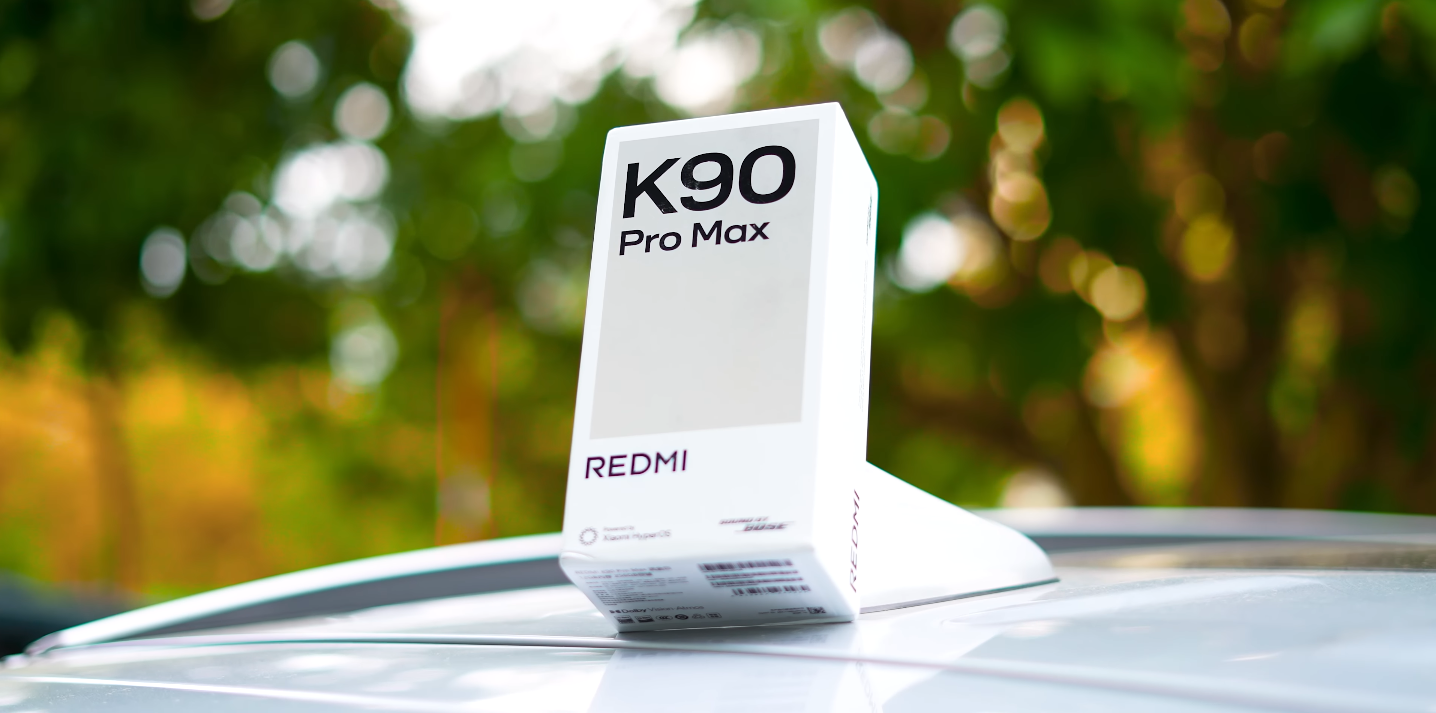
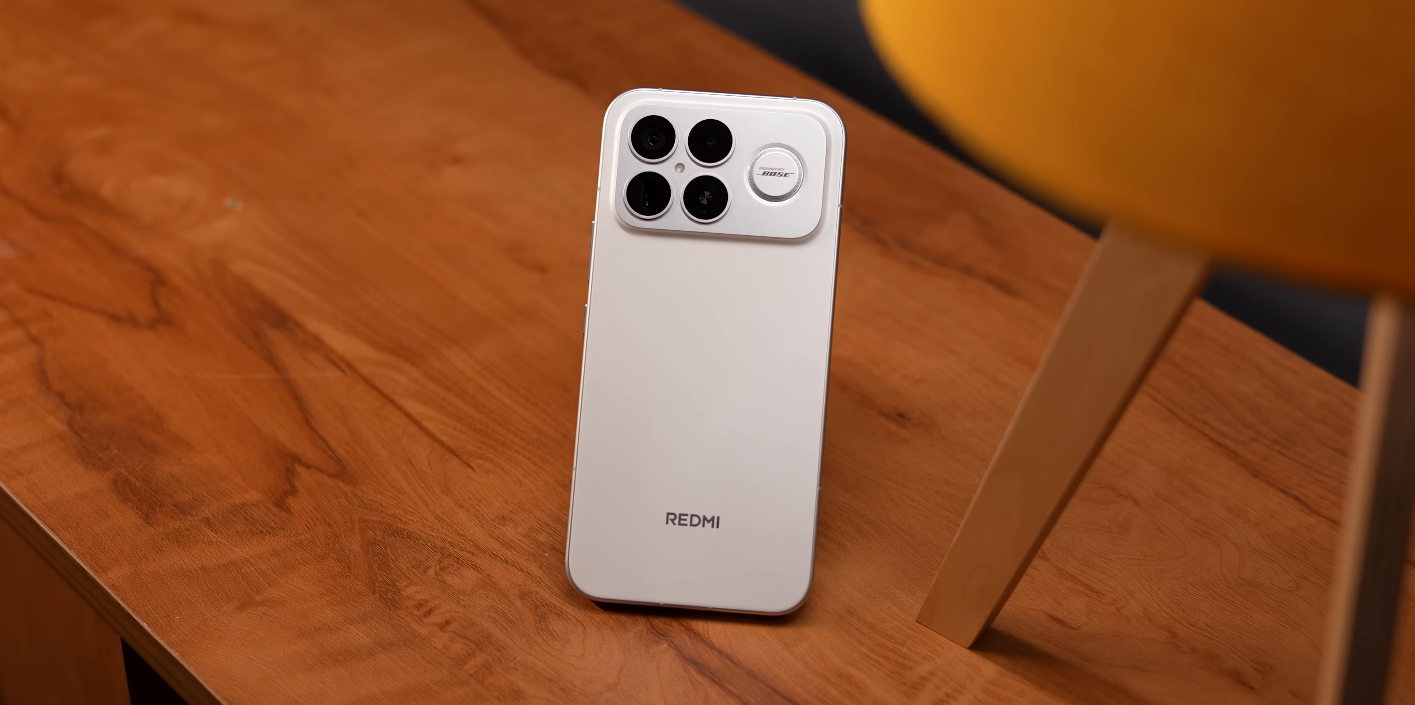
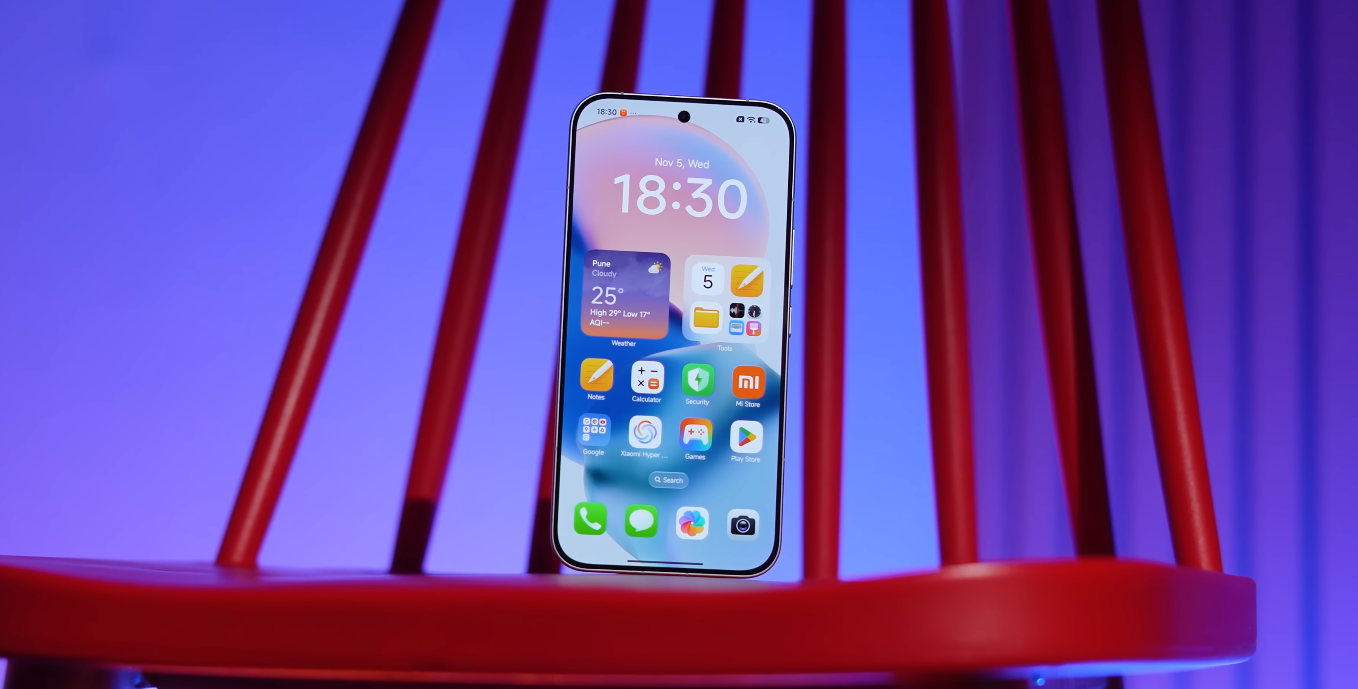
The Redmi K90 Pro Max runs on Xiaomi’s latest HyperOS, marking a major shift from the company’s long-running MIUI interface. This update brings smoother animations, tighter system integration, and improved localisation for international markets, including the UK. The result is a more refined, stable, and intuitive user experience that feels closer to stock Android while maintaining Xiaomi’s signature features.

HyperOS is built on Android 16 and introduces over a hundred system-level improvements. Xiaomi has focused on speed and fluidity, ensuring faster app transitions and reduced background load times. The interface now uses adaptive performance tuning to optimise resources based on user habits, giving the system a noticeably snappier feel compared to older Redmi devices.

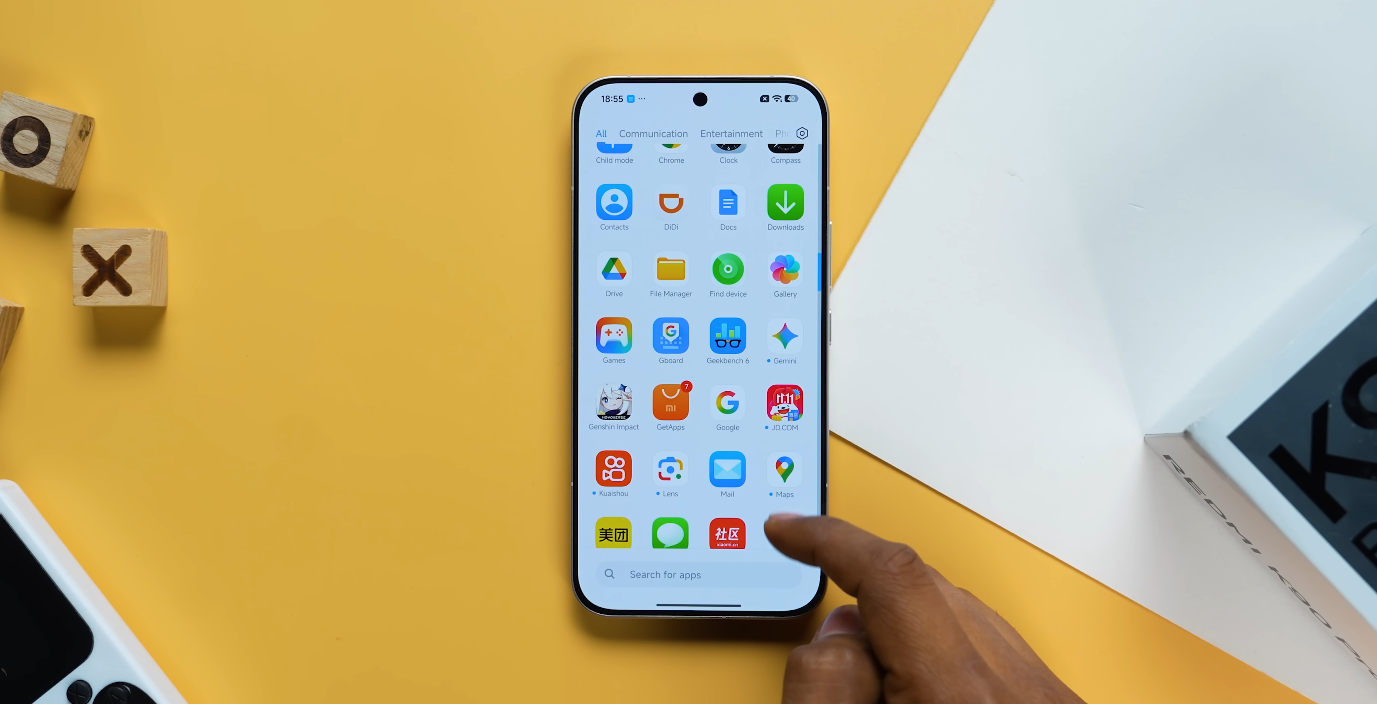
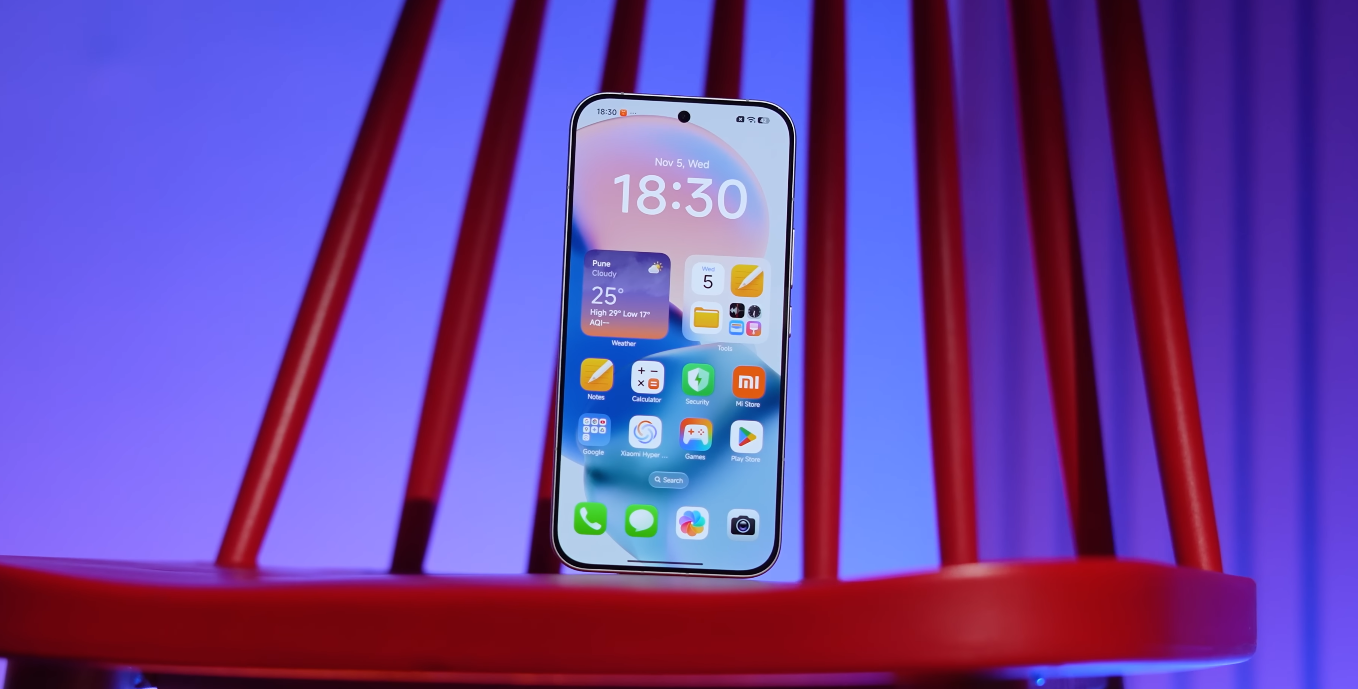
Visually, the user interface has been simplified. Icons are cleaner, menus have been reorganised for easier navigation, and notifications are less cluttered. Widgets have received a major upgrade, allowing more customisation and dynamic content on the home screen. For users coming from MIUI, the difference is immediately visible — HyperOS feels modern, minimal, and responsive.
Redmi K90 Pro Max user interface MIUI HyperOS tweaks and UK localisation

Multitasking has also improved significantly. Floating windows, split-screen functionality, and a redesigned task manager make switching between apps smoother. Xiaomi has optimised memory handling to allow heavy apps, like video editors and games, to remain open in the background without refresh delays. These tweaks make the K90 Pro Max one of the most efficient Redmi phones yet.

For UK users, localisation has been a key focus. The HyperOS global version comes fully optimised for UK English and includes region-specific features such as automatic time zone detection, UK-based weather data, and support for local financial apps and Google Pay. The system also ensures compatibility with all major UK networks and 5G bands right out of the box.

Another important aspect is Xiaomi’s emphasis on privacy and permissions. The new control centre allows users to monitor app access more transparently, and system permissions can be fine-tuned easily. HyperOS now provides clearer prompts and visual warnings when apps access sensitive information, matching privacy standards expected in the UK market.

Users who have tested early UK import models report noticeably faster animations and fewer bugs compared to MIUI 15. Xiaomi’s AI-backed optimisation engine also learns user behaviour, pre-loading frequently used apps and suggesting settings based on routines. This results in faster daily interactions and lower overall power consumption.

HyperOS also integrates more seamlessly with other Xiaomi devices. Smart connectivity allows quick pairing with tablets, laptops, and wearables. The cross-device file transfer feature now works faster and more reliably, improving workflow for users who operate across multiple Xiaomi platforms.

In terms of updates, Xiaomi has promised at least four years of major OS upgrades and five years of security patches for the K90 Pro Max. This aligns with what most UK flagship buyers expect and brings the brand closer to Samsung and Google in long-term software support.

Compared to MIUI, the overall system experience on the K90 Pro Max feels much lighter and more balanced. Animations are smooth, layout transitions are faster, and the software rarely lags even under heavy multitasking. For UK consumers, these refinements make the device a strong daily driver without the quirks that earlier Redmi models occasionally faced.

In short, the Redmi K90 Pro Max delivers a polished, efficient, and locally optimised software experience. HyperOS has matured into a sleek, high-performance interface designed to meet international expectations, and its UK-specific localisation ensures the phone feels truly ready for British users from day one.
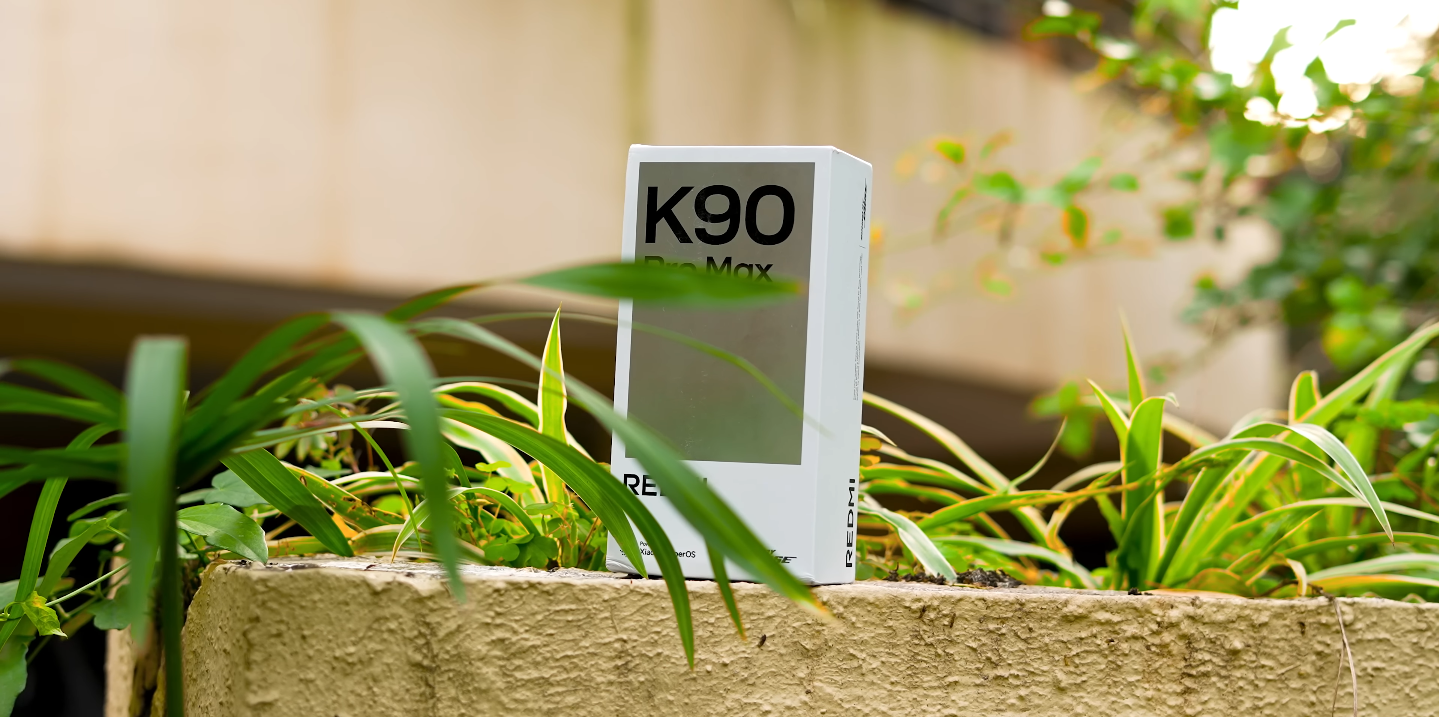
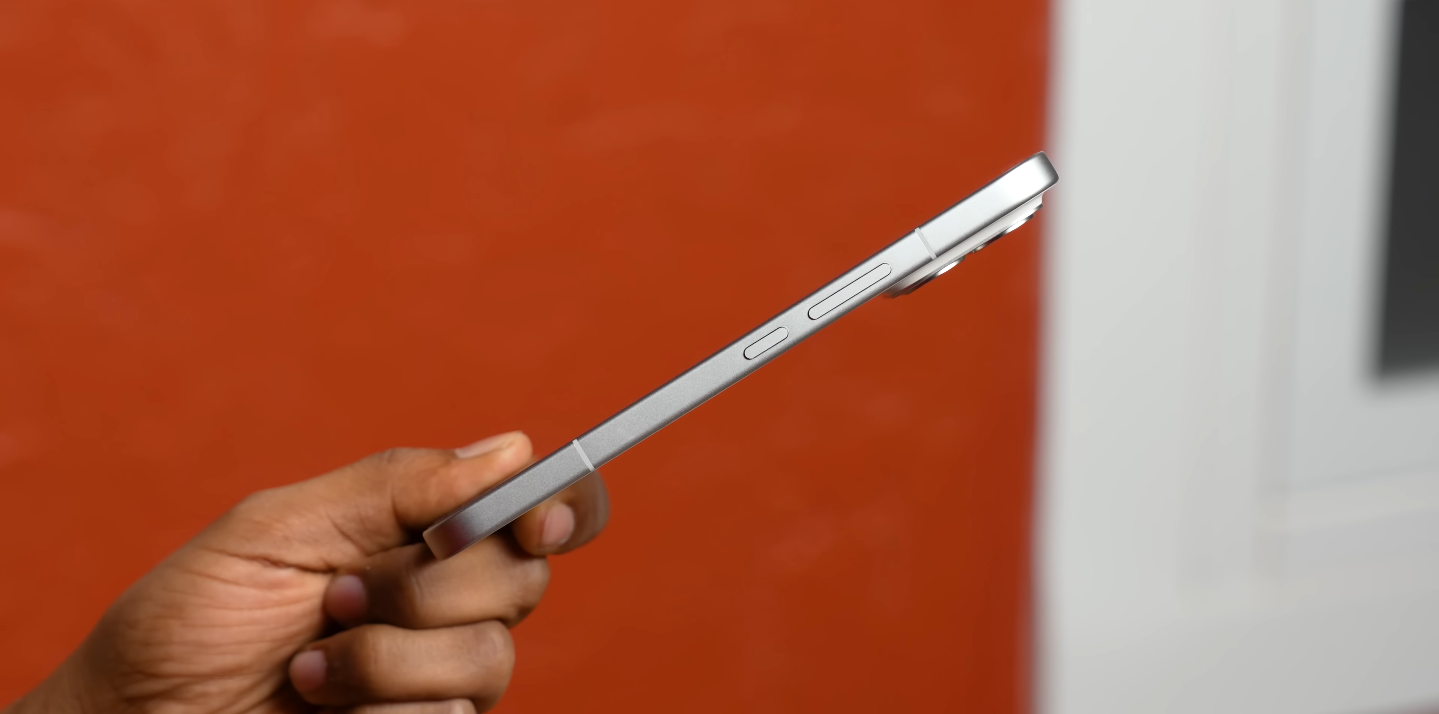
Redmi K90 Pro Max vs OnePlus 13: which should UK buyers pick?

Redmi K90 Pro Max vs OnePlus 13 which should UK buyers pick

Comparing two flagship contenders

Choosing between the Redmi K90 Pro Max and the OnePlus 13 comes down to what you prioritise. Both bring top-tier hardware, but they lean in slightly different directions when considering UK usage, support, software and overall value.

On paper, the Redmi K90 Pro Max packs a massive 7,560 mAh battery, a 6.9-inch 120Hz OLED display and the latest Snapdragon 8 Elite Gen 5 chipset. It also features an impressive audio setup with a dedicated woofer and Bose-tuned 2.1-channel speaker system. The camera system is strong too, with triple 50 MP sensors including a periscope telephoto of 5× optical zoom. It ticks nearly every spec box you’d expect from a premium phone.

The OnePlus 13 meanwhile offers a more compact 6.82-inch display, the same top-end Snapdragon 8 Elite platform, and premium build and features such as IP68/69 water resistance. Its camera system, tied with the Hasselblad brand, is designed for studio-style photos and professional-grade results. It also benefits from strong software support and a globally available variant (important for UK buyers).

Redmi K90 Pro Max vs OnePlus 13 which should UK buyers pick

When it comes to battery life, the Redmi’s 7,560 mAh figure gives it a clear headline advantage. That gives it an edge for users who do heavy gaming or consume lots of media on the move. The OnePlus, while lower on capacity (~6,000mAh in reported specs), may still deliver very good endurance thanks to efficient hardware and software optimisation—but for absolute stamina the Redmi has the edge.

In terms of display and multimedia experience, both are excellent. The Redmi’s larger 6.9-inch panel is great for immersive viewing and gaming, while the OnePlus is easier to handle with its smaller size and potentially better ergonomics. If you prefer a phone that’s big but still manageable with one hand, the OnePlus might feel more refined. The Redmi leans into “screen and sound spectacle”.

Camera systems are a slight differentiator. The Redmi offers top-tier zoom capability via its 5× periscope lens, which is rare even in this price class. The OnePlus touts polished photography via the Hasselblad partnership and likely better consistency in real-world shots—especially for portrait and low-light conditions. If photography is your primary concern, the OnePlus may have subtle advantages.

Software and ecosystem support matter significantly for UK buyers. OnePlus has a stronger track record globally for software updates and wide availability in the UK, meaning easier service and compatibility. Redmi’s model may have variability in global availability, warranty support, and update commitments depending on region. For many UK shoppers this difference could sway the decision.

Price and value also weigh heavily. The Redmi enters with very aggressive specs relative to the anticipated cost, giving excellent value for money if its support and availability match expectations. The OnePlus may command a higher premium but arguably offers a more balanced package for the UK market with stronger network and service backing.

Ultimately it comes down to your usage and priorities. If you value raw hardware, battery life, large screen and multimedia features, the Redmi K90 Pro Max presents a compelling choice. If you prefer a more refined, compact form factor, globally-supported service and excellent photography with software polish, the OnePlus 13 may be the smarter pick for the UK.

For UK buyers on the fence: I’d suggest checking local network compatibility, service centre availability and firmware support for both models. If those align, go with the one whose strengths match your daily usage—battery and screen vs camera and service.

In summary: The “killer-spec” machine is the Redmi K90 Pro Max. The “complete flagship for the UK market” is the OnePlus 13. Pick based on what you’ll use most.

Redmi K90 Pro Max vs Samsung Galaxy S-series: value battle of the year

Redmi K90 Pro Max vs Samsung Galaxy S-series value battle of the year

UK buyers question if legacy premium still justifies higher cost

The conversation surrounding the Redmi K90 Pro Max has been gaining momentum because the device’s specification direction has been aligned with high brightness displays, larger cell efficiency and strong silicon performance, traits that are usually associated with the luxury tier. Samsung’s Galaxy S-series on the other hand continues to represent the mainstream premium benchmark across the UK market, largely because of brand familiarity, carrier presence and dependable retail support networks. That is the background that makes this comparison meaningful for British buyers.

In the UK market, Samsung still remains the most visible Android flagship option on carrier programmes, and this visibility alone influences buying behaviour. Many UK users select their next phone at renewal without extensive research, and the brand security of Samsung gives reassurance in those moments. The extended software support expectation also feeds into those decisions, because buyers know the device will still be relevant for multiple cycles of platform updates.

Redmi’s K-series however has carved out a reputation in global markets for approaching flagship-level hardware while avoiding the luxury-tier positioning. The K90 Pro Max aligns with that approach through focus on top performance silicon and extremely high peak luminance, and this combination has been publicly highlighted by the brand at platform level. That is why UK spec-focused buyers, particularly those who buy devices outright, have begun to track the K-series more closely than before.

Redmi K90 Pro Max vs Samsung Galaxy S-series value battle of the year

Peak display brightness capability is increasingly relevant in the UK because bright winter skies, glass building reflections and low angle sun situations are not rare. When a panel retains detail outdoors instead of dimming or washing out, the phone becomes easier to use during everyday movement. Redmi’s aggressive brightness strategy therefore becomes practical, not just a technical metric. UK users who navigate on foot or rely on maps while travelling already know how large that difference can feel.

Samsung however remains strong when daily consistency is measured. Camera post-processing, adaptive brightness reliability, stable thermal control and predictable performance under load are core strengths of the S-series. For UK users who need reliable capture and smooth performance across social apps, messaging layers and productivity tools, the mature tuning from Samsung continues to deliver a premium day-to-day feeling that justifies the long-standing brand loyalty.

Battery thinking also plays a meaningful role in this particular debate, because UK working patterns have blended remote work, commuting, walking and hybrid travel routines. Redmi’s K-tier cell development has centred on efficiency at higher density levels, which supports sustained screen-on time. If the K90 Pro Max converts those efficiency improvements into longer real-world longevity, that will resonate strongly with UK value buyers who want tangible endurance rather than luxury labelling.

Samsung on the other hand can argue that long-term ecosystem support offers a different kind of value for money. The integration with tablets, wearables, cloud accounts and cross-device continuity gives the Galaxy S-series a lifestyle benefit that goes beyond headline specifications. For UK users who already own multiple Samsung devices, switching away would break those familiar flows, and that ecosystem lock-in has real behavioural weight in purchase decisions.

So the question is no longer simply about which model is stronger on paper. It is about which direction better matches how UK smartphone ownership now works. If British buyers are primarily concerned with raw technical delivery, then hardware-forward releases like the Redmi K90 Pro Max look extremely persuasive. If they are more interested in ecosystem, warranty access, store support and predictable multi-year update cycles, the Samsung Galaxy S-series will remain the default comfortable option.

The UK smartphone environment is changing though, and buyers are more willing than before to question whether the legacy premium tier still deserves its historic price uplifts. The Redmi K90 Pro Max arriving with flagship-leaning characteristics intensifies this questioning process. It shows that modern flagship logic is not only tied to brand status, but also to how efficiently hardware value is delivered to everyday users.

That is why this particular match-up has been called the value battle of the year in the UK. Both devices represent different strategies, both strategies are valid, and both approaches target different psychological triggers. The deciding factor for the UK buyer is whether they prioritise maximum capability for less money, or whether they prioritise the comfort of long-term brand stability.

Also Read:  Moto G67 Power Rumored to Feature 120Hz Display

Redmi K90 Pro Max vs Google Pixel 9: which is better for photography lovers?

Redmi K90 Pro Max vs Google Pixel 9 which is better for photography lovers

Comparing Camera Performance for Everyday and Creative Shooters

The Redmi K90 Pro Max and Google Pixel 9 approach smartphone photography from different angles, offering two distinct experiences for users who care about image quality. Both devices bring strong camera hardware and software, yet they prioritise different aspects of the shooting process. Understanding these differences helps photography enthusiasts choose the one that best fits their style.

The Redmi K90 Pro Max features a triple 50 MP camera setup, including a large main sensor, a 50 MP periscope telephoto lens with 5x optical zoom, and a 50 MP ultra-wide lens. This configuration focuses on hardware versatility, offering multiple shooting distances with minimal loss in detail. For users who enjoy experimenting with framing or capturing distant subjects, this variety is a significant advantage.

The Google Pixel 9, meanwhile, relies on a main 50 MP sensor paired with a 48 MP ultra-wide lens. It does not include a dedicated optical telephoto lens, which limits zoom performance compared to the Redmi. However, Google compensates with advanced image processing and computational photography, delivering strong clarity and colour even when zooming digitally. This creates highly consistent results without requiring manual adjustments.

Redmi K90 Pro Max vs Google Pixel 9 which is better for photography lovers

Image processing is where the Pixel 9 stands out. Google’s camera system is tuned to deliver balanced exposure, accurate colours, and excellent skin tones in most scenarios. Everyday scenes, portraits and low-light environments often require minimal effort from the user. The camera app is simple, fast and reliable, making the Pixel a dependable choice for those who prioritise consistency and realistic results.

The Redmi K90 Pro Max offers more creative control through its sensor layout. The 5x optical zoom allows photographers to capture distant subjects without heavy quality compromise. Architectural shots, stage events and outdoor landscapes benefit from this reach. The ultra-wide and main lenses also provide strong detail when lighting is reasonable. However, the final output often depends more on the user’s technique, as processing may vary across scenes.

Low-light photography is another key consideration. The Pixel 9 continues to perform well in dim conditions thanks to its refined night mode, which enhances brightness while preserving the natural tone of the scene. It tends to avoid oversharpening and heavy contrast adjustments. The Redmi K90 Pro Max can also capture bright and detailed night images, especially with the large main sensor, but the results sometimes appear more processed, depending on the situation.

Redmi K90 Pro Max vs Google Pixel 9 which is better for photography lovers

For portrait photography, the Pixel 9 offers some of the most consistent edge detection and background separation currently available on a smartphone. Skin tones appear natural and pleasing, which is important for capturing people. The Redmi K90 Pro Max provides detailed portraits too, especially with its telephoto lens enabling flattering focal lengths. However, colour tones may need slight adjustment depending on lighting.

When considering long-term usage, software support plays a role. The Pixel 9 is set to receive extended software and camera updates, which can improve image performance over time. The Redmi K90 Pro Max will receive updates as well, but long-term support depends on the specific market version, especially for UK buyers who may import the device. This is relevant for photography lovers expecting stable camera performance over several years.

Availability and ease of use also influence the overall experience. The Pixel 9 is officially supported in the UK, ensuring full network compatibility and straightforward warranty services. The Redmi K90 Pro Max may require sourcing from import channels, and setup may involve manual adjustments to enable all features smoothly. For users who prefer a simple, polished experience, this difference matters.

In summary, the Redmi K90 Pro Max is ideal for photography lovers who value hardware flexibility, especially optical zoom and varied focal lengths for creative composition. It rewards users who enjoy refining shots or exploring diverse shooting environments. The Pixel 9, on the other hand, is the better choice for those who want reliable, natural-looking images with minimal effort. It excels in everyday scenes, portraits and low-light settings with dependable results. The decision ultimately depends on whether the photographer values versatility or consistency.

Redmi K90 Pro Max vs Redmi K90 standard: are the upgrades worth it?

Redmi K90 Pro Max vs Redmi K90 standard are the upgrades worth it

A closer look at specs and real-world value differences between the two Redmi K90 models

The Redmi K90 Pro Max and the regular Redmi K90 share a family name, but they are not equal devices in practical usage. UK buyers who follow Xiaomi and Redmi product cycles already know that the “Max” tag normally means more than just a bigger screen. With this generation, the gap is noticeably wider, and there are headline upgrades that are clearly aimed at users who want longevity, stronger camera flexibility, and a more premium media experience without paying the same as ultra-tier phones.

The core chipset itself is one of the biggest changes. The K90 Pro Max carries the newer Snapdragon 8 Elite Gen 5 platform, while the standard Redmi K90 uses the earlier Snapdragon 8 Elite chip. Both are fast, but long-term performance advantage naturally leans toward the Pro Max, especially where annual Android updates and heavier graphical workloads are involved. For UK users who love big game titles or record high resolution video clips, this extra overhead matters over two to three years of ownership rather than just on launch day.

Battery capacity is another major differentiator. The Redmi K90 Pro Max is positioned with a noticeably larger battery pack and also supports wireless charging alongside high-watt wired charging. The regular K90 is more traditional, with less emphasis on premium energy tech. Anyone in the UK who spends long hours outdoors, takes trains frequently, or travels between campuses and offices without consistent charging access may see direct value in that efficiency plus fast recharge capability. Being able to top up quickly can make a real difference in day-to-day convenience.

Redmi K90 Pro Max vs Redmi K90 standard are the upgrades worth it

On the camera front, the Pro Max has a flagship-style triple 50MP configuration including a genuine periscope telephoto lens with 5x optical zoom. The regular Redmi K90 does not match that optical flexibility. This is not a small difference in practical terms. For sports events, distant architecture, wildlife, street details, or holiday travel in coastal regions, the optical reach gives the Pro Max a clearly more capable photographic tool. If a buyer is purely interested in social media pictures and general indoor shots, the standard K90 may still be fine, but if zoom matters, the upgrade is meaningful.

The display on the Pro Max is also bigger and brighter, with peak brightness figures that are easier to appreciate outdoors. In the UK, where bright sunlight is rare but not non-existent, high brightness makes a difference when reading maps, watching content outdoors, or checking apps in reflective conditions. The standard K90’s screen remains capable, but the Pro Max pushes into a more premium category with stronger visual headroom and better suitability for HDR streaming material.

Audio is another area where the Pro Max stretches its identity. Bose-tuned 2.1 speaker hardware makes the device feel more like a compact entertainment unit rather than a typical mid-flagship phone. Stereo balance and low-end depth are both improved compared to standard stereo modules. If a buyer watches football highlights, Netflix dramas, or music videos directly through the device speakers, this detail has everyday impact rather than being a spec sheet ornament.

Durability also aligns with the Pro Max positioning. IP68 dust and water resistance is available on the top model, giving confidence for UK weather conditions such as rain exposure, wet pavements, and splash contact when walking outside. The standard Redmi K90 does not offer this same resilience guarantee. For a country known for sudden showers, this one upgrade alone can justify the difference for certain buyers.

When all these points are weighed together, the critical factor is not whether the Pro Max is better, because it clearly is, but whether the premium features line up with how a person uses their phone. If a buyer mainly browses social apps, texts, streams indoors, and wants decent performance at a fair cost, then the regular Redmi K90 stays a sensible purchase. It is still modern, still quick, and does not waste money on features that may never be used regularly.

However, if a buyer wants future-proofing, stronger zoom photography, wireless charging, brighter outdoor visibility, better speakers, and higher weather resistance, then the Redmi K90 Pro Max is not a marginal upgrade but a major step up in practical capability. In that context, the additional spend is not a luxury purchase, but a durability and flexibility investment that holds value across several UK seasons rather than just one.

Redmi K90 Pro Max user experience after one week: what early owners say

Redmi K90 Pro Max user experience after one week what early owners say

Early impressions suggest the flagship alarm is real — with caveats

After spending about a week with the Redmi K90 Pro Max, early adopters are reporting a mix of impressive highs and a few realistic trade-offs. Many users are already noting that this device behaves like a genuine flagship in day-to-day life — in some cases surprising them given the “value” positioning. But it’s not all flawless, especially for users outside China/importers who may face regional quirks. Below are the key take-aways from the first week of hands-on experience.

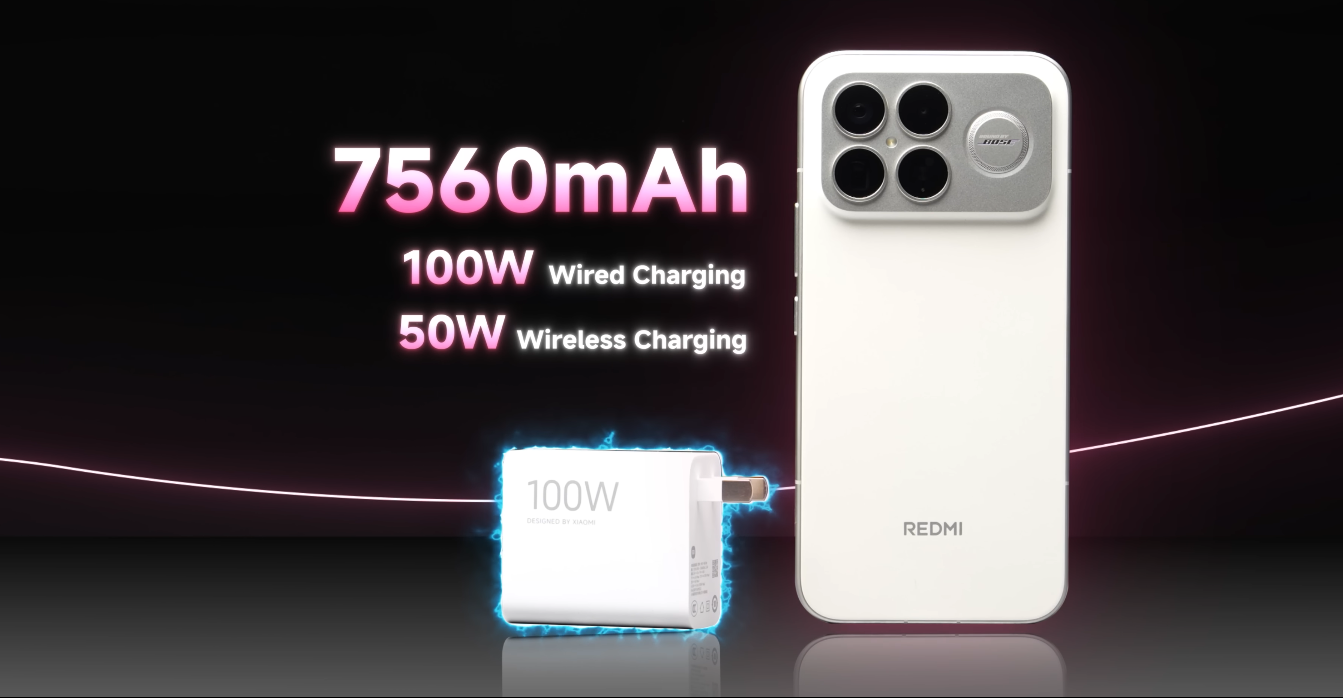
One of the most consistent positives: battery life. Owners say the large 7,560 mAh silicon-carbon cell truly delivers. Several report easily getting through a full day of intense mixed use — gaming, streaming, camera testing and maps — with still 20-30% remaining in the evening. One noted: “I charged it at 7 am, used GPS navigation, 90Hz display, streaming podcasts and still had 40% before bed.” With the support for 100 W wired and 50 W wireless charging, the fast top-ups are also appreciated. The combination of large battery and rapid charging seems to reduce “battery anxiety” that many premium phones provoke.

In display and outdoor visibility, the phone also seems to over-deliver. Users say the 6.9″ 1.5K OLED panel (reported at up to ~3,500 nits peak) remains clear under bright daylight and low-angle sun. One UK-based commissioner noted: “Walking across town under bright glass shop-fronts I could still read my navigation map clearly without shading the screen.” The smooth 120Hz refresh combined with high brightness gives a premium feel. Also praised is the display responsiveness and touch-feel, making the device feel contemporary rather than “budget flagship”.

Redmi K90 Pro Max user experience after one week what early owners say

Audio is another area drawing strong comments. The phone features a Bose-tuned 2.1 speaker system with a dedicated woofer, which is rare in phones. Early users say the stereo effect is exceptional for music, video and even gaming, giving a fuller sound than many other phones in the price/segment. One said: “It’s the first time I’ve actually considered turning up the phone speaker instead of grabbing headphones.” For streaming on the move, this matters more than many expect.

Performance wise, the Snapdragon 8 Elite Gen 5 chipset paired with up to 16 GB RAM has delivered buttery smooth behaviour in everyday switching, multi-tasking and gaming. Gamers who ran intensive titles reported minimal frame drops and acceptable thermals — though some noted sustained gaming did raise the chassis temperature to “warm” levels. For most users this isn’t a big issue, but it’s worth noting if you plan heavy gaming sessions.

On cameras, impressions are cautiously positive. The triple 50MP rear setup (wide + ultra-wide + 5× periscope) gets praise for good daylight imagery, strong dynamic range and reliable autofocus. One owner commented: “Day shots are sharp, colour realism is spot-on.” The periscope zoom lens was described as decent for 3-5×, but several users said low-light zoom performance did not match the very top flagship tier. This matches one reviewer’s note that image quality “might not be as big an upgrade as the headline suggests”.

Build quality receives acclaim — the phone feels solid in hand, with premium materials, good finish and a weight that feels balanced for a 6.9″ big screen. Some remarked the denim-blue colour finish (available in some markets) gives a distinctive touch. However, for UK users importing the Chinese version, there are caveats: the box may include a Chinese charger plug, lack full UK 5G band support, and service/warranty channels may be limited. One user wrote: “Brilliant hardware but I’m accepting I might be on my own for support if I import.”

On software, the device ships with HyperOS (China version) which many reviewers say is feature-rich but may include bloat or region-locked features. Users in the UK who imported it mention that Google Pay and wider Google services may require workarounds, and UK OTA update footprint may be uncertain. While this won’t bother tech-savvy buyers, it may matter for mainstream users expecting plug-and-play ease.

Overall, after one week the consensus among early owners is largely favourable: the Redmi K90 Pro Max offers a flagship experience on many fronts — battery, display, audio and performance — with a value twist. The “but” items are mostly around import risks, software/update expectations, and camera zoom/low-light boundaries. For UK buyers who are comfortable with a little import risk or willing to wait local launch, this phone appears to deliver much more than its price might suggest.

Also Read:  iQOO Neo 11 could become the most talked about Android launch in the UK

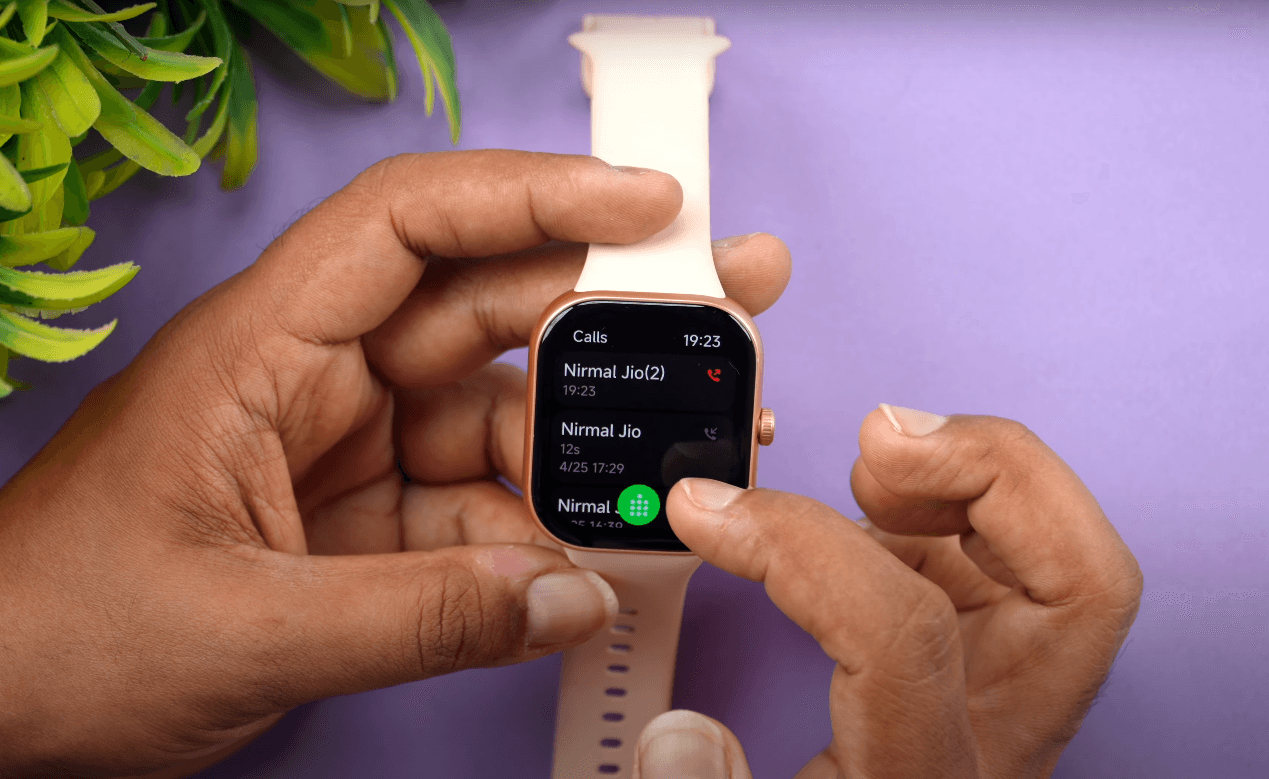
Redmi Watch Move Call test

Redmi Watch Move

I have the Redmi Watch Move. The review emphasizes the watch’s design, functionality, and value at this price point. The design is highlighted as particularly appealing, offering a premium appearance that rivals watches costing much more. First off, let’s discuss what I liked about the watch, and the first thing is its design. It includes multiple color options and a full-function crown for versatile use.


Operates at a refresh rate of 50-60 Hz, providing a sharp and vibrant viewing experience


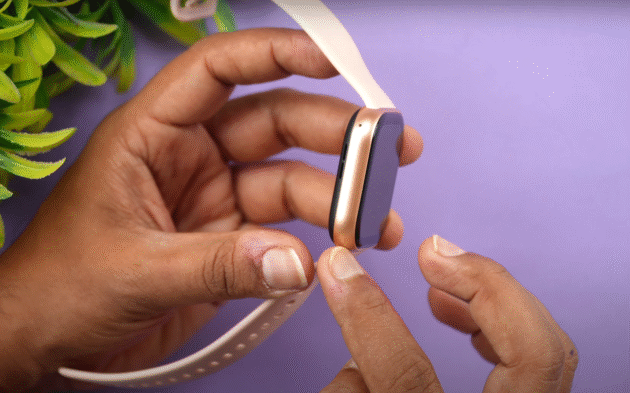
The display features AMOLED technology, despite having some bezels, and operates at a refresh rate of 50-60 Hz, providing a sharp and vibrant viewing experience. It means you get good build quality and nice design here, especially considering the price point. You have a plastic frame with TPU straps and a plastic buckle. The watch is lightweight and very comfortable to wear.


The watch is equipped with IP68 water resistance, allowing usage in various conditions such as swimming. Because it’s so light, you hardly feel like you’re wearing a watch at all. The body size is pretty suitable, so whether you’re a man or a woman, it’ll look good on anyone’s wrist. Plus, there are multiple color options available for this watch, You can find them easily.


I can’t adjust the brightness. I’m asking for a bit too much considering the price, but it would be better if it was possible. IP68 Water Resistance: Safely use the watch in water up to 1.5 meters for 30 minutes. Offers a vibrant and sharp viewing experience, supporting positive outdoor visibility.


You get an IP 68 rating and AMOLED display


The step comes with a quick release mechanism, which means you can use third-party straps on it. This crown can do multiple things, like scrolling through the menu. If you long press it, the AI gets activated, and with a few more long presses, you can adjust various settings. I’m really impressed with the watch’s build quality.


Here you get an IP 68 rating, which means you can use this watch in water up to 1.5 meters deep for about 30 minutes. To me, that seems a bit low because if it had a 5 ATM rating on paper, it would feel a lot more reassuring. But honestly, I think using it in slightly deeper water shouldn’t be a problem. The next thing, I liked about the Redmi Watch Move is the display. It comes with an AMOLED display.


Redmi Watch Move
Redmi Watch Move


What I really liked about this display is the pixel density; it’s quite good. This means that the watch faces and text look really sharp, and any content you view on the display, whether it’s apps or anything else, looks great. Sure, the bezel on the side is a decent size, but since… You get a curved design on the front, which makes it look pretty premium. Plus, the AMOLED display switches between a 50-60 Hz refresh rate. It also has a peak brightness of 600 nits, which isn’t a huge number, but you won’t have any issues using it outdoors.


The next thing I don’t like about it is that the watch is lightweight, which is a plus since it’s not bulky. But here’s the issue with the crown: it sits really close to your wrist. So when you try to scroll it, your finger keeps touching your wrist, and the watch ends up being a bit of a hassle.


This watch easily pairs with the Mi Fitness app


If you’re tracking your heart rate or monitoring your health, you’ll feel like you’re using a nice watch with a good display. It also has an always on display feature, which is a great bonus. This watch easily pairs with the Mi Fitness app, and you’ve got loads of options there. For instance, you can use a bunch of different watch faces on it. Whether it’s analog, digital, or even cartoon-based. I really liked the watch faces here. Now, talking about the app, you’ve got tons of options inside. For example, if you go into the health section, you can check everything about your vitality, and within that, you can see how you’re performing over a week.


The memory is a bit limited, meaning you can’t have more than four or five watch faces downloaded at the same time. But when it comes to watch faces, you definitely have plenty to choose from. There are a bunch of options. If you score well, you even get some points. Redmi has done a great job here with the app’s integrations in the watch.


It’s really snappy, and with a refresh rate of around 50-60 Hz, you won’t feel any lag or sluggishness. The watch is well optimized. It runs on Hyper OS here and offers great connectivity.


Redmi Watch Move calling and App test


The app is pretty neat and well-organized. You can easily access everything. I noticed that the health report shows a blood pressure feature, but there’s no blood pressure feature in the app itself. Plus, there are some additional features like tracking your menstrual cycle. But you’ve got your heart rate, SpO2, stress monitor, and the vitality score I mentioned—all of that is available here. Redmi claims this is around 97 to 98% accurate, which seems pretty spot on based on my testing. Speaking of features, let’s talk about fitness tracking.


There are over 140 fitness activities available here, including outdoor running, walking, hiking, gym workouts, and more. So you can definitely rely on it. Plus, there’s an auto-detect feature that works with about seven activities, meaning it automatically recognizes those workouts for you. So, it saves you a bit of effort. And you’ve also got the ‘raise to wake’ feature here. Comprehensive app support that enables multiple watch faces and tracks health metrics effectively.


Also Read: HUAWEI WATCH D2: A Perfect Blood Pressure Moniter Smart Watch   


It’s really snappy, and with a refresh rate of around 50-60 Hz, you won’t feel any lag or sluggishness. The watch is well optimized. It runs on Hyper OS here and offers great connectivity. You can control your music with it too. You can control your music with it too. You can make calls with it. There’s a dialer available. You get call lock features. You can also reply to notifications if you want to. It’s packed with smart features.


Redmi Watch Move Battery backup


What I really liked is its battery backup. The brand claims that if you turn off the always-on display, it can give you about 14 days of battery life. With the always-on display on, it lasts around 5 days. In my usage, I kept the always-on display switched on.


Now let’s talk about what I didn’t like. The first thing is, sure, you get an AMOLED display here, but there’s no adaptive brightness feature available. This means that when you move from a bright outdoor space to a dim indoor area. And It’s got a backup that lasts comfortably between 5 to 6 days, which I think is pretty good. And if you turn it off, you’ll get even more backup.


The crown can be difficult to manipulate comfortably due to its close proximity to the wrist. Despite these downsides, the review recommends the Redmi Watch Move as a solid purchase for anyone looking in the budget-friendly segment of the smartwatch market. The Redmi Watch Move exudes a premium feel despite its low price, making it visually appealing. Music control, calls, and notifications enhance user experience despite being a budget model.


Also Read: Scykei Movis: The Smartwatch with Vibrant AMOLED and Long-Lasting Power   


Redmi K90 Pro Max storage expansion: how many GB will you need for 2025?

Redmi K90 Pro Max storage expansion how many GB will you need for 2025

Picking the right storage size for long-term use

The Redmi K90 Pro Max has arrived as one of Xiaomi’s most feature-packed flagships, offering configurations up to a massive 1TB of internal storage. But with no microSD card slot available, the version you choose now will determine how much space you’ll have for years to come. As apps, photos, and videos keep getting larger in 2025, selecting the right storage capacity has never been more important for UK buyers.

The base variant of the Redmi K90 Pro Max comes with 256GB of UFS 4.0 storage, paired with 12GB of RAM. This configuration is ideal for moderate users who rely heavily on streaming services, cloud storage, and online content. If your phone use is limited to social media, messaging, and occasional photography, 256GB should handle your daily needs comfortably.

However, 2025’s mobile apps and media files are far larger than they used to be. High-resolution games like Genshin Impact or Call of Duty Mobile can take up more than 20GB each, while 4K video recordings from the K90 Pro Max’s 50MP cameras can consume several gigabytes in minutes. For users who love capturing memories or downloading large files, the 512GB option offers a much safer balance between cost and capacity.

Redmi K90 Pro Max storage expansion  how many GB will you need for 2025

The 512GB variant provides ample space for gaming libraries, offline music, 4K videos, and system updates without worrying about frequent storage management. It’s the sweet spot for most UK buyers — giving enough room for future growth while still keeping the price below many competing flagships that start at much higher rates.

For creators, professionals, or those who simply never want to think about storage limits, the 1TB version is the best long-term investment. With it, you can store extensive photo collections, 8K videos, RAW images, and large editing files directly on the device. This variant also helps maintain consistent performance, since flash storage slows slightly when nearly full. The extra capacity ensures smooth operation even years down the line.

Xiaomi’s use of UFS 4.0 technology also means read and write speeds are significantly faster than in older Redmi models. This improves file transfers, app loading times, and overall system responsiveness. However, because the Redmi K90 Pro Max does not support external expansion, users can’t upgrade storage later — making the initial choice crucial.

Another factor to consider is the longevity of the phone. Xiaomi has promised four major Android updates and five years of security patches for the K90 Pro Max, meaning you could realistically use the phone until the end of the decade. If you plan to keep it that long, opting for at least 512GB ensures that your device won’t run out of space as file sizes continue to grow.

For UK users who travel frequently or rely on offline storage due to limited mobile data, higher storage is especially valuable. With 5G and 4K video streaming now common, caching and downloads can easily fill smaller capacities in months. Having extra headroom keeps the experience hassle-free and future-ready.

In conclusion, the Redmi K90 Pro Max’s lack of expandable storage makes the decision between 256GB, 512GB, and 1TB more important than ever. The 256GB variant suits casual users, 512GB offers the ideal balance for most, and 1TB caters to power users and professionals. In 2025, with growing app sizes and media demands, investing in extra storage today ensures your phone stays fast, capable, and future-proof for years ahead.

Redmi K90 Pro Max should you wait for global launch or import now?

Redmi K90 Pro Max should you wait for global launch or import now

Deciding Between Importing the Redmi K90 Pro Max or Waiting for the Global Release

The Redmi K90 Pro Max has generated significant excitement since its launch in China, with its flagship-level specifications offered at a mid-range price point. UK buyers now face a familiar question — should you import it early or wait for the official global release? Each option has its pros and drawbacks depending on your priorities.

For those eager to own the device now, importing offers clear advantages. The Chinese model is already available through trusted resellers, and buyers can enjoy the full hardware suite months before its expected international release. You’ll get access to its Snapdragon 8 Elite Gen 5 processor, 2K AMOLED display, periscope zoom camera, and 100W fast charging — all of which make it a genuine powerhouse. For early adopters and tech enthusiasts, the chance to experience it ahead of time is appealing.

However, importing also brings notable risks. The biggest concern is warranty and service support. Imported Chinese models usually don’t come with official UK warranty coverage, meaning any repair or defect may require overseas shipping and additional costs. In addition, customer service for imported units can be limited or unavailable in the UK, creating potential difficulties if issues arise later.

Redmi K90 Pro Max should you wait for global launch or import now

Software compatibility is another factor to consider. The Chinese variant of the Redmi K90 Pro Max runs on HyperOS with regional customisations, including pre-installed Chinese apps and limited Google integration out of the box. While most users can easily install Google services manually, some system features might not behave identically to global versions. It’s also possible that future software updates roll out later or differently compared to official UK builds.

Network support is generally good but not flawless. The imported version may lack full coverage for all UK 5G and 4G bands, depending on the network provider. For example, certain sub-6GHz frequencies used by British carriers may have limited optimisation, leading to weaker reception or slower speeds in rural areas. Urban users in London or major cities are unlikely to face major issues, but full compatibility is guaranteed only with the global model.

Cost is another consideration. While the device may seem cheaper upfront, additional import taxes, customs duties, and shipping fees can raise the final cost closer to or even above its expected UK price. Chargers bundled with imported units often use non-UK plugs, requiring an adaptor for safe charging.

Waiting for the global release, on the other hand, brings stability and reassurance. The official UK model will arrive with full local support, warranty, and software tuned specifically for European networks and regulations. You’ll also benefit from regional updates, reliable carrier compatibility, and straightforward after-sales service. For most buyers, these advantages outweigh the few months of waiting.

The global version may also include minor software refinements, optimised camera tuning, and improved battery calibration based on early user feedback from China. Xiaomi often uses these months between releases to address launch bugs and fine-tune performance, ensuring smoother performance by the time it reaches UK shelves.

In conclusion, if you are a tech-savvy user comfortable with potential trade-offs, importing the Redmi K90 Pro Max now offers immediate access to flagship technology. However, if you value long-term reliability, official warranty, and guaranteed UK compatibility, waiting for the global launch is the smarter and safer option. For most UK buyers, patience will likely pay off with a more refined and fully supported experience.

Redmi K90 Pro Max vs Xperia 1 VI: high-end match-up at value price

Redmi K90 Pro Max vs Xperia 1 VI high-end match-up at value price

Flagship performance face-off between Xiaomi and Sony

The smartphone market in 2025 has no shortage of premium contenders, but few comparisons are as interesting as the Redmi K90 Pro Max going up against the Sony Xperia 1 VI. Both phones deliver flagship performance, high-end design, and cutting-edge technology — yet they target very different audiences. While Sony’s device caters to professionals and creators, Xiaomi’s flagship aims to deliver elite performance at a value price.

At the heart of the Redmi K90 Pro Max is Qualcomm’s Snapdragon 8 Elite Gen 5 processor, built on a 3nm architecture for faster speeds and improved efficiency. Paired with up to 16GB of RAM, it offers serious power for gaming, multitasking, and productivity. The Xperia 1 VI also runs a Snapdragon 8 Gen 3, which is slightly older but still a top-tier chipset known for stability and balanced thermal performance. In synthetic benchmarks, the Redmi edges ahead, but both perform flawlessly in daily use.

The display comparison reveals two different philosophies. The Redmi K90 Pro Max features a 6.9-inch OLED display with a 120Hz refresh rate and up to 3,500 nits of peak brightness. It’s perfect for gamers and media enthusiasts who love vibrant, expansive visuals. The Xperia 1 VI, on the other hand, uses a 6.5-inch 4K OLED panel with Sony’s signature 21:9 aspect ratio — a delight for movie lovers and creators who prefer cinematic accuracy over sheer brightness.

Redmi K90 Pro Max vs Xperia 1 VI high-end match-up at value price

Battery life is another area where the Redmi K90 Pro Max shines. With a massive 7,560mAh cell, it comfortably outlasts most rivals, including Sony’s 5,000mAh unit. Xiaomi’s 100W wired and 50W wireless charging further solidify its advantage, delivering a full charge in under 30 minutes. In contrast, Sony’s phone offers slower charging but compensates with cooler operation and better longevity over repeated cycles.

When it comes to cameras, the Xperia 1 VI maintains Sony’s long-standing dominance in optical quality and creative control. It features a triple-camera setup with real optical zoom and advanced manual modes. The Redmi K90 Pro Max, while also boasting three 50MP sensors, relies heavily on computational photography and AI enhancements. Its images are crisp and detailed, but professionals may still prefer the Xperia’s colour accuracy and manual flexibility.

Design preferences will vary by user. The Redmi K90 Pro Max embraces bold styling and a large footprint, appealing to those who want a big-screen experience. The Xperia 1 VI retains Sony’s understated elegance, with a slimmer, more comfortable profile for one-handed use. Both are built from premium materials, though Sony’s IP68 water resistance gives it an edge in durability.

In terms of software, Xiaomi’s HyperOS focuses on speed and modern aesthetics, integrating AI-based resource management and customisation tools. Sony’s Android skin stays closer to stock, offering a cleaner interface with a professional focus. While Xiaomi provides more visual flair, Sony’s software wins in consistency and simplicity.

For UK buyers, pricing makes this comparison even more striking. The Redmi K90 Pro Max is expected to start around £699 for the 12GB/256GB version, significantly undercutting the Xperia 1 VI, which retails near £1,200. That difference alone positions Xiaomi’s flagship as one of the best value propositions in the high-end segment.

In real-world use, the Redmi K90 Pro Max impresses with its combination of raw performance, exceptional battery life, and fast charging. The Xperia 1 VI counters with unmatched camera precision, superior display calibration, and brand prestige. For creators and photographers, Sony remains the more refined choice. For users seeking flagship power at a fraction of the price, Redmi’s offering is difficult to beat.

In conclusion, the Redmi K90 Pro Max and Xperia 1 VI highlight two distinct interpretations of a flagship phone. The Redmi delivers maximum performance and endurance at a disruptive price, while the Xperia focuses on finesse, craftsmanship, and optical mastery. For most UK buyers looking for high-end performance without a high-end price tag, Xiaomi’s K90 Pro Max emerges as the smarter choice.

Redmi K90 Pro Max unleashes monster-battery for unstoppable all-day use

Redmi K90 Pro Max unleashes monster-battery for unstoppable all-day use

High-efficiency cells and energy density breakthroughs set expectations high

Xiaomi has been vocal this year about step-change battery density gains, and the Redmi K series has increasingly been positioned as the brand’s high-efficiency and performance showcase. While Xiaomi has not yet formally announced a Redmi K90 Pro Max, the company’s public statements around its latest silicon-carbon cell chemistry, thermal control work, and power distribution optimisation have fuelled expectations that the next flagship in the K line could centre heavily on more usable real-world screen-on time. UK users who routinely work away from power sockets have been particularly interested in these efficiency-first claims, because long-life batteries are still one of the most practical metrics that matter day to day.

Xiaomi confirmed earlier this year that its silicon-based battery platform can deliver higher energy density in the same physical footprint compared to traditional graphite cell stacks. This improvement means that future flagship batteries can be larger in effective watt-hour terms without forcing a thicker chassis. For consumers in the UK, where colder months can amplify battery strain, more power headroom is not only about gaming or streaming stamina, but also about insulation against seasonal efficiency drops.

During technical communications around the Redmi K70 family, Xiaomi highlighted power control firmware that can re-prioritise watt draw based on live load conditions. It is not the model name that matters here, but the platform progression within the K line. If the next iteration follows this trajectory, the experience could translate to sustained brightness, steadier frame pacing in graphical loads, and fewer hard throttles during multi-hour capture sessions.

Redmi K90 Pro Max unleashes monster-battery for unstoppable all-day use

Fast charging is an area where Xiaomi has been confident on record, but the company has simultaneously tried to reduce charge-cycle damage by modulating peak wattage in a more controlled curve. Instead of hammering the cell with full draw, the system can taper dramatically once the upper state of charge window begins. This is relevant for UK commuters who top-up mid-day at a desk, because the most harmful region for the cell chemically is the high percentage zone if blasted aggressively.

Thermal envelopes have also been a focus. Xiaomi has been publishing more about vapour chamber expansion, graphite stacking tweaks, and advanced phase change substrates. When thermal balance becomes more consistent, battery drain stabilises, because SOC estimation does not have to compensate for heat swings. This pays off during long GPS legs or mobile hotspot usage, which are notoriously battery intensive even on premium flagships.

Xiaomi engineers have additionally talked publicly about AI-guided power gating. The idea is that the firmware predicts whether a transient peak is a single spike or the beginning of a sustained load. If the algorithm classifies it as short-lived, the system avoids ramping every block up, and this trims waste. For UK users switching between camera capture, messaging, and maps quickly, this type of predictive gating saves small amounts repeatedly, which compounds over a whole day.

The current Redmi platform also ships with power-aware brightness that combines ambient lux readings, HDR metadata, and panel LUTs. Better mapping means less over-driving the panel in bright outdoor scenes, particularly in winter sun glare off glass at lower angles. When applied consistently, this alone preserves tens of minutes of screen-on time per charge cycle without visually degrading the image.

On the software side, Xiaomi has been working on persistent system-cache tuning to reduce repeated flash writes during app switching. NAND writes draw more power than static RAM access, so reducing constant write churn brings incremental savings. As flagship silicon moves to denser node processes, firmware savings become more influential than brute cell volume.

Taken together, the officially discussed platform improvements make it credible that the next high-tier Redmi K device could lean fully into an all-day battery story. The UK readership has shown a practical preference for endurance over marginal synthetic benchmark uplifts, especially with hybrid work patterns where portable power banks are not always carried.

If Xiaomi’s next K series flagship inherits these verified efficiency layers, the “monster-battery” narrative would stem less from sheer milliamp numbers and more from energy density, thermal stability, and behavioural firmware. That, more than any single headline figure, is what actually enables a phone to run from dawn to late night in real UK conditions.

Reports hint iQOO 15 to launch in UAE with attractive preorder offers

Reports hint iQOO 15 to launch in UAE with attractive preorder offers

iQOO 15 expected to launch in UAE with exclusive deals for early buyers

Reports from regional tech circles suggest that the iQOO 15 is gearing up for its official UAE debut, accompanied by enticing preorder offers aimed at boosting early sales. While the company has yet to confirm an exact launch date, multiple signs indicate that the flagship will arrive in the Emirates soon after its Asian rollout, with preorder bundles and incentives designed to attract performance-focused buyers.

Sources familiar with the brand’s regional plans say iQOO is coordinating with major e-commerce platforms and retail partners in the UAE to finalize launch logistics. Early details point toward preorder campaigns that could include bank discounts, accessory bundles, and extended warranty options. These offers are expected to appeal to tech-savvy consumers who prefer securing their devices before general release.

Pricing discussions have also surfaced, with estimates suggesting the iQOO 15 may start around AED 2,300 for the base variant and go up to approximately AED 2,700 for higher configurations. This positions the device below some of its flagship competitors like the Galaxy S24 and OnePlus 13, allowing iQOO to target consumers seeking flagship-level performance without the premium price tag. Preorder offers could further enhance this value by including freebies or loyalty benefits for early adopters.

Reports hint iQOO 15 to launch in UAE with attractive preorder offers

Analysts in the UAE believe this approach aligns with iQOO’s growing strategy to establish a firm foothold in the Gulf region. The company’s previous partnership with local online retailers like Noon has already strengthened its market entry. With improved distribution and service infrastructure, iQOO is expected to handle higher consumer demand as it rolls out the 15 series.

Retailers in Dubai and Abu Dhabi are reportedly preparing promotional campaigns to highlight the preorder phase. Some stores have already begun teasing banners and placeholders for the iQOO 15, hinting that availability announcements may follow soon. Tech enthusiasts across UAE forums have expressed excitement over the device’s rumored features, particularly its Snapdragon 8 Elite Gen 5 processor, 144Hz AMOLED display, and massive 7,000 mAh battery — specifications that have set high expectations for performance and endurance.

Industry experts say that preorder promotions could include trade-in bonuses, installment offers, and bundled accessories such as wireless earbuds or smart chargers. These incentives have proven successful for previous flagship launches in the region, helping brands attract early buyers while building hype before general availability.

For UAE consumers, this means the upcoming preorder window could be the best time to secure the iQOO 15 at a discounted or value-added rate. Buyers are advised to look for official listings that guarantee regional warranty coverage and support to ensure after-sales reliability. As iQOO continues to expand its market presence in the Middle East, local customer service and technical assistance will be critical to building long-term trust among premium smartphone users.

In conclusion, the expected preorder campaign for the iQOO 15 in the UAE signals the brand’s growing commitment to the region’s tech market. With strong hardware, competitive pricing, and likely early-bird incentives, the iQOO 15 could make a powerful entry into the country’s flagship segment. For early buyers, keeping an eye on official preorder announcements could mean grabbing one of the most anticipated performance smartphones of the coming year with added value and exclusive perks.