Origin OS delivers clean aesthetics appreciated in the UK

Origin OS delivers clean aesthetics appreciated in the UK

British Android users praise calmer visual direction from vivo

UK reviewers following vivo software updates say the newest OriginOS version delivers cleaner screen balance and calmer surface behaviour, and this visual tone is being described as a stronger fit for Western expectations. They say that clutter in smartphone interfaces is becoming less acceptable in the UK, because people now use their phones during micro-moments rather than long stationary sessions. A clean OS surface helps speed up those micro-interactions without forcing users to visually decode layout noise. British analysts say this is one of the biggest reasons the new aesthetic is receiving praise.

UK smartphone writers point out that structured spacing is now easier to notice in the latest OriginOS build. They say buttons and text blocks look more separated, making it easier to see where fingers should land. This detail matters because British users often operate phones one-handed during walking, transit, or queue lines. If layout blocks are too dense, accidental taps increase — and UK reviewers say the new stability in spacing lowers those mistakes.

British coverage also says that typography has become a central strength. They note that font weight is calmer, headings are less intense, and descriptive text feels more breathable across menus. When letters are not visually aggressive, the user does not feel rushed by the interface itself. UK buyers say this makes the OS feel more comfortable for repeated menu browsing.

Origin OS delivers clean aesthetics appreciated in the UK

Reviewers in the UK also say the updated animation pacing connects directly to the clean look. They describe motion behaviour that supports the visual calm rather than interrupting it. Smooth transitions help screens blend into each other instead of clashing with abrupt jumps. British writers say this subtle change makes the OS feel premium from the first few swipes.

UK users also connect the cleaner aesthetic to simpler gesture logic. They say that when the interface uses fewer decorative buttons, gestures become easier to understand because nothing visually competes for attention. Cleaner layouts help guide natural swipe direction. British observers say this helps instinct replace memorisation.

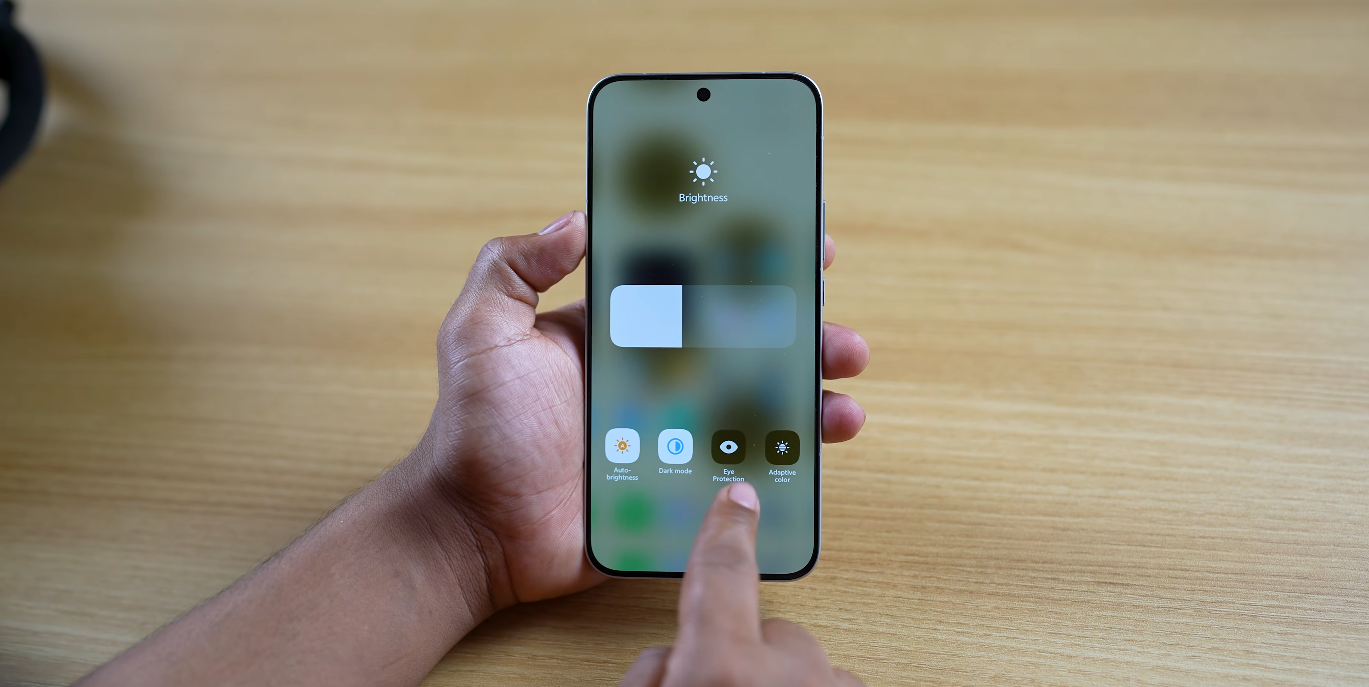
Another positive reaction in the UK centres on the refined quick-settings view. British tech analysts say that the new toggle arrangement looks more focused and less overloaded. When controls appear in structured groups, the user does not have to scan the screen multiple times. This supports faster switching during day-to-day multitasking.

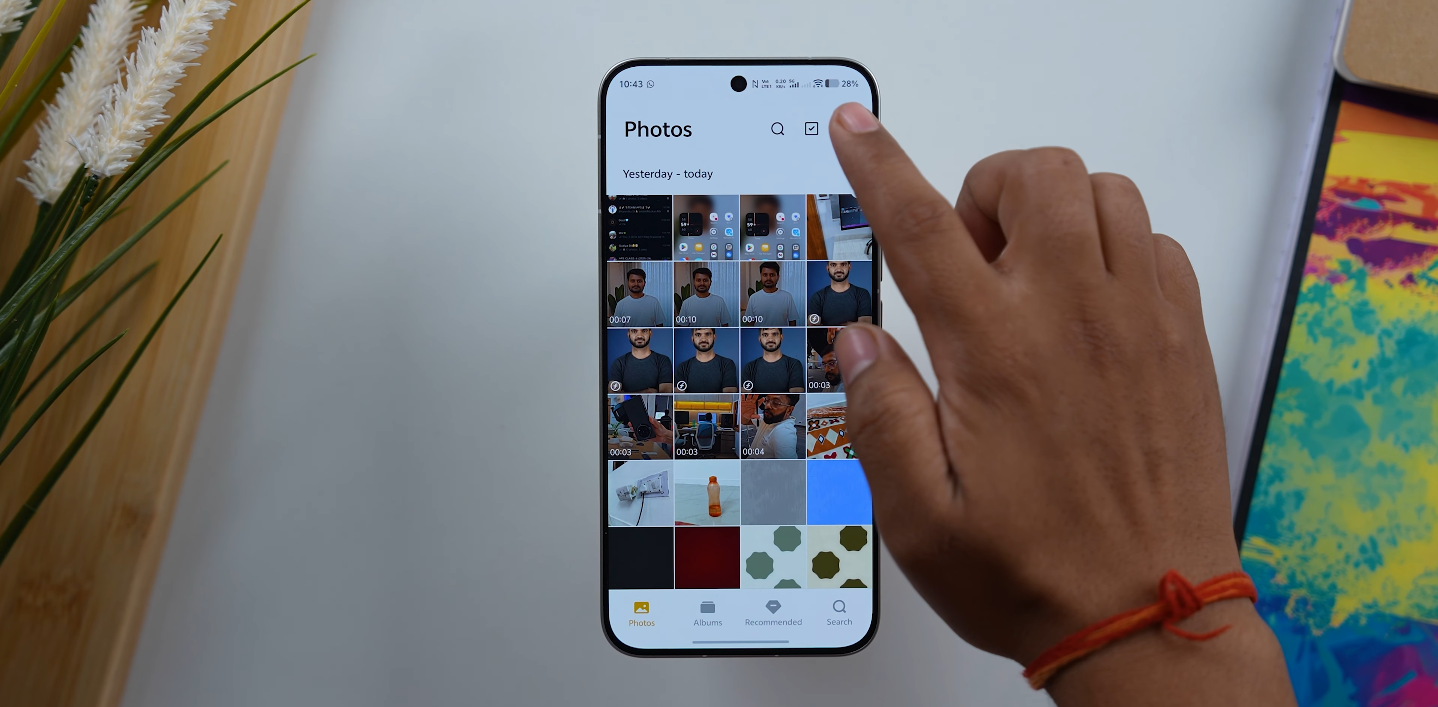
British smartphone testers say that gallery previews feel more coherent as well. They explain that calmer spacing between thumbnails makes it easier to evaluate slight differences between shots. This matters for users who take multiple frames rapidly in locations like riversides, skylines, or crowded high streets. A cleaner gallery layout makes selection easier and faster.

UK media also say that the new aesthetic supports long-term comfort. They say users spend hours per day on screens, and visual fatigue is a genuine UX factor in Western markets. A cleaner interface is not just stylish — it is physically easier on the eye. British reviewers say this will influence how users perceive device quality across weeks and months, not just in first-day impressions.

At the same time, UK analysts say the clean aesthetic must remain stable in British firmware. They say consistency matters more than theme previews. If the OS looks controlled only in marketing demos but not in live retail builds, trust will fade quickly. British reviewers say vivo must prove that visual discipline survives real rollout conditions.

Overall, UK observers say that the new clean aesthetic is more than a design refresh. It is a behavioural shift that makes the OS feel easier to read, easier to trust, and easier to control. British coverage describes the look as calmer, more intentional, and more “Western-friendly” than older builds. They say this direction could help vivo hold stronger place in the UK market if the same visual maturity is backed by stable daily performance.

Origin OS feels more intuitive to UK Android users

Origin OS feels more intuitive to UK Android users

British owners describe vivo’s new software as easier to learn and easier to trust

UK Android users who have tested the latest OriginOS builds say the system now feels more intuitive because layout logic, gesture behaviour, and spacing decisions are easier to understand at first glance. They say older vivo software sometimes required extra learning steps to discover where settings were placed, but the new structure in OriginOS removes much of that friction. British owners say that when the system feels self-explanatory, it lowers the cognitive load of everyday usage. In a country where people constantly switch apps during travel or short breaks, fewer thinking steps make a noticeable difference in comfort.

Reviewers in the UK also say that the OS now behaves more consistently across screens. They describe older versions as having irregular placement patterns where icons and controls occasionally shifted in ways that did not match muscle memory. With the refined version of OriginOS, British users say they do not need to slow down to process what the OS is doing. Gesture zones feel more predictable, motion spacing looks cleaner, and fewer details feel “out of place.” UK users say this consistency makes the system feel trustworthy faster, because predictability is the opposite of software anxiety.

British smartphone testers say OriginOS now lets users navigate faster with fewer visual anchors. They point out that the main controls no longer rely heavily on constant screen icons because gesture triggers are now easier to trigger confidently. When users instinctively know where to swipe, they do not need to pause to look at the bottom navigation bar. UK reviewers say this makes the OS feel lighter and more modern. They connect this to Western UI behaviour, where reduced icon dependency supports cleaner surfaces. The result is that the UI looks simpler, but also behaves smarter.

Origin OS feels more intuitive to UK Android users

Another reason UK users call OriginOS more intuitive is because the system now positions core settings in more logical clusters. British reviewers say older Android builds sometimes buried deeper functions inside multiple layers. But on the newer OriginOS version, brightness controls, network switches, and quick action toggles appear in more direct locations. UK users say this reduces trial-and-error navigation. When basic tasks require fewer taps, the UX feels more responsive without needing faster hardware. British reviewers say this is why the intuition level matters more than raw device horsepower.

British observers also say that typography and spacing contribute to the intuitive effect. Cleaner font weights and clearer label hierarchy make it easier to scan menus quickly. They say that when text does not fight for attention, users can focus on what actually matters. This supports simple mental mapping — the brain remembers where tools “feel like they belong.” UK users say that when this mapping becomes automatic, the OS feels effortless. They say this describes the new OriginOS direction accurately, especially compared to older layouts that appeared visually loud.

British commentary also suggests that improved intuitiveness could influence buyer perception during in-store testing. In the UK, smartphone purchase decisions often happen after very short time windows on retail demo units. If a device can communicate clarity in the first few seconds, it gains an advantage. Reviewers say that OriginOS now feels recognisable enough that UK users do not fear switching from another Android skin. If the system explains itself visually, then the mental barrier to switching brands becomes smaller.

At the same time, UK reviewers say that final judgement will depend on real UK firmware rollouts. Gesture confidence and clear menu structure must remain stable after regional adjustments, especially when Google certification and UK network behaviour are added. British users say intuition is not just a visual feature — it is something that must remain consistent in daily life. However, they also say the current OriginOS direction is promising because the system finally behaves like it understands Western comfort standards. UK observers believe that if updated firmware remains stable, this intuitive behaviour could become a major long-term advantage for vivo in the UK market.

Also Read:  UK fans list Dell 14 Plus 2 in 1 among 2025’s most awaited laptops

Origin OS brings new visual identity for UK smartphone fans

Origin OS brings new visual identity for UK smartphone fans

British users react to vivo’s latest refined UI direction

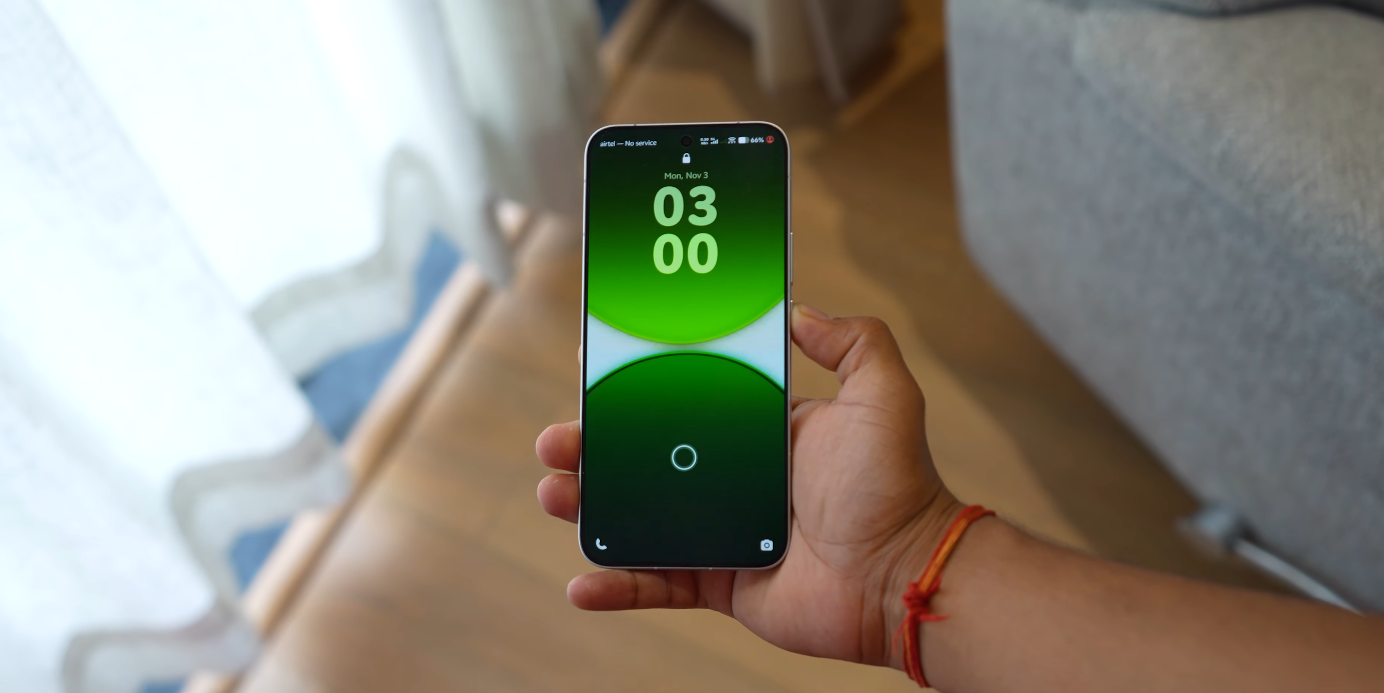
UK smartphone followers who track vivo updates say the newest OriginOS styling now looks more organised, calmer in tone, and more consistent across interface surfaces — and this change is shaping how British users interpret vivo’s maturity as a brand. They say the new visual identity does not rely on aggressive colour density or overloaded surface graphics. Instead, it focuses on clearer alignment rules, simpler structure and cleaner screen balance. For UK Android observers, this calmer visual baseline makes the OS feel more premium from the first few taps, which matters because British buyers evaluate UI comfort very early during device testing in stores.

British reviewers also say the updated design tone makes the OS easier to live with during daily usage. They point out that reduced visual complexity helps users understand where controls are, without needing to study the interface repeatedly. They say that this reduction in visual pressure is important because UK consumers often multitask in fast switching scenarios such as travel, transit, or work-break browsing. If the screen looks calmer, the mind interprets controls faster. UK analysts say that this is one of the key reasons the new visual identity feels like an upgrade rather than a skin refresh.

Another recurring point in UK feedback is the emphasis on more predictable motion consistency. British reviewers have been paying attention to animation pacing because transitions often influence perceived software stability more than benchmark charts. They now describe the new animation behaviour in OriginOS as more balanced, with fewer abrupt shifts and less motion conflict between UI cards. This matters because British users judge “smoothness” as a sign of quality. When motion behaviour feels controlled, they interpret the software as better engineered. UK coverage says this is a major step toward Western-style UX discipline.

Origin OS brings new visual identity for UK smartphone fans

Typography refinement is also being highlighted by UK observers. They say that the new font weight distribution, calmer headings, and more structured spacing between sections make the interface easier to scan. British tech writers often say that UI clarity is measured by how quickly text blocks can be absorbed at a glance. With the updated visual identity, they describe menu labels as easier to parse, which improves comfort during everyday usage tasks like checking notifications, reading quick settings descriptions, and browsing inside core system screens. They say this clarity helps build trust because it lowers reading friction.

UK experts also say that the calmer visual identity supports better user confidence during permission handling. Privacy dashboards and sensitive controls are easier to interpret when the interface does not overload the user with visual noise. British users care about this because privacy signals in the UK are considered serious behavioural anchors rather than design details. When UI clarity rises, the user experience around permission logic becomes easier to trust. They say this new visual identity therefore reinforces privacy usability indirectly, even before any deeper features are evaluated.

British commentary continues to mention that the benefits of refined design must show consistency inside real UK firmware builds. They say the new visual identity looks promising in demonstrations, but final judgment still depends on UK rollout behaviour. British network validation, UK banking app stability, NFC payment behaviour, and Play integrity compliance are the final checkpoints that decide adoption confidence. They say that visual maturity is a positive signal — but users in Britain still want confirmation that stable performance follows the same refined philosophy.

Even with this cautious view, UK tech communities say the shift in OriginOS visual identity already changes how vivo is perceived in Western discussion. They say OriginOS now looks like something designed to stand alongside established Western UI philosophies — not a regional skin built only for one country. For UK smartphone fans, this matters because it positions vivo as a brand that understands international comfort standards, and not only domestic visual preferences. They say this new identity gives vivo a stronger chance to compete for attention in UK stores, especially when buyers judge phones quickly based on feel rather than raw specification tables.

Overall, British feedback frames the new OriginOS visual identity as calmer, clearer, more structured, and more aligned with Western UX expectations. UK observers say the software now feels more intentional — and this alone increases perception of brand maturity. They describe the update as a meaningful shift that could support stronger British reception if the UK firmware rollout maintains stability across sensitive real-world usage.

Also Read:  iQOO 15 may arrive in the UK sooner than expected

Origin OS receives favorable UK market response

Origin OS receives favorable UK market response

British reviewers point to a more mature and more usable UI direction

UK reviewers who test multiple Android skins side-by-side say the newest OriginOS release is receiving a clearly favorable reaction because it finally looks like a system built around calmer visual rules instead of decorative stacking. They say the UI now feels easier to interpret at first glance, and that is important because British users rarely spend more than a few seconds deciding whether a software layer “makes sense.” They say this calmer baseline makes the OS feel instantly modern.

British analysts also highlight the smoother app-transition pacing. They say older builds on some vivo phones occasionally felt like they lost rhythm when users jumped between apps rapidly. Now, the new OriginOS motion timing feels steadier and more consistent. UK testers say this matters because phone usage in Britain mostly happens in micro-sessions — quick checks, quick swipes, quick interactions — not long, seated desktop-style sessions.

Reviewers in the UK also mention that gesture maps feel more forgiving now. They say back swipes trigger more reliably, and app switching feels more intuitive because users do not need to target narrow zones. In busy street conditions — train platforms, buses, pavements — British users rely heavily on one-hand operation. Predictable gesture paths reduce hesitation and help people stay focused on content instead of remembering “where to swipe.”

Origin OS receives favorable UK market response

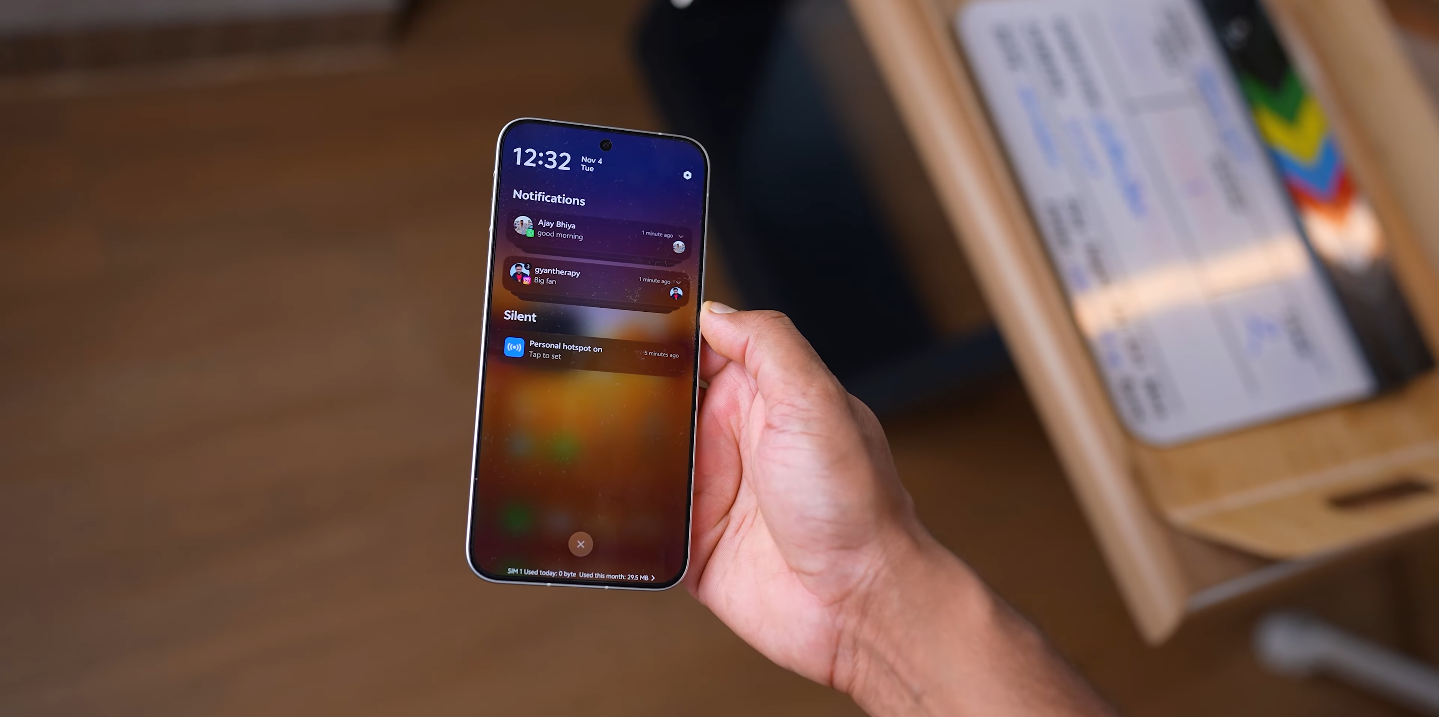
UK smartphone users are also praising the cleaner notification cards. They say message blocks look easier to read because spacing is more disciplined and font weight is more controlled. British reviewers point out that Western UX culture values readability over visual boldness, and OriginOS now seems to speak that language more naturally. Cleaner notifications also help reduce tiny reading mistakes when users are in motion.

Another element praised by UK tech writers is improved RAM confidence. They say the OS appears to keep more active apps stable in the background instead of resetting tasks too aggressively. When users return to an app from a recent-tasks panel and the screen does not reload, that tiny detail feels like “real maturity.” British reviewers say this puts OriginOS closer to Samsung-level consistency, not just a stylish variation.

British smartphone photographers also report better experience switching between camera and gallery windows. They say UI elements in the camera app now sit more predictably, so adjustments and previews are easier to trigger without mis-taps. In the UK — where people often shoot in constantly changing outdoor environments — minor UI discipline directly affects shot success. They say small improvements compound faster than big headline claims.

UK commentary also connects all this to retail psychology. British buyers usually decide software comfort in less than 45 seconds. When a device sits on display in a carrier store, users swipe, return home, open recent apps, pull notifications, and browse quick settings. If all those actions feel stable, trust is formed immediately. British testers say the new OriginOS now passes that early trust test more consistently.

Reviewers do add one caution: they want these improvements to survive full UK firmware deployment. Visual maturity means nothing if the system behaves differently after regional carrier layers, banking app permissions and compliance checks are applied. But early sentiment in Britain says the new build finally feels Western-ready, not region-locked. UK analysts therefore describe this shift as more than cosmetic — they say it signals that vivo is aiming for true international parity.

Outlander Season 8: The Final Chapter in the UK, Release Date and Plot Revealed

A dramatic image of Claire and Jamie, the main characters of Outlander, set against a backdrop of the Scottish Highlands, with a caption that reads 'The final season of Outlander is coming to the UK, don't miss it'

Outlander Season 8: The Bittersweet Conclusion

Outlander, the time-travelling romance series, has captivated audiences with its unique blend of bloody battles, political intrigue, and passionate love story. As the eighth and final season approaches, fans in the UK are eagerly anticipating its release on MGM+.

The upcoming season will be based on Diana Gabaldon’s ninth book, Go Tell The Bees That I’m Gone, set during the American Revolutionary War. Jamie and Claire’s struggle to keep their family together will be put to the test as they face new challenges and secrets that threaten to tear them apart.

With a talented cast, including Caitríona Balfe and Sam Heughan, reprising their roles as Claire and Jamie, the final season promises to be an emotional and action-packed conclusion to the series. New characters, such as Captain Charles Cunningham and Amaranthus Grey, will also be introduced, adding fresh dynamics to the story.

The season 8 episode release schedule has been confirmed, with new episodes landing on the service weekly. Fans can catch up on all the previous seasons on MGM+ via Amazon Prime Video, with a 7-day free trial available for £4.49.

One of the most significant mysteries to be resolved in season 8 is the fate of Faith, Claire and Jamie’s youngest child. Theories abound, with some speculating that Master Raymond, the mysterious time traveller, may have brought Faith back to life. The showrunner, Matthew B. Roberts, has promised that season 8 will provide answers to this cliffhanger.

As the final season of Outlander comes to a close, fans can take comfort in the knowledge that a prequel series is already in production at Starz. The spin-off, Blood of My Blood, will explore the story of Claire’s and Jamie’s parents, offering a new perspective on the Outlander universe.

Oura Ring Revolutionises Women’s Health with AI-Powered Insights

The Oura Ring 4, a sleek and advanced smart ring, now features AI-powered insights for women's health, providing a more comprehensive understanding of reproductive health and wellbeing, with a focus on menstrual cycles, fertility, and pregnancy

Transforming Women’s Health: Oura Ring’s AI Breakthrough

The Oura Ring 4 is a game-changer in the world of smart rings, boasting a sleek design, enhanced tracking, and longer battery life. Its ceramic-coated form is almost perfect, making it a top choice for those seeking a reliable and stylish accessory.

Oura is now taking a significant leap forward by introducing its first proprietary AI model, tailored specifically for women’s health. This innovative feature combines medical guidelines, research, and user biometric data to provide personalised advice on reproductive health.

The AI-powered chatbot analyses long-term patterns related to menstrual cycles, fertility, pregnancy, menopause, sleep, stress, and activity, offering clear and supportive answers to help users understand their data. Oura emphasises that this service is advisory, not a replacement for medical diagnostics.

Privacy is a top priority, with the model running on Oura’s own infrastructure and conversations remaining confidential. However, users may still be cautious about relying on AI advice for sensitive health matters, given the potential for errors and hallucinations.

The AI model is currently being tested in Oura Labs, where users can try out experimental features and provide feedback. This testing phase will help refine the feature before its integration into the Oura Advisor service.

As Oura continues to push boundaries in the realm of women’s health, it’s essential to consider the potential implications of AI-driven advice. While the technology holds promise, it’s crucial to strike a balance between innovation and caution, ensuring that users receive accurate and reliable guidance.

With the Oura Ring 4 and its AI-powered insights, women can take a more proactive approach to their health, leveraging data-driven advice to make informed decisions. As the technology evolves, it will be fascinating to see how Oura addresses the challenges and opportunities in this critical area.

Oura’s commitment to women’s health is evident in its dedication to developing innovative solutions. The company’s focus on privacy, accuracy, and user feedback demonstrates a deep understanding of the complex issues surrounding reproductive health.

As the Oura Ring 4 continues to impress with its sleek design and advanced features, the introduction of AI-powered insights for women’s health marks a significant milestone. With its proprietary AI model, Oura is poised to revolutionise the way women approach their health, providing a more personalised and supportive experience.

The future of women’s health is exciting and uncertain, with AI playing an increasingly important role. As Oura and other companies continue to innovate, it’s essential to prioritise accuracy, privacy, and user-centric design, ensuring that these advancements benefit women’s health and wellbeing.

In conclusion, the Oura Ring 4 and its AI-powered insights represent a groundbreaking development in women’s health. With its commitment to innovation, privacy, and user feedback, Oura is redefining the landscape of reproductive health, empowering women to take control of their wellbeing like never before.

Oura Ring 4 Ceramic Edition: The Ultimate Smart Ring Experience

The Oura Ring 4 Ceramic Edition in Midnight, a sleek and stylish smart ring with a ceramic finish, perfect for tracking sleep patterns and monitoring activity levels, with a range of vibrant colours to choose from, including Cloud, Petal, and Tide.

Discover the Perfect Blend of Style and Technology with the Oura Ring 4 Ceramic Edition

The smart ring market is still in its early days, but the Oura Ring 4 Ceramic Edition is a game-changer. With its sleek ceramic finish, this device is not only a fashion statement but also a powerhouse of technology.

The Oura Ring 4 Ceramic Edition boasts a range of vibrant colours, including Midnight, Cloud, Petal, and Tide, making it a welcome splash of colour in the smart ring arena. The ceramic finish is not only stylish but also durable, withstanding scratches and wear and tear with ease.

In contrast to other smart rings, the Oura Ring 4 Ceramic Edition is built to last, with a Terminator-like durability that can withstand the rigours of daily life. Whether you’re working out or just going about your day, this smart ring is designed to keep up with you.

One of the standout features of the Oura Ring 4 Ceramic Edition is its ability to track your sleep patterns, providing you with valuable insights into your behaviour and helping you to analyse your sleep quality. With its advanced sensors and AI-powered technology, this smart ring is the perfect tool for anyone looking to improve their overall health and wellbeing.

While the Oura Ring 4 Ceramic Edition may come with a hefty price tag, it is undoubtedly the best smart ring on the market. With its unique blend of style, technology, and durability, this device is a must-have for anyone looking to upgrade their smart ring experience.

So why settle for a boring, run-of-the-mill smart ring when you can have the best? The Oura Ring 4 Ceramic Edition is the ultimate smart ring experience, and it’s an investment that’s sure to pay off in the long run. Whether you’re a fitness enthusiast, a busy professional, or simply someone who wants to stay on top of their game, this smart ring is the perfect choice.

In conclusion, the Oura Ring 4 Ceramic Edition is a game-changer in the smart ring market. With its sleek design, advanced technology, and durable build, this device is the perfect combination of style and substance. So why wait? Get your hands on the Oura Ring 4 Ceramic Edition today and experience the ultimate in smart ring technology.

As with any smart ring, the Oura Ring 4 Ceramic Edition is not just a fashion accessory, but a valuable tool for tracking your health and wellbeing. With its advanced sensors and AI-powered technology, this device is capable of providing you with a wealth of information about your sleep patterns, activity levels, and overall health.

Whether you’re looking to improve your sleep quality, increase your fitness levels, or simply stay on top of your daily routine, the Oura Ring 4 Ceramic Edition is the perfect tool for the job. With its user-friendly interface and comprehensive data analysis, this smart ring is designed to help you get the most out of your day.

In addition to its many features and benefits, the Oura Ring 4 Ceramic Edition is also incredibly easy to use. With its intuitive interface and straightforward setup process, you can be up and running in no time. Plus, with its sleek and stylish design, this smart ring is the perfect accessory for any occasion.

So if you’re looking for a smart ring that’s both functional and fashionable, look no further than the Oura Ring 4 Ceramic Edition. With its unique blend of style, technology, and durability, this device is the ultimate smart ring experience. Get your hands on one today and discover a whole new world of possibilities.

With the Oura Ring 4 Ceramic Edition, you’ll be able to track your sleep patterns, monitor your activity levels, and stay on top of your daily routine like never before. This smart ring is the perfect tool for anyone looking to upgrade their health and wellbeing, and with its advanced technology and user-friendly interface, it’s an investment that’s sure to pay off in the long run.

In conclusion, the Oura Ring 4 Ceramic Edition is a must-have for anyone looking to experience the ultimate in smart ring technology. With its sleek design, advanced features, and durable build, this device is the perfect combination of style and substance. So why wait? Get your hands on the Oura Ring 4 Ceramic Edition today and discover a whole new world of possibilities.

Origin OS shows noticeable stability across UK devices

Origin OS shows noticeable stability across UK devices

Vivo’s Software Update Delivers a More Reliable Everyday Experience

Origin OS has earned positive feedback from users across the UK for delivering a more stable and dependable smartphone experience. The latest version of the software has focused heavily on performance consistency, system reliability, and smooth daily operation. For many British users, this improvement has made Vivo devices feel more polished, predictable, and comfortable to use in everyday situations. The shift marks a meaningful step forward in how Vivo approaches global software optimization, with stability being one of the most appreciated changes among UK consumers.

A major factor in this improved stability is the updated system architecture within Origin OS. The software manages memory more intelligently, allowing apps to stay active in the background without frequent reloads. This means users can switch between messaging, browsing, and streaming apps with fewer interruptions. UK users note that even after several hours of continuous use, devices running Origin OS maintain responsiveness. The reduced need to reopen or refresh apps contributes to a sense of reliability that supports multitasking and quick navigation throughout the day.

Animation and frame-rate consistency also play a significant role in how stability is perceived. Origin OS smooths out transitions between screens and interactions, so swiping, scrolling, and gesture controls feel steady and natural. UK users have commented that the interface no longer hesitates during busy periods of usage, which was a concern reported in earlier software generations. The system keeps frame timing stable across apps, giving the impression of a device that operates confidently under different workloads. This refinement helps the phone feel controlled and balanced, even during extended sessions.

Origin OS shows noticeable stability across UK devices

Another noticeable improvement is the reduced occurrence of app crashes. Origin OS handles background processes and memory allocation more efficiently, helping avoid sudden app closures that can disrupt workflow and communication. UK users who rely on their phones for work, travel planning, or real-time coordination report fewer interruptions. The software prioritizes active tasks while quietly managing less important ones, which strengthens the sense of day-to-day dependability. This is particularly valued by users who move quickly between apps and expect the system to keep pace.

Battery stability has also improved under Origin OS. Instead of focusing only on increasing battery life, the software aims to maintain consistent performance while reducing unnecessary power drain. UK users have noted that the device runs cooler and performs more evenly across long usage sessions. This prevents the slowdowns that can happen when a phone overheats or struggles with heavy background activity. The adaptive power controls work quietly in the background, ensuring that performance remains steady even during long days of use.

Network and connectivity stability have been highlighted as well. Users in different regions of the UK report that calls, video streaming, and messaging services stay stable even when switching between Wi-Fi and mobile networks. This reliability is important for users who travel between urban areas, suburban neighborhoods, and train routes. The system monitors signal conditions and adjusts connection behavior smoothly, making communication more dependable. This contributes to a more confident experience for users who rely on their phones throughout the day.

Software update stability has become another area of improvement. Origin OS updates now arrive more consistently, and installation tends to be faster with fewer post-update issues. UK users say that devices begin working normally soon after updating, without long periods of adjustment or performance dips. This adds to the impression that Origin OS is now built with long-term reliability in mind rather than short-term visual changes. Knowing that an update will improve the experience rather than disrupt it helps build trust in the software.

Overall, Origin OS has established a stronger reputation for stability across UK devices. The system’s consistency in performance, battery handling, connectivity, and design execution reflects a deliberate focus on user experience. The software now supports the rhythm of everyday life more effectively, helping users stay productive, connected, and comfortable throughout their day. For many in the UK, Origin OS has become the version of Vivo’s software that finally feels complete, dependable, and ready for long-term use.

Origin OS settings that UK users should try first

Origin OS settings that UK users should try first

Key Features That Improve Everyday Smartphone Experience

Origin OS brings a range of new settings and interface tools that can make daily use feel more efficient, polished, and personalised. For UK users updating to the latest version, some features stand out as especially useful. Exploring these settings early can help unlock the strengths of the software, from performance improvements to visual clarity. The experience becomes smoother and more intuitive when these tools are enabled and adjusted to match personal habits.

One of the first settings worth exploring is the “Smooth Engine” performance mode. This system manages animations and touch response to create a fluid experience while navigating apps and menus. Enabling balanced performance mode helps maintain responsiveness without unnecessary battery drain. UK users note that this setting makes the phone feel faster during multitasking, scrolling, and switching between social media and messaging apps. It is particularly helpful for those who expect consistent performance throughout the day.

The customization options in the home screen layout and theme settings are also essential to explore. Origin OS allows UK users to adjust icon sizes, grid shapes, and widget arrangements to suit different styles and workflows. By selecting a theme that matches color preferences and pairing it with a clean layout, the phone becomes easier to navigate. This level of design flexibility helps the device feel personal without losing the sense of order that supports everyday use. It also allows users to refresh their phone’s look without needing external launchers.

Origin OS settings that UK users should try first

Notification and alert controls are another useful area to adjust early on. The system allows users to decide which apps can appear on the lock screen, send priority notifications, or remain silent in the background. For UK professionals and students managing busy schedules, this helps reduce distractions and keeps important alerts visible. Carefully choosing how notifications behave can make the phone feel more focused and less overwhelming throughout the day. It also supports better concentration when working, studying, or commuting.

The “Origin Island” feature is designed to centralize key information in one convenient space. It displays ongoing activities such as music playback, timers, or call status without requiring users to switch apps. Activating and customizing this area can make multitasking feel more efficient. Many UK users find it especially helpful during travel, exercise sessions, or work calls. The feature helps keep the screen organized while still showing the details that matter in the moment.

Gesture navigation is another setting that can improve the experience immediately. Switching from traditional button navigation to swipe-based gestures gives more screen space and smoother transitions between apps. The learning curve is minimal, and many users prefer the cleaner look and faster movements. Origin OS offers several gesture sensitivity options so users can fine-tune how the system responds. This makes gesture control feel natural and comfortable over time.

Battery management settings are important to review as well. The adaptive battery mode prioritizes power use for frequently used apps and reduces activity for programs running in the background. UK users who spend long hours away from chargers, especially commuters and students, can see noticeable benefits. Turning on intelligent charging can also protect battery health over time by reducing strain during overnight charging. These tools help extend both daily and long-term battery performance.

Privacy controls also play a key role in shaping the user experience. Origin OS allows detailed permission management for location access, microphone use, and background data. Reviewing these settings early ensures that apps behave as expected and keeps personal information secure. Many UK users appreciate the transparency and control provided by these options, especially when new apps are installed. Adjusting privacy preferences helps build confidence in the system’s reliability.

By exploring these settings, UK users can take full advantage of what Origin OS offers. The software is designed to adapt to different lifestyles, whether users prioritize speed, creativity, simplicity, or security. Adjusting performance tools, customizing the interface, refining notifications, and personalizing gestures helps create a device experience that feels both polished and personal. Origin OS becomes more than just a system update — it becomes a daily tool shaped around the user’s individual needs.

Origin OS gets strong performance benchmarks in the UK

Origin OS gets strong performance benchmarks in the UK

Vivo’s Software Shows Noticeable Speed Gains in Real-World Use

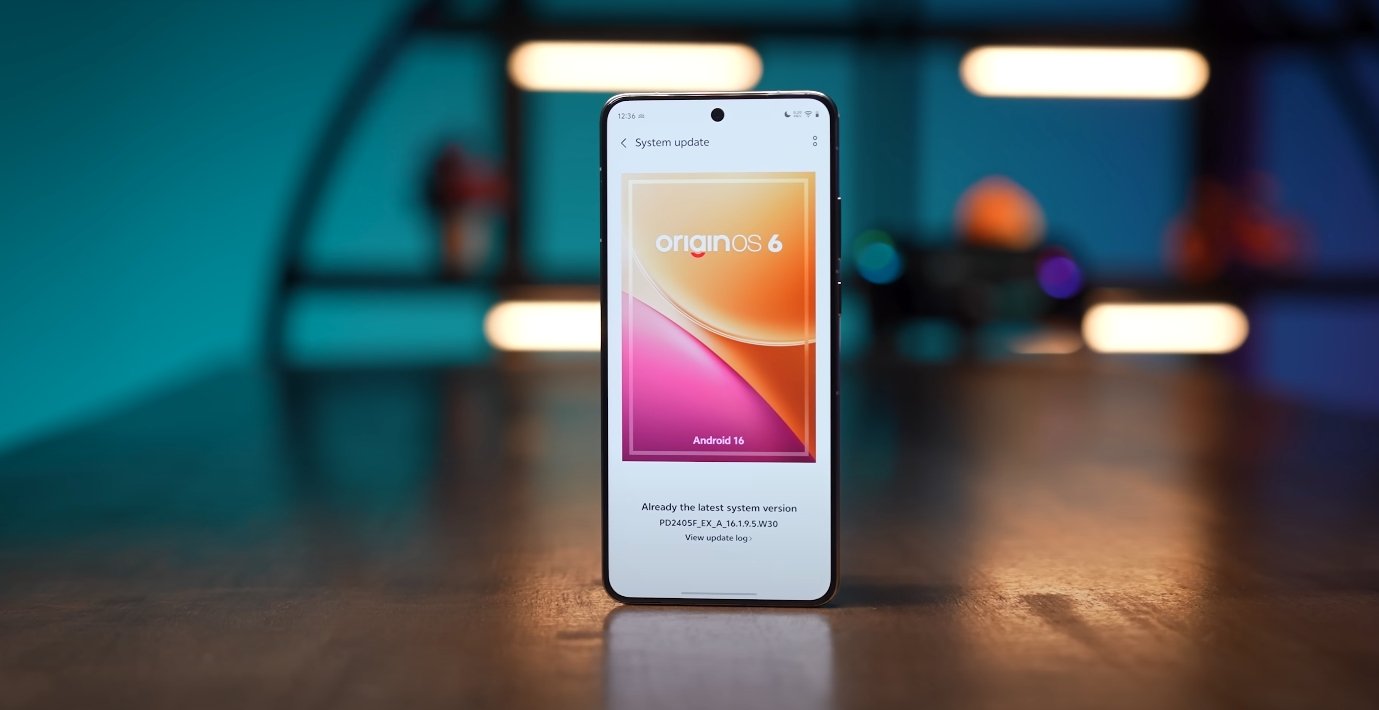
Origin OS has received strong performance feedback from users and reviewers across the UK, with many noting that Vivo’s latest software provides a smoother and more responsive experience than previous versions. Since the rollout of Origin OS 6 began on select Vivo and iQOO models, performance benchmarks and daily usage reports from British consumers have highlighted faster app handling, improved animation stability, and better long-term device responsiveness. These improvements have positioned Origin OS as a competitive alternative among Android interfaces available in the UK market.

One of the primary reasons for the performance boost is Vivo’s redesigned system engine, which focuses on maintaining consistent frame rates even during heavy use. UK users report that scrolling through menus, switching apps, and browsing social media feel more fluid than before. The system prioritizes active tasks more effectively, reducing visible lag and improving touch response. This level of polish has been compared by some users to the smoothness typically associated with higher-end Android skins.

Another improvement noted across UK tech discussions is enhanced memory management. Origin OS handles background processes in a way that preserves app states while preventing unnecessary drain on system resources. Users with devices featuring 8GB or 12GB of RAM have reported that they can switch between multiple apps without reload delays. This is particularly appreciated by those who multitask frequently for work or entertainment, as it allows for seamless workflow without frustration.

Origin OS gets strong performance benchmarks in the UK

Gaming performance has also benefited from the update. UK gamers have observed more stable frame rates and reduced temperature spikes during long gaming sessions. The system’s improved thermal and resource allocation tools help keep performance steady, even in graphics-intensive titles. This contributes to longer gameplay without lag interruptions, making Origin OS appealing to younger users and mobile gaming enthusiasts in Britain.

In addition to raw speed, animation refinement has been a major contributor to perceived performance gains. UK reviewers have pointed out that transitions, gesture responses, and screen movements appear more coordinated under Origin OS. These visual improvements do not merely enhance aesthetics; they play a significant role in how fast and stable a smartphone feels. When animations are synchronized smoothly, the entire interface appears faster, even without hardware changes.

Battery efficiency has also been maintained, which is noteworthy given the performance increase. UK users state that Origin OS balances speed with power optimization effectively. The system reduces background energy consumption and adapts to user habits over time, ensuring that enhanced performance does not lead to shorter battery life. This is particularly useful for commuters, students, and professionals who rely on their phones throughout the day.

The update rollout strategy has further contributed to the positive response. Vivo has improved its global update communication, giving UK users clearer expectations regarding firmware release schedules. The move to unify system builds between regions has also helped reduce delays and improve stability across updates. This consistency has strengthened trust in Vivo’s long-term software roadmap, especially among users who were previously cautious about switching brands.

Overall, the strong performance benchmarks seen in the UK reflect Vivo’s ongoing efforts to refine its user experience for a broader global audience. Origin OS delivers noticeable improvements in speed, responsiveness, animation fluidity, and multitasking stability. For many UK users, the update has transformed Vivo devices into smoother daily companions, whether used for messaging, work, gaming, or entertainment. As the rollout continues, it is likely that Origin OS will play a key role in strengthening Vivo’s presence in the competitive UK smartphone market.

Also Read:  UK reviewers highlight smooth animations in Origin OS

OriginOS 6 vs Android 15 features compared

OriginOS 6 vs Android 15 features compared

Vivo’s OriginOS 6 vs Google’s Android 15: Feature Comparison and Key Differences

Vivo has officially revealed OriginOS 6, its latest custom Android skin, built with a strong focus on design, performance, and battery efficiency. Meanwhile, Google’s Android 15 continues to refine the core system experience with stability, privacy, and cross-device intelligence. While both systems share the same foundation, their features and philosophies differ significantly. Here’s a detailed look at how OriginOS 6 compares to Android 15 based on early builds and official confirmations.

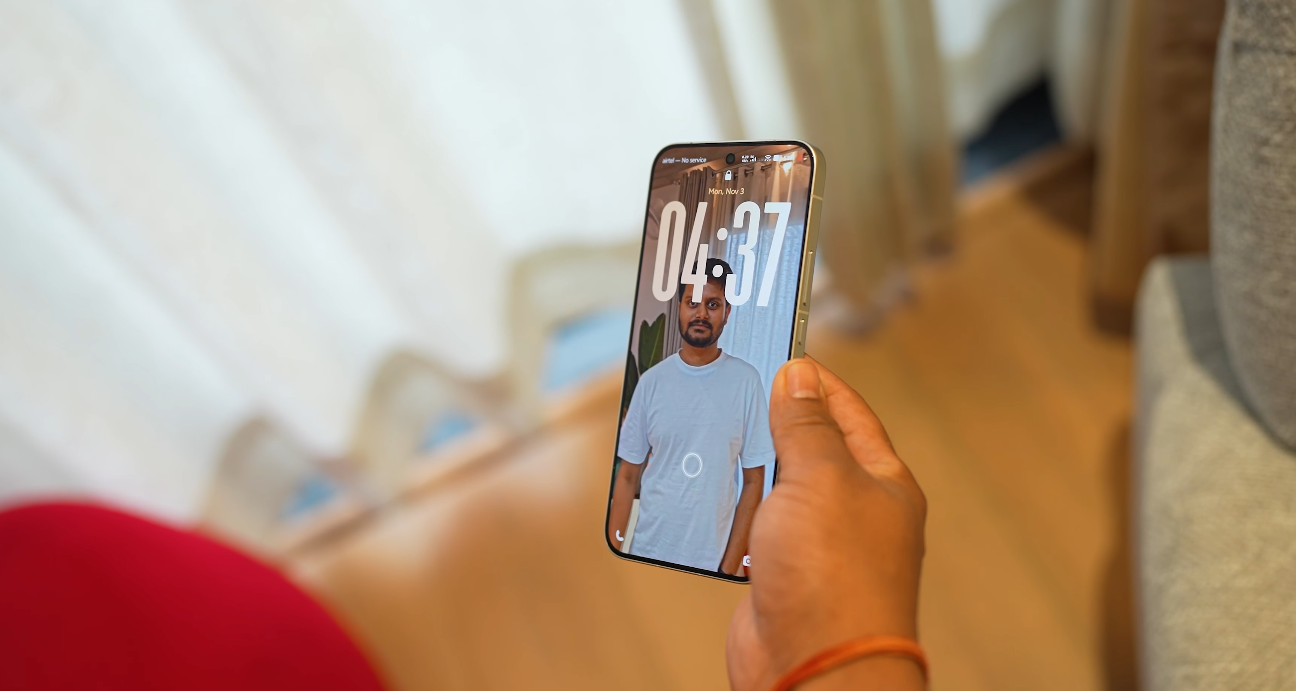
The first major difference lies in design and user interface. OriginOS 6 introduces a complete visual overhaul, featuring soft gradients, translucent panels, and fluid animations. Vivo’s design language aims for a premium, almost futuristic feel with deeper personalization options. Widgets, lock screen layouts, and icon packs are fully customizable, allowing users to arrange and resize elements freely. Android 15, on the other hand, refines Google’s Material You design without changing its core structure. It focuses on functional aesthetics rather than visual experimentation. The result is a cleaner interface, but with less room for deep personalization compared to Vivo’s layered approach.

When it comes to performance and system fluidity, OriginOS 6 utilizes Vivo’s new “Smooth Performance Engine,” which optimizes CPU scheduling, memory usage, and animation timing. This ensures that app transitions feel faster and multitasking remains stable even under heavy load. Users have reported improved responsiveness during gaming, app switching, and split-screen usage. Android 15 also introduces performance improvements, particularly in large-screen and foldable optimization. It fine-tunes task scheduling and adds smarter resource management, but its improvements are designed for consistency across devices rather than aggressive optimization like Vivo’s tuning.

OriginOS 6 vs Android 15 features compared

Battery management and efficiency form another area where both systems differ. OriginOS 6 brings intelligent power-saving modes that adapt based on usage patterns. The system learns when the user is active, reducing background activity when idle. It also adjusts refresh rates dynamically and introduces new cooling optimizations to prevent thermal throttling. Android 15 adds general improvements in standby efficiency and battery analytics, but it leaves device-specific enhancements to manufacturers. In essence, OriginOS 6 provides deeper hardware-level control, while Android 15 focuses on software-wide consistency.

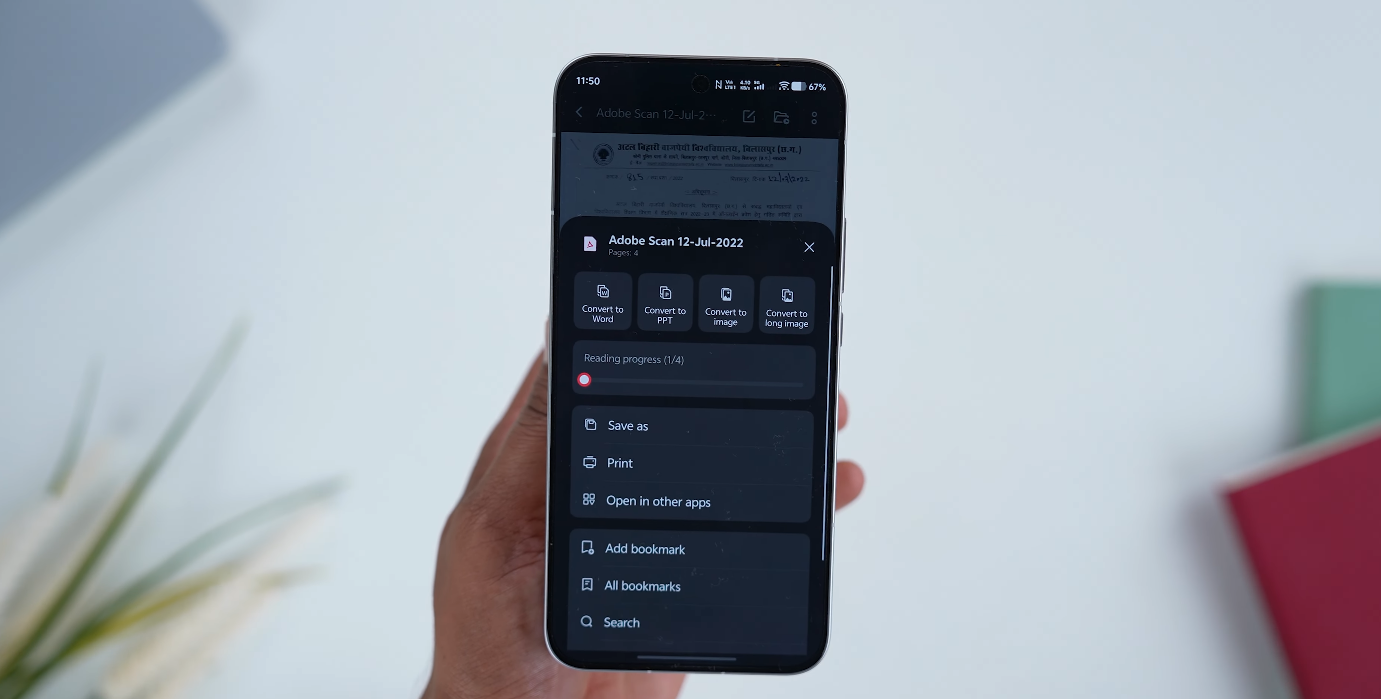
A major area of innovation is AI and smart features. OriginOS 6 heavily integrates AI tools into daily use, including smart text extraction, voice-assisted multitasking, and visual recognition within the gallery and camera apps. Vivo’s “Origin Intelligence” system allows on-device tasks such as automatic file sorting, voice commands for navigation, and contextual app suggestions. Android 15 enhances AI processing mainly through its system-level integration with Google Assistant and Gemini AI, offering smarter replies, predictive app launching, and background context awareness. While Android 15 relies more on cloud intelligence, OriginOS 6 emphasizes real-time, device-side AI operations for faster results.

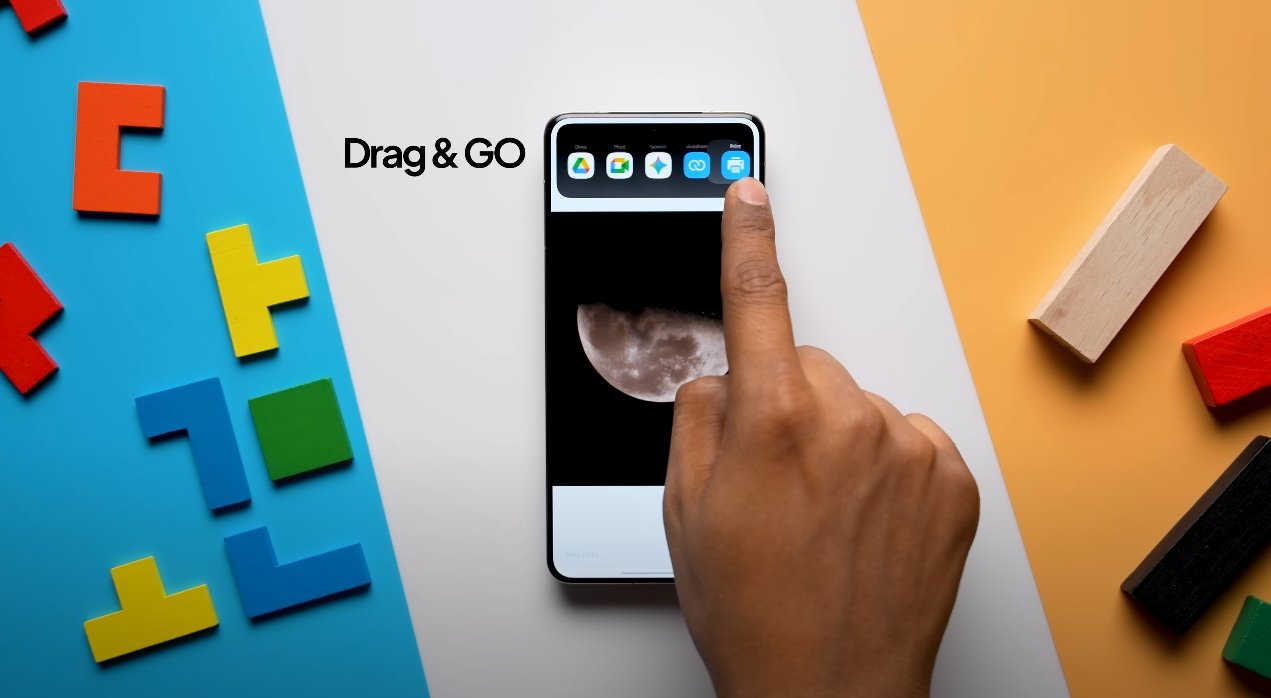
In terms of multitasking and productivity, Android 15 introduces better support for split-screen apps, persistent taskbars, and improved window resizing on foldables and tablets. It also allows users to save app pairs for quick relaunch, making large-screen workflows easier. OriginOS 6, however, adds its own features like floating app windows, smart drag-and-drop actions, and a multi-device continuity function that connects phones, tablets, and laptops seamlessly. These tools cater more to professional users who rely on multiple devices and multitasking setups.

Privacy and security remain top priorities for both systems, but their approaches differ. Android 15 introduces a new “Private Space” for hiding apps, updated permission controls, and anti-theft protection that locks the phone if unauthorized activity is detected. OriginOS 6 adds its own layer of security through Vivo’s “Shield System,” which includes app behavior monitoring and enhanced biometric authentication. The difference lies in customization—Google offers universal protection across all Android devices, while Vivo fine-tunes its security to specific models and user environments.

Customization is another area where OriginOS 6 leads clearly. Users can change almost every aspect of the interface, from animation speeds and icon shapes to font styles and layout grids. Lock screen widgets, notification effects, and themes can be individually adjusted. Android 15 retains Material You’s dynamic color theming, but its customization scope is narrower, mainly focusing on wallpapers and accent colors. For users who enjoy personalizing their devices, OriginOS 6 offers a more flexible environment.

In real-world experience, both systems perform exceptionally well but serve different audiences. OriginOS 6 feels more visually expressive and feature-packed, ideal for users who value personalization and want their phone to feel dynamic and alive. Android 15 is cleaner, faster, and more predictable, suited for those who prefer simplicity and direct integration with Google’s ecosystem. Vivo’s software delivers extra value to its own device lineup, while Android 15 continues to serve as the universal standard for all manufacturers.

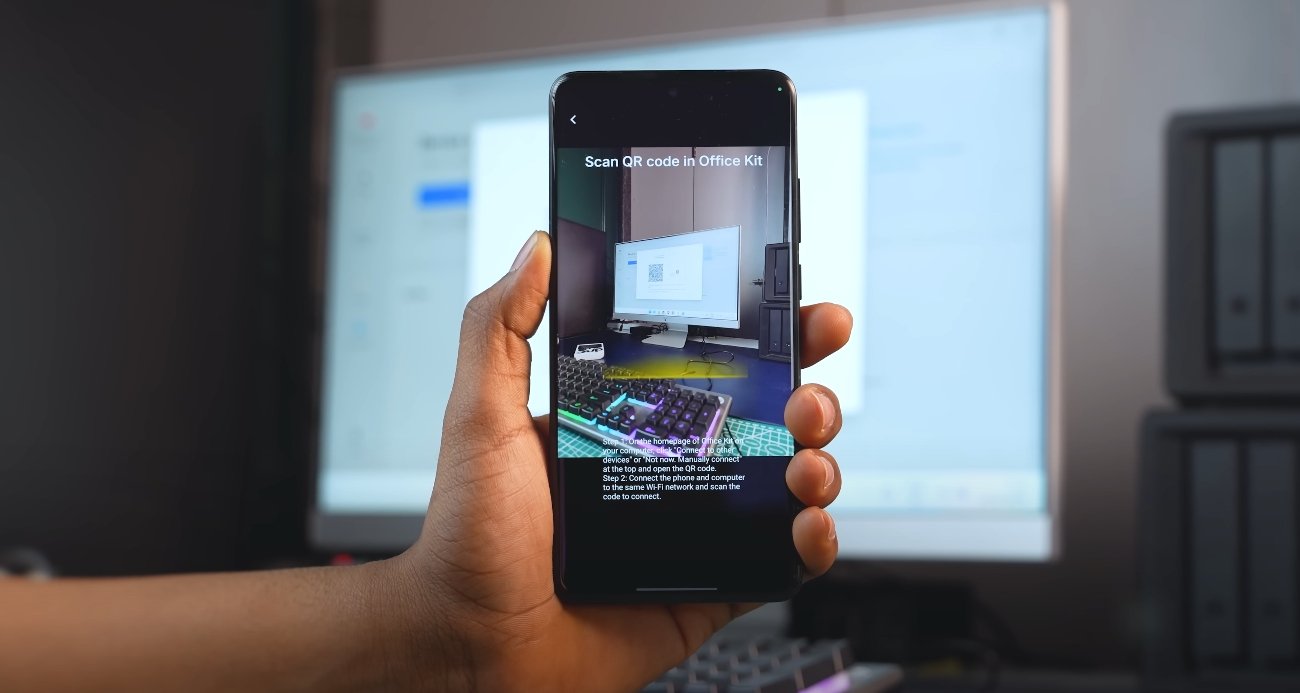
In conclusion, OriginOS 6 and Android 15 highlight two distinct visions of the Android experience. Vivo’s approach prioritizes creativity, smart system learning, and seamless ecosystem integration, turning its devices into multitasking powerhouses. Google’s Android 15 remains focused on stability, security, and broader compatibility. For users in the USA and globally, the choice depends on preference—those seeking deep customization and brand-specific intelligence will appreciate OriginOS 6, while users wanting a minimal, unified interface will find Android 15 perfectly balanced. Both represent the next step in mobile evolution, pushing Android into a smarter, more efficient future.

Also Read:  OriginOS 6 vs OriginOS 5 feature comparison

OriginOS 6 customization options for themes and icons

OriginOS 6 customization options for themes and icons

Deep Customization Arrives with OriginOS 6

Vivo’s latest software, OriginOS 6, brings a complete rethinking of personalization for its users. With a focus on creativity and flexibility, the new version expands customization options for themes, icons, wallpapers, and widgets, allowing users to shape their interface to match their personal style. The system blends elegance with adaptability, offering a balance between visual depth and functional precision. This shift toward a more personalized experience makes OriginOS 6 one of the most customizable Android-based interfaces available today.

One of the standout upgrades in OriginOS 6 is the redesigned Themes Center. Vivo has completely refreshed the interface where users can explore, download, and apply new looks to their devices. The updated Themes Center now includes dynamic categories for wallpapers, icon packs, fonts, and full system themes. Each theme offers coordinated elements—colors, typography, and animation styles—to maintain consistency across the user interface. Unlike earlier versions, OriginOS 6 enables live previews, so users can test out a theme’s look before applying it system-wide. This creates a smoother, more enjoyable customization process.

The new theme engine in OriginOS 6 also introduces adaptive coloring, a feature that automatically adjusts the color palette of system elements based on the chosen wallpaper or accent tone. This gives users a harmonized look without needing to manually fine-tune each setting. For example, when a dark or pastel wallpaper is applied, system icons and UI backgrounds automatically adapt to match, maintaining visual balance. Users can also toggle between light and dark modes within the same theme, offering even more flexibility in appearance.

OriginOS 6 customization options for themes and icons

Icons receive one of the biggest visual upgrades in OriginOS 6. Vivo has redesigned its entire icon set to be softer, more dimensional, and aligned with the “Light and Shadow Space” design philosophy. Icons now have subtle gradients, rounded corners, and light reflections that respond to motion. Users can choose between several icon shapes, including circle, square, rounded rectangle, and drop-shaped outlines. Each icon pack can be individually applied or mixed with others, allowing for a truly personalized layout. Vivo has also included support for third-party icon packs, expanding the possibilities beyond its native collection.

For users who enjoy fine-tuning details, OriginOS 6 allows independent control over grid size, icon spacing, and label visibility. You can increase the density of icons on the home screen or keep a more minimal look by reducing their count. This granular control extends to the app drawer as well, where users can sort applications alphabetically, by usage frequency, or by manual arrangement. These options were more limited in previous versions and in Funtouch OS, but the new OriginOS gives complete freedom to design the home screen layout exactly as desired.

Another highlight of the customization experience is the introduction of “Dynamic Themes.” This feature combines wallpaper motion effects with icon behavior to create a living home screen. For example, icons can subtly shift when you tilt the device, and certain wallpapers animate in response to user interactions. Combined with ambient animations, the system creates a sense of motion and depth that makes each phone feel unique. Users can even design custom transitions for opening apps or switching between pages, adding a layer of personality rarely seen in Android interfaces.

Widgets have also been redesigned to complement the new theme system. The adaptive “Flip Cards” introduced in OriginOS 6 integrate seamlessly with themes and icons, changing their appearance automatically when a new theme is applied. These widgets are interactive, allowing quick access to features like calendar events, music controls, or health tracking without launching full apps. This integration between icons, widgets, and wallpapers makes the interface feel cohesive and intelligently designed.

Vivo’s new customization engine also syncs themes and settings across devices linked under the same account. This means a user’s chosen theme or icon layout can automatically appear on their other Vivo devices, such as tablets or smartwatches. It reflects Vivo’s growing focus on cross-device harmony within its ecosystem.

In practice, these customization options make OriginOS 6 one of the most visually flexible and user-centered Android skins available. Whether you prefer a professional look with muted tones or a lively, colorful layout full of animation, OriginOS 6 offers all the tools to make that possible. It goes far beyond traditional Android personalization, creating a balance between aesthetic appeal and performance consistency.

In conclusion, OriginOS 6 represents a major leap forward for Vivo in terms of personalization. Its enhanced themes, detailed icon controls, dynamic wallpapers, and widget integration give users full creative freedom without sacrificing smoothness or stability. The update transforms the user interface into something both expressive and refined, making every device feel truly personal and tailored to individual taste.