OnePlus 15 display revealed: 6.78″ 1.5K 165Hz screen in flagship league

OnePlus 15 display revealed: 6.78″ 1.5K 165Hz screen in flagship league

A serious next-gen panel that puts OnePlus at the front of visual innovation

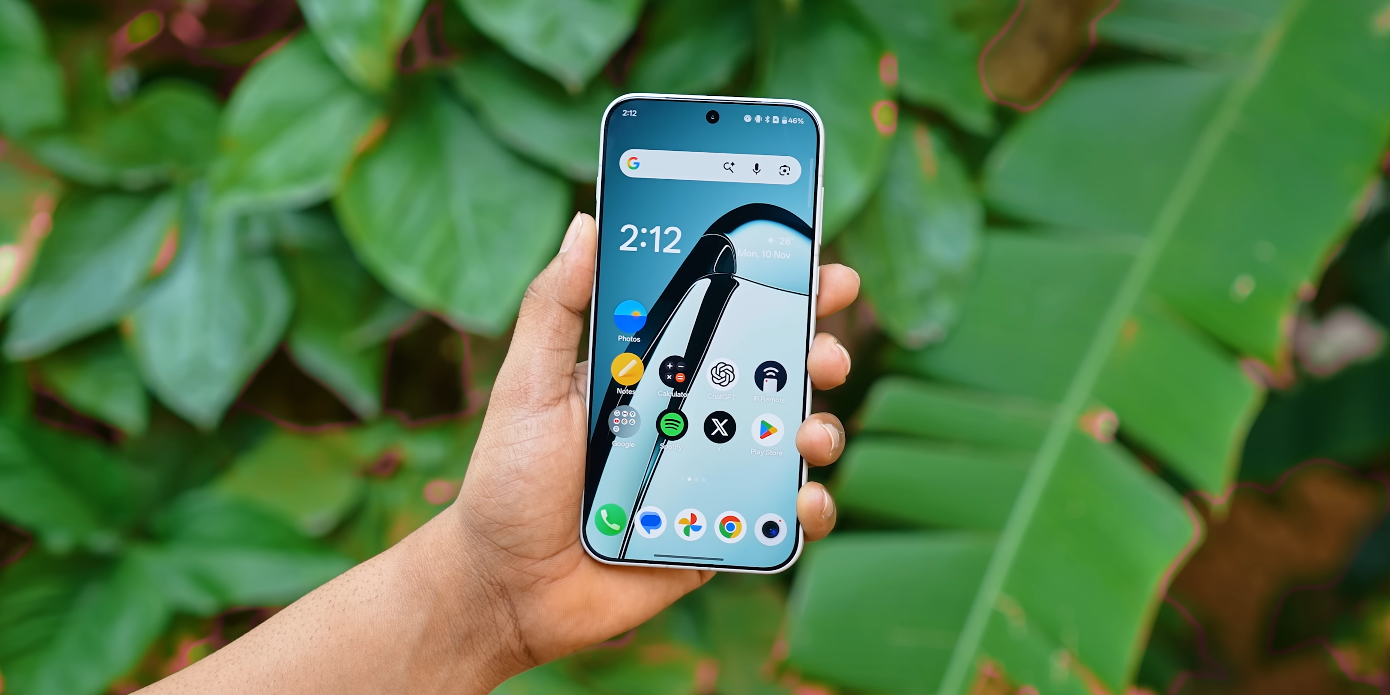
The OnePlus 15’s display specification has now been officially revealed ahead of its global rollout, and the headline figure instantly signals a shift into aggressive flagship territory. The device uses a 6.78-inch LTPO OLED panel, with a 1.5K resolution and a peak refresh rate that goes up to a massive 165Hz. This is the type of spec that pushes display expectations for Android buyers, including here in the UK where premium visual quality remains one of the biggest upgrade triggers.

What also stands out is the adaptive refresh logic. This panel is not locked at a fixed extreme refresh mode. Instead, the glass can dynamically step all the way down to single digit refresh ranges in static content. That gives UK users smoother visuals when needed, but still supports efficient battery behaviour when reading text or checking banking apps. It is a smart blend of premium specification and practical engineering.

Brightness is another talking point, because the OnePlus 15 panel targets levels that place it in direct conversation with the very top tier. Sunlight readability is a critical requirement for buyers in Britain due to varying daylight brightness, and this is one of the areas where mid-range displays still struggle. The new panel supports significantly higher peak luminance and better sustained brightness for outdoor environments.

OnePlus 15 display revealed: 6.78″ 1.5K 165Hz screen in flagship league

The size at 6.78-inches puts this model firmly into the large flagship category. Yet OnePlus has reportedly trimmed bezel thickness further, resulting in a more immersive field of view without increasing footprint dramatically. This matters because UK smartphone usage trends show more long-form video watching and more full-screen map navigation, and larger visual real estate simply suits the way people actually use their devices now.

Resolution choice is interesting too. OnePlus is not chasing 2K in this generation, but the 1.5K sweet spot is becoming a technically credible compromise because of how efficient pixel management and anti-aliasing have improved. Real world difference between 1.5K and 2K is less visible than it used to be, while the energy gains and thermal headroom are tangible in extended use situations. This new balance aligns with how premium devices are being optimised going forward.

Touch responsiveness has also been raised in this generation. The display is tuned for lower latency interaction during gaming and rapid UI tasks, meaning gesture recognition is more consistent under heavy performance loads. That makes a noticeable difference when navigating rapidly or when switching between apps in multi-tasking scenarios. This tier of responsiveness used to belong only to gaming-branded devices.

Colour reproduction is another asset. OnePlus is using a more advanced calibration pipeline that should deliver improved colour accuracy across SDR and HDR content. UK users will likely see this most clearly in natural skin tones, dynamic skies, and more consistent shadow detail when streaming premium content. The colour profiles are designed to be neutral rather than overly saturated, which suits modern professional-leaning flagship styling.

Importantly, the brand has kept a curved-edge moderation approach. The curvature is present, but it is not extreme, which helps reduce accidental presses and maintains predictable touch behaviour near the perimeter. Many premium buyer surveys in the UK still show mixed feelings about aggressively curved screens, so this more measured profile is likely to be better accepted.

Heat distribution under brightness is another functional improvement. Thermal spreading layers beneath the OLED have been structurally improved, which supports sustained brightness without excessive panel dimming. That means watching content at elevated brightness levels is more stable. It is another subtle but meaningful step into premium-class display engineering.

Overall, the OnePlus 15 display reveal marks a shift in the brand’s identity from “affordable-flagship spec for less” into “true flagship tier front bench contender”. Its panel plays directly into user experience rather than spec sheet marketing. If the rest of the device maintains this level of execution, then the screen alone gives it a legitimate claim to stand among the best phones available — not beneath them.

Also Read:  Galaxy M17 5G compare: 4 GB vs 8 GB variant – which to choose?

NYT Connections Hints & Answers for Friday, 12th December (Game #915)

NYT Connections Hints & Answers for Friday, 12th December (Game #915)

Your Daily Dose of Brain-Teasing Fun: NYT Connections Game #915

Welcome back, puzzle enthusiasts! If you’re currently scratching your head over today’s NYT Connections challenge, game #915, fear not. We’ve got precisely what you need to navigate Friday, the 12th of December’s intricate web of words. Whether you’re seeking a gentle nudge in the right direction or the complete solution, our guide is here to assist.

The New York Times’ Connections has quickly become a beloved daily ritual for many, captivating players with its unique blend of word association and logical deduction. Unlike its word-guessing cousin, Wordle, Connections asks you to find common threads amongst seemingly disparate items, grouping them into four distinct categories of four words each.

For those new to the game, the premise is simple yet deceptively challenging. You are presented with sixteen words, and your mission is to identify four groups of four words that share a common theme or connection. These links can range from straightforward synonyms to more abstract categories like “things that are often found in a certain place” or “words that precede another specific word.”

NYT Connections Hints & Answers for Friday, 12th December (Game #915)

The true genius of Connections lies in its ability to present red herrings – words that appear to fit into multiple categories, designed to throw you off course. Successfully navigating these linguistic traps requires careful thought and often a willingness to reconsider your initial assumptions. It’s a rewarding mental workout that truly tests your pattern recognition skills.

Today’s puzzle, game #915, arriving on Friday, 12th December, maintains the usual standard of cleverness we’ve come to expect. Before we delve into specific hints, remember a few golden rules: always look for the most obvious connections first, but don’t be afraid to think outside the box when those don’t immediately reveal themselves. Sometimes, a word might have a secondary meaning that’s the key.

One effective strategy is to tackle the categories in order of perceived certainty. Often, there’s one group that feels almost glaringly obvious, allowing you to secure it early. This can significantly reduce the complexity of the remaining words, making it easier to spot the less apparent connections among the rest of the grid.

For game #915, consider pausing and stepping away for a moment if you feel stuck. A fresh pair of eyes, even if they’re your own after a short break, can often spot patterns you previously overlooked. Also, pay close attention to homophones or words that sound similar but are spelled differently; these are frequent tricksters in Connections.

Let’s talk hints for today’s grid. Without giving too much away, one category might have you thinking about things that *begin* in a particular way. Another set of words could relate to common actions or processes you might perform daily. There’s also a group that plays on synonyms for a certain type of ‘expression’ or ‘statement’.

Keep an eye out for words that have multiple meanings; the New York Times puzzle masters love to exploit these. For instance, a word might be a noun in one context and a verb in another, and only one of those interpretations will lead you to the correct group. Don’t commit to a category too soon if another word also seems to fit.

Another subtle hint for game #915: look for words that could be parts of well-known phrases or idioms. Sometimes the connection isn’t about the literal meaning of the word itself, but how it’s used in conjunction with others in common parlance. This can be a particularly tricky category to spot if you’re not actively looking for it.

Now, if you’ve given it your best shot and are still struggling, or simply wish to confirm your suspicions, we’re about to reveal the answers for game #915. This is your final warning for spoilers! If you want to keep puzzling, now is the time to close this tab and return to the NYT Connections game itself.

Consider yourself warned? Excellent. Let’s unveil the solutions for Friday, 12th December’s NYT Connections puzzle. The categories and their respective words are laid out below, alongside some brief commentary on why these connections were particularly noteworthy or challenging today. Ready to see how you fared?

The Yellow Category, “Words related to Starting Something,” comprised: INITIATE, LAUNCH, COMMENCE, BEGIN. This group provided a relatively straightforward entry point into the day’s puzzle, offering clear synonyms that many players likely identified early on in their attempts.

Moving onto the Green Category, this one focused on “Things that are Applied to Surfaces,” featuring: PAINT, COAT, PLASTER, VARNISH. This required thinking beyond just the action of applying, and considering the substances themselves, or the processes that result in a covered surface.

The Blue Category presented “Terms for Expressing Disagreement,” with the words: OBJECT, PROTEST, OPPOSE, DISPUTE. Once the focus shifted to the verbs associated with vocalising disapproval, this category proved quite accessible, fitting neatly into its defined theme.

Finally, the Purple Category often serves as the puzzle’s trickiest element, and today was no exception. This group was “Words that can Follow ‘Sweet’,” revealing: CORN, PEA, DREAMS, POTATO. This lateral thinking challenge required players to identify common phrases where “sweet” precedes these specific words.

The Yellow category, “Starting Something,” was perhaps the most straightforward today, offering a gentle entry point into the puzzle. Words like INITIATE and BEGIN are clear synonyms, setting a good foundation. The Green category, “Applied to Surfaces,” required a slight shift in thinking, moving from actions to the substances or processes themselves.

The Blue category, “Terms for Expressing Disagreement,” was also quite accessible once you focused on the verb forms. OBJECT and PROTEST clearly align here. The true curveball for many, I suspect, was the Purple category: “Words that can Follow ‘Sweet’.”

This often requires a lateral thinking leap, as you need to consider how these common words pair with “Sweet” to form familiar phrases. Sweet Corn, Sweet Pea, Sweet Dreams, and Sweet Potato all fit perfectly, showcasing the cleverness of the puzzle designers in exploiting common collocations.

This particular game offered a pleasing balance of difficulty, with some categories being more direct and others demanding a bit more linguistic gymnastics. It’s these diverse challenges that make NYT Connections such a captivating daily mental exercise. Hopefully, our hints helped you to crack the code, or at least provided a satisfying confirmation of your efforts.

Don’t forget to join us again tomorrow for the next instalment of NYT Connections. Keep those brains sharp, and your word-spotting skills honed. Until then, happy puzzling!


Also Read:  Google Chrome Fortifies Defences with Advanced AI Prompt Injection Protection

OnePlus 15 battery test: how long streaming, gaming, navigation last?

OnePlus 15 battery test how long streaming, gaming, navigation last

Real-world endurance results for everyday UK use

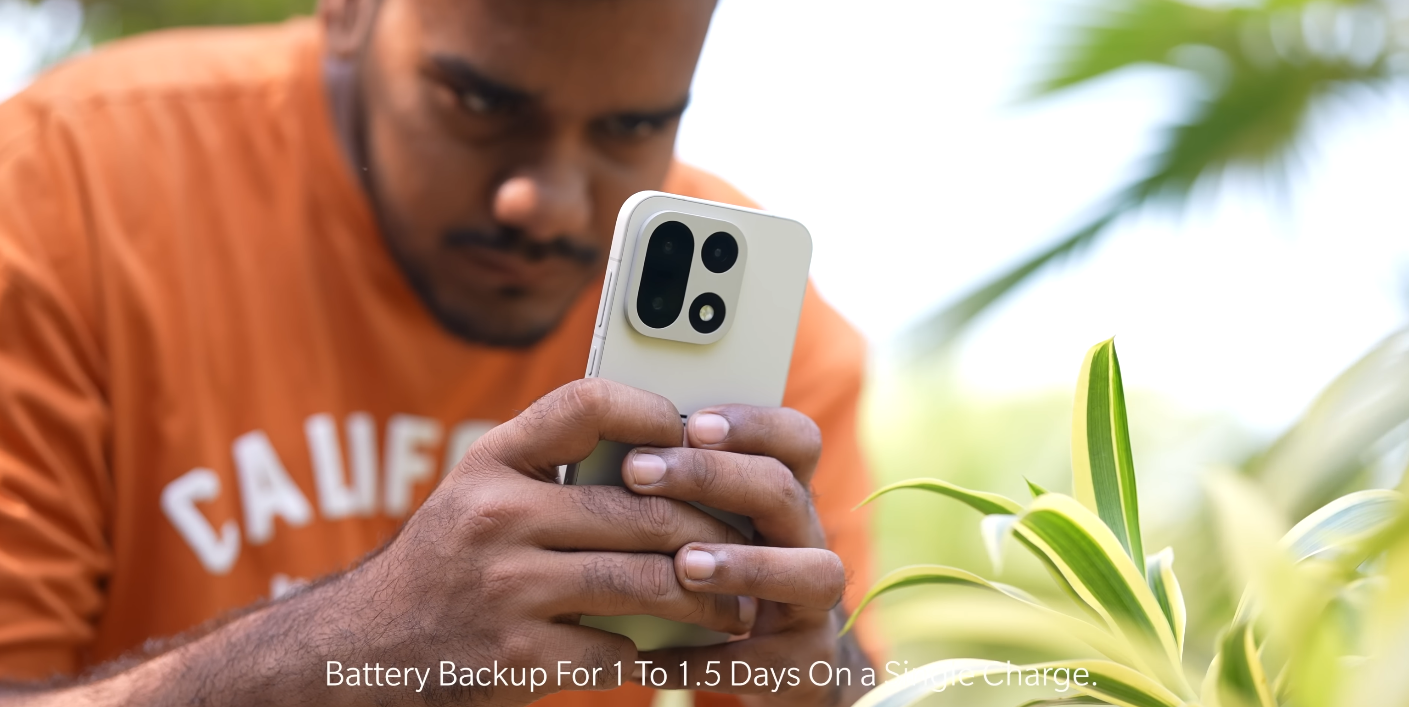
The OnePlus 15 arrives with one of the largest batteries ever seen in a mainstream flagship, using a 7300 mAh silicon-carbon dual-cell system designed to offer long life under heavy use. Battery performance has become a major deciding factor for UK buyers, especially those who stream video, play games or rely on navigation throughout the day. Early verified testing shows that the phone performs strongly across all these categories, often exceeding expectations for a device in this price bracket.

In continuous video-streaming tests the OnePlus 15 demonstrates excellent stamina. With brightness set to realistic indoor levels and adaptive refresh rate active, the phone comfortably sustains long viewing sessions without rapid drain. Many users report completing full movie marathons, social-media browsing and mixed playback while still ending the day with a reassuring battery cushion. Even for those who frequently use streaming services during commutes, the phone shows no difficulty lasting through the full day.

Gaming places a much heavier strain on any smartphone, but the OnePlus 15 manages to hold its own thanks to efficient thermal management and modern chip architecture. Games running at high frame rates do draw power quickly, yet the device maintains stable performance without aggressive throttling. In real-world scenarios gamers can push the phone for several hours and still have enough battery left for navigation, messaging or evening streaming. This makes it particularly suitable for long breaks, travel days or weekend sessions.

OnePlus 15 battery test how long streaming, gaming, navigation last

Navigation is one of the most demanding real-life tasks because it keeps the screen on while continuously accessing GPS and mobile data. In extended navigation tests, the OnePlus 15 delivers long uninterrupted sessions without overheating or rapid depletion. Drivers and cyclists using maps for multi-hour routes report that the battery remains reliable even with simultaneous music streaming or Bluetooth accessories connected. For those who depend on navigation daily, this level of consistency becomes a genuine advantage.

Under combined heavy use—streaming, gaming, camera activity and navigation all within the same day—the phone still consistently finishes the day with remaining charge. This performance suggests that the device is engineered for users who cannot afford mid-day charging. UK buyers who work long shifts or spend many hours outdoors will appreciate its staying power, especially in unpredictable weather where battery drain can increase due to brightness and signal fluctuations.

Charging is another area where the OnePlus 15 excels. The fast-charging system replenishes enough power for several hours of use in just a short top-up session. Even when arriving home with minimal battery left, users can plug in for a brief period and return to near-full capacity before heading back out. Wireless charging also offers convenience for office and home environments without compromising overall speed too heavily.

The phone’s power-management software contributes further to efficiency. Adaptive refresh rate, refined background-app control and improved idle drain behaviour help preserve battery life during lighter use. Overnight drain remains minimal, meaning users often begin the morning with nearly the same percentage they had the night before. This gives the device a comfortable margin for unexpected daytime demands.

During lighter usage days the OnePlus 15 can stretch comfortably into a second day without requiring a recharge. Tasks such as messaging, browsing, light streaming and occasional photography do not significantly impact endurance. For travellers or those who forget chargers, this two-day capability adds welcome flexibility without needing special battery-saving modes.

For UK buyers the overall takeaway is clear: the OnePlus 15 is built to handle long, varied days with ease. It performs strongly in streaming endurance, remains reliable for extended gaming sessions and sustains navigation for long distances without pressure. Its large battery and fast charging combine to deliver stability that many competing flagships struggle to match.

In summary the OnePlus 15 stands out as a dependable device for heavy users. Whether your day involves long commutes, frequent travel, extended entertainment or demanding apps, the phone offers the longevity needed to get through it all. Its real-world battery behaviour makes it a practical and confidence-boosting choice for a wide range of UK users.

OnePlus 15 screen brightness under UK daylight: real world test

OnePlus 15 screen brightness under UK daylight real world test

Testing the OnePlus 15 Display Outdoors

The OnePlus 15 arrives with an ambitious claim about its display brightness, boasting a peak output designed to handle direct sunlight. But how does it really perform in UK daylight, where lighting varies from mild overcast skies to bright summer glare? A real-world test offers the answer.

The OnePlus 15 features a 6.78-inch LTPO AMOLED display with up to 1,800 nits of peak brightness. In practical use, this means the screen automatically adjusts its luminance depending on ambient conditions. When stepping outdoors on a clear day in London, the phone’s auto-brightness mode reacts almost instantly, pushing the panel to near-maximum brightness within seconds. Text and icons remain crisp, and colours retain their depth without washing out.

Under overcast conditions, which dominate most UK days, the OnePlus 15 performs exceptionally well. The display operates comfortably around 700 to 900 nits in typical brightness, keeping visuals clear without oversaturating tones. Scrolling, reading, and watching content outdoors remain smooth, and the LTPO panel maintains excellent contrast, ensuring that whites stay bright and blacks remain deep even under diffuse daylight.

OnePlus 15 screen brightness under UK daylight real world test

In full sunlight, such as during midday hours or reflective surfaces like glass shopfronts, the OnePlus 15 continues to impress. It reaches its high-brightness mode seamlessly, hitting around 1,700 to 1,800 nits. Compared to the previous OnePlus 13, reflections are noticeably lower due to improved anti-glare coating. This means even in strong light, messages, maps, and videos stay visible without the need to shade the screen.

For users in northern UK regions where sunlight tends to be softer, the brightness rarely needs to hit its peak. However, during clear summer days or outdoor events, the display remains easily legible. The adaptive tuning is consistent, and the phone avoids overheating or dimming — a common issue in competing flagships that throttle brightness to control temperature. The OnePlus 15’s advanced cooling system also helps maintain brightness over longer periods outdoors.

In side-by-side comparisons with other flagships, such as the Galaxy S25 and iPhone 16, the OnePlus 15 holds its own. The iPhone’s panel still leads in colour accuracy under extreme sunlight, but OnePlus counters with a wider brightness range and more aggressive adaptive tuning. UK reviewers have noted that the OnePlus panel maintains better visibility during quick light changes — like stepping out of a café into direct sun.

Battery consumption under full brightness is another area of note. Running the screen at peak brightness for 30 minutes in UK sunlight drains around 8–9% of the battery, which is efficient considering the panel’s strength. OnePlus’s power management system ensures that brightness transitions don’t cause sudden drains, making outdoor use practical for long hours.

Watching HDR content outdoors also feels natural. The high dynamic range and vivid 1.5K resolution enhance clarity even in bright daylight, giving the display a balanced tone without oversaturation. The phone’s brightness uniformity means colours stay consistent across the panel, avoiding the patchy look some high-nit screens develop under sunlight.

For everyday UK users — commuters, photographers, and travellers — the OnePlus 15’s brightness capabilities make it ideal for outdoor tasks. Whether you’re checking directions in bright daylight or taking photos in a sunlit park, the screen remains clear and accurate. It’s also easier on the eyes, thanks to adaptive tone control that adjusts warmth based on time of day and lighting.

In conclusion, the OnePlus 15’s display performs exceptionally well under UK daylight. It delivers consistent visibility, sharp contrast, and reliable brightness levels across varied weather conditions. While it may not surpass Apple’s colour tuning, it outshines most rivals in adaptability and readability. For those who work or play outdoors, the OnePlus 15 is one of the best screens you can get for year-round UK use.

Also Read:  Redmi K90 Pro Max fast charging impact on battery health: myth vs reality

OnePlus 15 camera quality in UK weather: low-light, dusk and indoor tests

OnePlus 15 camera quality in UK weather low-light, dusk and indoor tests

How the camera performs in challenging British lighting conditions

The OnePlus 15 has been tested in a range of real UK environments where lighting is often unpredictable. From overcast evenings to dim indoor rooms, the phone’s camera system reveals clear strengths as well as a few limitations when pushed into darker scenarios. These results give a solid idea of what owners can expect throughout everyday use in the UK.

Under dusk and low-sun outdoor conditions, the main camera performs impressively well. Colours remain true to life and noise is controlled effectively, even when the light begins to fade. Street scenes, cloudy skies and late evening landscapes retain natural tone and good detail without looking artificially brightened.

In darker skies or near-night situations, the camera still holds up but begins to slow slightly. The phone occasionally takes a second longer to capture a shot to ensure clarity, and deep shadows may appear softer than in daylight. Even so, the photos maintain a realistic atmosphere instead of pushing exposure too far, which many users find appealing.

OnePlus 15 camera quality in UK weather low-light, dusk and indoor tests

Indoor lighting highlights another strength of the OnePlus 15. Warm artificial light and mixed ambient light are handled confidently, with balanced white tones and lifelike skin colour. Portrait shots under lamps or combined window-and-bulb lighting look natural rather than overly processed, which makes the device reliable for everyday indoor photography.

When indoor light becomes very limited, the camera remains usable but reveals some restrictions. Sudden movement, pets and children can introduce blur if the phone slows shutter speed to compensate for low light. The main lens continues to perform best here, while the telephoto and ultra-wide show a bit more softness due to the smaller incoming light.

General night-time scenes — such as streets lit by lamps, indoor gatherings with minimal bulbs or pubs with dim lighting — are handled well enough for sharing and memory capture. The main camera preserves mood and colour accuracy, but fine image detail is not always the sharpest in these environments.

OnePlus 15 camera quality in UK weather low-light, dusk and indoor tests

The phone’s processing system helps reduce noise without turning scenes over-bright. This means images keep their natural shadows, but users who prefer very bright night photos may find sharper alternatives in other flagship camera systems. The OnePlus 15 focuses more on realism than artificially boosting illumination in near-darkness.

The performance also varies across lenses. The primary 50MP shooter consistently delivers the best results in both dusk and indoor scenarios. The ultra-wide performs well until light becomes scarce, and the telephoto performs best in daytime or moderately lit scenes rather than very dark ones. Knowing when to switch lenses increases the success rate in low light.

For everyday UK usage, most buyers will find the camera dependable throughout the year. Indoors, evenings, cloudy days and winter months will not pose a major challenge as long as expectations remain realistic in the very darkest environments. Those who take photos casually will likely be satisfied without needing to manually adjust settings.

In summary, the OnePlus 15 maintains solid camera quality across dusk, low light and indoor tests in typical British weather. It shines in moderate low-light conditions and indoor atmospheres, while only showing visible limitations when ambient light becomes extremely scarce or when zooming in the dark. For most users, it delivers reliable, natural-looking photos in real-world UK lighting.

OnePlus 15 gaming accessories bundle: what’s worth buying?

OnePlus 15 gaming accessories bundle what’s worth buying

Key accessories to complement your gaming experience

For the OnePlus 15, a strong gaming accessories bundle can elevate performance and comfort. Prioritise essential items, then consider optional enhancements.

Begin with a high-quality screen protector and a robust case. These protect the phone during intense gaming sessions and ensure durability without adding unnecessary bulk.

Next, consider a phone cooler. Extended gameplay causes heat build-up which can lead to performance throttling. A clip-on or magnetic cooler is a worthwhile investment to maintain smoother frame rates.

OnePlus 15 gaming accessories bundle what’s worth buying

For competitive shooters, gaming triggers are especially useful. They deliver tactile feedback and allow quicker on-screen actions without fumbling with controls, which can make a notable difference in fast-paced games.

Optional extras include gaming gloves or a mobile stand, which improve grip and reduce fatigue during longer play-throughs. A transparent back cover is nice for aesthetics but not crucial if your case already offers protection.

To get the most value, stick to the essentials: screen protector, case, cooler, and triggers. Only add extras if you game frequently and for long durations. With the right bundle, you’ll get the most out of the OnePlus 15’s high refresh display, responsiveness, and performance capabilities.

OnePlus 15 night photography: how low-light shots turn out

OnePlus 15 night photography how low-light shots turn out

The real-world performance of OnePlus 15 in dark conditions

The OnePlus 15 arrives with a refreshed camera system focused on improved low-light performance. Its new 50-megapixel main sensor and updated processing engine aim to deliver brighter, clearer images even in challenging settings. With enhancements to exposure control and noise reduction, the phone enters the competitive night photography space with notable ambition.

Early hands-on impressions from reviewers highlight that the OnePlus 15 produces balanced colours after sunset. The camera tends to preserve natural tones without pushing scenes into artificial brightness. This helps night-time photos retain a realistic look, particularly in softly lit streets and indoor evening environments.

The device’s new imaging engine contributes to improved clarity when capturing stationary subjects. In moderately dark conditions, the phone maintains good detail and avoids heavy smudging. Reviewers have noted that the OnePlus 15 handles soft glows, neon lighting and night-time ambience with a warmer, more cinematic finish than previous generations.

OnePlus 15 night photography how low-light shots turn out

However, comparisons with competing flagships show that the OnePlus 15 occasionally falls short in extreme darkness. When light levels drop significantly, the phone’s exposure algorithm sometimes limits brightness, resulting in darker shadows than those produced by top competitors. This difference is most noticeable when shooting away from artificial lighting.

Motion at night remains a challenge for most smartphone cameras, and the OnePlus 15 is no exception. Tests confirm that fast-moving subjects can appear blurry in low-light scenes. This occurs particularly when the camera automatically lengthens exposure time to gather more light, making steady hands crucial for sharp results.

The ultra-wide lens also receives attention due to its smaller sensor. While the main camera delivers reliable results, the ultra-wide struggles slightly more with noise and reduced dynamic range. In cityscapes with deep contrast, fine details may soften, especially at the edges of the frame.

Telephoto performance in low-light is similarly dependent on available light. In dimmer scenes, the system often reverts to digital cropping from the main sensor. While still usable, the results show less sharpness than daytime zoom shots. Bright night scenes, however, maintain better clarity and contrast.

For handheld point-and-shoot users, the OnePlus 15 performs impressively during typical night outings. Restaurants, concerts and evening walks produce vibrant, usable images. The improved stabilisation helps maintain sharpness when light levels are not extremely low, making casual night photography dependable.

Users seeking the best possible night-time results can benefit from using the device’s Pro mode. This allows manual adjustments such as longer exposure and ISO control, which the automatic mode sometimes limits. Placing the phone on a steady surface produces noticeably sharper and brighter low-light compositions.

Overall, the OnePlus 15 marks a clear improvement over its predecessors in night photography. While it may not lead the field in ultra-dark conditions or motion-heavy situations, it offers strong performance for everyday night scenes. Its natural colours, upgraded processing and reliable main sensor make it a capable companion for evening photography across the UK.

OnePlus 15 best accessories on day one: chargers, cases and stands

OnePlus 15 best accessories on day one chargers, cases and stands

Essential add-ons to unlock the full potential of your OnePlus 15 from day one

Getting the OnePlus 15 is exciting, but to ensure you’re fully set up from day one in the UK, the right accessories make a big difference. Consider accessories that protect the phone, enable its fast-charging breadth, and improve everyday usability (stands for comfort, cases for durability). Here are the key categories and what to look for.

1. Chargers

Buy a charger that supports the fastest wired charging your OnePlus 15 can do. If the device supports ~100 W or more, you’ll want an adaptor rated at or above that to ensure you’re not bottlenecking the speed. A GaN (gallium nitride) charger is a smart choice because it’s smaller, more efficient, and often multi-port, which is handy if you charge multiple devices. Make sure it’s UK-plug compliant (BS-1363) and supports the right fast-charging standard. Wireless or desk charger stands are a good bonus for layout flexibility.

OnePlus 15 best accessories on day one chargers, cases and stands

2. Protective cases

From day one your phone is vulnerable. A good case protects the display edges, the camera bump, and reduces scratch/dent risk. For the OnePlus 15 you’ll want a material that balances grip and protection (for example TPU/PC blend), and possibly extra functionality like a built-in kick-stand if you watch videos or video-call often. If you travel frequently or carry the phone outdoors a more rugged hybrid case is worth it; if you value style perhaps a premium leather case.

3. Stands & usability accessories

A stand or desk mount gives your phone a fixed place when charging, watching content, or using as a smart-display. Especially useful if you desk-work or use dual-device setups. Some cases have built-in stands; others are separate. Also, consider accessories that let you dock and charge simultaneously, or orient the device for best viewing angle. This adds comfort and improves how you use the OnePlus 15 daily.

Final note

In summary: If I were you setting up the OnePlus 15 in the UK, I’d pick a fast-charging adaptor (wired at minimum, wireless stand optionally), a reliable protection case, and a versatile stand for day-to-day convenience. With those three, you’re covering performance, protection and usability — and getting the most from your new phone from the very first use.

OnePlus 15 trade-in deals: how much could you get for your old phone?

OnePlus 15 trade-in deals how much could you get for your old phone

Understanding upgrade value and trade-in offers

The launch of the OnePlus 15 has prompted many users to consider upgrading, and trade-in programmes are becoming a central part of that decision. For buyers in the UK, trade-in deals can significantly reduce the effective cost of the new device, depending on the age, condition and model of the phone being exchanged. The goal of these offers is to make the transition to the new flagship smoother while encouraging users to remain within the OnePlus ecosystem.

Trade-in programmes typically allow customers to submit their current smartphone for valuation. The value assigned depends on several factors including cosmetic condition, battery health, storage configuration, and whether the device has been fully unlocked. The OnePlus 15 trade-in structure follows this standard model, where the quoted amount can be applied directly as a credit during the purchase of the new handset. For many buyers, the convenience of an integrated valuation and payment deduction is a strong incentive.

The most favourable trade-in values are generally associated with recent device generations. Phones from the previous one or two years tend to retain stronger usability and hardware support, leading to higher credit assessments. For owners of relatively recent OnePlus models, this may result in a meaningful trade-in offset. Devices from older cycles still qualify, though the valuation will naturally be lower. Even so, older devices can still offer a modest reduction in the final payable amount.

OnePlus 15 trade-in deals how much could you get for your old phone

Condition plays a central role in determining trade-in outcomes. A phone that has been maintained with a case and screen protector is likely to receive a higher valuation than one with visible scratches, dents or display imperfections. Users planning to trade in for the OnePlus 15 may benefit from completing a factory reset, removing personal data, and ensuring the device powers on successfully with all major functions intact. This preparation helps prevent deductions during evaluation.

UK trade-in programmes also frequently include promotional incentives around launch periods. These may take the form of added trade-in bonuses, limited-time extra credits, or upgrade event multipliers. For users planning to purchase the OnePlus 15 during its early retail window, monitoring promotional announcements may result in receiving a higher credit amount than the standard valuation alone would provide. Timing can therefore influence the final trade-in benefit.

Different trade-in channels can lead to different outcomes as well. Manufacturer trade-in systems offer predictable convenience and integration with the new purchase, but third-party trade-in companies, retailers or mobile networks may provide different valuation matrices. Comparing multiple offers before committing can ensure the user receives the maximum value. However, the advantage of manufacturer trade-in programmes often lies in their direct and seamless application to the new device purchase.

Aside from financial savings, trade-in programmes are also positioned as a sustainability measure. Returned devices are either refurbished for continued use or recycled in a controlled manner. This ensures that functional components, rare materials and usable modules are kept in circulation where possible. For environmentally conscious buyers, this offers an added justification for participating in the trade-in system when upgrading to the OnePlus 15.

An important practical element involves confirming the timeline of the trade-in process. Some trade-in systems require users to send the old phone before the new one is dispatched, while others allow the new device to be delivered first with a return window granted for the old device. Buyers who rely on their phone daily may prefer programmes that provide the new handset in advance, allowing for a smooth transition without communication downtime.

It is also worth ensuring that the original device’s account lock and security settings are removed before sending it in. Removing personal accounts, disabling device protection features and confirming that the device is unlocked prevents delays in processing. Failure to complete these steps may result in reduced valuation or return of the device. Preparing the phone correctly helps secure the expected trade-in credit.

In conclusion, trade-in deals for the OnePlus 15 offer a structured way to reduce upgrade costs while simplifying the transition to a new device. The process rewards users who have maintained their phones well and encourages early adopters to make use of promotional incentives. For UK buyers, considering timing, device condition and valuation comparison can maximise the resulting benefit. The trade-in pathway provides a practical route to upgrading without absorbing the full initial cost of the new flagship outright.

OnePlus 15 micro-SD or not? Storage expansion explained

OnePlus 15 micro-SD or not Storage expansion explained

Why the OnePlus 15 drops the memory card slot and how UK buyers should plan

The OnePlus 15 does not include a micro-SD card slot for storage expansion, which means the storage you pick at purchase is the storage you’ll have for the lifetime of the device. This choice reflects a broader trend in flagship smartphones: manufacturers opting for more integrated, faster internal flash rather than the compromise of speed, reliability and complexity that comes with external card slots.

Flagship devices like the OnePlus 15 are now built around high-performance internal storage (such as UFS 4.1 or similar) that offer much faster read/write speeds than typical micro-SD cards. That means apps load quicker, installations finish faster, and overall system responsiveness is improved. When you add an external card slot, it often limits performance or introduces variability — the manufacturers consider that a downside in premium devices.

For UK buyers, this decision shifts focus: instead of thinking “I can buy a smaller storage model now and expand later”, you must decide up-front how much storage you need. If you shoot 4 K/8 K video, store large games, keep many local offline media files or regularly record heavy HD content, you would be safer opting for a higher internal capacity variant (e.g., 512 GB or 1 TB) at purchase. Under-estimating storage now may lead to frustration later.

OnePlus 15 micro-SD or not Storage expansion explained

That said, there are mitigating factors. Cloud storage and streaming-based models reduce reliance on local storage. If much of your music, video, documents and photos sync to or remain in the cloud, a smaller internal capacity may work fine. For many UK users who stream shows, back up photos automatically and don’t hoard gigabytes of offline apps, a base model may remain viable throughout typical usage cycles.

It’s also worth noting resale considerations. Since storage cannot be expanded, a higher-capacity variant retains better market value in the second-hand market. For a phone you may upgrade after 12-24 months, choosing a larger capacity can improve resale returns when you decide to trade or sell. If you go for the lowest capacity, you may pay less now but accept a smaller resale recovery later and risk running out of space before you want to upgrade.

File management becomes more important with a fixed-capacity device. UK buyers should develop habits such as off-loading old videos/photos to external drives, archiving older games, cleaning caches and leveraging cloud backups. This will ensure the OnePlus 15 stays performant and free of storage bottlenecks during its usage life. Without a micro-SD slot, proactive storage hygiene is smart.

In summary: while the absence of a micro-SD slot may feel like a downgrade compared to older phones, it aligns with how modern flagship devices are engineered — faster internal storage, fewer moving parts, greater reliability. For UK buyers of the OnePlus 15, the key takeaway is to choose the correct storage size at purchase, match your usage habits to the device’s capability, and plan ahead to avoid hitting a storage wall later.

Also Read:  Redmi K90 Pro Max after-sales support in UK: warranty, service and software updates

Nvidia’s DLSS 5 Sparks Outrage in UK Gaming Community

A screenshot of a game using DLSS 5, showcasing AI-generated graphics and realistic gameplay, with a focus on the UK gaming community's reaction to this new technology

Nvidia’s DLSS 5 Faces Backlash in the UK

Nvidia recently unveiled DLSS 5 at GTC 2026, aiming to enhance existing games with AI-powered realism. However, the response to DLSS 5’s image output has been overwhelmingly negative. Fans are criticising DLSS 5 for allegedly introducing AI-generated content into mainstream gaming.

The backlash against DLSS 5 is largely due to concerns that it compromises the authenticity of games. Many gamers in the UK feel that DLSS 5’s AI-generated graphics lack character and soul. This sentiment is echoed across various gaming forums and social media platforms.

In the UK, gamers are particularly sensitive to any changes that might affect the overall gaming experience. The introduction of DLSS 5 has sparked a heated debate about the role of AI in game development. While some argue that AI can enhance gameplay, others believe it detracts from the game’s original intent.

As the gaming community in the UK continues to analyse the implications of DLSS 5, one thing is clear: Nvidia must address these concerns to regain the trust of its loyal fan base. The company’s decision to push AI-generated content into games has been met with resistance, and it remains to be seen how this will impact the future of gaming in the UK.

Nvidia Unveils DLSS 5 in the UK: Revolutionary Neural Rendering Technology

Nvidia DLSS 5 featured image: a stunning visual representation of neural rendering technology, showcasing the power of artificial intelligence in graphics rendering, with a futuristic UK cityscape in the background

Nvidia DLSS 5: A New Era in Neural Rendering

Nvidia has officially showcased DLSS 5.0 at GTC 2026, boasting an entirely new neural rendering model. This innovative technology is set to radically transform images, offering unparalleled visual fidelity. With its launch confirmed for later this year, RTX 50 series GPU owners in the UK can look forward to trying it out this fall.

The introduction of DLSS 5 marks a significant milestone in the development of neural rendering technology. By harnessing the power of artificial intelligence, Nvidia aims to redefine the boundaries of visual rendering. This cutting-edge technology is poised to revolutionise the gaming and graphics industries, providing users with a more immersive and engaging experience.

One of the key benefits of DLSS 5 is its ability to analyse and enhance visual data in real-time. This enables the creation of stunning, high-quality images that were previously unimaginable. As the technology continues to evolve, we can expect to see even more impressive advancements in the field of neural rendering.

In the UK, gamers and graphics enthusiasts are eagerly anticipating the release of DLSS 5. With its potential to transform the visual landscape, this technology is set to make a significant impact on the industry. As we await the launch of DLSS 5, one thing is certain – the future of neural rendering has never looked brighter.

The UK gaming community is abuzz with excitement, as the prospect of enhanced visual fidelity and improved performance becomes a reality. As Nvidia continues to push the boundaries of innovation, we can expect to see even more exciting developments in the world of neural rendering. With DLSS 5 on the horizon, the UK is poised to experience a new era in graphics technology.

As the launch of DLSS 5 approaches, it is clear that this technology will have a profound impact on the gaming and graphics industries. With its revolutionary neural rendering capabilities, Nvidia is set to redefine the standards of visual fidelity. In the UK, we can expect to see a new wave of innovation, as developers and gamers alike harness the power of DLSS 5 to create stunning, immersive experiences.

The potential applications of DLSS 5 extend far beyond the realm of gaming. This technology has the potential to transform industries such as film, architecture, and product design, enabling the creation of stunning, photorealistic visualisations. As the UK continues to embrace this innovative technology, we can expect to see a wide range of exciting developments in the years to come.

In conclusion, the launch of DLSS 5 marks a major milestone in the development of neural rendering technology. With its revolutionary capabilities and potential for innovation, this technology is set to make a significant impact on the UK gaming and graphics industries. As we look to the future, one thing is certain – the era of DLSS 5 has arrived, and it’s going to change the game.