Gaming Power Showdown Between Two Midrange Contenders
Smartphone gaming has become a major factor in purchasing decisions, especially among users who demand smooth performance and reliable battery life. The Nothing Phone 3A Lite and the OnePlus 11R both target buyers who expect strong performance without paying flagship prices. However, these two phones approach gaming from very different directions — one focuses on balanced efficiency, while the other leans heavily into raw power. Here’s how they compare when it comes to real gaming performance, heat management, and overall value for gamers.
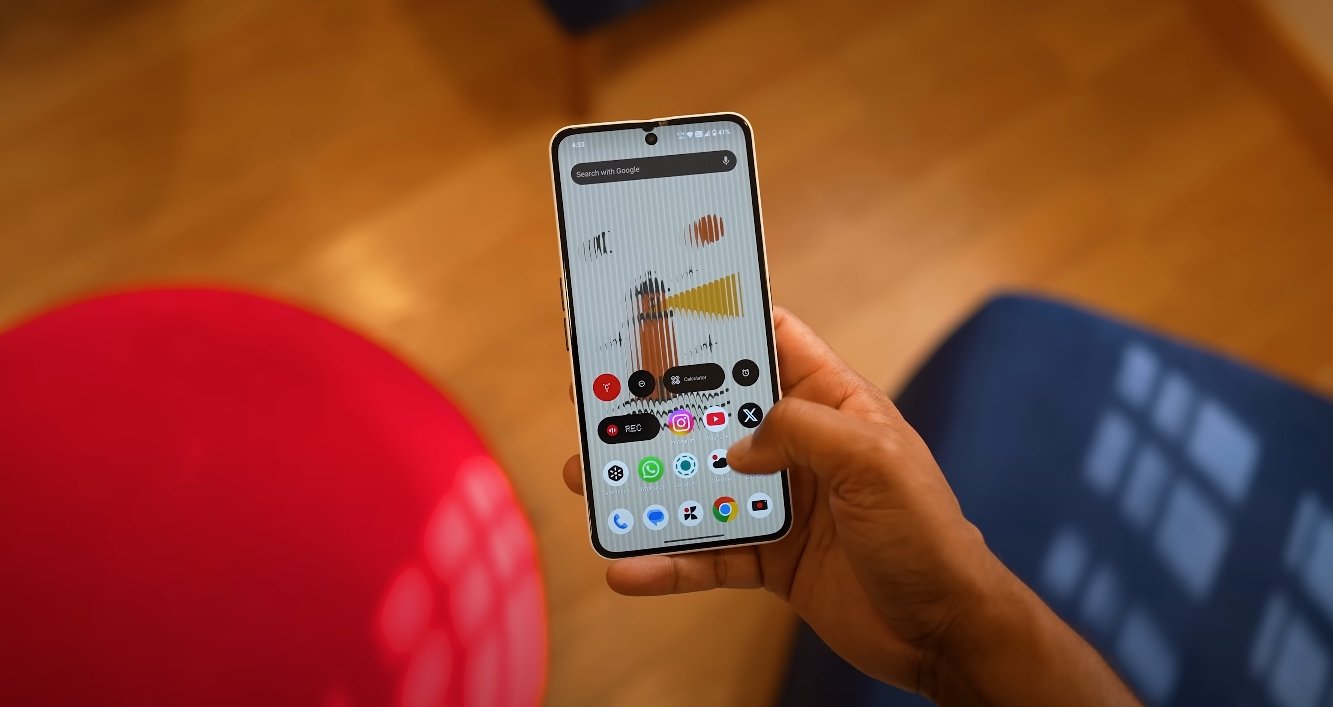
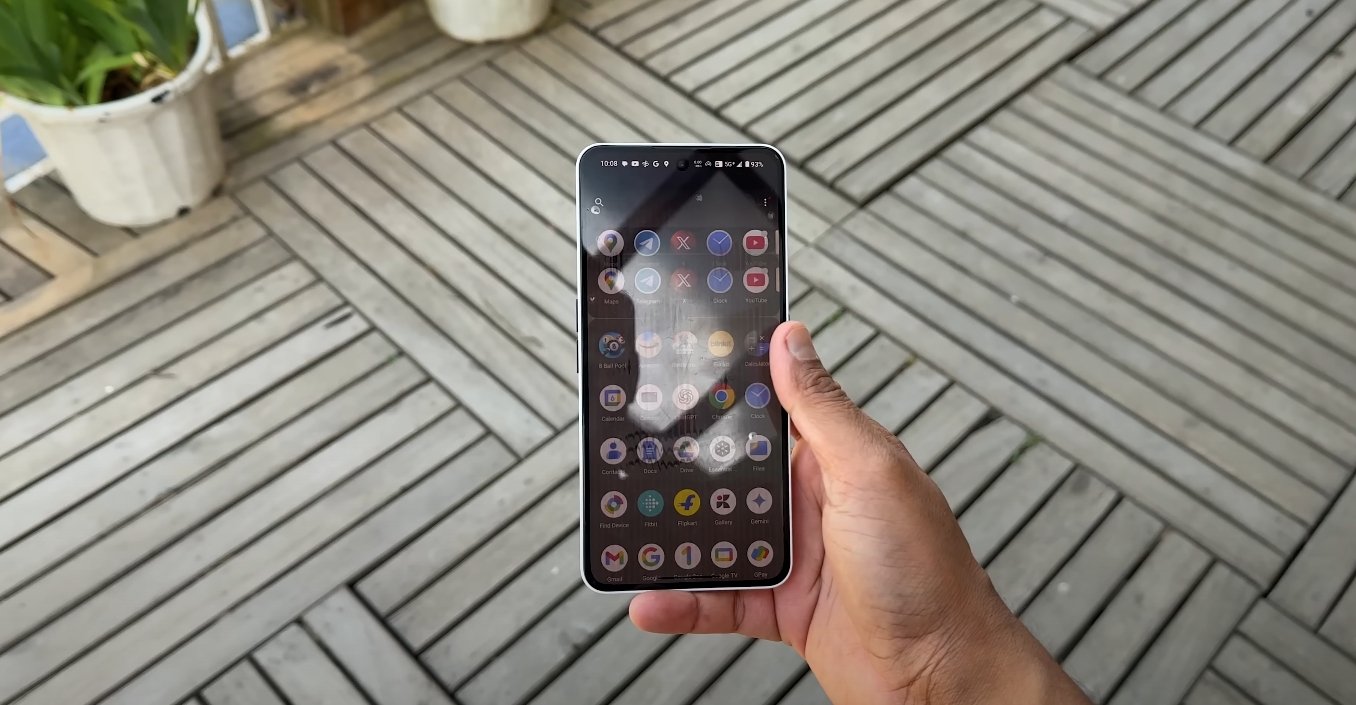
The Nothing Phone 3A Lite comes equipped with Qualcomm’s Snapdragon 7s Gen 3 processor, built on a 4nm process. It’s a capable midrange chip that delivers efficiency and stable performance for everyday gaming. With up to 12GB of RAM, the device handles most games smoothly, offering consistent frame rates on titles like PUBG Mobile, Asphalt 9, and Call of Duty: Mobile. The gameplay feels responsive, and thanks to the 120Hz AMOLED display, animations appear fluid and visually appealing. However, while it performs well for casual and moderate gamers, it doesn’t reach flagship levels of power.
The OnePlus 11R, on the other hand, is powered by the Snapdragon 8+ Gen 1 chipset, which places it in a higher performance category. This processor is built for sustained workloads, offering improved GPU performance and superior thermal efficiency. For graphically demanding games such as Genshin Impact or Fortnite, the OnePlus 11R delivers higher and more stable frame rates. Its advanced cooling system ensures that even during extended gaming sessions, the device remains comfortable to hold, and frame throttling is minimal. This makes it ideal for gamers who prioritize performance over everything else.
Display quality plays a major role in gaming immersion, and both devices deliver impressive visuals. The Nothing Phone 3A Lite features a 6.8-inch AMOLED panel with a 120Hz refresh rate, providing vivid colors and smooth motion. The OnePlus 11R uses a slightly smaller 6.7-inch Super Fluid AMOLED display with the same 120Hz refresh rate but higher touch sampling sensitivity. That means faster input response times, giving competitive gamers a slight advantage in reaction-based titles. Both screens look excellent, but the OnePlus display feels slightly more refined during fast-paced gameplay.
Thermal control is another area where the difference becomes clear. The Nothing Phone 3A Lite handles heat well during short to medium gaming sessions, but under heavy load for extended periods, you may notice the device warming up and a minor drop in frame consistency. The OnePlus 11R’s vapor cooling system keeps it stable under longer gaming durations. This results in smoother performance and fewer slowdowns even after an hour or more of intense gameplay. For users who play for long stretches, the 11R clearly provides a more reliable gaming experience.
Battery performance is equally important for gamers, and both phones feature a 5000mAh battery. The Nothing Phone 3A Lite supports 50W fast charging, which is quite efficient for a midrange device. The OnePlus 11R, however, doubles that speed with its 100W charging capability, making it possible to recharge from low to full in roughly half an hour. In practice, both can last several hours of gaming, but the faster charging of the OnePlus model means less downtime between sessions, which can be a big advantage for power users.
When it comes to software optimization, OnePlus maintains its reputation with OxygenOS, which includes a dedicated gaming mode that fine-tunes performance and notifications. This mode improves focus and allocates system resources toward gaming tasks. The Nothing Phone 3A Lite’s clean and lightweight interface also performs well, offering minimal distractions, but it lacks the same level of advanced gaming customization.
In summary, the Nothing Phone 3A Lite provides a reliable and enjoyable gaming experience for most users, with strong display quality and efficient performance. It’s ideal for casual or moderate gamers who value design and smooth day-to-day usability. The OnePlus 11R, however, stands as the stronger performer overall. It delivers flagship-level speed, superior heat management, and faster charging, making it the clear winner for serious gamers. Both phones bring value in their own ways, but if gaming is your top priority, the OnePlus 11R is the smarter and longer-lasting investment.
The Nothing Phone 3A Lite and Poco F6 represent two very different approaches to mid-range smartphones in 2025. Both are designed to deliver strong performance without the premium flagship price, but their feature sets highlight different priorities. A closer look at their design, display, performance, camera systems, battery, and software support reveals where each device shines.
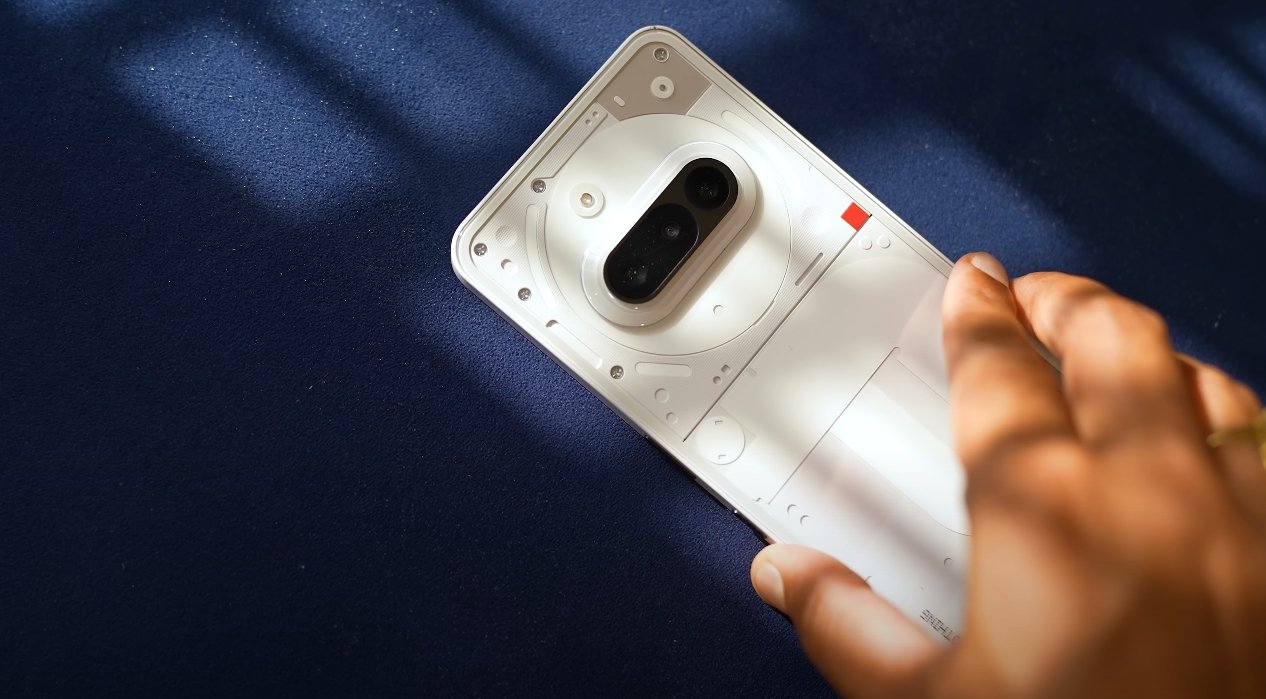
The Nothing Phone 3A Lite comes with a large 6.77-inch AMOLED display that offers a 120Hz refresh rate and strong peak brightness. This gives it a smooth, vivid viewing experience that’s excellent for streaming and gaming. Its design follows Nothing’s signature transparent style, featuring clean lines, unique Glyph lighting, and an overall modern look. The Poco F6, meanwhile, has a slightly smaller 6.67-inch AMOLED display with the same 120Hz refresh rate but focuses more on technical refinement. Its panel supports high brightness, excellent color accuracy, and strong protection. Both displays are designed for premium feel, but Poco emphasizes performance and protection, while Nothing emphasizes bold, distinctive design.
Performance is where the Poco F6 pushes ahead. It runs on the Snapdragon 8s Gen 3 chip, which delivers flagship-level power in a mid-range package. This makes it well suited for gaming, multitasking, and demanding apps. The Nothing Phone 3A Lite uses the Snapdragon 7s Gen 3, a capable chip but more focused on efficiency and balanced performance. This difference means Poco will feel snappier in heavy use, while Nothing will provide solid everyday speed with less power consumption. Both offer generous RAM and storage options, ensuring smooth operation, but Poco’s faster storage technology gives it an extra edge in responsiveness.
In terms of camera systems, the Nothing Phone 3A Lite offers more flexibility. It features a triple camera setup with a 50MP main lens, a 50MP telephoto lens, and an 8MP ultra-wide lens. This gives users more options when shooting landscapes, portraits, or zoomed-in shots. Poco F6 takes a simpler approach with a dual camera system: a 50MP main sensor and an 8MP ultra-wide. Its strength lies in image processing and speed rather than versatility. The Poco can capture fast, clear shots, but it lacks the optical zoom advantage of the Nothing device. For users who enjoy different photography styles, Nothing provides more creative possibilities.
Battery life on both devices is comparable, as each has a 5,000 mAh battery. The real difference comes in charging speeds. Poco F6 supports 90W fast charging, allowing for a near full charge in a very short time. Nothing 3A Lite uses 50W charging, which is still fast but not quite as quick as Poco’s. For users who charge their phone once a day, this may not be a big factor. But for those who prioritize speed and convenience, Poco’s fast charging stands out as a practical advantage.
When it comes to software and user experience, the two phones offer different philosophies. Nothing runs its own clean, minimal interface based on Android, focusing on simplicity, fast updates, and smooth animations. It’s designed to feel light and uncluttered. Poco uses a performance-oriented interface built on Android as well, but with more customization options and extra features aimed at power users. Both promise several years of updates, but Nothing emphasizes a streamlined experience, while Poco focuses on control and features.
The build and durability also show subtle differences. Poco F6 includes strong display protection, making it more resistant to scratches and drops. Nothing 3A Lite carries an eye-catching design but may not be as focused on ruggedness. Both have water and dust resistance ratings appropriate for their price, but Poco’s extra emphasis on durability will appeal to users who value protection.
Choosing between these two devices depends on what matters most. The Poco F6 is the better pick for those who prioritize raw performance, display refinement, and rapid charging. It’s aimed at gamers, multitaskers, and people who want a phone that handles demanding apps effortlessly. The Nothing Phone 3A Lite is the better choice for users who want a stylish design, more flexible camera system, and smooth everyday performance without needing top-tier power.
Both phones bring strong value to the mid-range segment in different ways. Poco’s approach is about giving users flagship power in a more affordable body. Nothing’s approach is about design, experience, and a balanced feature set. Either one can be a great daily driver, but they appeal to different kinds of smartphone buyers.
Today we’re checking out the Nubia Z70 Ultra which makes some bold claims premium specs an Innovative camera system and An eccentric design all starting at £ 649 but does it deliver in real world performance in this review.
We’ll be checking out the Z 70 ultra Snapdragon Elite chipset its AMOLED display and adjustable aperture camera. We’ll also check out what it’s like to game on this phone and daily usability to uncover its strength and weaknesses. The z70 ultra just another high-end smartphone or does it truly stand out let’s find out.
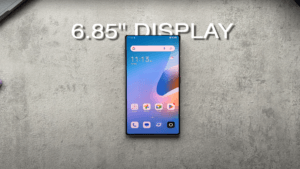
The 6.85 in uninterrupted AMOLED display with very thin bezels
We’ll start off by checking out the design and build of the Z 70 ultra up front we have the 6.85 in uninterrupted AMOLED display with very thin bezels. The frame of the phone itself is made out of aluminum. It come up as 233 to the right we have the nice and click volume and textured red power button along with the dual stage. Camera button down at the bottom but we’ll be checking that out later around the bottom of the phone we have the 3.2 gen USBC port. A microphone speaker and SIM card tray. So no SD card compatibility here unfortunately to the left of the phone we have the switch slider which can be mapped to do various functions.
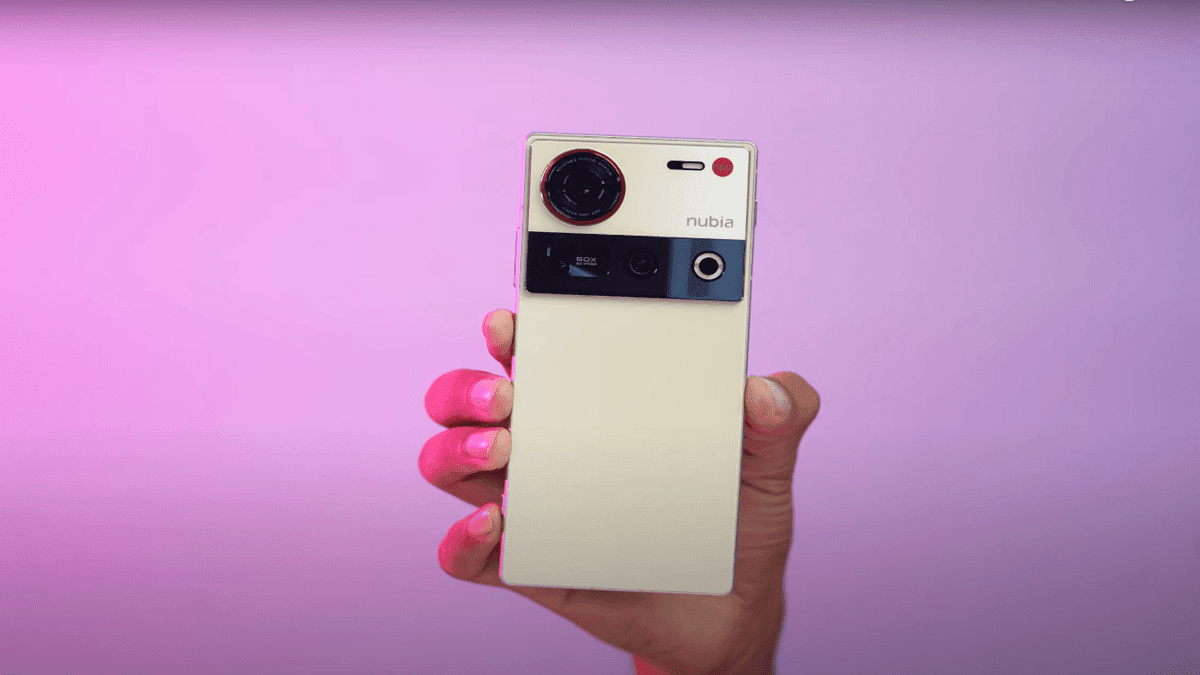
We get to see the Regal yellow color and the soft Stardust matte. As Nubia put it and of course the star of the show cameras themselves which is a triple lens setup with lots of fancy features. I have to say the phone does feel nice and premium in the hand with a good heft to it and though it does have a flat frame. It doesn’t dig into my hand at all build quality on here seems absolutely solid with no creaking or groaning. it’s also ip68 and ip69 rated.
z70 ultra comes with a 1.5 k 6.85 in Amoled display
The design and build let’s dive into the display and see what this screen really has to offer first off we’ll go over the main specs the z70 ultra comes with a 1.5 k 6.85 in AMOLED display offering a resolution of 126x 2688 equating to a pixel density of 431 refresh rate is up to 144 HZ. We’re looking at our Peak brightness of around 2,000 nits with support for HDR 1.It is glass Gen 2 so we’ll jump into the display settings to see what customizations are available. so we have your usual kind of generic things like dark mode we also have read mode changes the color temperature of the screen slightly eye Comfort gives.
We also have color mode and temperature itself so you can pick from colorful standard or soft and you can adjust the Hue from the color wheel brightness like, I said up to 2,000 nits and you also have sunlight mode. So it will get extra bright in actual sunlight. You can keep the screen on while looking and when it comes to screen refresh rate. We have Auto 60 HZ, 90 HZ, 120 HZ and 144 Hz.
Nubia Z 70 Ultra
I’m going to leave that on auto and then you have tiny screen display adjustments, where you can adjust from low medium and high. So you can turn that on from the settings and you have various options you can have it set to always show or display for 10 seconds. After tap the screen or you can have a custom schedule and you have loads of options to pick from.
Notice there’s a very minimal color shift slightly to a cooler temperature, Which is normal behavior of an Amoled display otherwise wing angles are really good. YouTube playback maxes out at 4K 60 FPS with HDR support. So if you’re planning on watching content on here The display has got you covered the panel itself is manufactured by Boe and smartphones like, OnePlus 13 used.
Big displays which I’m waiting for the global release of and We’ll definitely be reviewing that when it becomes available for Netflix this device supports wide one level three unfortunately and also supports SD playback. So on Netflix this means you won’t be getting the best playback with support for only standard definition. So experience on here is not going to be the best and That’s a shame for Amazon Prime playback is supported at 1080p full HD Prime video.
I’m away 4K Ultra HD playback on televisions, We also have support for wireless casting and you can mirror your screen or cast your media wirelessly to compatible TVs or displays on the same Wi-Fi network. So through the USBC Port you can connect directly to a monitor or TV and That’s why HDMI adapter. We do not get here in the UK much at all currently we’re going through a storm the display performs fine the screen legibility was really good obviously you’re going to get the usual Reflections and glaze in more brighter environments but That’s expected on a glass panel this display offers an excellent balance of sharpness color accuracy and brightness in different conditions.
These speakers provide a balanced sound
Talk about the speakers and the audio quality on The Z 70 Ultra phone comes with a dual speaker setup with a bottom firing speaker and the a is doubling up As the second speaker, They’re DTS tuned and they support highs audio so we can expect some decent sound from these we’ll have a look at the audio settings.
Overall these speakers provide a balanced sound I would say there isn’t much depth to them as I would have liked it to be, there’s a simor base there maybe but nothing crazy they’re just your you know normal kind of speakers that you would expect on a smartphone.
Os updates are available for up to 3 years
The z70 ultra is powered by the Snapdragon Elite CPU which offers significant performance improvement over the previous SD gen 3 it’s pair with an adreno 780 GPU in terms of memory we’re looking at three different LPDR 5x Ram options available in 12 16 and 24 GB and UFS is 4.0 available in 256 512 and 1 tab sizes.
Nubia is using their nebula AI OS skin on top of Android 15 here and When reaching out to Nubia regarding OS updates they stated OS updates are available for up to 3 years and Regular updates will be released monthly. You can also add extended Ram up to 12 GB, If you choose to do so and this is also known as virtual Ram as the phone here is 16 GB adding another 12 would give us a total of 28 GB of RAM.
When it comes to benchmarks have a quick look at geek bench 6, So we got a single score of 3,151 and a multi-core score of 9,772. this is a 39% increase on single core and 37% increase on multicore, when it comes to read and WR speeds we get a sequential right of 472 mga b and a sequential read of 1.28. So quite High read and right speeds on the drives there on 3D Mark Wildlife extreme test. That’s the highest I’ve seen on any device that I’ve reviewed and then in Performance monitoring, We can see the frame rate range from 23 fps to 43. Benchmark it scored 2,561 298. That’s a very high score there on the global rankings that puts it in third place after the Vivo X200 Pro the SD Elite chip is a beast clearly again compared to the Z 60 Ultra this is a 22% increase.
We’ll have a look at what is available in the settings so in Connected devices we have our usual options for connectivity and things like NFC VPN and Android auto theme and personalization. Lets us customize various things from wallpaper lock screen app icons fingerprint animation, We have the settings for the camera key, You can map it to different functions.
50 mega pixel ultra wide camera and a 64 mega pixel Teli camera
We have the rear cameras which compromises of there cameras itself these being the 50 mega p main camera 50 mega p Ultra wide camera and a 64 mega p Teli camera and The front camera which is an under display camera comes in at 16 megapixels. I feel like I’ve said camera about 100 times the main camera is 35 mm. So we’ll check out what the phone is capable of capturing soon but first, we’ll have a look at what the camera app itself brings us so the different modes we have our camera family Starburst Street Pro Photo Video and that’s saying something about pre-recording.
If we look out for we can see we have your kind of generic settings from the drop down here if we hop in further we have intelligent be tracking autofocus multi-point autofocus automatic night schene automatic portrait. So it’s Pack full of different options in the video we have up to 8K recording 4K allows you 30 60 or 120 FPS and 8K maxes out at 30 FPS only and in the settings here normal staff video encoder format H 264 H 265 or HDR 10 I.
We have tracking autofocus and things like that and again underwater filming control volume key for Zoom. We have your three different Zoom levels or focal points 18 35 and 85 mm and if you want to really dial things in you can go to PR mode. So it gives you granular control over so many different aspects settings wise similar kind of setup but you can choose peaking Focus histogram here roll graph if you want that and various other options.
Then street is kind of similar but gives you more options with the focal points or Zoom levels with 18 super wide Main and again you have loads of options with the settings button here. I’ve taken on this phone testing out what the rear camera is like autofocus is nice and quick quality seems really good. As well now 85 m give me. A lens checking out video recording see what the image stabilization conditions like just walking down the road looks like. If that’s any different from the previous video where it was off looks like it’s a lot more stable.
The Z 70 ultra comes with a 6,150 MAH silicon carbon battery
It comes with a 6,150 MAH silicon carbon analid battery. which you can call an advanced version of the traditional lithium iron batteries, Offering a high energy storage capacity longer battery life and improved stability to name a few advantages. It supports 80w fast charging charging from empty takes around 42 minutes. So we also have charge separation which allows the device to be charge by power and not the battery.
You can turn that on and allow it to Auto turn off if you’d like and in more setting we have scenario AI optimization adaptive 5G power saving settings. And then dark mode settings here scenario AI optimization optimized when the apps are not in Ed. In my experience battery life on here was really quite good considering. It’s 6,150 milliamp in my testing. I managed to get two solid days of medium to light use obviously.
Now we’ll test the Cod quality on the other end so using another device. We listen to how this phone’s microphone captures my voice during the call7 is like. So how it transmits voice to another phone. This is receiving on the Moto e14 quality on both ends transmitting and the a piece itself was crystal clear for me.
Understanding the NVIDIA RTX 5090 16-Pin Connector Melting Issue in the UK
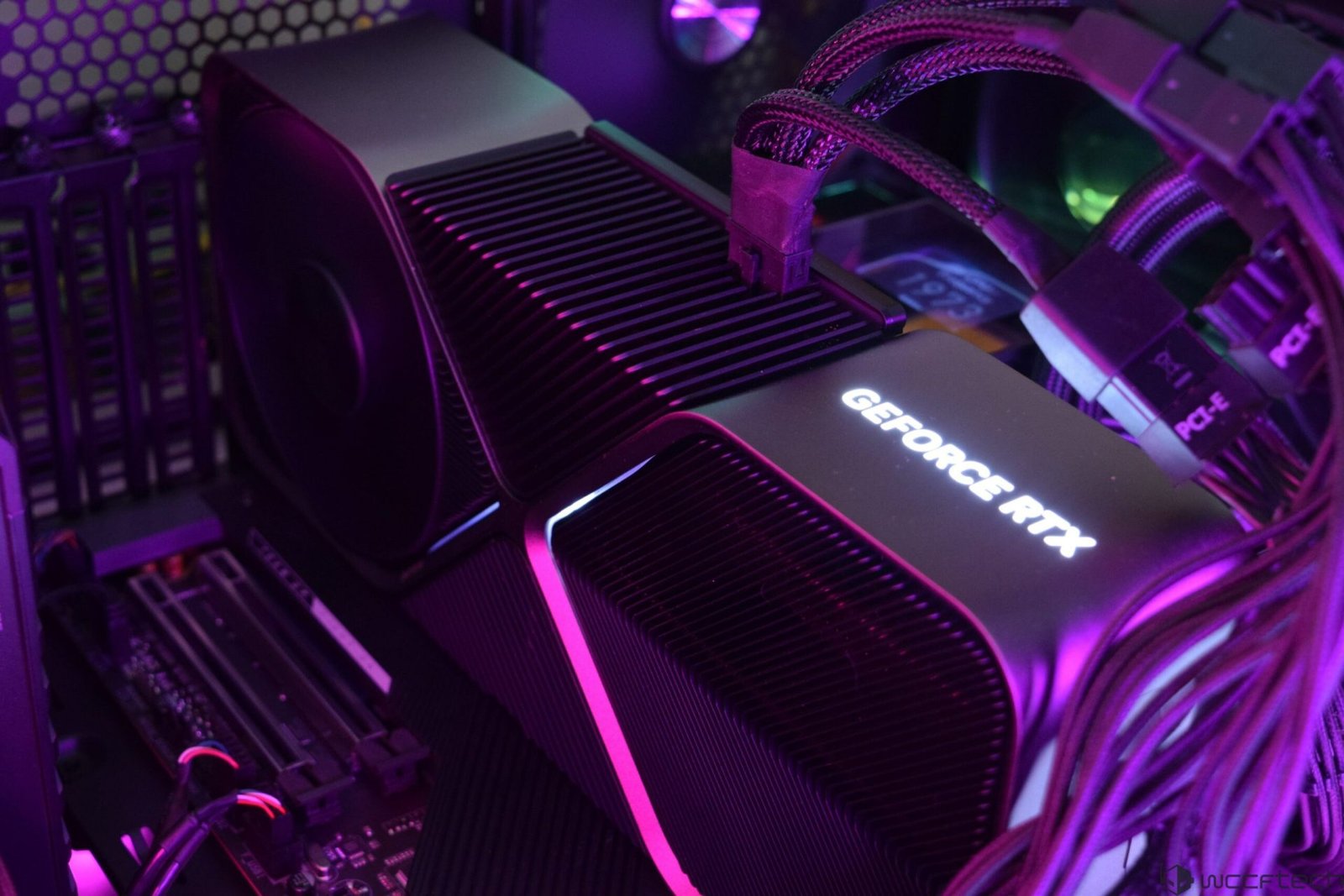
The issue of 16-pin connector melting has been a persistent problem for NVIDIA, particularly with the RTX 50 series, and it is not a new phenomenon, having been reported as early as 2022 with the RTX 4090. Despite efforts by NVIDIA and its partners to address the issue, the problem persists, with the Blackwell GeForce RTX 5090 being the most affected. The RTX 5090, with its 575W rating, has been at the centre of the controversy, with reports of connector melting surfacing almost every week.
The saga of the melting 16-pin connector has been ongoing for over a year, with no clear end in sight. As we continue to track the developments and reports of this issue, it is essential to delve deeper into the causes and potential solutions. The UK market has been particularly affected, with many users reporting instances of connector melting, prompting a closer look at the behaviour of the 12V-2X6 connector.
To better understand the issue, it is crucial to analyse the available data and user reports, which suggest that the problem is not limited to a specific batch or production run. The fact that the issue has been ongoing for an extended period raises concerns about the design and quality control of the 16-pin connector. Furthermore, the lack of a definitive solution from NVIDIA and its partners has led to frustration among users, who are seeking a reliable and efficient way to address the problem.
In the UK, the issue has been exacerbated by the lack of clear guidance from manufacturers and retailers, leaving users to seek solutions on their own. However, by examining the available evidence and user experiences, it is possible to identify potential causes and mitigation strategies. The 12V-2X6 connector, in particular, has been identified as a potential weak point, and users have reported varying degrees of success with different approaches to addressing the issue.
As the situation continues to unfold, it is essential for users in the UK to remain informed and vigilant, seeking out reliable sources of information and guidance. By working together and sharing experiences, it may be possible to find a solution to the 16-pin connector melting issue, and to prevent further instances of this problem. The colour of the connector, the behaviour of the cable, and the overall design of the system are all factors that must be considered in the pursuit of a reliable and efficient solution.
Ultimately, the goal is to find a way to prevent the 16-pin connector melting issue, and to ensure that users in the UK can enjoy a safe and reliable computing experience. By analysing the available data, sharing user experiences, and working together to identify potential causes and solutions, it may be possible to overcome this challenge and move forward with confidence. The UK market is eagerly awaiting a resolution to this issue, and it is up to manufacturers, retailers, and users to work together to find a solution.
The issue of 16-pin connector melting is complex and multifaceted, and it will require a concerted effort to resolve. However, by working together and sharing our knowledge and experiences, we can overcome this challenge and create a safer, more reliable computing environment for all users in the UK. The future of computing depends on our ability to address this issue, and to find a solution that works for everyone.
In conclusion, the 16-pin connector melting issue is a serious problem that affects users in the UK, and it requires a comprehensive and coordinated response. By analysing the available data, sharing user experiences, and working together to identify potential causes and solutions, we can overcome this challenge and create a better future for computing. The time to act is now, and it is up to us to make a difference.
Nvidia RTX 5060: 30% Price Shock Looms as Production Halt Rumours Emerge, What Does This Mean for Gamers?
Nvidia has reportedly halted production of the RTX 5060, in addition to the RTX 5070 Ti and RTX 5060 Ti 16 GB. This news comes amidst a controversy surrounding Asus’ confirmation of the RTX 5070 Ti discontinuation.
The halt in production is set to last for six months, which could lead to a significant price increase for the RTX 5060. This price shock may be as high as 30%, making it even more challenging for gamers to get their hands on this graphics card.
The news of the production halt has sent shockwaves through the gaming community, with many wondering what this means for the future of Nvidia’s graphics cards. The company has not made an official statement regarding the production halt, leaving many to speculate about the reasons behind this decision.
As the gaming industry continues to evolve, the demand for high-performance graphics cards like the RTX 5060 remains strong. The production halt may lead to a shortage of these cards, making it difficult for gamers to upgrade their systems.
The controversy surrounding Asus’ confirmation of the RTX 5070 Ti discontinuation has added to the uncertainty surrounding Nvidia’s graphics cards. The company’s decision to halt production of the RTX 5060 has only fuelled the speculation, leaving many to wonder what the future holds for Nvidia’s graphics cards.
The six-month production halt is set to have a significant impact on the gaming industry, with many gamers facing a difficult decision. The price increase of up to 30% may be too much for some gamers to bear, leading them to consider alternative options.
As the situation continues to unfold, gamers will be keeping a close eye on Nvidia’s next move. The company’s decision to halt production of the RTX 5060 has sent a shockwave through the gaming community, and it remains to be seen how this will affect the future of Nvidia’s graphics cards.
The production halt may also have an impact on the overall gaming industry, with many companies relying on Nvidia’s graphics cards to power their systems. The shortage of RTX 5060 cards may lead to a slowdown in the development of new games, as developers wait for the production to resume.
The situation is complex, and the outcome is uncertain. One thing is clear, however: the production halt of the RTX 5060 will have a significant impact on the gaming industry. Gamers will be waiting with bated breath to see how this situation unfolds and what the future holds for Nvidia’s graphics cards.
Nvidia’s decision to halt production of the RTX 5060 has sparked a heated debate among gamers. Some argue that the company is making a mistake by halting production, while others see it as a necessary move to ensure the quality of their graphics cards.
The debate surrounding the production halt is ongoing, with many gamers taking to social media to share their thoughts. As the situation continues to unfold, it will be interesting to see how Nvidia responds to the backlash from the gaming community.
For now, gamers will have to wait and see how the situation develops. The production halt of the RTX 5060 has created a sense of uncertainty, and it remains to be seen how this will affect the future of Nvidia’s graphics cards.
The gaming industry is known for its fast-paced and ever-changing nature. The production halt of the RTX 5060 is just the latest development in this ongoing saga. As the situation continues to unfold, gamers will be keeping a close eye on Nvidia’s next move.
The company’s decision to halt production of the RTX 5060 has raised many questions. What does this mean for the future of Nvidia’s graphics cards? Will the production halt lead to a shortage of RTX 5060 cards? Only time will tell, but one thing is certain: the gaming industry will be watching with bated breath.
Nothing Phone 4a vs 4a Pro: What Sets Them Apart in the UK
The Nothing Phone 4a and 4a Pro have finally arrived in the UK, bringing with them a fresh wave of mid-range smartphone excitement. With their unique designs and innovative features, it can be tricky to decide which model is right for you.
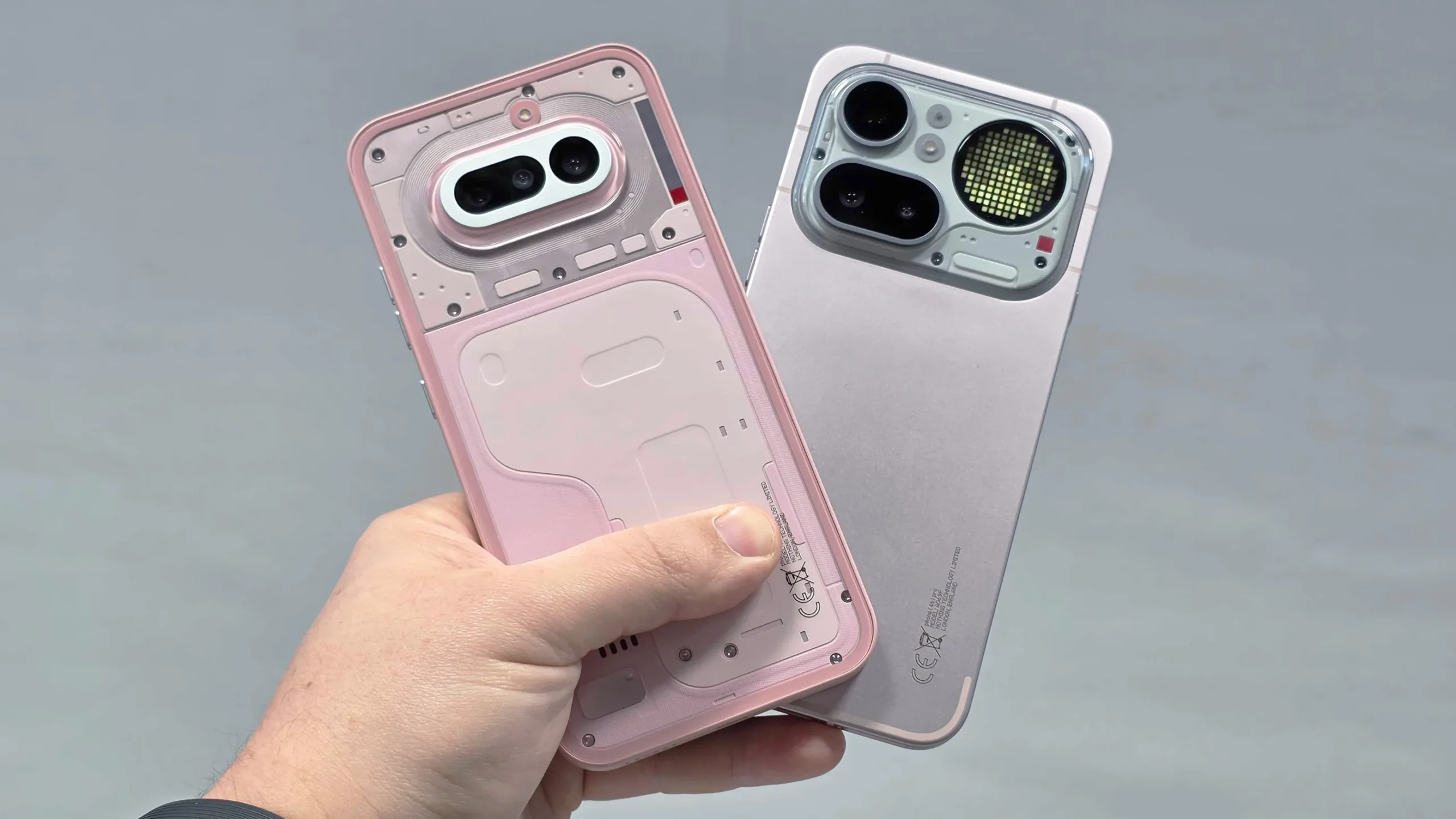
One of the primary differences between the two phones is the Glyph lighting system. The Nothing Phone 4a features a simplified Glyph Bar, comprising 63 mini-LEDs configured into a strip of seven square lights. In contrast, the Nothing Phone 4a Pro boasts a Glyph Matrix display, made up of 137 mini-LEDs, offering animated notifications.
In terms of design, the Nothing Phone 4a and 4a Pro have distinct styles. The non-Pro model has a semi-transparent finish and a pill-shaped camera module, whereas the Pro model has a slimmer, more streamlined look with limited transparency. The Pro also features an aluminium unibody and a slightly better IP65 rating.
Camera enthusiasts will appreciate the superior set-up on the Nothing Phone 4a Pro, which includes a larger Sony LYT700c main sensor and a 50Mp telephoto camera with a maximum 140x hybrid zoom. The Nothing Phone 4a also has a 50Mp telephoto camera, but with a lower 70x hybrid zoom.
As expected, the Nothing Phone 4a Pro comes with a higher price tag, starting at £499 for 8GB of RAM and 128GB of storage. This represents a significant 43% increase over the base Nothing Phone 4a model.
Ultimately, the choice between the Nothing Phone 4a and 4a Pro will depend on your individual needs and budget. Both phones offer a unique blend of style, innovation, and performance, making them two of the most exciting mid-range options available in the UK.
Revolutionising Mobile Technology: The Nothing Phone 4a Pro
The UK mobile market is abuzz with the launch of the Nothing Phone 4a and Phone 4a Pro, boasting impressive specs and innovative features. These devices are set to redefine the smartphone experience with their powerful Snapdragon 7-series processors. The Pro model, in particular, is turning heads with its advanced Glyph Matrix LED system. This unique feature is sure to capture the attention of tech enthusiasts across the UK.
One of the standout aspects of the Phone 4a Pro is its high-quality display, offering up to 144 Hz AMOLED for seamless visuals. Whether you’re gaming, watching videos, or simply scrolling through your social media feeds, this device promises an unparalleled viewing experience. Moreover, the periscope zoom camera allows for incredible 140× zoom, enabling users to capture life’s precious moments in stunning detail.
The Nothing Phone 4a series is designed to cater to a wide range of users, from casual smartphone enthusiasts to serious tech aficionados. With the Phone 4a Pro, you can enjoy lightning-fast performance, courtesy of the Snapdragon 7-series processor. This, combined with the long-lasting battery and sleek design, makes for a truly compelling package. As the UK tech scene continues to evolve, devices like the Nothing Phone 4a Pro are at the forefront of innovation.
In conclusion, the Nothing Phone 4a and Phone 4a Pro are set to make a significant impact in the UK mobile market. With their unique blend of style, substance, and cutting-edge technology, these devices are poised to capture a substantial share of the smartphone market. If you’re in the market for a new device, the Nothing Phone 4a Pro is certainly worth considering, especially with its innovative Glyph Matrix LED system and impressive camera capabilities.
Nvidia’s Latest Driver Update: A Voltage Reduction for RTX GPUs in the UK
Nvidia has released the 595.71 Game Ready Drivers to address issues caused by the previous 595.59 release. The new driver brings fixes for major problems but also introduces new limitations. This update affects the performance of RTX GPUs in the UK.
The voltage reduction is a notable change, impacting the overall performance of Nvidia’s RTX GPUs. The update’s primary goal was to resolve issues, but it has also led to a decrease in performance. Nvidia’s decision to reduce voltage may be a result of analysing user behaviour and feedback.
In the UK, gamers and graphics professionals rely heavily on Nvidia’s RTX GPUs for their high-performance capabilities. The latest driver update may lead to a change in user behaviour, as they may need to adjust their expectations and settings. The colour palette and graphics quality may also be affected by this update.
To analyse the impact of this update, users in the UK can compare their system’s performance before and after the update. This will help them understand the extent of the voltage reduction and its effects on their RTX GPUs. By doing so, users can make informed decisions about their hardware and software configurations.
The Nvidia community in the UK is likely to discuss this update and its implications. Users can share their experiences and tips on how to optimise their systems despite the voltage reduction. This collective knowledge will help the community to better understand and adapt to the changes brought by the 595.71 Game Ready Drivers.
The UK’s gaming and graphics industry will also be affected by this update. Developers and manufacturers may need to reassess their products and services to ensure compatibility with the updated drivers. This could lead to a shift in the market, as companies adapt to the new landscape and user behaviour.
In conclusion, the latest Nvidia driver update has significant implications for RTX GPU users in the UK. The voltage reduction may lead to a decrease in performance, but it also presents an opportunity for the community to come together and find solutions. By analysing the impact and sharing knowledge, users can mitigate the effects and continue to enjoy high-quality graphics and gaming experiences.
Nvidia’s GeForce Now service is set to revolutionise the gaming landscape in the UK, with its impending launch in Q1 2026. We had the opportunity to experience the technology demo, which left a lasting impression. The potential for this service is vast, but many questions remain unanswered.
The GeForce Now service promises to deliver high-quality gaming experiences to users across the UK, but details about the service are still scarce. As we eagerly await the launch, we can’t help but wonder what the future holds for this innovative technology.
As we delve into the world of cloud gaming, it’s essential to analyse the behaviour of gamers and their expectations from such services. The UK gaming community is known for its enthusiasm and dedication, and Nvidia’s GeForce Now is poised to tap into this vibrant market.
With the launch of GeForce Now in the UK, gamers can expect a seamless and immersive experience, with access to a vast library of games. The colour and vibrancy of the games will be unparalleled, and the service promises to deliver an unparalleled level of convenience and flexibility.
As we look to the future, it’s clear that GeForce Now has the potential to transform the gaming industry in the UK. With its cutting-edge technology and commitment to excellence, Nvidia is set to make a significant impact on the gaming landscape.
The UK gaming community is eagerly awaiting the launch of GeForce Now, and it’s essential to understand the expectations and needs of this community. By doing so, Nvidia can ensure that its service meets the high standards of UK gamers and provides an exceptional user experience.
In conclusion, Nvidia’s GeForce Now service is an exciting development for the UK gaming industry, and we look forward to seeing how it will evolve in the coming months. With its innovative technology and commitment to excellence, Nvidia is poised to make a lasting impact on the gaming landscape in the UK.
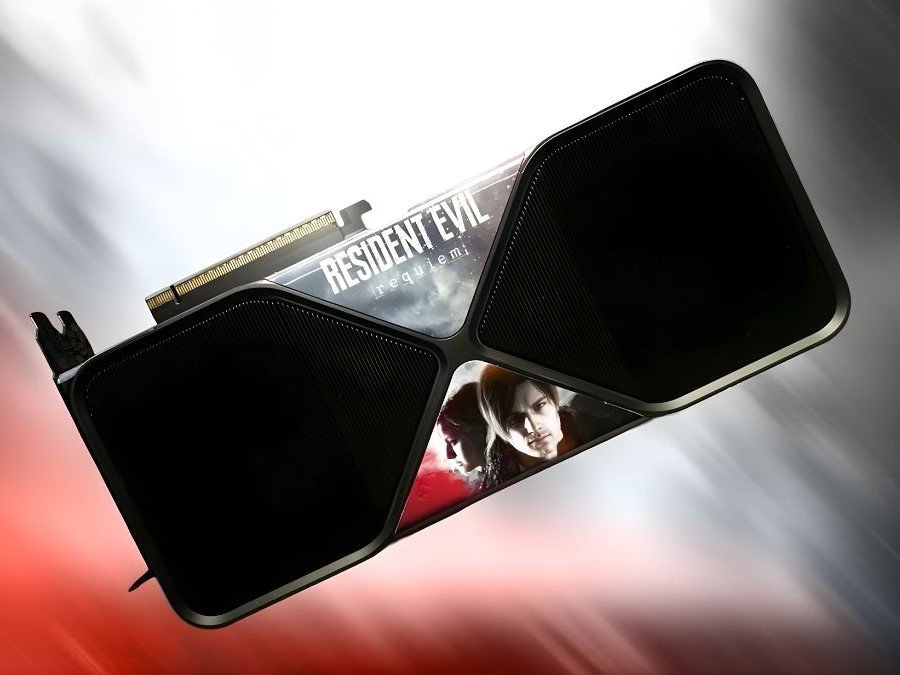
Celebrating Resident Evil Requiem with Nvidia’s RTX 5090 Giveaway in the UK
To commemorate the launch of Resident Evil Requiem, Nvidia is hosting an exciting giveaway in the UK, featuring the powerful RTX 5090 with a custom Resident Evil Requiem wrap.
This unique opportunity allows gamers to get their hands on the flagship GPU of the RTX 50-series, perfect for an immersive gaming experience with stunning graphics and performance.
The RTX 5090 is designed to deliver exceptional colour and detail, making it ideal for playing Resident Evil Requiem and other demanding games.
By entering the giveaway, participants can analyse their chances of winning this incredible prize and experience the thrill of gaming with Nvidia’s cutting-edge technology.
Nvidia GB10-Powered DGX Spark: A Price Hike in the UK
The Nvidia GB10-based DGX Spark mini workstation has seen a significant price hike in the UK market, which is not entirely unexpected given the current market trends. The system boasts an impressive 128 GB of LPDDR5X memory. This substantial amount of memory makes the system highly susceptible to DRAM price fluctuations. The UK market is feeling the effects of this price increase.
The DGX Spark mini workstation is a powerful tool designed for professionals who require high-performance computing. With its GB10 processor and ample memory, it is an ideal solution for applications that demand intense computational power. However, the recent price hike may affect its appeal to some potential buyers in the UK.
Despite the price increase, the Nvidia GB10-powered DGX Spark remains a top choice for many professionals in the UK. Its exceptional performance and robust features make it a valuable investment for those who require a reliable and high-performance workstation. The system’s 128 GB of LPDDR5X memory is a significant factor in its overall performance.
In the UK, the Nvidia GB10-based DGX Spark mini workstation is widely used in various industries, including gaming, video production, and software development. The system’s ability to handle demanding tasks with ease makes it an essential tool for professionals who need to analyse complex data and run simulations. The recent price hike may lead to a shift in the market, with some buyers potentially exploring alternative options.
The UK market is highly competitive, and the price hike may affect Nvidia’s market share. However, the company remains a leading player in the industry, and its products continue to be in high demand. The Nvidia GB10-powered DGX Spark is a testament to the company’s commitment to delivering high-quality products that meet the needs of professionals in the UK.
As the UK market continues to evolve, it will be interesting to see how the price hike affects the demand for the Nvidia GB10-based DGX Spark mini workstation. One thing is certain – the system remains a top choice for professionals who require a powerful and reliable workstation. The 128 GB of LPDDR5X memory is a significant factor in its appeal, and the system’s overall performance is unparalleled in the UK market.
In conclusion, the Nvidia GB10-powered DGX Spark has seen a significant price hike in the UK, which may affect its appeal to some potential buyers. However, the system remains a top choice for professionals who require a high-performance workstation. Its exceptional performance, robust features, and ample memory make it a valuable investment for those who need a reliable and powerful tool for their work in the UK.
The upcoming Nvidia RTX 5090 Ti/ Blackwell Titan has been making waves in the tech community, with recent leaks suggesting a minor spec bump. According to Moore’s Law is Dead, the new flagship graphics card will offer only marginal performance gains.
However, what’s more striking is the notable increase in power consumption. The RTX 5090 Ti will reportedly consume remarkably more power than its predecessor.
This development has sparked interesting discussions about the future of graphics card design. As the industry continues to push the boundaries of performance, it’s clear that power consumption will become an increasingly important consideration.
For gamers and content creators, the RTX 5090 Ti’s minor performance boost may not be enough to justify the significant increase in power consumption. Nevertheless, the new flagship card is still expected to deliver exceptional performance.
The RTX 5090 Ti’s power consumption is likely to be a major concern for system builders and enthusiasts. As the demand for more powerful graphics cards continues to grow, manufacturers will need to find innovative ways to balance performance with power efficiency.
While the RTX 5090 Ti may not be a major performance upgrade, it’s still an important release for Nvidia. The new flagship card will likely set the tone for future graphics card designs, and its impact will be felt across the industry.
As we await the official release of the RTX 5090 Ti, it’s clear that the graphics card market is on the cusp of an exciting new era. With the rise of new technologies and innovations, we can expect to see significant advancements in performance and power efficiency.
For now, the RTX 5090 Ti remains an intriguing release that promises to deliver exceptional performance. While its power consumption may be a concern, the new flagship card is still an important step forward for Nvidia and the graphics card industry.
The future of graphics card design is looking bright, with the RTX 5090 Ti set to play a major role in shaping the industry’s direction. As we look to the future, it’s clear that innovation and performance will continue to drive the development of new graphics cards.
With the RTX 5090 Ti, Nvidia is poised to maintain its position as a leader in the graphics card market. The new flagship card’s minor performance boost and significant power surge make it an interesting release that’s sure to generate plenty of discussion.
In conclusion, the Nvidia RTX 5090 Ti is an important release that promises to deliver exceptional performance. While its power consumption may be a concern, the new flagship card is still a significant step forward for Nvidia and the graphics card industry.