Nothing Phone 4a Design Revealed Ahead of Launch

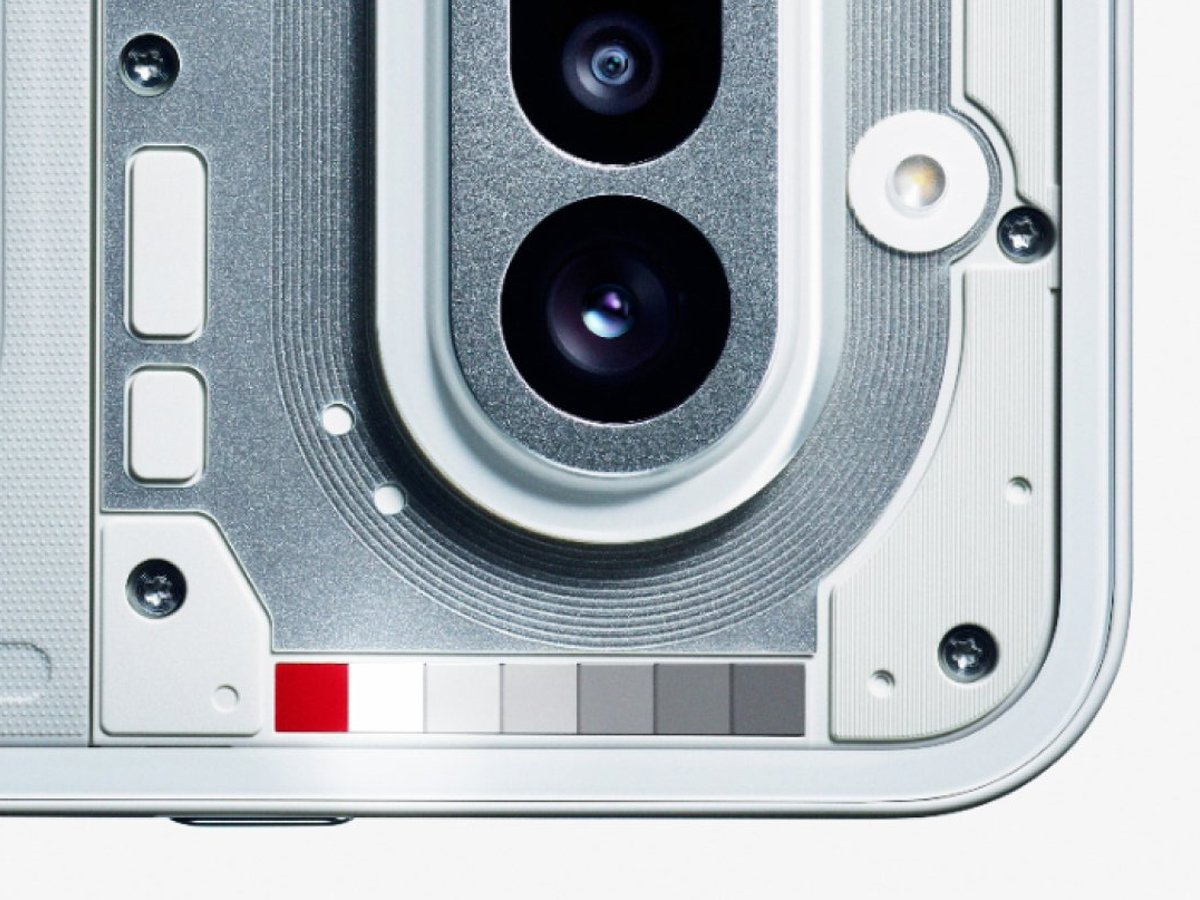
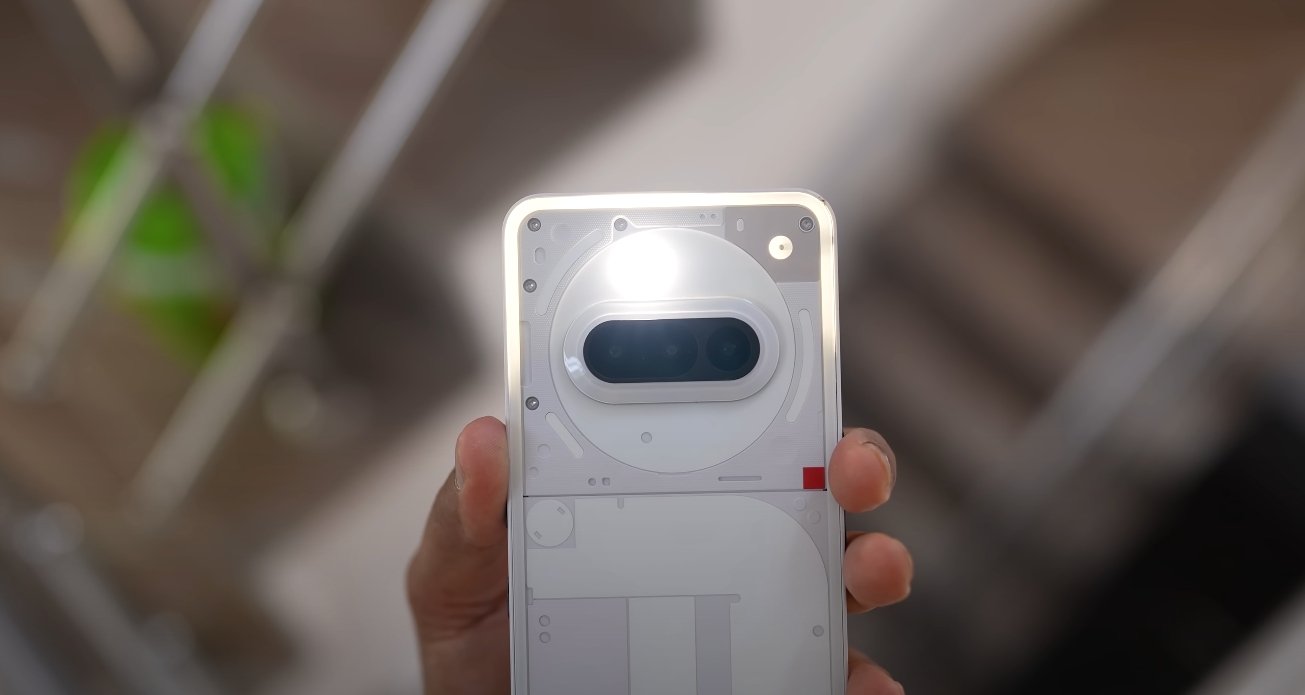
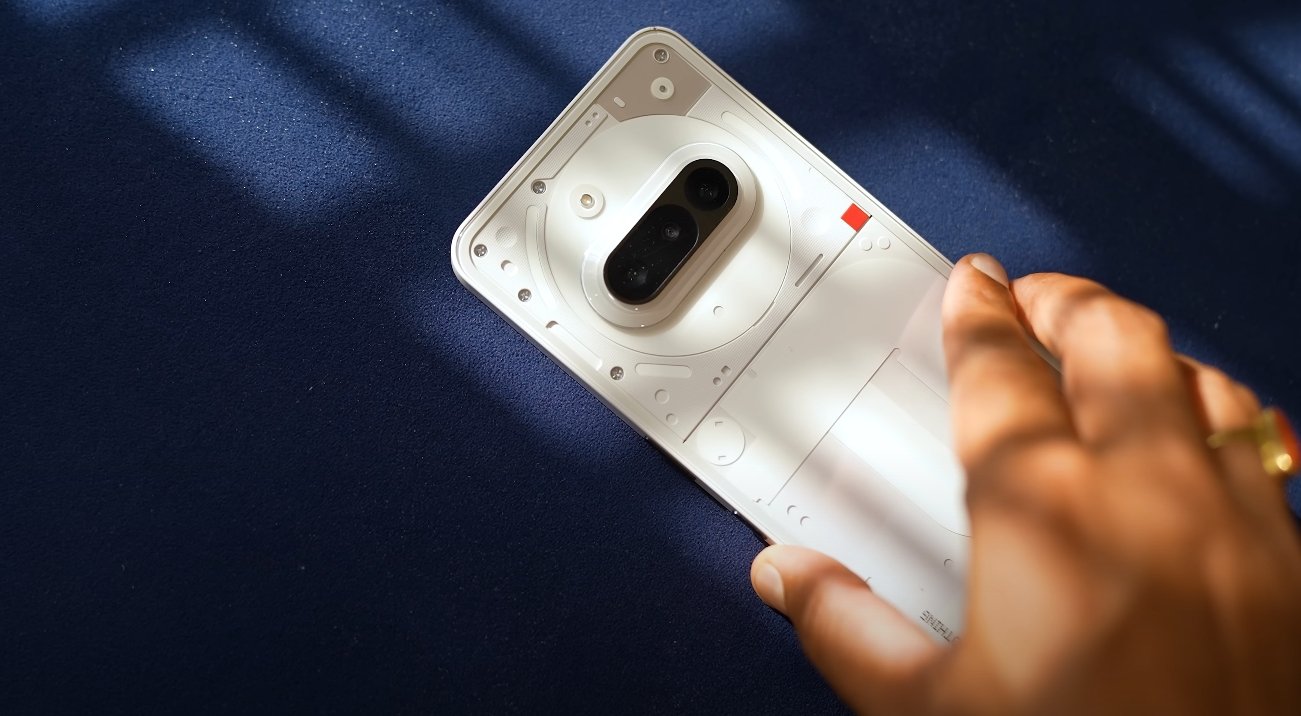
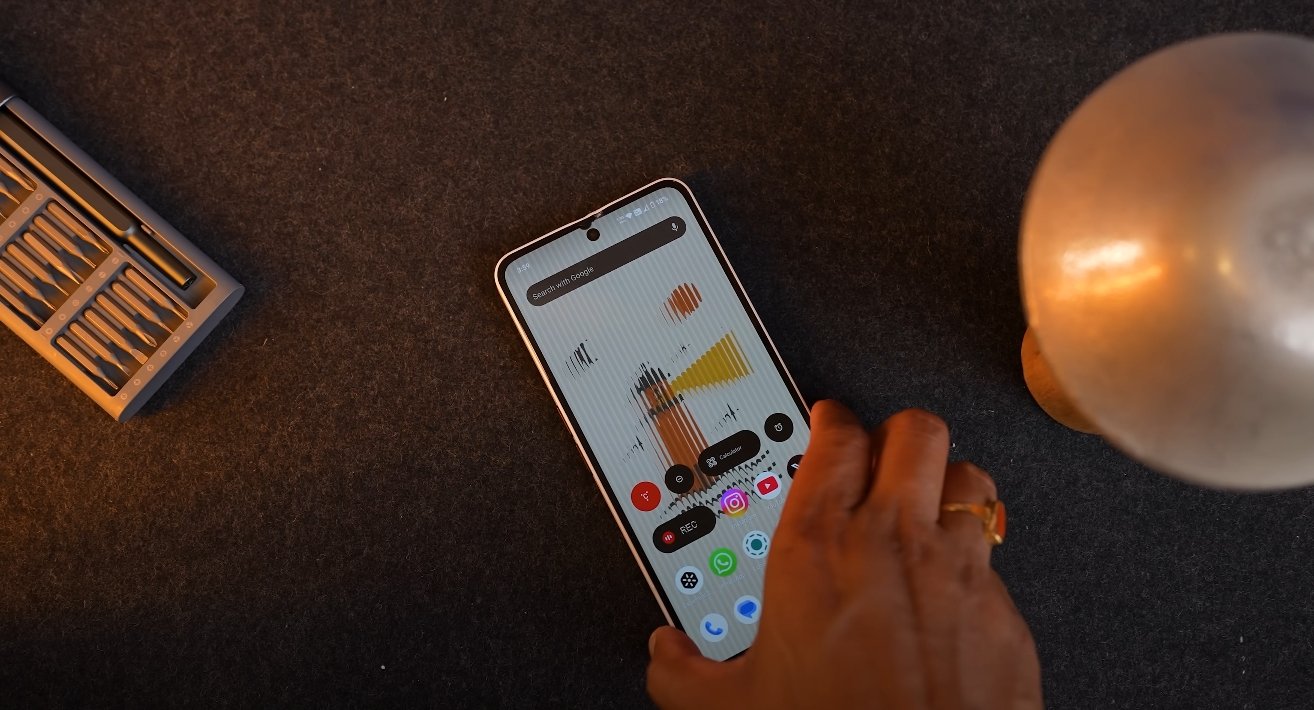
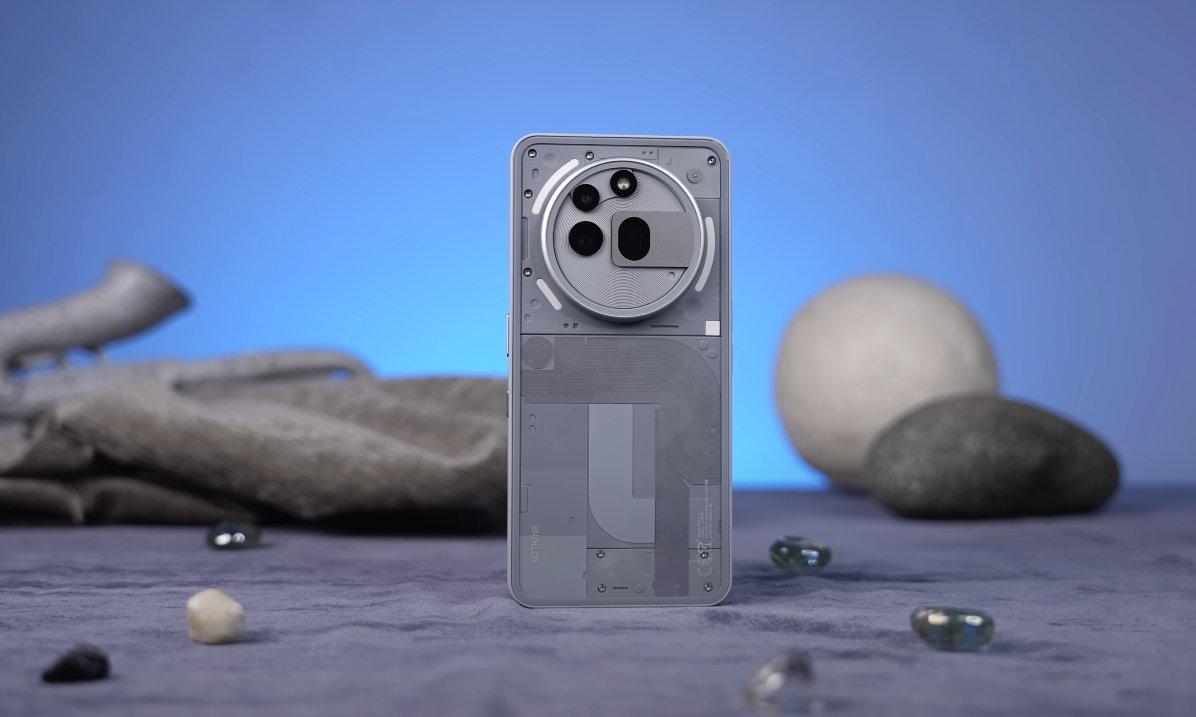
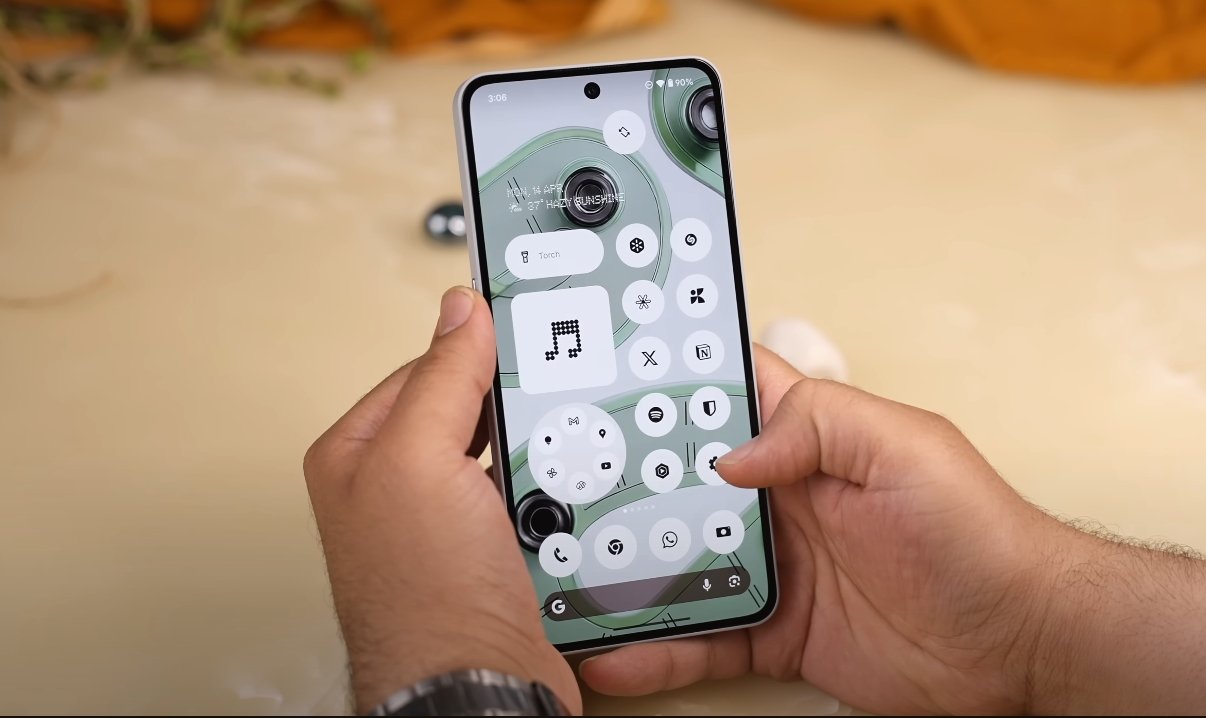
The Nothing Phone 4a features a sleek and modern design, with a similar rear design to its predecessor, showcasing the latest in smartphone technology and innovative colour schemes

Exclusive First Look: Nothing Phone 4a Design Unveiled

The highly anticipated Nothing Phone 4a series is set to launch on March 5, 2026, and the company has given us a sneak peek at the design of the non-Pro phone. The rear of the smartphone appears to retain a similar design to its predecessor. This subtle approach to design may indicate a focus on internal upgrades. The launch is just around the corner, and fans are eagerly awaiting the official reveal.

The Nothing Phone 4a series has been generating significant buzz in the tech world, with many speculating about its features and specifications. Although the design may not have undergone a drastic transformation, it is likely that the phone will boast impressive internal upgrades. The company’s decision to reveal the design ahead of the launch may be a strategic move to build anticipation and excitement among potential buyers.

As we countdown to the launch, it is essential to analyse the potential implications of the Nothing Phone 4a’s design on the overall user experience. The phone’s behaviour, in terms of performance and battery life, will be crucial in determining its success in the market. With the launch just a few days away, fans and critics alike are eagerly awaiting the opportunity to get their hands on the device and put it to the test.

The Nothing Phone 4a’s design reveal has certainly generated a lot of interest, and it will be interesting to see how the phone performs in terms of sales and customer satisfaction. The company’s approach to design and innovation will be under scrutiny, and it remains to be seen whether the phone will live up to the hype. One thing is certain, however: the tech world will be watching with great interest as the Nothing Phone 4a makes its debut.

Nothing Phone 4 and 4a: Latest Details Revealed by CEO Carl Pei

Nothing Phone 4 and 4a: A new generation of smartphones with innovative features and affordable price points, offering a unique blend of style and functionality, with CEO Carl Pei at the helm, introducing the latest devices with budget-friendly options

Nothing Phone 4 and 4a: What to Expect in 2026

Carl Pei, the CEO of Nothing, has recently shared some exciting insights into the company’s plans for 2026. For those eagerly awaiting a flagship refresh, there may be some disappointment in store. However, budget-conscious customers may have reason to celebrate, as the company is set to launch its new Phone (4a), a more affordable option.

The Phone (4a) is expected to offer a range of impressive features at a lower price point, making it an attractive option for those on a tighter budget. With the Phone (4) also in the pipeline, customers can look forward to a choice of devices that cater to different needs and preferences.

While specific details about the Phone (4) are still scarce, it is clear that Nothing is committed to delivering high-quality devices that meet the evolving needs of its customers. As the company continues to innovate and push boundaries, fans can expect exciting developments in the world of smartphones.

The budget-oriented Phone (4a) is likely to be a major draw for customers, offering a unique blend of style, functionality, and affordability. With its focus on delivering exceptional value, Nothing is poised to make a significant impact in the market, and the Phone (4a) is just the beginning.

Nothing Phone 3A Lite vs Galaxy S23 FE feature gap

Nothing Phone 3A Lite vs Galaxy S23 FE feature gap

Comparing Mid-Range and Premium Options: Nothing Phone 3A Lite and Galaxy S23 FE

The smartphone market in 2025 offers a wide range of options for different budgets and preferences. Among them, the Nothing Phone 3A Lite and the Samsung Galaxy S23 FE stand out as representatives of mid-range and upper mid-range devices. While both phones cater to users who want reliable performance and stylish design, the feature gap between them highlights their differing target audiences and value propositions. Understanding these differences can help consumers make informed choices when selecting a device that fits their needs.

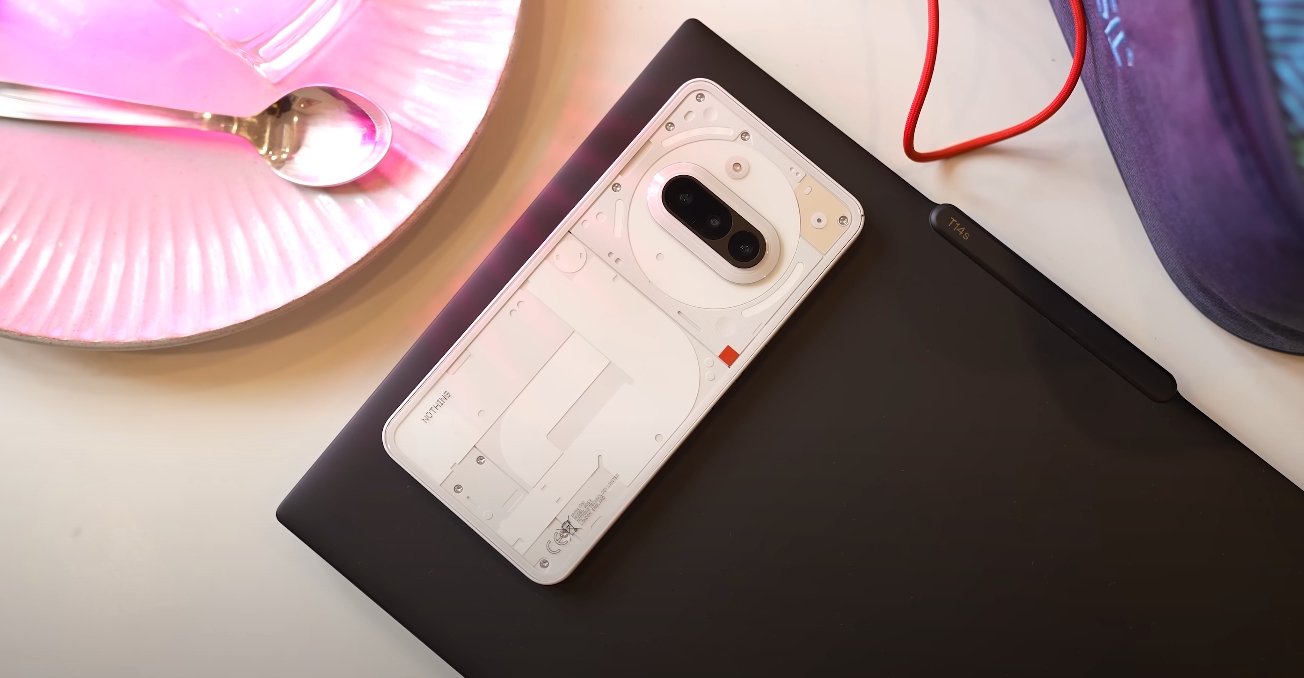
Design is one of the most visible differences between the two devices. The Nothing Phone 3A Lite embraces the brand’s signature minimalist approach with a transparent back panel, revealing some internal components. Its clean lines and understated aesthetic make it appealing to users who appreciate simplicity and futuristic design. In contrast, the Galaxy S23 FE features a more conventional design with a solid back panel and a metal frame. Samsung emphasizes robustness and premium feel, making it attractive to users who prefer a classic yet sophisticated look. Both designs have their own appeal, but the 3A Lite focuses more on distinctive style, whereas the S23 FE prioritizes durability and refinement.

Display quality further differentiates the two phones. The Nothing Phone 3A Lite is equipped with a 6.77-inch AMOLED display featuring a 120Hz refresh rate. It delivers vibrant colors, deep blacks, and smooth scrolling, providing a satisfactory visual experience for media consumption and everyday use. The Galaxy S23 FE, however, boasts a 6.4-inch Dynamic AMOLED 2X display, also with a 120Hz refresh rate, but with higher peak brightness and superior color accuracy. Samsung’s display ensures visibility even in direct sunlight and supports HDR content with more precise contrast, which may appeal to users who frequently watch videos or play games outdoors.
Nothing Phone 3A Lite vs Galaxy S23 FE feature gap

Performance is another area where the feature gap is apparent. The Nothing Phone 3A Lite is powered by the Snapdragon 7s Gen 3 processor paired with 8GB of RAM. This combination is sufficient for multitasking, social media, web browsing, and light gaming. However, the Galaxy S23 FE uses the Snapdragon 8 Gen 1 processor with 8GB of RAM, offering noticeably higher processing power. Users of the S23 FE can expect smoother performance in demanding apps, faster gaming experiences, and better handling of future software updates. While the 3A Lite is competent, the S23 FE clearly targets users who prioritize speed and long-term performance.

Camera capabilities reveal another significant difference. The Nothing Phone 3A Lite features a triple-camera system with a 50MP primary sensor, a 50MP secondary sensor, and an 8MP tertiary sensor. Its front camera is expected to be 32MP, suitable for selfies and video calls. The Galaxy S23 FE, in comparison, has a triple-camera array with a 50MP main sensor, a 12MP ultra-wide sensor, and an 8MP telephoto lens. The front camera is 10MP. Samsung’s camera system offers greater versatility, including optical zoom and ultra-wide shots, producing higher quality images in various lighting conditions. Users who prioritize photography may find the S23 FE more compelling due to its advanced optics and image processing.

Battery and charging also highlight differences. The Nothing Phone 3A Lite is equipped with a 5000mAh battery that supports fast charging. While details of wireless charging are unclear, it offers solid endurance for daily use. The Galaxy S23 FE, on the other hand, has a slightly smaller 4500mAh battery but supports faster 25W charging and wireless charging. Samsung’s additional features add convenience for users who prefer wireless charging or need quick top-ups during the day. Both devices are capable of lasting a full day under typical usage, but the S23 FE offers slightly more premium charging options.

Software and ecosystem support further distinguish the two. The Nothing Phone 3A Lite runs on Nothing OS, based on Android 15, with a clean and bloat-free interface. It emphasizes simplicity and ease of use while providing regular updates. The Galaxy S23 FE operates on Android 13 with Samsung’s One UI 6.0. Samsung offers extended software support, including multiple years of updates, security patches, and access to a broad ecosystem of apps and services. For long-term software reliability and integration with accessories, the S23 FE holds an advantage.

Price is the final key factor in the feature gap. The Nothing Phone 3A Lite is aimed at budget-conscious users, offering distinctive design and decent performance at a lower price point. The Galaxy S23 FE carries a higher price due to its premium display, higher-end processor, advanced camera system, and additional software and hardware features. Buyers must weigh the value of design, performance, and ecosystem when choosing between the two devices.

In conclusion, the Nothing Phone 3A Lite and Samsung Galaxy S23 FE cater to different user needs and priorities. The 3A Lite excels in minimalist design, clean software, and affordability, making it ideal for users who value style and simplicity. The Galaxy S23 FE offers higher-end performance, versatile camera capabilities, and premium features, appealing to users who prioritize power, display quality, and long-term support. Understanding the feature gap helps buyers decide which device aligns best with their preferences and usage patterns.

Also Read:  Moto G06 Power resale value in USA forecast

Nothing Phone 3A Lite vs Realme GT Neo 6 speed test

Nothing Phone 3A Lite vs Realme GT Neo 6 speed test

How fast does the 3A Lite really compare to a flagship-grade competitor?

In early benchmark comparisons and real-world tests, the Nothing Phone 3A Lite faces stiff competition from the Realme GT Neo 6, a high-performance phone in the upper midrange class. While the 3A Lite represents a scaled-down, design-forward alternative, the GT Neo 6 brings a more aggressive hardware setup. The speed test results illustrate the trade-offs between balanced design and raw processing power.

The Realme GT Neo 6 is built around the Snapdragon 8s Gen 3 chipset, a top-tier 4nm design that emphasizes fast clock speeds, advanced GPU performance, and efficient thermals under load. It also typically pairs with higher RAM configurations and faster memory subsystems, making it a beast for any performance test. Under sustained benchmarking, the GT Neo 6 posts very high scores, demonstrating its ability to maintain high frame rates and compute loads.

By contrast, leaked benchmarks for the Nothing Phone 3A Lite suggest a more modest but respectable showing. In one performance leak, the 3A Lite scores above 760,000 points in AnTuTu, which is competitive for its class. While that places it behind the GT Neo 6 in raw performance, it still indicates that the 3A Lite can handle everyday tasks, multitasking, and even moderate gaming without obvious lag.

Nothing Phone 3A Lite vs Realme GT Neo 6 speed test

In side-by-side speed tests, the GT Neo 6 typically launches heavy games more quickly, handles higher graphics settings smoothly, and completes resource-intensive tasks like video editing or large file compression faster. The 3A Lite, while slower in these areas, often closes gaps when tasks are simpler—launching social media apps, browsing, or switching between lightweight apps is nearly as fast, thanks to Nothing’s clean and optimized software.

Another factor in real usage is thermal throttling. Under prolonged load, the GT Neo 6 can better sustain peak performance before gradually downclocking to manage heat. The 3A Lite, with more modest hardware, begins managing heat earlier, so its performance curve may dip sooner during long heavy tasks. That said, for most users, this difference appears only in benchmarks or extended gaming sessions—not in everyday use.

RAM management also plays a role. The GT Neo 6 often enjoys 12 GB or 16 GB of high-speed RAM, which helps in keeping many background apps alive. The 3A Lite is expected to use 8 GB in its base version, which is enough for general multitasking but may cause more background app reloads under strain. In speed tests related to app switching or resuming, the GT device shows fewer reloads.

In battery vs performance tradeoffs, the 3A Lite often wins in efficiency—completing some tasks with less power draw and generating lower heat, which benefits battery life in lighter workloads. In long mixed tests, the 3A Lite might last longer under moderate use, while the GT Neo 6 pulls ahead when pushed hard.

Overall, the speed tests show a clear hierarchy: the Realme GT Neo 6 holds the advantage in raw speed, throughput, and sustained performance, especially in demanding apps. But the Nothing Phone 3A Lite holds its own in everyday usability, offering fast response, clean animations, and decent headroom for regular users. For those who value style, smooth UI, and efficient experience over benchmark dominance, the 3A Lite offers a compelling alternative—even if it can’t quite match the GT Neo 6’s full power.

Nothing Phone 3A Lite vs Realme 13 Pro Plus comparison

Nothing Phone 3A Lite vs Realme 13 Pro Plus comparison

Mid-Range Smartphone Face-Off: Nothing Phone 3A Lite and Realme 13 Pro Plus

The mid-range smartphone market in 2025 is highly competitive, with brands focusing on performance, design, and features that appeal to a wide audience. Among these, the Nothing Phone 3A Lite and the Realme 13 Pro Plus stand out as noteworthy options. Both devices aim to deliver a balanced experience without the premium price tag, but they differ in key areas such as design, display, performance, and camera capabilities. Understanding these differences can help potential buyers make an informed choice based on their priorities.

The design of a smartphone is often the first thing users notice, and here the two devices take different approaches. The Nothing Phone 3A Lite continues the brand’s signature transparent design, featuring a partially exposed rear panel that reveals the internal components. This unique aesthetic gives the phone a futuristic and minimalist appeal, which has become a hallmark of the Nothing series. The Realme 13 Pro Plus, on the other hand, opts for a more conventional design with a polished, premium finish. Its sleek and refined look provides a sense of durability and elegance, appealing to users who prefer a more traditional aesthetic. Both designs are visually attractive, but they cater to different tastes in style.

Display quality is a critical factor in the user experience, especially for media consumption and gaming. The Nothing Phone 3A Lite features a 6.77-inch AMOLED LTPS panel with Full HD+ resolution. It offers vibrant colors, deep blacks, and a smooth 120Hz refresh rate, resulting in a fluid visual experience. Users can expect sharp text, detailed images, and immersive visuals whether watching videos or scrolling through apps. Meanwhile, the Realme 13 Pro Plus is equipped with a 6.7-inch OLED curved display, delivering rich colors and high contrast. The curved edges enhance the viewing experience, providing a more immersive feel when watching videos or playing games. Both devices offer impressive displays for mid-range phones, but the slight curvature of the Realme 13 Pro Plus adds a subtle edge in immersion.

Nothing Phone 3A Lite vs Realme 13 Pro Plus comparison

Performance is another key differentiator. The Nothing Phone 3A Lite runs on the Qualcomm Snapdragon 7s Gen 3 processor paired with 8GB of RAM. This combination ensures smooth multitasking, responsive app usage, and reliable everyday performance. The Realme 13 Pro Plus is powered by the Snapdragon 7s Gen 2 chipset, also with 8GB of RAM. While both phones handle typical tasks effectively, the newer Snapdragon 7s Gen 3 in the 3A Lite may provide a marginal advantage in processing efficiency and future-proofing for software updates and demanding apps. Users can expect stable performance from both devices, but the Nothing Phone 3A Lite slightly edges out in efficiency.

Camera performance is often a decisive factor for many buyers. The Realme 13 Pro Plus features a versatile triple-camera setup, including a 50MP wide-angle lens, a 50MP periscope telephoto lens with 3x optical zoom, and an 8MP ultra-wide lens. This configuration allows for detailed shots across different scenarios, from landscapes to zoomed-in subjects. In contrast, the Nothing Phone 3A Lite has a dual-camera setup with a 50MP primary lens and a 50MP telephoto lens. While it delivers solid photography, particularly with zoom, the absence of an ultra-wide lens may limit flexibility in certain shooting conditions. Photography enthusiasts who prioritize multiple focal lengths might prefer the Realme 13 Pro Plus for its versatility.

Battery and charging capabilities are also important considerations. The Nothing Phone 3A Lite comes with a 5000mAh battery and supports 50W fast charging, providing reliable endurance and reasonably quick recharge times. The Realme 13 Pro Plus has a slightly larger 5200mAh battery and supports 80W SUPERVOOC fast charging, allowing for even faster charging sessions. Both phones offer dependable battery life, but users who frequently need rapid recharging may find the Realme 13 Pro Plus more convenient.

Software support is another area where the two devices differ. The Nothing Phone 3A Lite runs on Android 15 with a promise of three years of OS updates and six years of security patches. This extended support ensures users receive the latest features and maintain security over an extended period. The Realme 13 Pro Plus operates on Android 14, offering two years of OS updates and three years of security patches. Users who prioritize long-term software updates may prefer the Nothing Phone 3A Lite, which offers more prolonged support.

Price and value are crucial factors in decision-making. The Nothing Phone 3A Lite is positioned as an affordable device, offering premium design, decent performance, and long-term software support at a competitive price. The Realme 13 Pro Plus is slightly more expensive but provides advanced camera capabilities, faster charging, and a polished design. Ultimately, the choice depends on what users value most—unique design and long-term software updates or camera versatility and faster charging.

In conclusion, both the Nothing Phone 3A Lite and the Realme 13 Pro Plus offer compelling features tailored to mid-range users. The 3A Lite stands out with its distinctive transparent design, smooth performance, and extended software support. The Realme 13 Pro Plus shines with its versatile camera system, high-quality curved display, and faster charging capabilities. Buyers should weigh their priorities carefully to select the smartphone that best aligns with their personal preferences and daily usage needs.

Also Read:  Samsung Galaxy M17 5G price expected for USA launch

Nothing Phone 3A Lite vs Nothing Phone 3 early comparison

Nothing Phone 3A Lite vs Nothing Phone 3 early comparison

Comparing Performance: Nothing Phone 3A Lite vs Nothing Phone 3

The Nothing Phone 3A Lite and Nothing Phone 3 are two smartphones from the same brand, but they cater to different segments of the market. While both devices share some similarities in design and software, they differ significantly in terms of performance, camera capabilities, and overall user experience.

The Nothing Phone 3A Lite is expected to be an affordable variant of the Nothing Phone 3 series. Leaks suggest that it will feature a 6.7-inch AMOLED display with a 120Hz refresh rate, providing smooth visuals for everyday tasks. The device is anticipated to be powered by the Snapdragon 7s Gen 3 chipset, coupled with 8GB of RAM and 128GB of internal storage. This configuration should be sufficient for handling basic applications and multitasking without significant lag.

In contrast, the Nothing Phone 3 is positioned as a premium offering with enhanced performance capabilities. It is rumored to be equipped with the Snapdragon 8s Gen 4 processor, offering superior processing power for demanding applications and gaming. The device is expected to come with up to 12GB of RAM and storage options ranging from 256GB to 512GB, allowing users to store a large amount of data and run multiple applications simultaneously without performance degradation.

Nothing Phone 3A Lite vs Nothing Phone 3 early comparison

Both devices are likely to feature a 5000mAh battery, ensuring extended usage throughout the day. The Nothing Phone 3A Lite may support 50W wired fast charging, enabling quick recharges. The Nothing Phone 3, on the other hand, is expected to offer both 50W wired and 20W wireless charging options, providing more flexibility for users.

Camera capabilities are another area where the two devices differ. The Nothing Phone 3A Lite is expected to have a dual-camera setup, including a 50MP main sensor and an 8MP ultra-wide lens. While this configuration should suffice for casual photography, it may lack the advanced features found in higher-end models. The Nothing Phone 3 is anticipated to feature a triple-camera system, including a 50MP main sensor, a 50MP telephoto lens, and a 50MP ultra-wide lens. This setup should offer more versatility and higher-quality images, catering to users who prioritize photography.

Both devices are expected to run on Nothing OS, providing a clean and minimalistic user interface. They are also likely to receive regular software updates, ensuring that users have access to the latest features and security patches.

In terms of design, both the Nothing Phone 3A Lite and Nothing Phone 3 are expected to maintain the brand’s signature aesthetic, featuring transparent backs and LED light strips. However, the Nothing Phone 3 may offer more premium materials and finishes, giving it a more luxurious feel compared to the more budget-friendly 3A Lite.

Pricing is a crucial factor for many consumers. The Nothing Phone 3A Lite is expected to be priced competitively, making it an attractive option for users seeking a stylish smartphone without breaking the bank. The Nothing Phone 3, being a premium device, is likely to come with a higher price tag, reflecting its advanced features and capabilities.

In conclusion, the Nothing Phone 3A Lite and Nothing Phone 3 cater to different user needs. The 3A Lite offers a budget-friendly option with essential features, making it suitable for users who prioritize affordability. The Nothing Phone 3, with its enhanced performance and advanced camera system, is ideal for users seeking a premium smartphone experience. Ultimately, the choice between the two will depend on individual preferences and budget considerations.

Also Read:  Vivo X300 FE official specs revealed for USA release

Nothing Phone 3A Lite vs Galaxy A35 5G detailed comparison

Nothing Phone 3A Lite vs Galaxy A35 5G detailed comparison

Comprehensive Comparison: Nothing Phone 3A Lite and Samsung Galaxy A35 5G

The Nothing Phone 3A Lite and Samsung Galaxy A35 5G are two mid-range smartphones designed to deliver solid performance without breaking the bank. Both devices cater to users looking for reliable daily use, smooth operation, and modern features. While the Nothing Phone 3A Lite emphasizes a unique design and minimalist software, the Galaxy A35 5G focuses on a balanced performance with a feature-rich interface. This comparison explores their design, display, performance, cameras, battery, and additional features to help users choose the best option.

In terms of design, the Nothing Phone 3A Lite stands out with its transparent back panel that showcases internal components, paired with LED lighting accents. The device feels modern and futuristic, appealing to users who want something different from conventional smartphones. The Galaxy A35 5G, on the other hand, has a more traditional but elegant design with a glossy finish. Its build feels sturdy and practical, suitable for users who prefer a classic look. Both devices are comfortable to hold, though the aesthetic choices will likely influence buyer preference.

The display on the Nothing Phone 3A Lite measures around 6.8 inches with AMOLED technology and a 120Hz refresh rate, ensuring smooth animations and vibrant colors. The Galaxy A35 5G features a 6.6-inch Super AMOLED screen with the same refresh rate, delivering sharp visuals and responsive touch input. Both screens perform well for media consumption, gaming, and daily tasks, but the slightly larger display of the Nothing Phone 3A Lite provides a more immersive experience for videos and games.

Nothing Phone 3A Lite vs Galaxy A35 5G detailed comparison

Performance is a key factor for any smartphone, and both devices offer capable hardware. The Nothing Phone 3A Lite is powered by the Snapdragon 7s Gen 3 chipset, paired with sufficient RAM to handle multitasking and moderate gaming smoothly. It runs on Nothing OS 3.1 based on Android 15, providing a clean and lightweight interface. The Galaxy A35 5G is equipped with the Exynos 1380 processor and runs Android 16 with One UI 8.0. Samsung’s interface offers more built-in features and customization options, but it may feel slightly heavier compared to the minimalistic One OS. Both phones handle everyday apps, social media, and media playback without noticeable lag, though the software experience is where personal preference comes into play.

Camera performance on both devices is competitive in the mid-range segment. The Nothing Phone 3A Lite features a triple-camera setup with a 50MP main sensor, supporting detailed photography and AI-assisted enhancements. The Galaxy A35 5G also includes a 50MP main sensor with additional lenses for wide-angle and macro shots. Samsung’s cameras are known for consistent performance and reliable software processing, while the Nothing Phone 3A Lite emphasizes creative photography with its software enhancements. Users who prioritize camera flexibility and post-processing features may prefer the Galaxy A35 5G, while those drawn to unique effects might lean towards the 3A Lite.

Battery life is similar on both devices, with 5000mAh units designed to last a full day under typical usage. Both phones support fast charging, ensuring quick top-ups when needed. Battery efficiency is enhanced by software optimizations, with One OS on the 3A Lite managing background processes effectively and Samsung’s One UI providing adaptive power-saving modes. Heavy users can expect a full day of use on both devices without major concerns.

Additional features set the two phones apart. The Nothing Phone 3A Lite offers 5G connectivity, expandable storage options, and a minimalist interface that reduces bloatware. The Galaxy A35 5G also supports 5G and expandable storage, along with IP67 water and dust resistance for added durability. Samsung’s device may appeal to users who value extra protection and a robust ecosystem, while the Nothing Phone 3A Lite attracts those seeking a distinctive design and streamlined software experience.

Overall, both the Nothing Phone 3A Lite and Samsung Galaxy A35 5G offer strong performance and appealing features in the mid-range segment. The choice depends on what users prioritize: unique design and lightweight software with the 3A Lite, or a conventional yet feature-rich experience with the Galaxy A35 5G. Both phones provide smooth performance, good battery life, capable cameras, and modern connectivity options, making them solid choices for mid-range buyers.

Also Read:  Pixel 10 Pro Fold price leak surprises USA fans

Nothing Phone 3A Lite vs OnePlus Nord CE 4 comparison

Nothing Phone 3A Lite vs OnePlus Nord CE 4 comparison

Performance and Features: Nothing Phone 3A Lite vs OnePlus Nord CE 4

The Nothing Phone 3A Lite and OnePlus Nord CE 4 are two mid-range smartphones that aim to deliver strong performance at an affordable price. Both devices have captured attention for their features, but they differ in processor capability, display, battery life, and overall user experience. Understanding these differences can help buyers choose the device that best fits their needs.

The Nothing Phone 3A Lite is powered by the Snapdragon 7s Gen 3 processor. This chipset offers smooth performance for daily tasks, including browsing, streaming, and social media apps. The phone comes with 8GB of RAM and 128GB of storage, which allows users to multitask efficiently and store plenty of applications and media. Its 6.7-inch AMOLED display with a 120Hz refresh rate ensures fluid visuals and an engaging user experience.

On the other hand, the OnePlus Nord CE 4 is equipped with the Snapdragon 7 Gen 3 processor. It comes with 8GB of RAM and storage options of 128GB or 256GB, providing slightly more flexibility in space for heavy users. The 6.7-inch AMOLED display also supports a 120Hz refresh rate, offering smooth scrolling and bright, vibrant colors. Both devices prioritize visual quality and responsiveness, making them suitable for media consumption and gaming.

Nothing Phone 3A Lite vs OnePlus Nord CE 4 comparison

Battery performance is a critical factor for mid-range smartphones. Both phones feature a 5000mAh battery that is capable of lasting a full day under normal usage. The Nothing Phone 3A Lite supports fast charging, allowing users to quickly recharge and get back to using the device. Similarly, the OnePlus Nord CE 4 also supports fast charging, ensuring minimal downtime and convenience for users with busy schedules.

In terms of performance under heavy use, the Snapdragon 7 Gen 3 processor of the OnePlus Nord CE 4 offers a slight advantage. It handles demanding applications and multitasking more efficiently, making it suitable for gamers and power users. Meanwhile, the Nothing Phone 3A Lite provides stable and reliable performance for most daily tasks, with a focus on delivering a smooth experience and maintaining battery efficiency.

Design and user experience are other important considerations. The Nothing Phone 3A Lite features a unique transparent back design, which adds a distinct aesthetic appeal. Its interface is simple and intuitive, making navigation easy for all users. The OnePlus Nord CE 4 follows a more conventional design but emphasizes ergonomics and a comfortable grip. Both phones have well-optimized software that supports regular updates and offers features for an enhanced user experience.

Overall, the Nothing Phone 3A Lite and OnePlus Nord CE 4 provide strong performance for mid-range smartphones. The 3A Lite is attractive for users who prioritize design, battery efficiency, and smooth daily performance. The Nord CE 4 is ideal for those who want slightly stronger processing power and more storage options. Both devices deliver reliable displays, responsive software, and sufficient battery life, ensuring a satisfying experience for users.

In conclusion, choosing between the Nothing Phone 3A Lite and OnePlus Nord CE 4 comes down to personal priorities. Users who value aesthetic design, efficient multitasking, and a solid AMOLED display may prefer the 3A Lite. Those who seek extra processing power, larger storage options, and slightly enhanced performance may lean toward the Nord CE 4. Both devices highlight how mid-range smartphones can provide balanced performance, excellent visuals, and reliable battery life without compromising on essential features.

Also Read:  Samsung Galaxy M17 5G battery performance tested in USA

Nothing Phone 3A Lite vs Vivo X300 FE specs breakdown

Nothing Phone 3A Lite vs Vivo X300 FE specs breakdown

Early Comparison of Two Competitive Smartphones

The upcoming Nothing Phone 3A Lite and Vivo X300 FE are shaping up to be strong contenders in the mid-premium smartphone segment. Both devices are expected to offer modern performance, bright displays, and impressive camera setups, but their approaches are quite different. While Nothing focuses on clean design and software, Vivo is aiming at raw performance and premium display technology.

Nothing has built a reputation for delivering clean Android experiences with a bold, minimalist design. The Phone 3A Lite is expected to continue this approach with an AMOLED panel, a balanced camera system, and a focus on long-term software updates. On the other hand, Vivo’s X300 FE seems designed to impress with display innovations, fast charging, and rugged durability for users who want a top-tier experience without the flagship price tag.

The Nothing Phone 3A Lite is likely to feature a 6.77-inch AMOLED display with a 120Hz refresh rate and high brightness levels. It is built to provide a smooth user experience, ideal for everyday use, streaming, and gaming. Vivo X300 FE, however, takes a slightly different route with a 6.31-inch LTPO AMOLED display, offering a dynamic refresh rate from 1Hz to 120Hz. This technology allows it to adjust refresh rates intelligently, which improves battery efficiency and smoothness at the same time.

Nothing Phone 3A Lite vs Vivo X300 FE specs breakdown

Performance is a major differentiator. Nothing is expected to equip its device with the Snapdragon 7s Gen 3 chip, delivering reliable performance for multitasking, gaming, and content creation. This is paired with up to 12GB of RAM and up to 256GB of storage, making it a strong mid-range option. Vivo may be taking things a step further with its Dimensity 9400 series chip. This processor is built for speed and efficiency and is expected to give the X300 FE an edge in demanding tasks.

Cameras are another major focus for both. The Nothing Phone 3A Lite is rumored to include a triple-camera system with a 50MP main sensor, a 50MP telephoto lens, and an ultra-wide sensor, along with a 32MP selfie camera. This setup indicates Nothing’s effort to bring advanced imaging to a lower price bracket. Vivo’s approach is expected to be premium too, with Zeiss optics backing its main camera system. While exact numbers vary in early reports, its image processing and optical quality may offer superior results in low-light conditions and zoom performance.

Battery and charging speeds make a practical difference in daily usage. Nothing is expected to include a 5000mAh battery with 50W wired fast charging. That’s efficient but not groundbreaking. Vivo seems to be aiming higher with reports of 90W charging speeds. If this holds true, the X300 FE could charge much faster, which is a clear convenience advantage. Both devices will likely include in-display fingerprint sensors, stereo speakers, and IP-rated durability.

Software also separates the two brands. Nothing will continue with its clean Android-based Nothing OS 3, expected to launch with Android 15 and receive several years of updates. Vivo’s X300 FE may arrive with OriginOS or Funtouch OS based on Android 16, which offers more customization but may not be as minimalistic. Nothing’s long-term update promise could appeal to users who value longevity, while Vivo’s features may appeal more to those wanting power and flexibility.

Ultimately, the choice between these two may come down to priorities. If you want a clean software experience, distinctive design, and balanced performance, the Nothing Phone 3A Lite will likely be a strong pick. If your focus is on high refresh rate displays, ultra-fast charging, and powerful processing, Vivo X300 FE could be the better choice. Both devices are shaping up to offer excellent value in their segment, and their competition will give consumers more powerful options at midrange

prices.

Also Read:  Samsung Galaxy M17 5G early sale date in USA announced

Nothing Phone 4a full review shows value for USA buyers

Nothing Phone 4a full review shows value for USA buyers

A Balanced Smartphone at the Right Price

The Nothing Phone 4a has arrived as a mid-range device that delivers more than its price tag suggests. Designed to appeal to U.S. buyers looking for both performance and affordability, it offers a combination of premium features and practical build quality. Its balance of display, performance, battery, and camera makes it stand out in a crowded mid-tier market.

One of its strongest assets is the 6.72-inch AMOLED display with a 144 Hz refresh rate. This ensures smooth scrolling, vibrant colors, and excellent brightness levels, reaching up to 1300 nits outdoors. Protected by Gorilla Glass 6, the screen holds up well against scratches and bumps, which adds to its durability. For U.S. buyers who spend a lot of time streaming, gaming, or browsing, this display feels more flagship-grade than budget.

Performance is powered by the MediaTek Dimensity 7400 Pro chipset, paired with 8 GB or 12 GB of RAM and up to 256 GB of storage. In daily use, the phone handles multitasking with ease and provides stable gaming performance at medium to high settings. Nothing’s clean Android-based OS further enhances the experience by avoiding unnecessary bloatware, giving users a straightforward and efficient interface.

Nothing Phone 4a full review shows value

Cameras are another selling point. The main 50 MP sensor with OIS captures sharp and detailed shots in daylight, while the ultrawide lens adds versatility. On the front, a 50 MP camera handles selfies and video calls with impressive clarity. Low-light photography is decent for the segment, though not on par with flagship competitors. Still, the addition of optical stabilization ensures more stable shots, even in challenging lighting conditions.

Battery life is reliable thanks to its 5000 mAh cell. Heavy users can expect a full day of use, while moderate users may get even longer. Fast charging around 65 W ensures quick top-ups, with half a charge achieved in just over 20 minutes. Wireless charging is absent, which might be a downside for some U.S. buyers, but the speed of wired charging helps offset that limitation.

Connectivity features include 5G, Wi-Fi 6, NFC, and an under-display fingerprint sensor, ensuring the device meets modern standards. The design keeps with Nothing’s trademark style—transparent back panels with LED accents—while maintaining durability with Gorilla Glass protection. At around $349 for the base model, it offers excellent value for buyers who want premium touches without spending flagship money.

In conclusion, the Nothing Phone 4a shows real value for U.S. buyers by blending performance, design, and affordability. While it won’t replace high-end flagships in areas like night photography or ultra-zoom, it strikes an appealing balance that makes it one of the stronger mid-range contenders in the U.S. market today.

NVIDIA DLSS Support Added to Pragmata, Windrose, and More in the UK

A descriptive image of a gaming PC with NVIDIA graphics card, showcasing the power of DLSS technology in the UK, with a colourful and detailed graphic representation of a game scene

NVIDIA DLSS Technology Expands to New Games in the UK

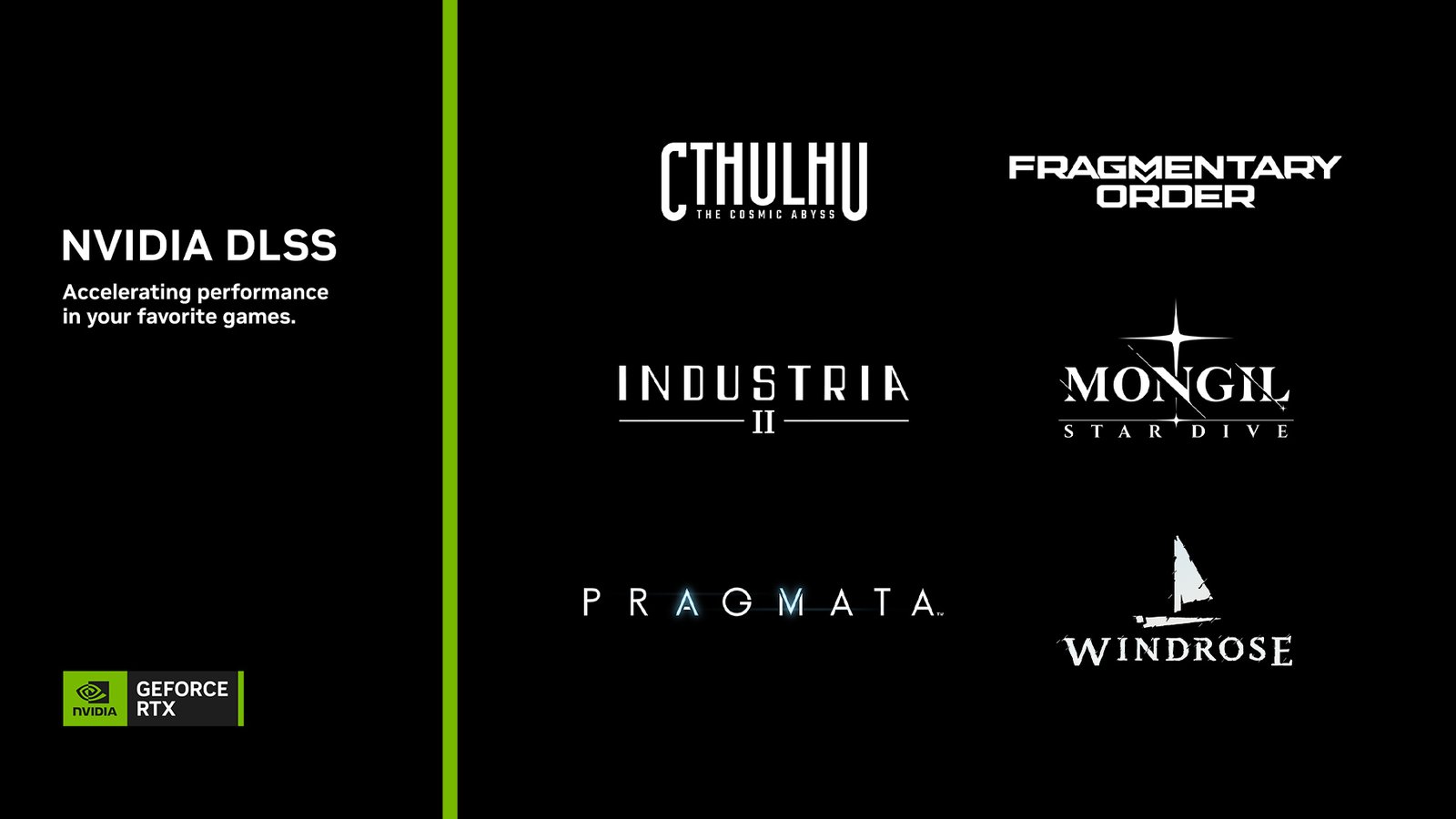
The UK gaming scene is set to experience a significant boost with the announcement of NVIDIA’s DLSS upscaling technology being added to several new games, including Pragmata, Windrose, and Cthulhu: The Cosmic Abyss. This latest development is expected to enhance the overall gaming experience for players in the UK.

One of the most anticipated games to feature NVIDIA’s DLSS Multi-Frame Gen support is Pragmata, which is scheduled to launch in the UK soon. This highly-anticipated title from Capcom will also support DLSS Ray Reconstruction and NVIDIA Reflex, all of which will be optimized for NVIDIA’s latest graphics cards.

In addition to Pragmata, several other games have been confirmed to include support for NVIDIA’s DLSS technology, including Windrose and Cthulhu: The Cosmic Abyss. These games will launch with the upscaler at launch, providing players in the UK with a more immersive and engaging experience.

The inclusion of NVIDIA’s DLSS technology in these new games is a significant development for the UK gaming industry, as it will enable players to enjoy faster frame rates and higher-quality graphics. With the ability to analyse the behaviour of the games and adjust the settings accordingly, players can expect a more seamless and enjoyable experience.

As the UK gaming market continues to grow, the demand for high-quality graphics and fast frame rates is increasing. The addition of NVIDIA’s DLSS technology to these new games will help to meet this demand, providing players with a more realistic and engaging experience.

The use of DLSS Multi-Frame Gen support in these games will also enable developers to create more complex and detailed environments, which will further enhance the overall gaming experience. With the ability to render high-quality graphics at faster frame rates, players can expect a more immersive and interactive experience.

In conclusion, the addition of NVIDIA’s DLSS technology to Pragmata, Windrose, and Cthulhu: The Cosmic Abyss is a significant development for the UK gaming industry. With its ability to provide faster frame rates and higher-quality graphics, this technology is set to revolutionize the way we play games in the UK.

NVIDIA Eyes UK PC Market with Bold Acquisition Rumours

NVIDIA's potential acquisition of a UK PC manufacturer could revolutionise the gaming and computing landscape with its innovative technology and expertise, bringing new products and experiences to the UK market

NVIDIA’s Potential Acquisition: A New Era for UK Gaming and Computing?

NVIDIA has been relatively quiet in the UK PC market, but a new rumour suggests the company may be looking to acquire a PC manufacturer. This move could spearhead NVIDIA’s entry into the UK laptop segment.

The UK PC industry has faced challenges in recent times, with AI and shortages affecting consumer interest. A report by SemiAccurate reveals that NVIDIA is considering a bold move in the UK PC market.

Although details are slim, this potential acquisition could be a game-changer for the UK gaming and computing landscape. NVIDIA’s innovative technology and a PC manufacturer’s expertise could lead to exciting new products.

The rumour has sparked interest among UK gamers and tech enthusiasts, who are eager to see how this potential acquisition will unfold. With NVIDIA’s commitment to innovation, this move could reinvent the UK gaming and computing experience.

NVIDIA’s potential acquisition is a significant development in the UK tech industry. As the company continues to analyse the market and weigh its options, one thing is certain – the UK gaming and computing landscape is on the cusp of a revolution.

The UK PC market has been waiting for a bold move like this, and NVIDIA’s potential acquisition could be the catalyst for growth and innovation. As the company navigates this new territory, it will be exciting to see how its technology and expertise shape the future of UK gaming and computing.

With the UK gaming and computing market poised for a significant shift, NVIDIA’s potential acquisition is a story to watch. As more details emerge, it will be fascinating to see how this development impacts the UK tech industry and beyond.

In conclusion, NVIDIA’s potential acquisition of a PC manufacturer is a significant development in the UK tech industry. With its innovative technology and commitment to excellence, NVIDIA is poised to reinvent the UK gaming and computing experience.

The future of UK gaming and computing looks bright, with NVIDIA at the helm. As the company continues to push the boundaries of innovation, it will be exciting to see what the future holds for the UK tech industry.

One thing is certain – NVIDIA’s potential acquisition is a bold move that will have a lasting impact on the UK gaming and computing landscape. With its expertise and innovative technology, NVIDIA is set to revolutionise the UK tech industry.

As the UK gaming and computing market continues to evolve, NVIDIA’s potential acquisition will be a key factor in shaping its future. With its commitment to innovation and excellence, NVIDIA is poised to make a significant impact on the UK tech industry.