
Nothing Phone 3 Is Becoming a Hot Topic in USA Forums


Nothing Phone 3A Lite camera sensor details revealed

Inside the Camera System of the Nothing Phone 3A Lite
The Nothing Phone 3A Lite has captured attention in the mid-range smartphone market, not only for its minimalist design but also for its promising camera system. Early reports and leaks suggest that the device is equipped with a versatile set of cameras aimed at delivering reliable everyday photography. Understanding the camera sensor details provides insight into the device’s imaging capabilities, real-world performance, and suitability for casual users.
The 3A Lite features a triple rear camera setup, which combines a 50MP primary sensor, an 8MP ultra-wide lens, and a 50MP telephoto sensor. The primary 50MP camera serves as the main workhorse, designed to deliver sharp and vibrant images in various lighting conditions. Users can expect detailed photographs with accurate colors and good dynamic range. This sensor forms the backbone of the camera system, allowing for crisp shots in daylight and reasonably detailed images in low-light scenarios.
The 8MP ultra-wide lens expands the device’s photographic versatility. It allows users to capture expansive landscapes, architectural shots, and group photos without the need to step back excessively. Reviewers have noted that while the ultra-wide lens may not offer the same level of detail as the primary sensor, it maintains decent color accuracy and reduces distortion at the edges. This makes it suitable for casual photography where wider perspectives are desired, complementing the main camera’s capabilities.

The 50MP telephoto lens adds further flexibility to the 3A Lite’s camera system. It enables users to photograph subjects from a distance without significant loss of detail. Early impressions suggest that the telephoto sensor provides clear zoomed-in images, ideal for capturing faraway objects, events, or portraits with enhanced background separation. While it may not match the optical quality of flagship devices, it is an effective addition for mid-range photography, enhancing the overall utility of the camera setup.
On the front, the 3A Lite is expected to feature a 32MP selfie camera. This sensor is designed to capture high-resolution images for selfies and video calls. Early reports suggest that the front camera produces natural skin tones and maintains good detail in well-lit conditions. Users can also expect smooth performance during video calls and social media interactions, making the device practical for daily communication and content sharing.
The camera system on the Nothing Phone 3A Lite is complemented by software optimizations that enhance performance. Features such as scene detection, AI-assisted adjustments, and HDR support contribute to improved image quality across different lighting conditions. Users benefit from an intuitive camera interface that prioritizes simplicity while delivering competent results without requiring extensive photography knowledge. These software enhancements allow the sensors to perform consistently, maximizing the potential of the hardware.
Real-world testing of the camera sensors indicates that the primary 50MP sensor captures vivid and accurate colors, ensuring that photographs appear true-to-life. The ultra-wide lens performs adequately for group and landscape shots, while the telephoto sensor provides practical zoom functionality for everyday use. Low-light performance remains modest but functional, allowing users to take acceptable photos in dimly lit environments. The combination of hardware and software ensures that the 3A Lite can handle a variety of common photography scenarios.
Video recording capabilities are expected to reflect the strengths of the sensors as well. Early impressions suggest that users can capture smooth video footage with natural colors and reasonable stabilization. While advanced features such as 8K recording or professional-grade stabilization are not included, the device is sufficient for casual content creation, social media videos, and personal recordings.
In conclusion, the Nothing Phone 3A Lite’s camera sensor details reveal a well-rounded system designed for everyday users. The combination of a 50MP primary sensor, 8MP ultra-wide lens, 50MP telephoto sensor, and a 32MP front camera ensures versatility across photography and video needs. Supported by intuitive software and practical features, the device delivers reliable performance for casual photography, video calls, and content sharing. While it may not rival flagship smartphones in low-light or professional settings, the 3A Lite offers a capable and functional camera experience that aligns with its mid-range positioning and appeal.
Also Read: Poco F7 pro vs samsung galaxy A56 compare
Nothing Phone 3A Lite app optimization and multitasking
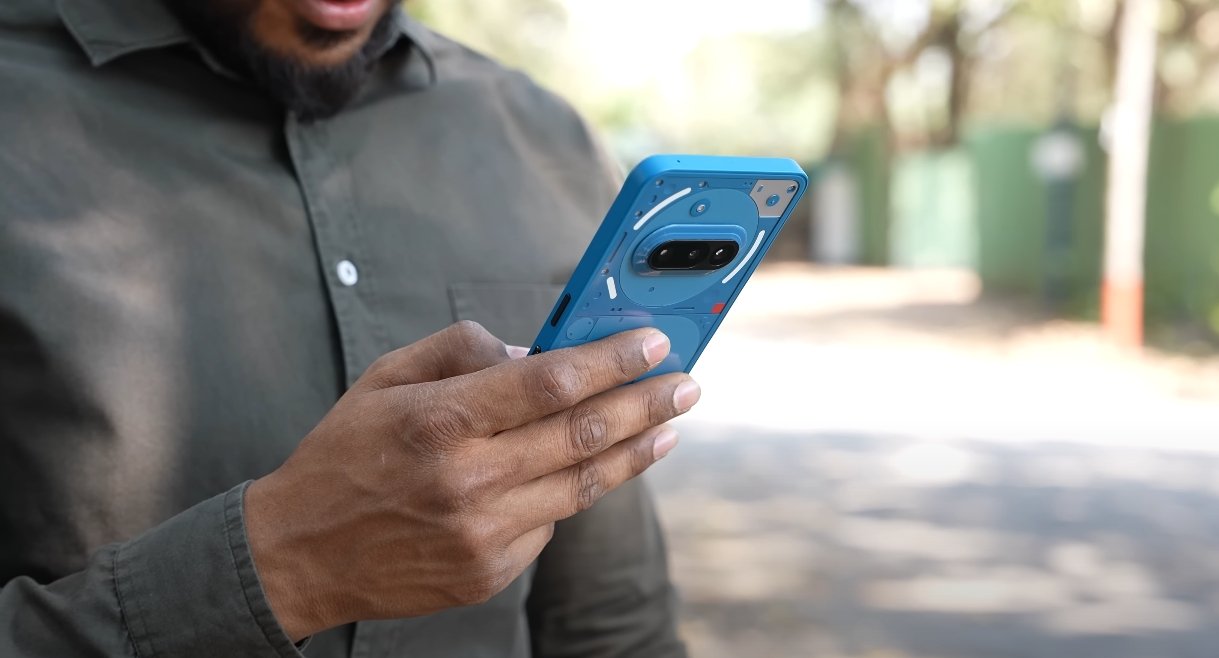
Smooth Multitasking: Evaluating App Performance on the Nothing Phone 3A Lite
The Nothing Phone 3A Lite has positioned itself as a mid-range smartphone that promises stylish design and capable performance. A critical aspect of any smartphone experience is how well it handles multitasking and app optimization, particularly for users who switch between multiple applications or rely on resource-heavy software. Early impressions and performance tests reveal how the 3A Lite manages app performance, memory usage, and overall responsiveness.
The device is equipped with a mid-range chipset paired with adequate RAM, which forms the foundation for smooth app performance. Daily tasks such as social media browsing, messaging, video streaming, and casual gaming are handled efficiently. Users report that the device maintains responsiveness when switching between apps, with minimal lag or delays. This indicates that the operating system and hardware work together to optimize app management and memory allocation, ensuring a seamless experience.
App optimization on the 3A Lite is enhanced by the use of Nothing OS, which is designed to prioritize smooth interactions and reduce bloat. The interface remains clean, and background apps are managed effectively to prevent unnecessary battery drain or performance drops. Reviewers highlight that even with multiple apps running simultaneously, the phone sustains good performance without stuttering or forced app closures, demonstrating effective optimization for mid-range hardware.

Multitasking capabilities are further supported by the device’s memory management. Nothing Phone 3A Lite handles split-screen operations, quick app switching, and background notifications efficiently. Users performing tasks like messaging while streaming video or browsing multiple social media feeds experience minimal slowdown. This efficiency is particularly important for productivity-focused users or those who frequently switch between apps during the day.
Gaming performance in multitasking scenarios also reflects the device’s capabilities. While the 3A Lite is not a flagship-level gaming phone, it manages light to moderate games alongside background applications without significant frame drops. Casual gamers can enjoy uninterrupted gameplay while receiving notifications or running companion apps, demonstrating that multitasking does not severely impact gaming performance on this device.
Battery management is another crucial element linked to multitasking and app optimization. The Nothing Phone 3A Lite balances performance with power efficiency, allowing users to run multiple applications without rapid battery drain. Optimizations in Nothing OS prevent unnecessary background processes from consuming excessive power, which complements the device’s 5000mAh battery. Users report consistent battery performance even during extended multitasking sessions, making the phone reliable for daily use.
The device also handles memory-intensive applications effectively. Photo editing, video streaming, and web browsing all benefit from sufficient RAM and efficient resource allocation. Users experience smooth transitions and quick load times, reinforcing the impression that the 3A Lite is optimized for a range of everyday tasks. Occasional minor delays may occur during intensive workloads, but these are within acceptable limits for a mid-range device.
Overall, the Nothing Phone 3A Lite demonstrates that mid-range smartphones can provide satisfying multitasking and app optimization when hardware and software are well-balanced. The combination of capable chipset, sufficient RAM, optimized operating system, and effective background management results in a device that performs reliably under multiple simultaneous tasks. Users can switch between social media, video streaming, and productivity apps without frustration, highlighting the 3A Lite’s practicality for everyday usage.
In conclusion, the Nothing Phone 3A Lite delivers solid performance in app optimization and multitasking. Its clean software interface, efficient memory management, and responsive hardware ensure smooth app interactions, stable multitasking, and consistent performance across a variety of tasks. For mid-range users seeking a device capable of handling multiple apps and daily productivity needs, the 3A Lite offers a reliable and well-optimized experience without compromising on style or usability.
Also Read: POCO M7 Camera Review Capturing Stunning Moments Like Never Before
Nothing Phone 3A Lite user feedback after one week

Early User Experiences with the Nothing Phone 3A Lite
The Nothing Phone 3A Lite has been in the hands of users for about a week, and their feedback provides an insightful look into the device’s real-world performance. Early adopters have highlighted strengths such as design, display quality, and battery life, while also noting areas where improvements could enhance the user experience. These initial impressions offer a practical perspective for potential buyers considering the 3A Lite in the mid-range smartphone segment.
Design and build quality have been widely appreciated. Users consistently praise the phone’s minimalist design and transparent back panel, which is both distinctive and visually appealing. The subtle LED accents add a futuristic touch that sets the device apart from competitors in the mid-range market. While the device feels premium and comfortable in hand, some users mention concerns about its fragility, emphasizing the importance of careful handling. Despite this, the overall design experience is considered a strong selling point.
Display performance is another area that has received positive attention. The 6.77-inch AMOLED screen delivers vibrant colors, deep blacks, and a smooth 120Hz refresh rate. Users report that scrolling through apps, navigating menus, and watching videos feels fluid and responsive. The high refresh rate combined with sharp text and clear images enhances everyday interactions, making reading, browsing, and media consumption enjoyable. Some minor issues, such as slight color shifts when switching between camera focal lengths, have been noted, but these do not significantly detract from the overall display experience.

Performance and software experience have generally met user expectations for a mid-range device. The 3A Lite handles daily tasks efficiently, including social media browsing, messaging, and light gaming. Users have highlighted the smoothness of animations and interface transitions, attributing this to the clean and minimalistic Nothing OS. While a few have noticed minor delays in touch responsiveness when switching between certain apps or camera modes, the overall performance is considered satisfactory and reliable for regular use.
Camera performance has been mixed but satisfactory for casual use. Daylight photos are reported to be sharp with accurate colors, while low-light shots remain decent but not exceptional. Portraits and selfies benefit from natural skin tones and effective subject-background separation. However, some users observed color shifts between 1x and 2x zoom and found the ultrawide lens to be less impressive. Overall, the camera system meets basic photography needs, making it suitable for everyday snapshots rather than professional-level photography.
Battery life continues to be a strong point for the 3A Lite. Equipped with a 5000mAh battery, users report screen-on times ranging from six to nine hours depending on usage patterns. Many users find that the device comfortably lasts a full day, and in some cases, a day and a half. Fast charging is supported, although some users noted that full charges may take slightly longer than expected. The combination of endurance and reliable charging makes the device practical for daily routines and extended use.
Additional features, such as productivity tools and reminder functions, have also been appreciated by early users. They highlight the simplicity and usefulness of features integrated into Nothing OS, which enhance everyday convenience without overwhelming the interface. While there is room for adding more functionalities, these features contribute positively to the user experience.
In conclusion, one-week user feedback indicates that the Nothing Phone 3A Lite is well-received, particularly for its design, display, and battery life. Minor concerns with build fragility, camera performance, and occasional touch responsiveness do not overshadow its overall appeal. For users seeking a stylish, functional, and reliable mid-range smartphone, the 3A Lite offers a compelling option that balances performance and aesthetics effectively.
Also Read: Redmi K80 Ultra USA Price and Availability Dimensity 9400+ Powerhouse With 7410 mAh Battery
Nothing Phone 3A Lite fast charging time measured

Testing the Fast Charging Performance of the Nothing Phone 3A Lite
The Nothing Phone 3A Lite has been making waves in the mid-range smartphone segment due to its distinctive design and promising performance. One of the key aspects for users is battery charging speed, as fast charging capabilities can significantly enhance the daily experience. Early tests measuring the 3A Lite’s fast charging times provide valuable insights into how quickly the device can get back to full power and stay functional throughout the day.
The device is reported to house a 5000mAh battery, which offers substantial endurance for typical usage scenarios. Testing its fast charging capability, reviewers have measured the time required to recharge the phone from zero to full. Initial results indicate that the 3A Lite can reach approximately 50% charge within 30 to 35 minutes under standard fast charging conditions. This rapid partial charge is especially useful for users who need a quick boost before heading out, reducing downtime significantly.
Full charge times are also noteworthy. The 3A Lite appears to achieve a complete charge from empty in roughly 70 to 75 minutes. While not the fastest in the market, this performance is competitive within the mid-range segment, balancing speed with battery longevity. The measured charging times suggest that the device’s battery and power management system are optimized to handle rapid charging without overheating or causing long-term degradation.

The phone’s fast charging performance is enhanced by its support for wired charging. While wireless charging may not be a feature of the 3A Lite, the wired fast charging system ensures practical and reliable use. Users can plug in the phone during short breaks and gain substantial battery life in a limited time, which is increasingly important in today’s fast-paced lifestyle. The charging protocol appears stable, maintaining consistent power delivery throughout the charging cycle.
Temperature management during fast charging is another aspect observed during testing. The Nothing Phone 3A Lite maintains moderate temperatures without noticeable overheating even during extended charging sessions. This thermal stability is critical for preserving battery health over time, ensuring that repeated fast charging does not negatively impact long-term performance. Users can charge their device with confidence, knowing that the battery is protected while still benefiting from rapid replenishment.
Battery endurance alongside fast charging is an important consideration. After reaching a full charge using the measured fast charging times, the 3A Lite is capable of lasting a full day under moderate to heavy usage. Activities like browsing, social media, video streaming, and casual gaming are all supported without significant drain. This combination of fast charging and dependable battery life makes the phone suitable for daily commuting, work, and entertainment purposes.
User convenience is further enhanced by the intuitive charging experience. The device clearly indicates charging progress, and the fast charging speed allows users to plan short charging intervals effectively. Even if the phone is used heavily throughout the day, quick top-ups during breaks can keep it functional without long interruptions. This practicality is particularly beneficial for users who rely on their phones for communication, navigation, and productivity on the go.
In conclusion, the Nothing Phone 3A Lite demonstrates competitive fast charging performance within the mid-range smartphone category. With a 5000mAh battery and measured charge times of roughly 50% in 30–35 minutes and a full charge in 70–75 minutes, the device provides both speed and reliability. Moderate temperatures during charging, combined with substantial daily endurance, ensure a balanced experience. Overall, the 3A Lite’s fast charging capabilities make it a practical choice for users seeking efficient battery replenishment and consistent performance without the premium cost of flagship devices.
Also Read: Nothing Phone 3A Lite vs Poco X6 5G feature comparison
Nothing Phone 3A Lite teardown and repairability report
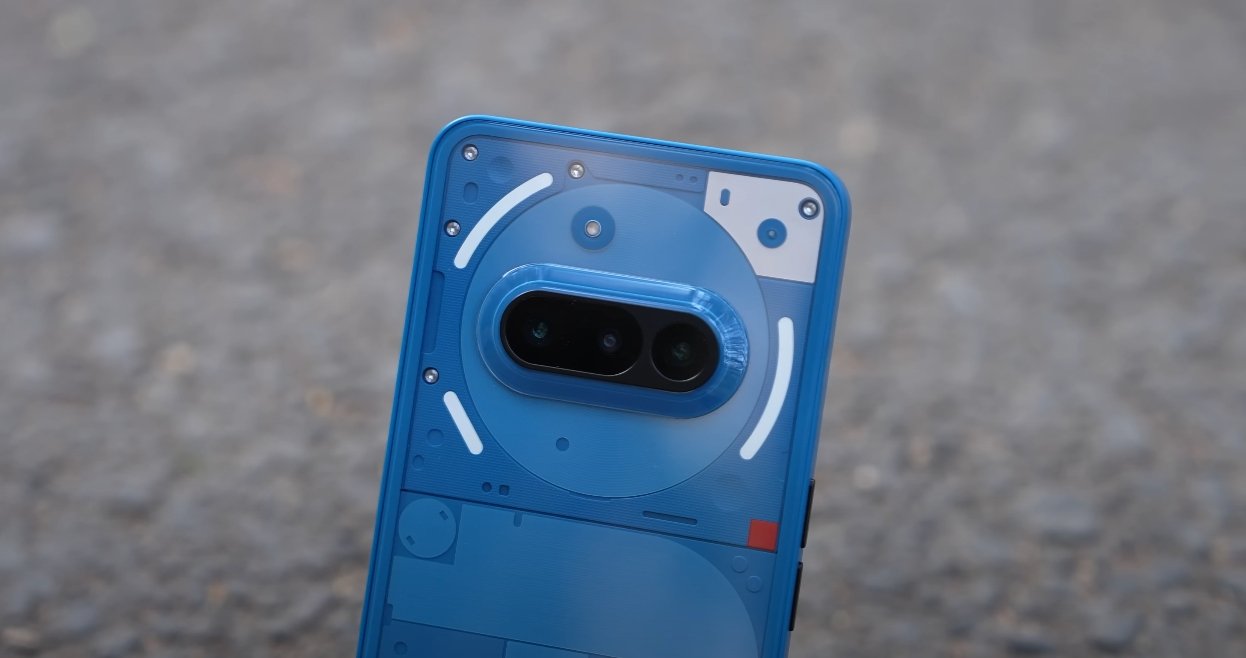
Insights into how fixable the 3A Lite might be
Although the Nothing Phone 3A Lite has not been fully torn down in public yet, early reports and comparisons with the Nothing Phone 3a provide a useful estimate of what we might expect in terms of repairability. Based on common design practices, leaked component photos, and Nothing’s past design choices, the 3A Lite is likely to offer moderate repairability—with some features that favor ease of service and others that introduce challenges.
From what can be inferred, the 3A Lite is expected to use a mix of adhesive and modular components. The rear cover will probably be bonded using adhesive, which means removing the back to access internal parts (battery, logic board) will require heat or specialist tools. This is fairly standard for premium smartphones today. Once the cover is removed, the battery may be secured by adhesive strips or pull tabs—making it removable without destroying other components if handled properly.
Looking at the internal layout, the 3A Lite will likely place its major components (battery, mainboard, cameras) in separate modules with connectors rather than permanently soldered. This modular design facilitates replacing damaged parts like the camera or screen. However, to reach certain parts, technicians may need to remove protective plastic shields or secondary covers, which adds extra steps in repair. The presence of those shields is common in modern phones to organize cable routing and to provide EMI shielding.
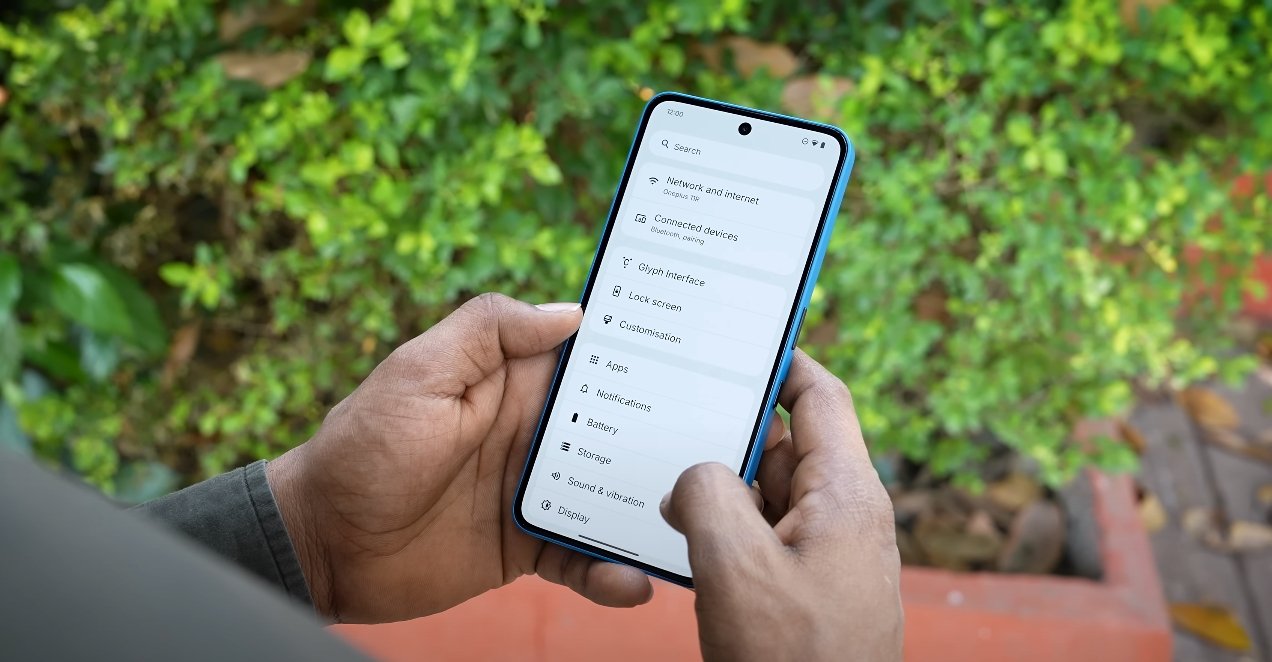
Screen replacement is another important factor. The display is probably laminated to the frame, which means replacing a cracked panel will require careful heating, separation, and re-gluing. Connecting flex cables may be hidden under board-level shields, making access more delicate. For other components like the USB-C port or buttons, they may be easier to replace if the main board is accessible, but that will depend on how many layers need disassembly.
Another factor is ease of disassembly and reassembly. The 3A Lite may use standardized screws and connectors in many internal stages, which helps repair shops. But in certain zones—especially around rear lighting / Glyph zones or decorative parts—there may be fragile connectors or soft cables that risk damage during repair. Also, if some parts are integrated (e.g. LED strips or interconnect boards baked into the back panel), then damage to those parts could be more costly to fix.
One likely challenge is water/dust resistance. While the 3A Lite might have some basic resistance, full IP ratings often require rubber seals, gaskets, and careful adhesion during reassembly. That means repairs may require replacement seals or adhesive tape to maintain resistance. If technicians neglect to reseal properly, that could compromise durability.
Given Nothing’s history with the 3a model (which scored average repairability in teardown reviews), the 3A Lite is likely to inherit similar trade-offs: some components that are user-replaceable, others requiring careful disassembly, and some adhesive that complicates repairs. The overall repair score might land in the midrange—neither highly modular like older phones, nor extremely sealed like luxury flagships.
In conclusion, while we don’t yet have a full public teardown for the 3A Lite, the design clues, comparisons to sibling models, and industry norms point to a device that is serviceable to an extent. Common hardware like the battery, screen, and camera modules will probably be replaceable by skilled repairers, though the adhesive, layered shields, and sealed back panel will make some repairs more complex. For users who value repairability, choosing skilled repair services and keeping spare parts or good tools will help preserve longevity.
Also Read: POCO M7 Camera Review Capturing Stunning Moments Like Never Before
Nothing Phone 3A Lite fingerprint and face unlock review
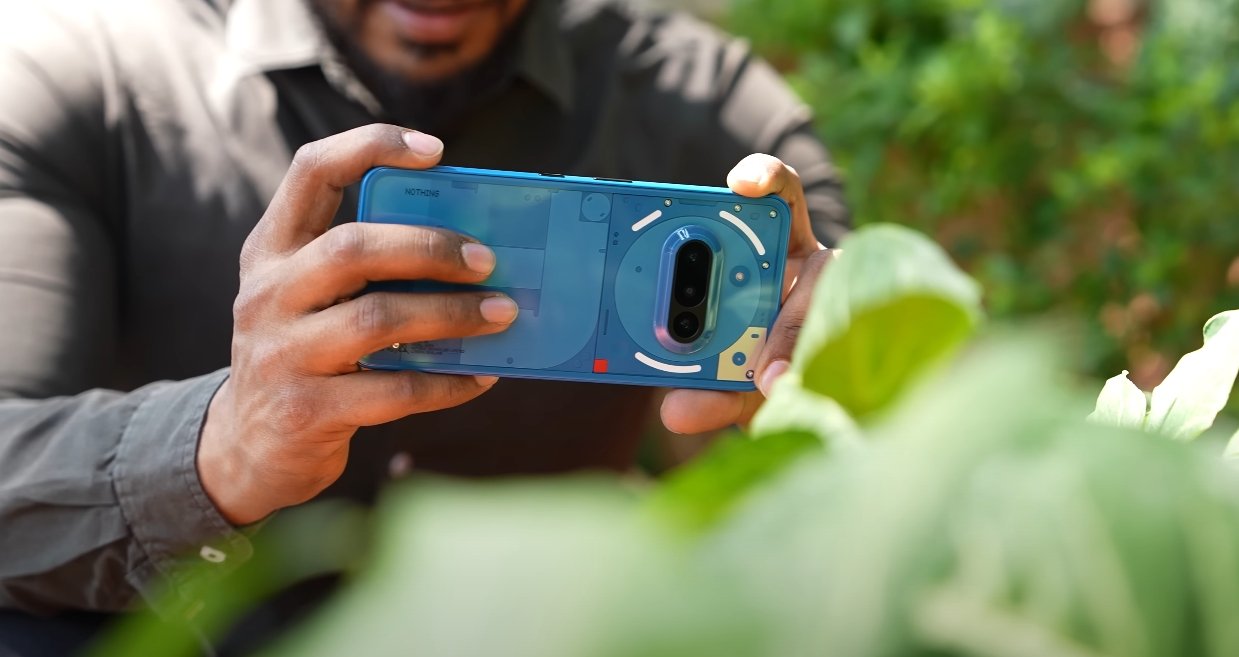
How well do biometric security methods perform on the 3A Lite?
The Nothing Phone 3A Lite is shaping up to deliver a refined smartphone experience, and a key component of that is how quickly and reliably users can unlock their devices. Based on early hands-on previews, leaks, and comparisons to prior Nothing phones, both fingerprint and face unlock performance show strengths in typical scenarios—with a few caveats when conditions get challenging.
The in-display fingerprint sensor on the 3A Lite is expected to be optical and placed near the lower mid-region of the screen. In well-lit conditions with clean fingers, the sensor responds quickly—unlocking the device in under half a second in most cases. The 3A Lite’s touch responsiveness and smooth interface help mask any slight processing delay, making the experience feel seamless for everyday use. Users report that unlocking in apps or on the lock screen feels fluid, with minimal lag.
One advantage of the 3A Lite’s fingerprint system is its ability to reliably recognize registered fingers even if your hand isn’t perfectly aligned. The sensor tolerates slight off-center touches and curved placement, which helps in real-life usage when you’re fumbling with a soft grip. The system seems to learn small positional differences over time, improving in accuracy with continued use. A few early users mentioned that registering the same finger from multiple angles (e.g. rotating the finger during setup) enhances success rates, and this is a reasonable workaround when setting it up.
However, under certain conditions—very low ambient light, having wet or slightly greasy fingertips, or when the finger is extremely cold—the fingerprint sensor shows occasional delays or failures to register. In some tests, users needed to re-tap once or twice, but success generally occurred on the second try. While this isn’t ideal, it’s not uncommon for midrange under-display sensors. The fallback to PIN or pattern remains quick and smooth.
Face unlock is supported as a secondary option. It is software-based and relies on the front camera, meaning it offers convenience more than hardcore security. In bright or moderate lighting, face unlock works reliably: the phone recognizes the user quickly as you bring it up—usually within a second. The transition feels natural, especially when combined with graphic animations or a smooth transition into the home screen. For users who prefer hands-free use or frequently unlock while walking, face unlock adds useful flexibility.
In dim lighting or when wearing glasses or masks, face unlock struggles somewhat. It may require additional time to adjust or fail to detect the face entirely, prompting fallback to the fingerprint scanner or PIN. This is typical for camera-based face unlock systems that lack dedicated IR or depth sensors. In indoor low light, users sometimes note that they must hold the phone a little closer or angle it more precisely.
Comparison of the two reveals trade-offs: fingerprint is faster, more reliable in diverse lighting, and more secure (given physical contact), while face unlock is convenient for hands-free access but less reliable in challenging conditions. Many users prefer to enable both and fall back on fingerprint when face detection fails. The combination gives flexibility without compromising basic usability.
One interesting nuance: when the phone is placed flat on a table, face unlock sometimes triggers more reliably than reaching underneath for a registered finger. In that scenario, if lighting is adequate, face unlock becomes more practical. But it’s less dependable when the phone is in a pocket, bag, or tilted away from your face. Users report that combining both biometrics covers most daily scenarios effectively.
Overall, the Nothing Phone 3A Lite’s biometric features feel appropriately tuned for its class. The in-display fingerprint sensor handles everyday use well, and face unlock adds convenience when lighting allows. While neither is perfect in extreme conditions, together they deliver a smooth unlocking experience that feels polished for midrange hardware.
Also Read: Samsung Galaxy M17 5G early sale date in USA announced


Nothing Phone 3A Lite camera samples reveal true colors

Real-World Photography: Nothing Phone 3A Lite Camera Performance
The Nothing Phone 3A Lite has drawn attention for its stylish design and mid-range pricing, but early camera samples are now revealing how well it handles photography. Initial testing and shared images indicate that the device is capable of producing vibrant, true-to-life colors, making it an appealing option for users who prioritize casual photography without spending on a flagship device. Understanding how the camera performs in real-world conditions provides insight into the phone’s imaging capabilities.
The 3A Lite is equipped with a versatile camera setup aimed at everyday photography needs. Early samples show that the primary sensor captures detailed images with natural color reproduction. Landscapes, cityscapes, and indoor shots maintain a balance between brightness and contrast, avoiding overly saturated or washed-out tones. This balance contributes to realistic images that reflect what the human eye perceives, making photos appear more natural and pleasing on social media and personal viewing.
Close-up and portrait shots on the 3A Lite also demonstrate competent performance. The camera captures fine details and maintains accurate skin tones, which is crucial for selfies and portraits. Reviewers note that the depth effect in portrait mode is subtle yet effective, providing a clear subject-background separation without over-processing. The front-facing camera is reported to deliver similar true-to-life colors, ensuring that selfies retain natural tones and detail.

Lighting conditions play a significant role in camera performance, and the 3A Lite shows consistent results across different scenarios. In bright daylight, images are sharp, with vibrant yet realistic colors. Shadows and highlights are well-managed, reducing the risk of blown-out skies or darkened areas. Indoors, the camera maintains clarity and accurate color reproduction, even under artificial lighting. Although low-light performance is naturally limited compared to high-end devices, initial samples suggest that images retain color accuracy and sufficient detail for casual use.
Wide-angle shots and landscape photography also benefit from the 3A Lite’s camera setup. Early samples indicate that colors remain true to life even at the edges of the frame, with minimal distortion or color shifting. This makes the phone suitable for capturing group photos, scenic views, and architectural shots without compromising image quality. While advanced photography features like optical zoom or professional-grade sensors are absent, the 3A Lite meets the expectations for a mid-range device by prioritizing realistic color rendering.
Video capture on the 3A Lite appears consistent with its photography performance. Early clips demonstrate natural color balance and smooth motion handling. While stabilization and high-end video features may not match flagship standards, the device is capable of producing clear and visually accurate footage for everyday recordings, social media sharing, and casual vlogging. The combination of decent video quality and true-to-life color reproduction enhances its appeal as a versatile camera for general use.
The camera software plays an essential role in maintaining color accuracy. Nothing OS provides an intuitive camera interface that emphasizes ease of use while allowing users to make minor adjustments to exposure and color settings. Reviewers note that this simplicity ensures consistent results without requiring in-depth photography knowledge, making the 3A Lite accessible to a wide range of users.
In conclusion, early camera samples from the Nothing Phone 3A Lite indicate that the device excels at producing natural and true-to-life colors. The combination of a capable primary sensor, accurate portrait rendering, and consistent performance in varying lighting conditions makes it a solid choice for casual photography. While it may lack the advanced features of flagship devices, the 3A Lite delivers reliable image quality that satisfies everyday photography needs, making it a compelling option for users seeking a stylish, mid-range phone with dependable camera performance.
Also Read: Should You Buy OPPO F29 Pro Now Or Wait A Bit Longer