OPPO Find X9 Pro performance review: Dimensity 9500 power under the hood
A Deep Look at Real-World Performance
The OPPO Find X9 Pro arrives with the Dimensity 9500 chipset at its core, positioning it as a flagship built for power and consistency. This processor has been highlighted in official briefings for its efficiency gains and improved AI processing, giving the phone a strong foundation for both everyday use and demanding tasks. With the device now widely available, users and early reviewers have offered a clearer picture of how it performs in real-world conditions.
In general daily usage, the Find X9 Pro feels fluid and responsive. App launches are quick, background activity remains stable, and transitions appear smooth throughout the interface. Even with multiple apps running, the phone maintains strong performance without delays or drops in responsiveness, showcasing the strength of OPPO’s software optimisation on top of the Dimensity platform.
When pushed into heavier workloads, the chipset displays excellent peak performance. The phone handles photo editing, 4K video playback and multitasking without strain. Users have noted that animations remain stable, and the device shows no micro-lag during heavy browsing sessions. OPPO’s memory management also supports sustained multitasking, allowing more apps to stay active without refreshes.

Gaming is one of the major focus areas for this device, and the Find X9 Pro delivers smooth frame rates in popular titles. High-graphics games run comfortably, with quick load times and consistently stable output during short to medium-length sessions. The Dimensity 9500’s GPU shows clear improvements over the previous generation, offering a noticeably smoother experience in fast-paced games.
However, extended gaming sessions highlight one key trade-off. Under prolonged load, the device begins to warm up, leading to a drop in sustained performance. Thermal management steps in to control heat, which results in reduced frame rates during long sessions. This behaviour has been observed widely and is an important point for users who often play demanding games for extended periods.
Storage performance on the Find X9 Pro is generally fast, with UFS 4.1 technology delivering excellent read speeds that help with app installs, camera processing and file transfers. Some variation in write speeds has been noted across markets, but everyday usage remains swift. For most users, these differences do not affect general speed or responsiveness, especially in browsing, messaging and photography.
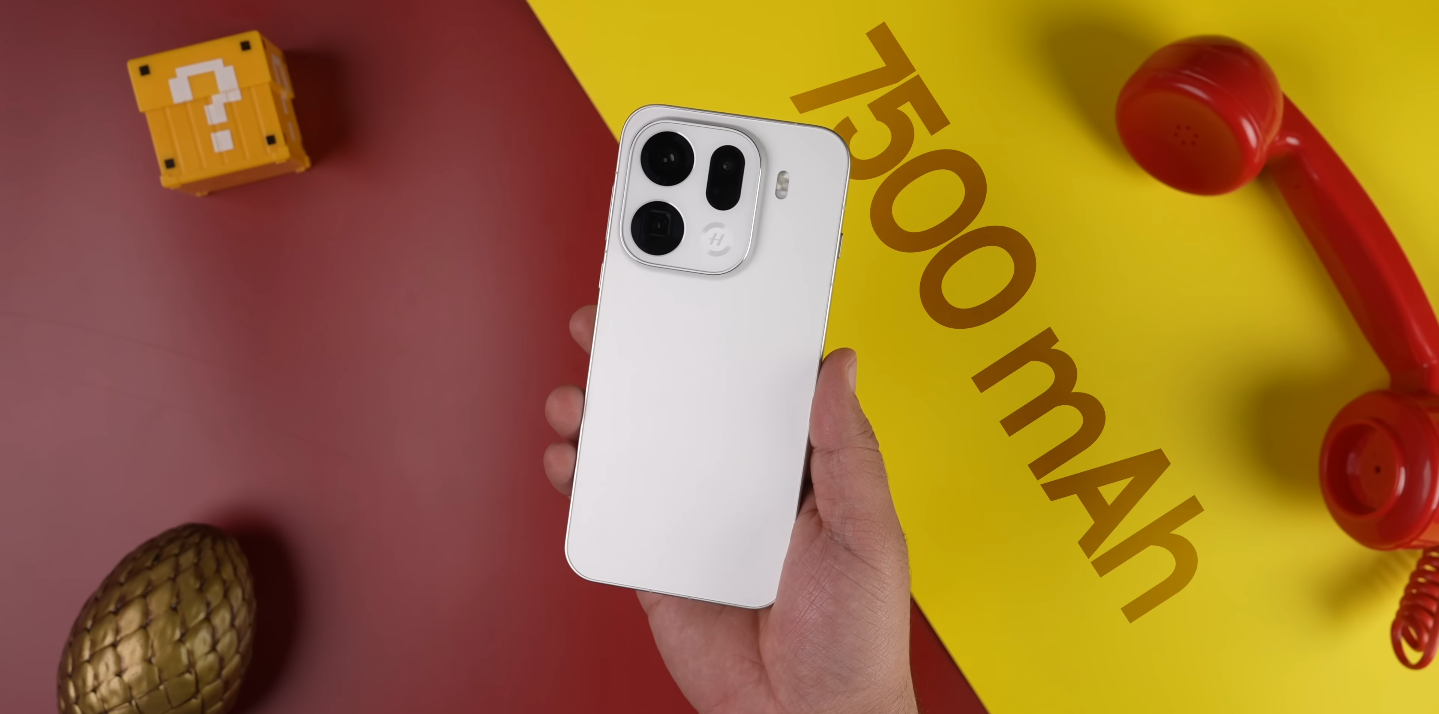
Battery performance contributes to the device’s strong performance profile. The large silicon-carbon battery offers long screen-on time and holds up well during heavy use. Even with gaming or camera usage, the device often lasts significantly longer than typical flagship phones. This endurance helps offset thermal limits by reducing the need for mid-day charging, supporting long hours of consistent performance.
In photography and video, the Find X9 Pro uses its processing power effectively. The Dimensity 9500 plays an important role in image computation, enabling faster capture times and smoother transitions in the camera interface. Night mode processing, portrait effects and video stabilisation all run efficiently, showing the chipset’s capability beyond raw benchmark numbers.
For UK users, the Find X9 Pro positions itself as a high-end flagship with premium performance and long-term reliability. While it may not reach the absolute top of the charts in sustained multi-core performance, it excels in balanced daily endurance, responsive software and real-world usability. OPPO’s design choices make it suitable for users who need a powerful phone without compromising battery efficiency.
Overall, the OPPO Find X9 Pro delivers a mature flagship experience driven by the Dimensity 9500. It offers excellent day-to-day speed, strong gaming performance in shorter bursts and impressive battery life. While thermal throttling appears in long gaming sessions, the phone remains a dependable performer for typical workloads, productivity tasks and media creation.