NYT Connections Hints & Answers for Friday, 12th December (Game #915)
Your Daily Dose of Brain-Teasing Fun: NYT Connections Game #915
Welcome back, puzzle enthusiasts! If you’re currently scratching your head over today’s NYT Connections challenge, game #915, fear not. We’ve got precisely what you need to navigate Friday, the 12th of December’s intricate web of words. Whether you’re seeking a gentle nudge in the right direction or the complete solution, our guide is here to assist.
The New York Times’ Connections has quickly become a beloved daily ritual for many, captivating players with its unique blend of word association and logical deduction. Unlike its word-guessing cousin, Wordle, Connections asks you to find common threads amongst seemingly disparate items, grouping them into four distinct categories of four words each.
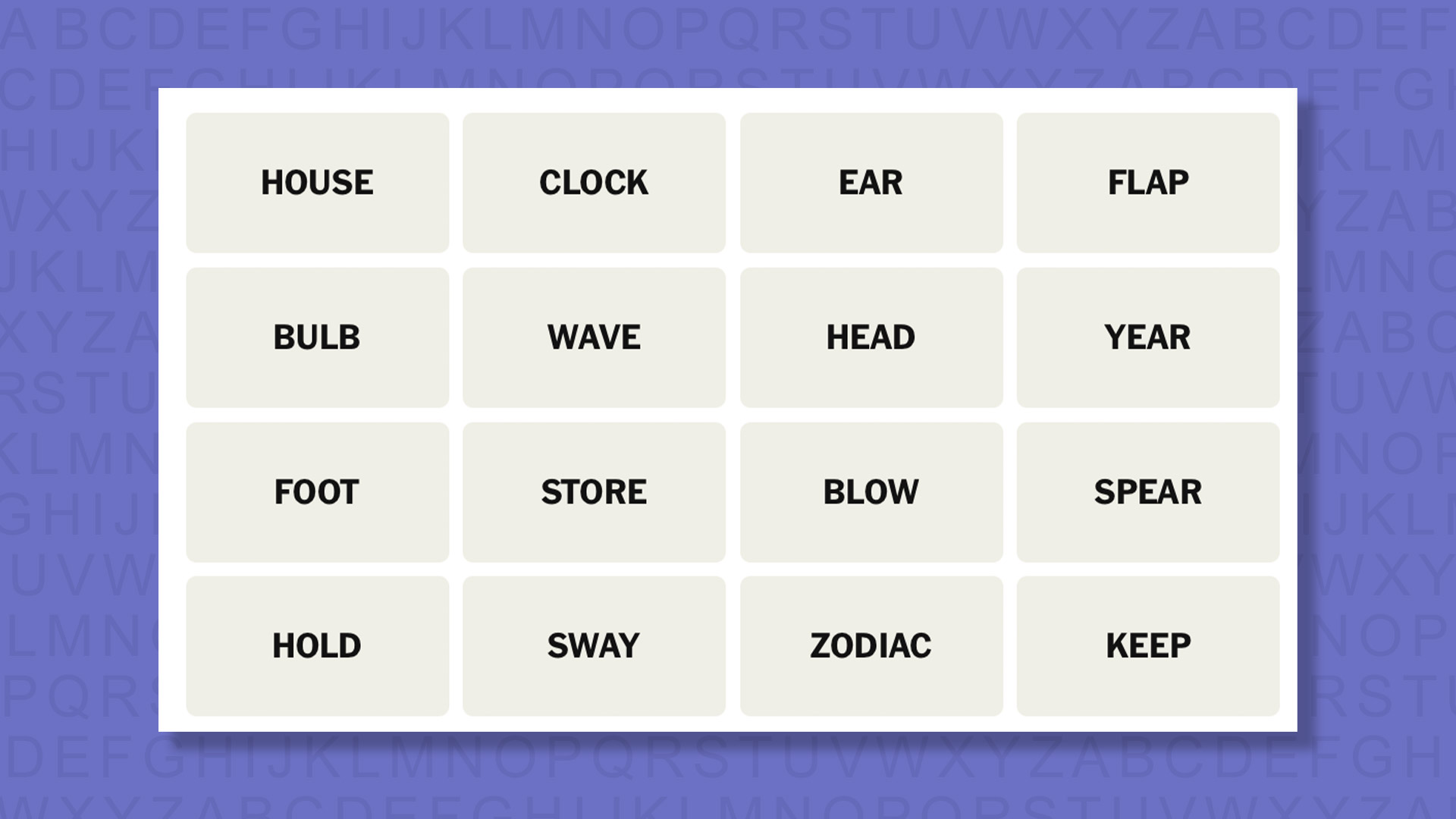
For those new to the game, the premise is simple yet deceptively challenging. You are presented with sixteen words, and your mission is to identify four groups of four words that share a common theme or connection. These links can range from straightforward synonyms to more abstract categories like “things that are often found in a certain place” or “words that precede another specific word.”
The true genius of Connections lies in its ability to present red herrings – words that appear to fit into multiple categories, designed to throw you off course. Successfully navigating these linguistic traps requires careful thought and often a willingness to reconsider your initial assumptions. It’s a rewarding mental workout that truly tests your pattern recognition skills.
Today’s puzzle, game #915, arriving on Friday, 12th December, maintains the usual standard of cleverness we’ve come to expect. Before we delve into specific hints, remember a few golden rules: always look for the most obvious connections first, but don’t be afraid to think outside the box when those don’t immediately reveal themselves. Sometimes, a word might have a secondary meaning that’s the key.
One effective strategy is to tackle the categories in order of perceived certainty. Often, there’s one group that feels almost glaringly obvious, allowing you to secure it early. This can significantly reduce the complexity of the remaining words, making it easier to spot the less apparent connections among the rest of the grid.
For game #915, consider pausing and stepping away for a moment if you feel stuck. A fresh pair of eyes, even if they’re your own after a short break, can often spot patterns you previously overlooked. Also, pay close attention to homophones or words that sound similar but are spelled differently; these are frequent tricksters in Connections.
Let’s talk hints for today’s grid. Without giving too much away, one category might have you thinking about things that *begin* in a particular way. Another set of words could relate to common actions or processes you might perform daily. There’s also a group that plays on synonyms for a certain type of ‘expression’ or ‘statement’.
Keep an eye out for words that have multiple meanings; the New York Times puzzle masters love to exploit these. For instance, a word might be a noun in one context and a verb in another, and only one of those interpretations will lead you to the correct group. Don’t commit to a category too soon if another word also seems to fit.
Another subtle hint for game #915: look for words that could be parts of well-known phrases or idioms. Sometimes the connection isn’t about the literal meaning of the word itself, but how it’s used in conjunction with others in common parlance. This can be a particularly tricky category to spot if you’re not actively looking for it.
Now, if you’ve given it your best shot and are still struggling, or simply wish to confirm your suspicions, we’re about to reveal the answers for game #915. This is your final warning for spoilers! If you want to keep puzzling, now is the time to close this tab and return to the NYT Connections game itself.
Consider yourself warned? Excellent. Let’s unveil the solutions for Friday, 12th December’s NYT Connections puzzle. The categories and their respective words are laid out below, alongside some brief commentary on why these connections were particularly noteworthy or challenging today. Ready to see how you fared?
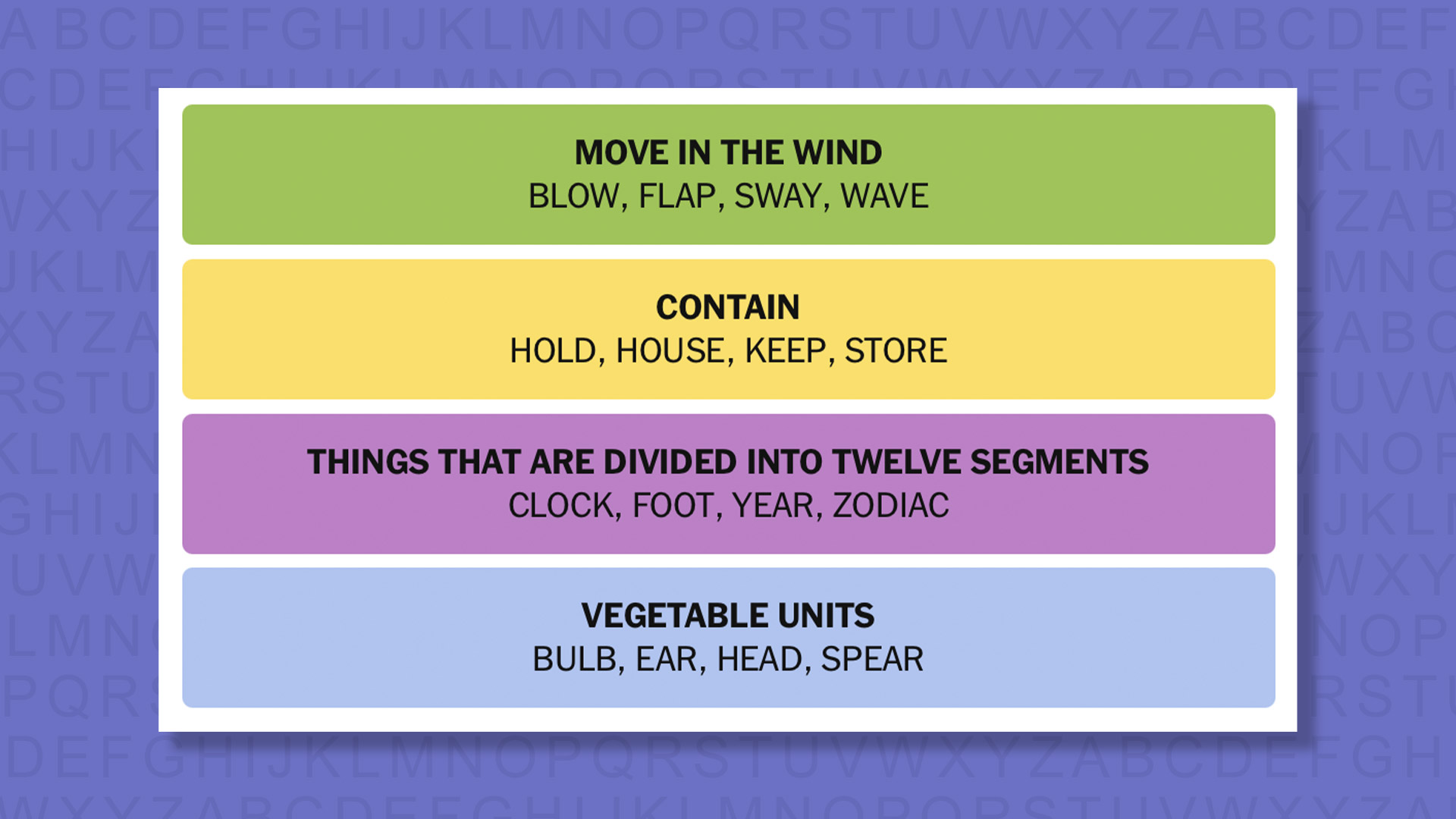
The Yellow Category, “Words related to Starting Something,” comprised: INITIATE, LAUNCH, COMMENCE, BEGIN. This group provided a relatively straightforward entry point into the day’s puzzle, offering clear synonyms that many players likely identified early on in their attempts.
Moving onto the Green Category, this one focused on “Things that are Applied to Surfaces,” featuring: PAINT, COAT, PLASTER, VARNISH. This required thinking beyond just the action of applying, and considering the substances themselves, or the processes that result in a covered surface.
The Blue Category presented “Terms for Expressing Disagreement,” with the words: OBJECT, PROTEST, OPPOSE, DISPUTE. Once the focus shifted to the verbs associated with vocalising disapproval, this category proved quite accessible, fitting neatly into its defined theme.
Finally, the Purple Category often serves as the puzzle’s trickiest element, and today was no exception. This group was “Words that can Follow ‘Sweet’,” revealing: CORN, PEA, DREAMS, POTATO. This lateral thinking challenge required players to identify common phrases where “sweet” precedes these specific words.
The Yellow category, “Starting Something,” was perhaps the most straightforward today, offering a gentle entry point into the puzzle. Words like INITIATE and BEGIN are clear synonyms, setting a good foundation. The Green category, “Applied to Surfaces,” required a slight shift in thinking, moving from actions to the substances or processes themselves.
The Blue category, “Terms for Expressing Disagreement,” was also quite accessible once you focused on the verb forms. OBJECT and PROTEST clearly align here. The true curveball for many, I suspect, was the Purple category: “Words that can Follow ‘Sweet’.”
This often requires a lateral thinking leap, as you need to consider how these common words pair with “Sweet” to form familiar phrases. Sweet Corn, Sweet Pea, Sweet Dreams, and Sweet Potato all fit perfectly, showcasing the cleverness of the puzzle designers in exploiting common collocations.
This particular game offered a pleasing balance of difficulty, with some categories being more direct and others demanding a bit more linguistic gymnastics. It’s these diverse challenges that make NYT Connections such a captivating daily mental exercise. Hopefully, our hints helped you to crack the code, or at least provided a satisfying confirmation of your efforts.
Don’t forget to join us again tomorrow for the next instalment of NYT Connections. Keep those brains sharp, and your word-spotting skills honed. Until then, happy puzzling!
Also Read: Google Chrome Fortifies Defences with Advanced AI Prompt Injection Protection