NVIDIA RTX 50 SUPER Series Launch Delayed Due to Memory Shortages
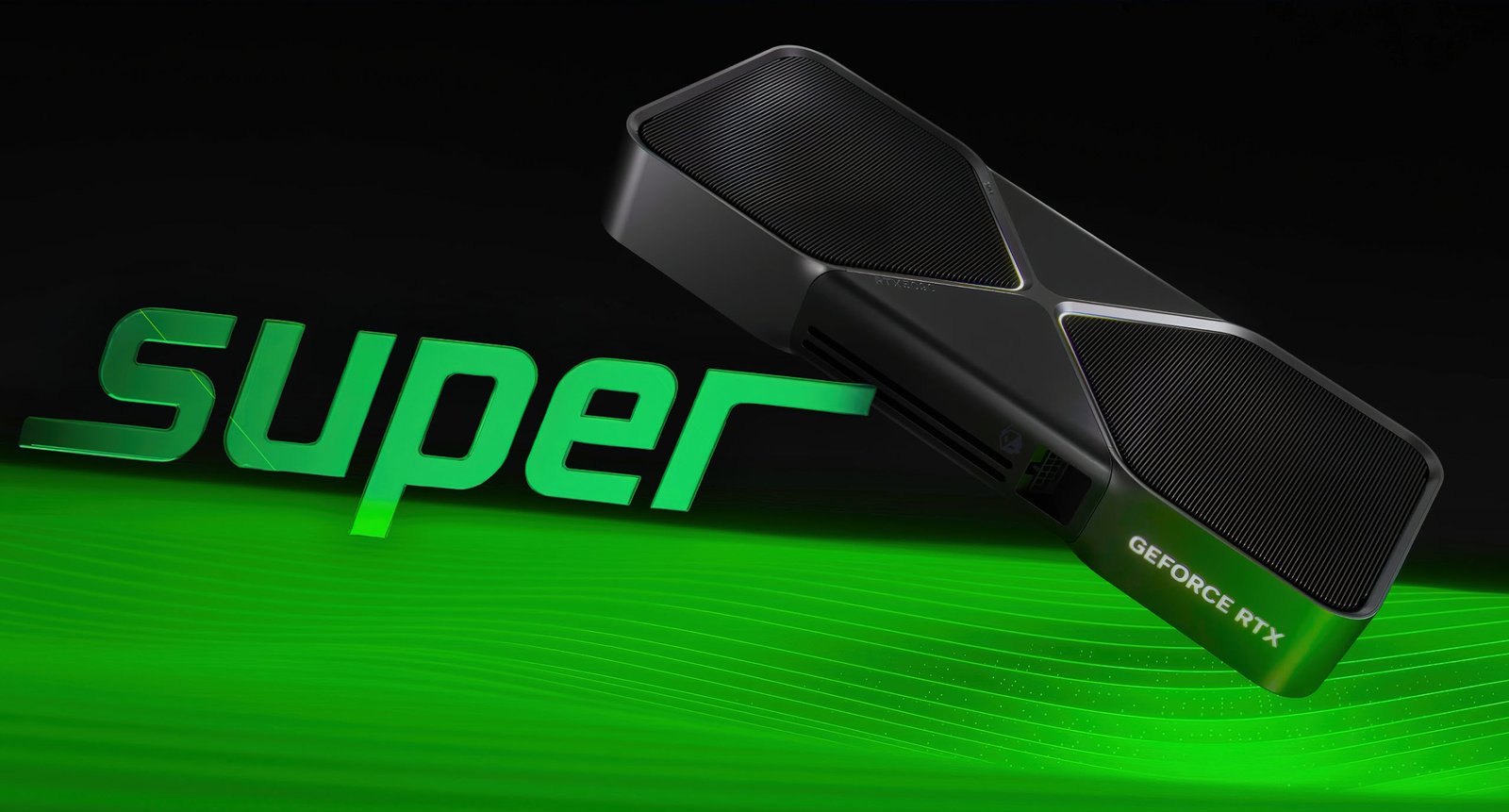
NVIDIA’s Consumer GPU Plans Take a Hit Due to Memory Supply Constraints
NVIDIA’s plans for consumer GPU launches this year are uncertain, with reports suggesting the RTX 50 SUPER series won’t launch at all. The ongoing DRAM supply shortage has forced GPU manufacturers to revise their roadmaps, disrupting future launches. At this year’s CES, there was no mention of next-gen consumer GPUs, primarily due to the difficulty in obtaining necessary chips.
The shortage has significantly impacted NVIDIA’s consumer GPU plans, with many launches being delayed or cancelled. The company’s focus has shifted towards navigating the supply chain challenges, rather than pushing out new products. This has led to a significant slowdown in the client segment, with NVIDIA taking a step back to reassess their strategy.
The RTX 50 SUPER series was expected to be a major launch for NVIDIA, offering improved performance and features. However, with the current supply chain constraints, it seems unlikely that the series will launch this year. NVIDIA’s decision to delay or cancel the launch is likely a result of the company’s efforts to prioritise their resources and manage the supply chain challenges.
The impact of the memory shortage on the tech industry cannot be overstated. With many manufacturers struggling to obtain the necessary components, the launch of new products has been severely disrupted. As the situation continues to unfold, it remains to be seen how NVIDIA and other manufacturers will adapt to the changing landscape. The company’s ability to navigate these challenges will be crucial in determining their success in the client segment.
NVIDIA’s consumer GPU plans are currently under jeopardy, driven by the memory supply constraints. The company’s roadmap for this year has been significantly impacted, with many launches being delayed or cancelled. As the situation continues to evolve, it remains to be seen how NVIDIA will respond to the challenges posed by the memory shortage.
The memory shortage has also had a significant impact on the gaming industry, with many gamers being forced to wait for new hardware. The delay or cancellation of the RTX 50 SUPER series launch will only add to the frustration, as gamers will have to wait even longer for new and improved hardware. NVIDIA’s decision to prioritize their resources and manage the supply chain challenges is likely a result of the company’s efforts to ensure that they can deliver high-quality products to their customers.
As the tech industry continues to navigate the challenges posed by the memory shortage, it remains to be seen how NVIDIA and other manufacturers will adapt. The company’s ability to respond to the changing landscape will be crucial in determining their success in the client segment. With the RTX 50 SUPER series launch delayed or cancelled, NVIDIA will need to reassess their strategy and prioritize their resources in order to stay competitive.
The ongoing DRAM supply shortage has forced GPU manufacturers to revise their roadmaps, disrupting future launches. NVIDIA’s decision to delay or cancel the RTX 50 SUPER series launch is likely a result of the company’s efforts to prioritize their resources and manage the supply chain challenges. As the situation continues to unfold, it remains to be seen how NVIDIA and other manufacturers will adapt to the changing landscape.
NVIDIA’s consumer GPU plans are currently under jeopardy, driven by the memory supply constraints. The company’s roadmap for this year has been significantly impacted, with many launches being delayed or cancelled. The delay or cancellation of the RTX 50 SUPER series launch will only add to the frustration, as gamers will have to wait even longer for new and improved hardware.
The memory shortage has also had a significant impact on the tech industry, with many manufacturers struggling to obtain the necessary components. The launch of new products has been severely disrupted, and it remains to be seen how NVIDIA and other manufacturers will adapt to the changing landscape. As the situation continues to evolve, it is clear that the memory shortage will have a lasting impact on the tech industry.
In conclusion, the delay or cancellation of the RTX 50 SUPER series launch is a significant blow to NVIDIA’s consumer GPU plans. The company’s ability to navigate the supply chain challenges and prioritize their resources will be crucial in determining their success in the client segment. As the tech industry continues to navigate the challenges posed by the memory shortage, it remains to be seen how NVIDIA and other manufacturers will adapt and respond to the changing landscape.