Nintendo Cracks Down on Switch Emulators with DMCA Notices
Nintendo’s Fight Against Switch Emulators Heats Up
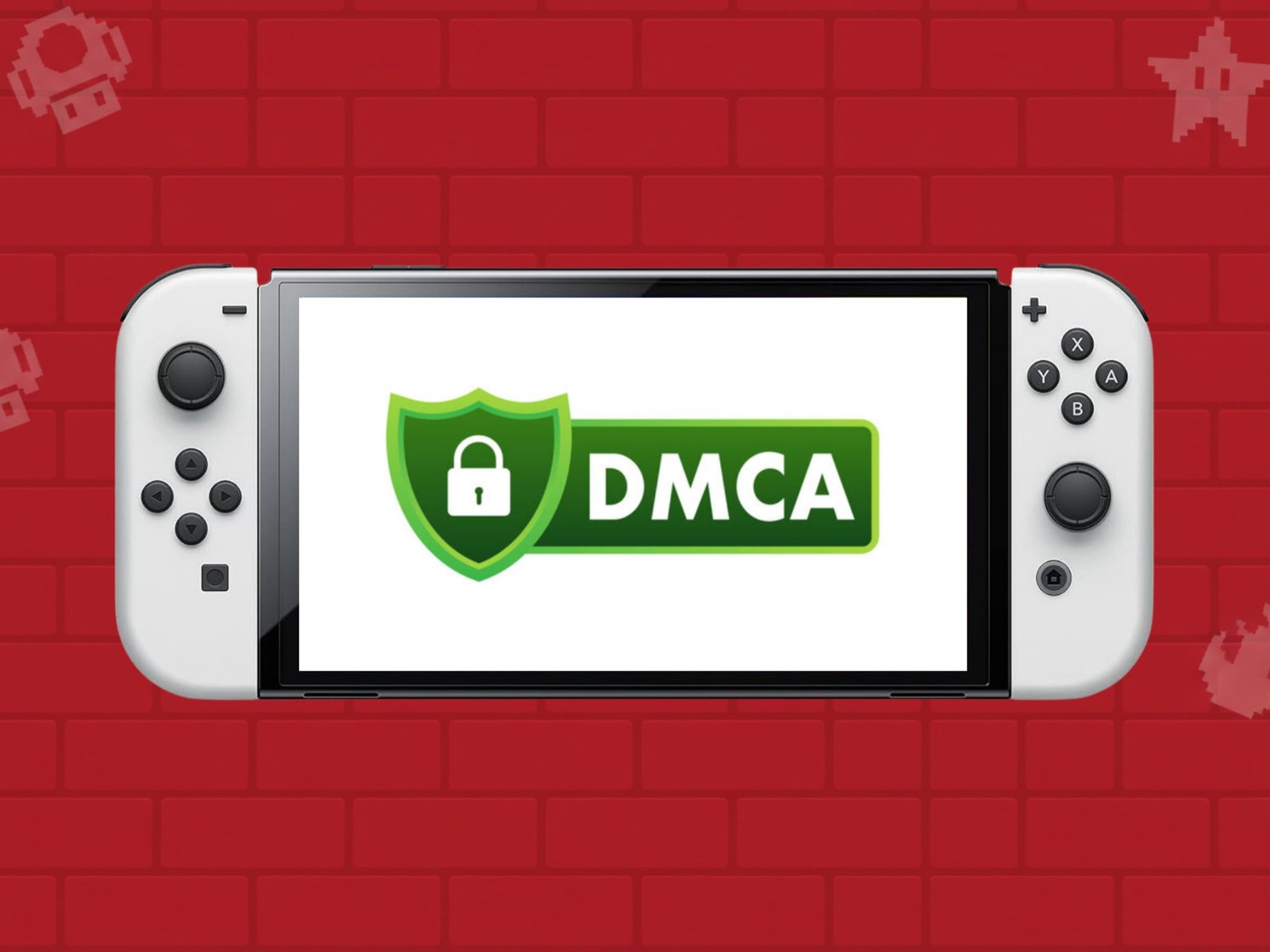
Nintendo has been actively pursuing legal action against Switch emulators, with multiple lawsuits already under its belt. However, the company is now shifting its focus towards GitHub, a popular platform hosting numerous open-source emulators. By sending mass DMCA notices to developers, Nintendo aims to curb copyright infringement facilitated by these emulators.
The DMCA notices accuse the emulators of enabling users to play copyrighted games without permission, thereby infringing on Nintendo’s intellectual property rights. This move is seen as a significant escalation in Nintendo’s efforts to protect its games and hardware from unauthorised use.
Despite the legal challenges, many Switch emulators have managed to survive and continue operating. The Yuzu fork Citron, in particular, has been targeted by Nintendo’s DMCA notices. As the emulator’s developers navigate these legal hurdles, the future of Switch emulators on GitHub remains uncertain.
Nintendo’s behaviour towards Switch emulators reflects its commitment to protecting its intellectual property and maintaining control over its gaming ecosystem. By analysing the situation, it becomes clear that Nintendo is determined to prevent unauthorised use of its games and hardware, even if it means taking drastic measures.
The implications of Nintendo’s actions extend beyond the emulator community, as they may set a precedent for the gaming industry as a whole. As the colour of the gaming landscape continues to evolve, one thing is certain – Nintendo will stop at nothing to safeguard its interests and ensure the integrity of its brand.
In conclusion, Nintendo’s crusade against Switch emulators serves as a reminder of the company’s unwavering dedication to protecting its intellectual property. As the situation unfolds, it will be interesting to see how the emulator community responds to these developments and whether Nintendo’s efforts will ultimately prove successful.
Only time will tell if Nintendo’s strategy will pay off, but one thing is certain – the company’s actions will have a significant impact on the gaming community. With the rise of emulator technology, Nintendo must adapt and evolve to stay ahead of the curve and maintain its position as a leader in the gaming industry.
Nintendo’s approach to combating Switch emulators may seem aggressive, but it is a necessary step in protecting its business and reputation. By taking a firm stance against copyright infringement, Nintendo is sending a clear message to the emulator community and the gaming industry at large.
The fate of Switch emulators on GitHub hangs in the balance, as Nintendo’s DMCA notices continue to have a profound impact on the community. As the emulator developers struggle to stay afloat, Nintendo remains resolute in its mission to protect its intellectual property and maintain its dominance in the gaming market.