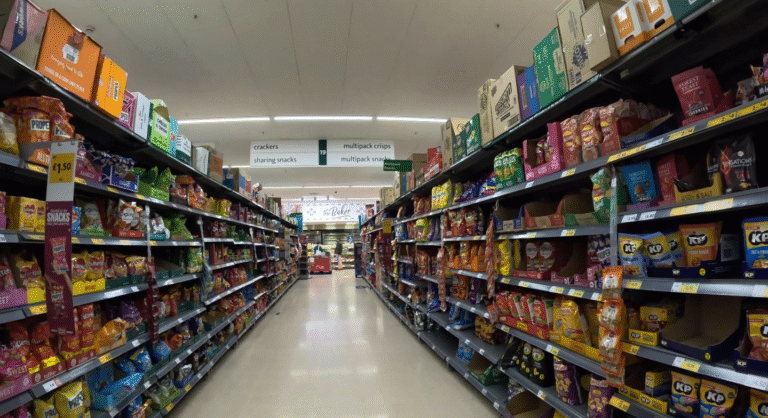
Morrisons’ 300-store screen rollout could reshape supermarket marketing
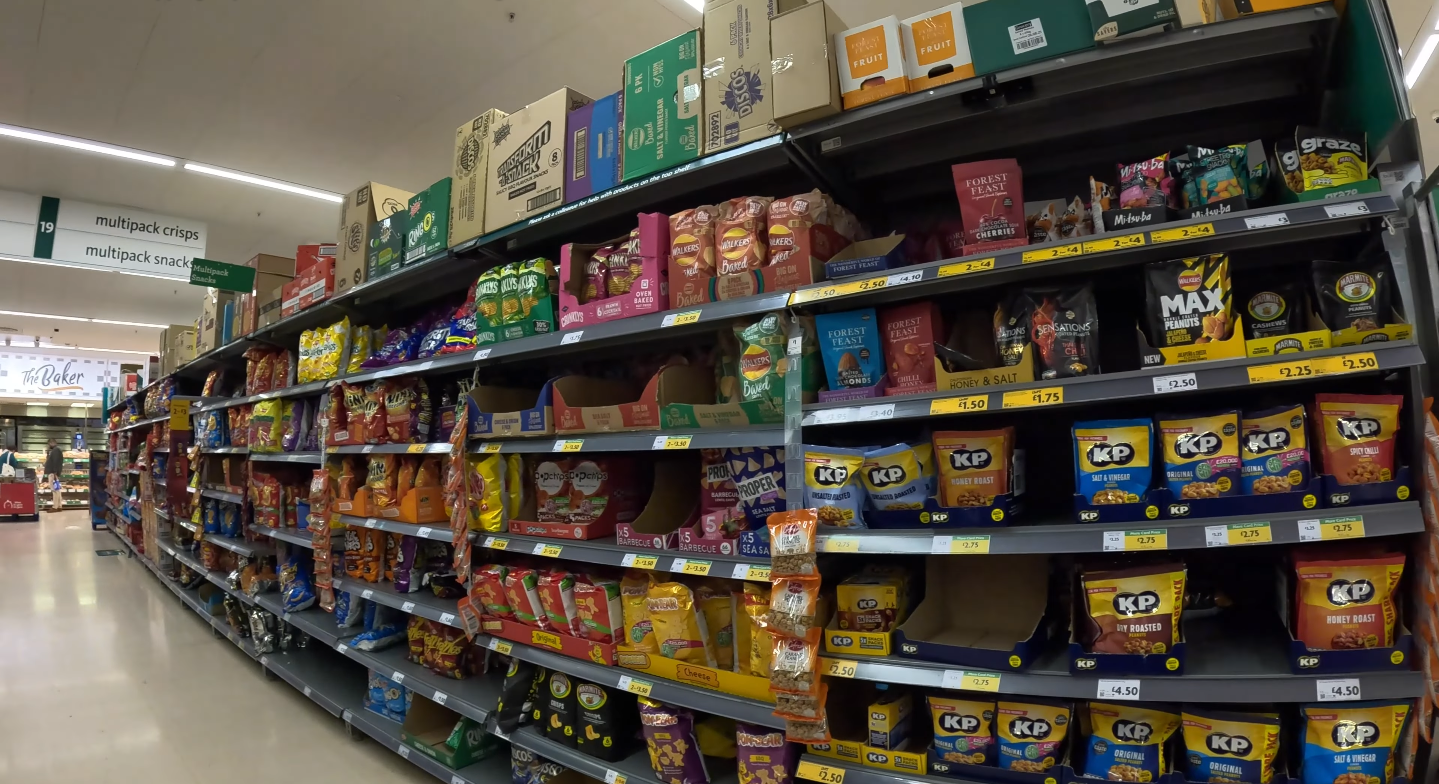
A Digital Shift Set to Transform UK Grocery Advertising
Morrisons’ decision to deploy digital screens across 300 stores marks a significant change in how supermarkets engage shoppers. The new network focuses on store entrances, positioning screens where customer attention is strongest. For brands looking to influence buying decisions, this shift represents a major opportunity to reach audiences at the start of their shopping journey.
The rollout follows Morrisons’ push to expand its retail media capabilities. By replacing static posters with dynamic displays, the supermarket is opening the door to real-time advertising that can adapt to promotions, seasons and shopper behaviour. The approach mirrors strategies already seen online, bringing similar flexibility directly into physical retail spaces.
For advertisers, the screens offer a high-impact channel. Shoppers entering a store are typically at their most receptive, making entrance-based messaging particularly influential. Brands can use this moment to highlight new launches, meal deals or time-sensitive offers, all delivered through vivid, attention-grabbing formats unavailable in traditional print displays.
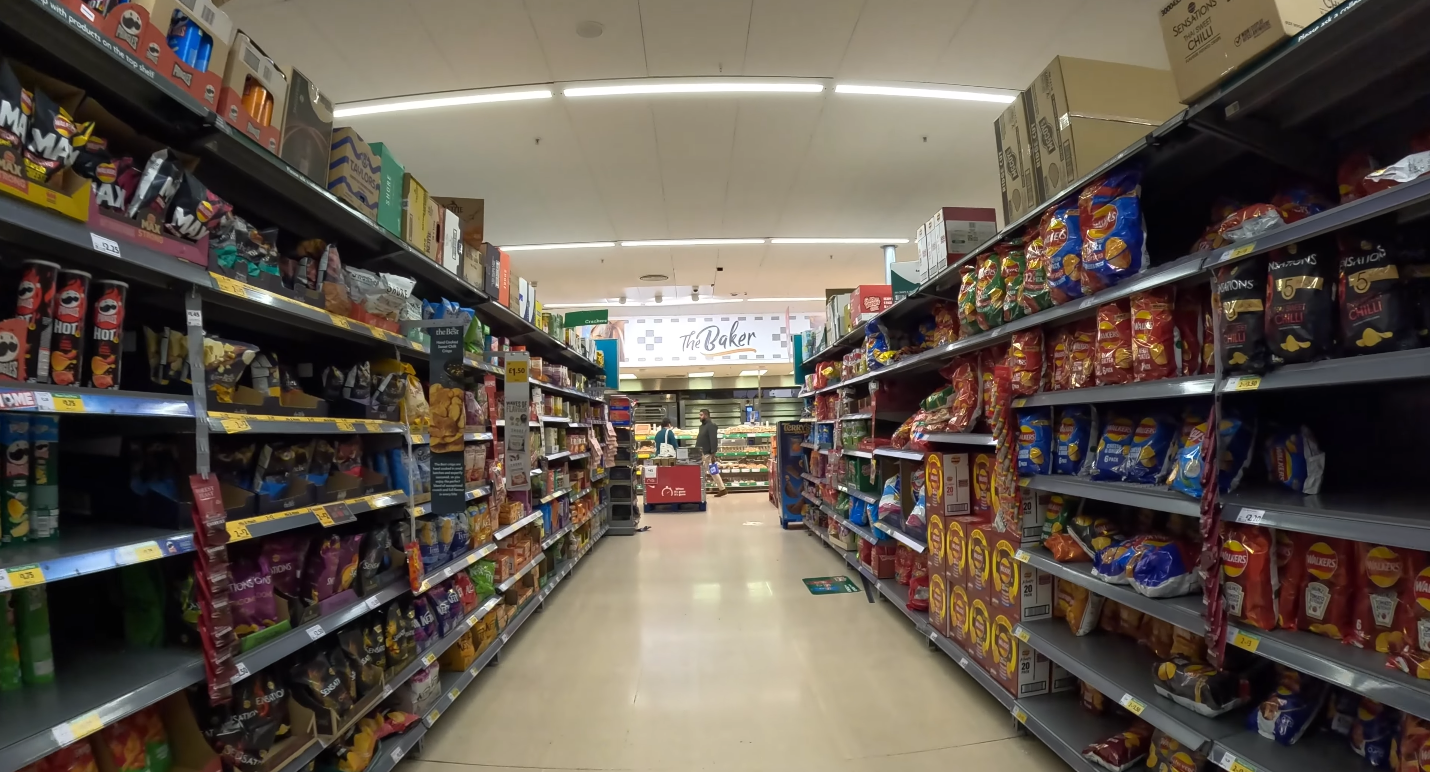
Industry analysts say the initiative strengthens Morrisons’ presence in the fast-growing retail media sector. Major UK grocers are increasingly moving towards digital advertising as a way to boost margins and offer more compelling value to suppliers. Morrisons’ large-scale rollout signals its intention to compete more directly with rivals already investing heavily in similar technology.
The screens also allow campaigns to be changed instantly. This means brands can tailor messaging not only by region but also by time of day or days of the week, offering a level of precision that static signage cannot match. For marketers, such agility provides a more efficient way to align promotions with shopper trends and store traffic patterns.
Customers are likely to notice a more modern entrance experience as the screens go live. The displays could highlight popular items, spotlight local offers or draw attention to price drops. The aim is to create a more engaging welcome while helping shoppers discover relevant deals as they begin navigating the store.
From a revenue perspective, the move represents an important diversification for Morrisons. Advertising income typically comes with higher margins than grocery sales, allowing supermarkets to strengthen financial performance. As competition in the sector remains intense, new revenue streams give retailers greater room to innovate and invest.
Experts believe the change may accelerate a broader shift across the industry. As digital screens become more common, suppliers may begin reallocating budgets away from paper-based promotions and towards digital-first campaigns. This could lead to more sophisticated, data-led advertising strategies across all major UK supermarkets.
There is also growing interest in combining digital screens with loyalty data. While this capability is still developing, it could eventually allow retailers to refine messaging even further. The technology would enable insights into which promotions resonate most with different customer groups, improving how brands measure campaign performance.
Overall, Morrisons’ 300-store digital screen rollout is poised to reshape supermarket marketing. By bringing real-time, high-impact advertising into physical retail, the supermarket is setting the stage for a more dynamic and data-driven future in how UK shoppers encounter brands.