Mario Galaxy Movie Sparks Controversy with AI-Generated Promo Images
Nintendo’s Stance on Generative AI in Marketing
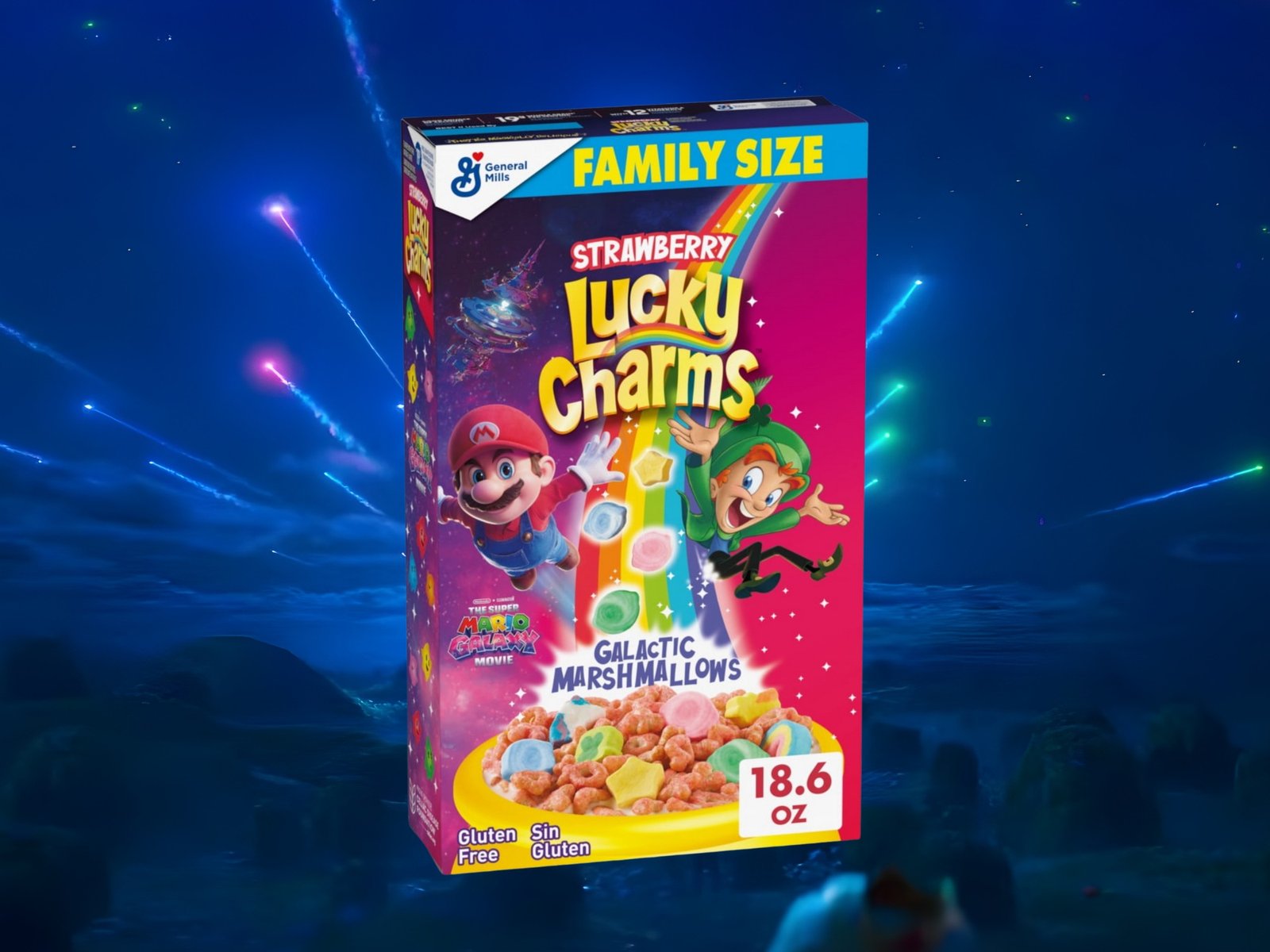
The recent discovery of a promotional website for The Super Mario Galaxy Movie has sparked controversy, as it appears to utilise generative AI to create images, despite Nintendo’s well-documented opposition to the use of such tools. This move has raised questions about the potential impact on the quality of marketing materials. The images in question, found on a website showcasing movie-themed snacks, have been met with scepticism due to their dubious appearance.
Generative AI, while capable of producing impressive results, often struggles to match the quality and finesse of human-created content, particularly in the realm of animation. The trailers for The Super Mario Galaxy Movie have set a high standard, making it unlikely that AI-generated images could achieve the same level of polish and engagement. However, General Mills, the manufacturer behind the movie-themed snacks, seems willing to explore alternative methods to promote the film.
The use of AI in marketing is not new, but its application in high-profile campaigns, such as that of a major movie release, is noteworthy. It highlights the ongoing debate about the role of technology in creative fields and the potential for AI to augment or replace human creativity. As the marketing landscape continues to evolve, it will be interesting to analyse the effectiveness of such strategies and their impact on consumer behaviour.
Nintendo’s stance on generative AI is clear, yet the appearance of these images suggests a disconnect between the company’s policies and the actions of its partners. This discrepancy could reflect a broader trend in the marketing industry, where the pressure to innovate and reduce costs might lead to the adoption of technologies that are not fully aligned with the values of all parties involved.
The Super Mario Galaxy Movie is highly anticipated, and its success will depend on various factors, including the quality of its marketing campaign. While the use of generative AI might be seen as a shortcut, it is crucial for marketers to weigh the potential benefits against the risks of compromising the brand’s image and the audience’s expectations. The outcome of this strategy will be closely watched, as it could set a precedent for future marketing efforts in the entertainment industry.
The integration of AI in creative processes is a complex issue, with proponents arguing that it can enhance human creativity and opponents concerned about the loss of jobs and the homogenisation of content. The case of The Super Mario Galaxy Movie promotional website serves as a catalyst for discussing these issues in the context of marketing and entertainment. As technology continues to advance, finding a balance between innovation and tradition will be key to harnessing its potential while preserving the essence of creative work.
Ultimately, the success of The Super Mario Galaxy Movie will be measured by its reception at the box office and the impact it has on its audience. The controversy surrounding the use of generative AI in its promotional campaign, however, underscores the challenges and opportunities presented by emerging technologies in the marketing and entertainment sectors. It remains to be seen how this situation will evolve and what lessons can be learned from the experiment.