LAVA Agni 4 vs Vivo mid-range phones speed test

Performance Showdown Between Lava and Vivo Mid-Range Devices
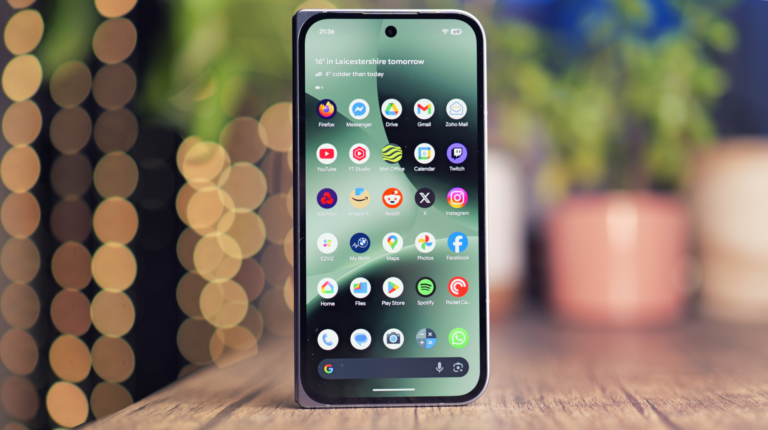
The Lava Agni 4 enters the market with a clear aim: deliver top-class responsiveness and speed in the mid-range segment. Underneath its sleek design lies the MediaTek Dimensity 8350 chipset, built on a 4 nm process, paired with LPDDR5X RAM and UFS 4.0 storage. The display is a 6.67″ 1.5K AMOLED with 120 Hz refresh rate, giving the Agni 4 a strong hardware platform for speed and fluidity.
In comparison, the range of Vivo mid-range phones (such as the Vivo Y400 Pro 5G) often use slightly older or less aggressive chipsets, lower storage/memory tiers or slower storage standards. That means while they remain competent for everyday tasks, they begin to lag when pushed in demanding workloads. For example one spec-comparison lists the Agni 4’s chip as significantly faster than Vivo’s listed Dimensity 7360-Turbo variant.
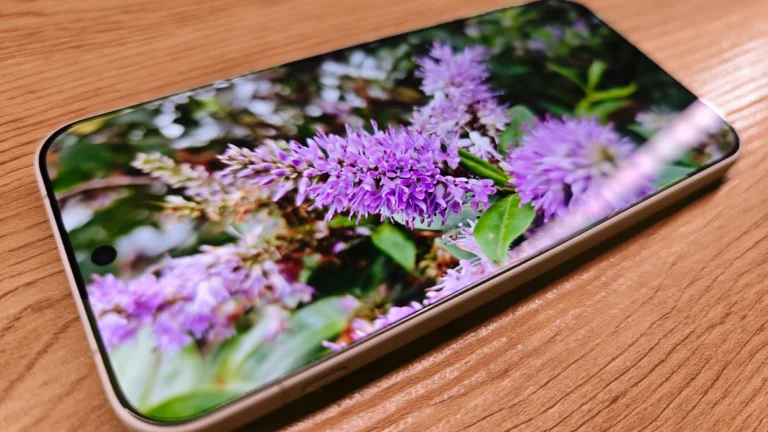
In real-world use the Agni 4 appears to stand out in responsiveness. Users report fast app-opening, smooth navigation and minimal lag when multitasking heavy apps. The 120 Hz screen helps deliver smoother animations and scrolling compared to typical 60 Hz or 90 Hz panels found in many Vivo mid-range phones. In contrast, some Vivo devices show more frame time variance during heavy switching between apps or gaming sessions.

When gaming or running benchmark-type loads the difference becomes more evident. While exact published numbers vary, spec listings show the Agni 4 achieving high scores on AnTuTu and other synthetic tests—placing it ahead of typical Vivo mid-range models. For instance one comparison shows the Agni 4 vs Vivo V60e listing where Agni 4’s chipset is described as MediaTek Dimensity 8350 vs the Vivo’s Dimensity 7360 Turbo, giving the Agni strong headroom in performance.
That said, speed isn’t only about raw hardware. Thermal management, software optimisation and memory/ storage bandwidth all matter. The Agni 4 features a large VC liquid-cooling (vapour-chamber) system which helps sustain speed under load. While many Vivo mid-range phones manage everyday tasks well, under prolonged high-load conditions you may start to see performance dampening.
Battery and charging affect perceived speed too. If a phone slows when warm or battery is low, the experience will feel slower even if specs are high. The Agni 4’s 5,000mAh battery and 66W fast-charging claim help it remain ready for heavy use without undue slowdowns. If a Vivo mid-range phone uses larger battery but slower charging and older storage/RAM, you might feel more sluggish when heavily using it.
For typical users who open social apps, stream content, browse and perform daily multitasking, both phones perform adequately. The difference becomes more meaningful when you push to heavy tasks: 3D gaming, video editing, rapid app switching or demanding workflows. In those cases the Agni 4 clearly outpaces many Vivo mid-range models.
To summarise: if speed, responsiveness and future-proofing are your key priorities, the Agni 4 offers a meaningful advantage in mid-range territory. If your usage is lighter and you prioritise other features or cost, a well-optimised Vivo mid-range phone will still serve you well, albeit with slightly less headroom.