LAVA Agni 4 vs Redmi 15 which is better for gaming
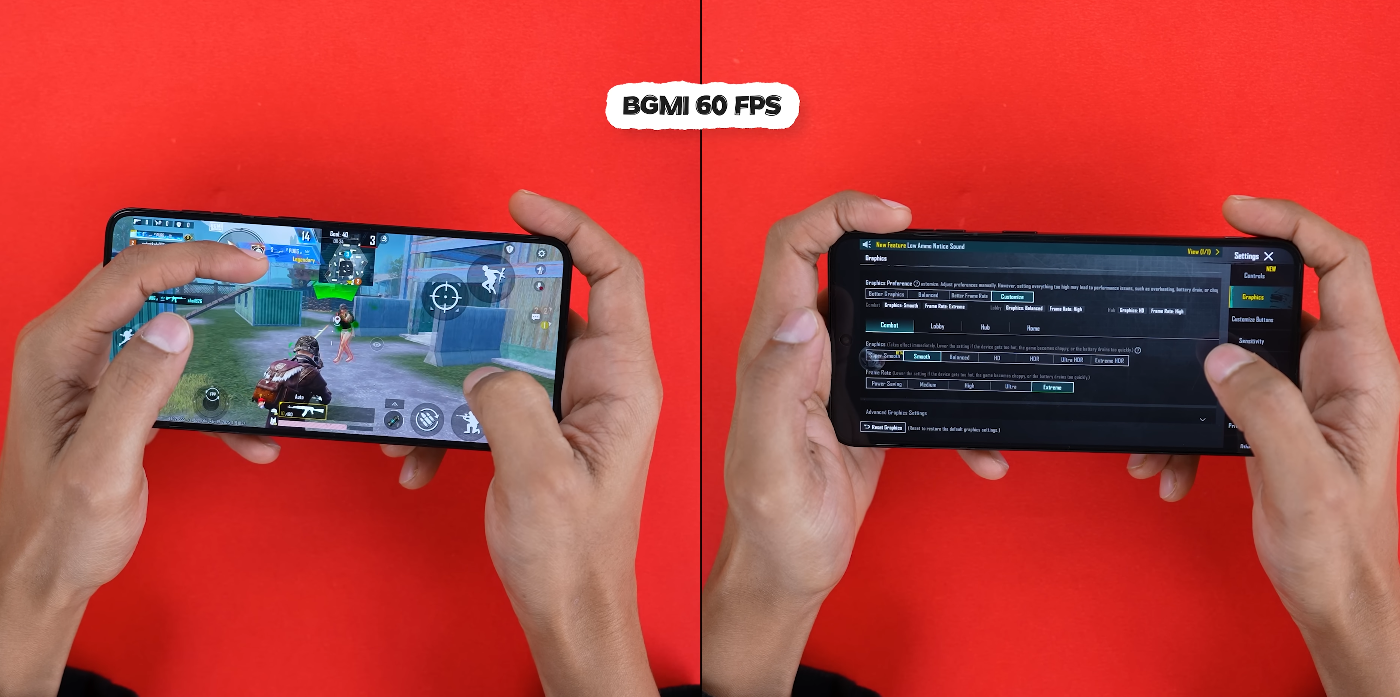
Gaming Performance Comparison for Real Users
The Lava Agni 4 and Redmi 15 target different segments, yet both attract buyers who want smooth gaming without spending flagship money. Their processors, displays and thermal behaviour influence how well they handle modern games. Real-world gaming tests show clear differences in speed, stability and visual quality. This comparison focuses on how each phone performs in demanding titles and longer gaming sessions.
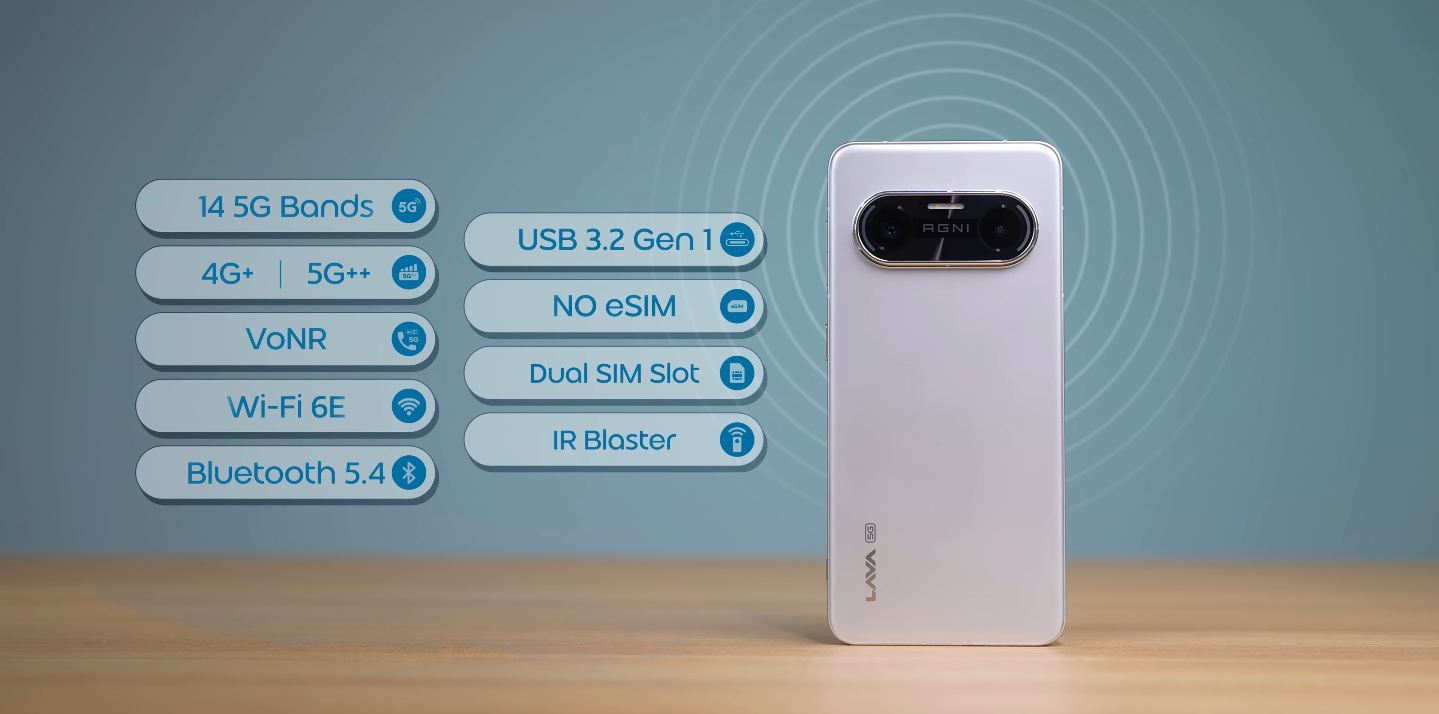
The Agni 4 uses a newer mid-range chipset built on a more efficient 4 nm process, helping deliver higher sustained performance in games. Heavy titles load quickly and maintain stable frame rates when settings are kept at medium to high levels. The improved power efficiency also helps manage heat better during continuous play. This makes the device suitable for long sessions without rapid slowdowns.
Redmi 15, on the other hand, uses a lighter processor aimed at casual use. It handles basic and mid-level games smoothly but begins to show frame dips in more demanding titles. High graphics settings can cause the phone to warm up faster, which affects consistency. For casual players this is not an issue, but those focusing on high-detail gaming will spot performance gaps compared with the Agni 4.
The display plays a major role in gaming feel, and the Agni 4 benefits from an AMOLED panel with 120 Hz refresh rate. The colours appear richer and movement feels smoother, which enhances gameplay in action titles and racing games. Touch response is quick and maintains accuracy even in high-speed scenarios. This helps the user perform well in competitive environments.
Redmi 15 offers a higher refresh rate in certain variants, but the LCD panel cannot match the contrast and vibrancy delivered by AMOLED. Bright scenes look fine, but darker game environments appear flatter. Touch response remains good, yet the overall visual depth does not feel as immersive. For users who value colour quality in games, the difference becomes noticeable.
Thermal performance also separates the two phones. The Agni 4 manages heat better, allowing it to retain stable speeds even after long play sessions. The cooling system distributes heat evenly, preventing sudden throttling. This makes it more reliable for games that involve continuous action, such as shooters or large open-world titles.
Redmi 15 benefits from a larger battery, which extends gaming time before plugging in. However, during very long gaming sessions heat buildup becomes more visible. Once temperatures rise, performance drops slightly to maintain safe levels. This impacts frame delivery and reduces smoothness, especially in high-intensity games that push the processor.
In terms of loading speed and asset handling, the Agni 4’s faster storage offers an advantage. Large game files load quickly and transitions between game menus feel responsive. This helps reduce waiting times when switching maps or restarting levels. Multitasking also remains stable, allowing background apps to stay active without closing unexpectedly.
Redmi 15 performs reliably in lighter tasks and simple games but shows slower loading times with larger titles. Storage and memory performance are adequate for general usage, yet not tuned for heavy game libraries. When switching between multiple games or apps, the system may pause briefly before resuming full speed.
Battery endurance differs in practical usage. The Agni 4 offers good efficiency and can handle long sessions, though it cannot match the larger capacity of the Redmi 15. The Redmi device lasts longer under continuous gameplay, making it useful for users who spend extended hours gaming without breaks. However, the Agni 4 compensates by offering faster charging to recover power quickly.
Overall, the Lava Agni 4 provides better gaming performance for users who prioritise speed, stability and graphics quality. It handles demanding titles more effectively and maintains smoother gameplay over longer periods. The Redmi 15 suits casual gamers who value longer battery life and basic smoothness but does not deliver the same level of control or visual experience.
For users looking for strong gaming performance and reliable long-term stability, the Agni 4 stands out as the better option.
Also Read: OnePlus 15 vs Samsung Galaxy S25 — UK buyers: which one should you pick?