LAVA Agni 4 vs Poco X series midrange comparison

Mid-range performance comparison for UK buyers
The LAVA Agni 4 and the POCO X-series target the same mid-range audience but take very different approaches. For UK users who value balanced performance, strong features and long-term usability, both phones deliver solid offerings with some notable differences worth considering.
The Agni 4 focuses heavily on premium-leaning specifications, offering a high-resolution 1.5K AMOLED display, 120Hz refresh and fast UFS storage. In day-to-day use the phone feels smooth, with the chipset handling multitasking comfortably. The POCO X-series models, including the X6 and X7 line, prioritise performance efficiency and software stability, often giving a slightly more refined experience in sustained workloads.
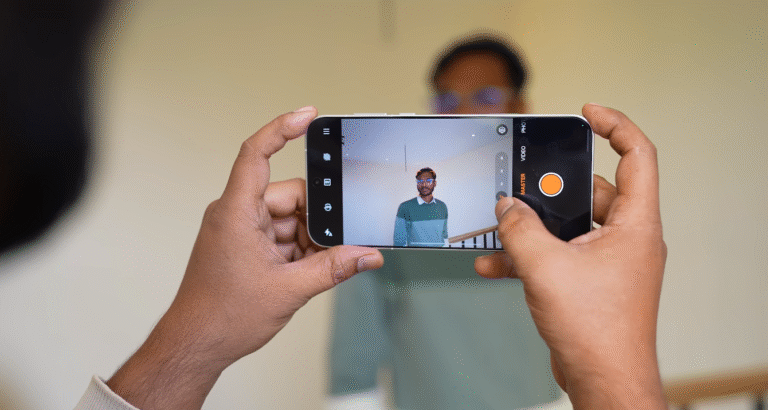
Camera performance separates the two in important ways. The Agni 4 features a 50MP main sensor with OIS, supported by an 8MP ultra-wide lens and a 50MP selfie camera. In good lighting the camera produces sharp images, and stabilisation helps with video recording. POCO’s X-series, on the other hand, tends to offer more mature image processing, resulting in more consistent colours and better balance across its lenses.

Low-light photography shows both strengths and weaknesses. The Agni 4 can capture usable results but often shows more noise, particularly on the ultra-wide camera. POCO’s X-series generally handles shadows and indoor lighting with better tuning, though it still cannot match higher-end phones. UK users who frequently take photos in pubs, restaurants or evening city settings may appreciate POCO’s overall consistency.
Display quality is an area where the Agni 4 holds a noticeable advantage. Its 1.5K panel looks crisp and vibrant, especially when browsing or streaming. Peak brightness levels also make outdoor use comfortable. POCO’s X-series screens remain strong for the price and offer accurate colours, but the Agni 4’s higher resolution gives it a slight edge for sharpness-focused tasks such as reading and content creation.
Battery performance is dependable on both sides. The Agni 4 features a 5,000mAh battery with 66W fast charging, providing enough endurance for a full day even with heavier camera use. POCO X-series devices traditionally maintain excellent battery life with efficient chipsets and competitive fast charging. For UK commuters or travellers, both deliver the reliability needed for full-day use.
Software experience marks another clear difference. The Agni 4 leans toward a cleaner interface with fewer pre-installed apps and a simpler layout. This appeals to users who prefer a straightforward Android experience. POCO’s X-series operates within the larger Xiaomi ecosystem, offering more features, customisation and tighter integration with accessories. Some will appreciate this flexibility, while others may find it busier.
For UK buyers, availability and after-sales support often influence purchasing decisions. POCO enjoys strong visibility in UK online stores, easier warranty handling and wider accessory options. The Agni 4, depending on market availability, may require importing, which can complicate support, although the hardware value remains appealing for those comfortable with that trade-off.
Performance during gaming or extended multitasking remains stable on both devices. The Agni 4’s chipset delivers smooth gameplay in mainstream titles and handles AI features without major slowdowns. POCO’s X-series typically performs slightly better under sustained heavy load due to refined optimisation, making it a strong choice for users who frequently run demanding apps.
Overall the LAVA Agni 4 shines for those who prioritise high-quality display, strong main camera hardware and clean software. POCO’s X-series excels in consistency, ecosystem support and UK-friendly availability, making it a safer all-rounder for most users. The final decision depends on whether you value raw specifications or long-term convenience within the local market.