JPMorgan Closes Trump’s Accounts After January 6 Attack
JPMorgan’s Decision to Close Trump’s Accounts: A Reckoning
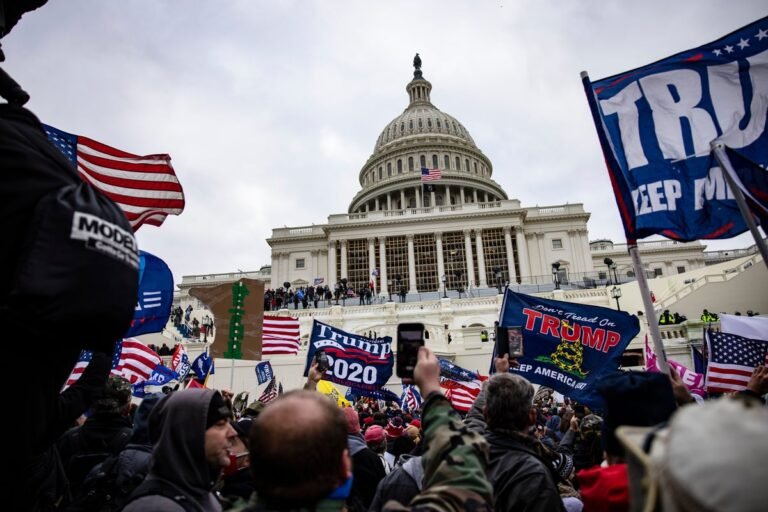
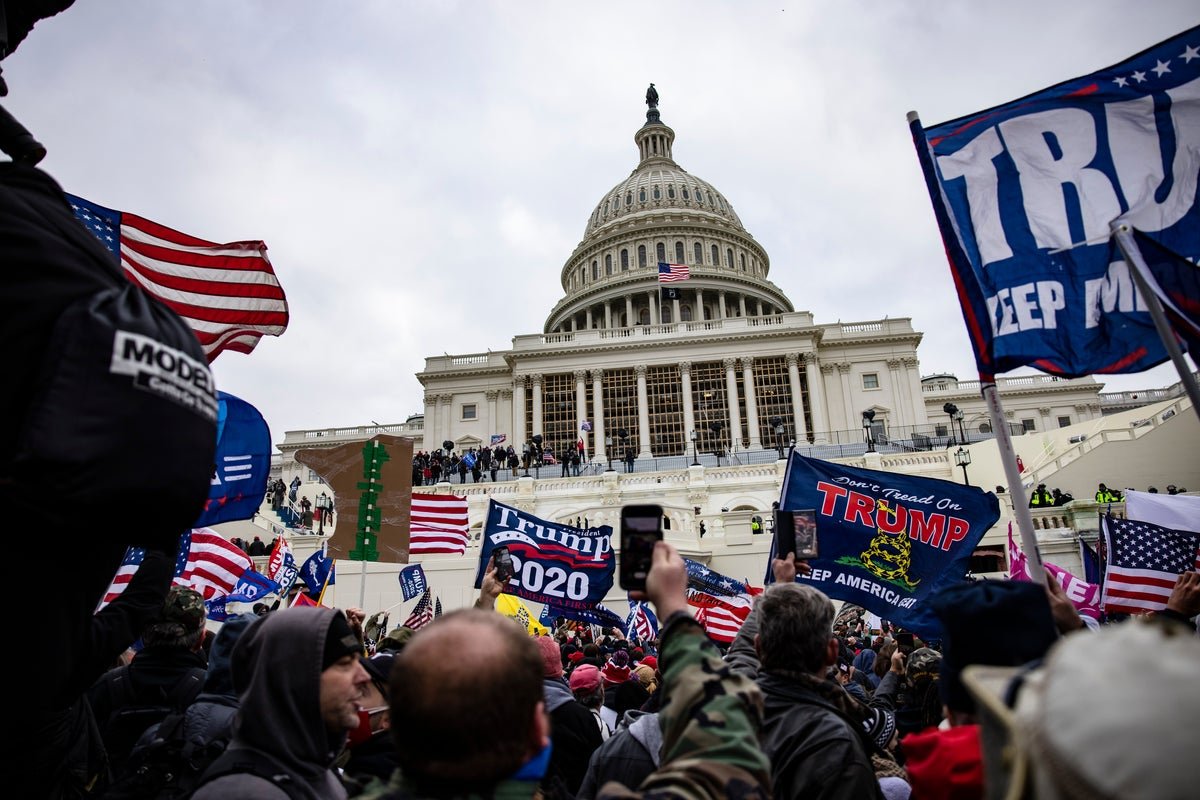
JPMorgan has conceded that it closed Donald Trump’s accounts following the January 6 attack on the US Capitol. This move marks a significant shift in the bank’s stance towards the former President. The decision to close Trump’s accounts was likely influenced by the bank’s desire to distance itself from his controversial behaviour. The aftermath of the attack saw widespread condemnation of Trump’s actions.
The bank’s decision to sever ties with Trump is a notable example of how financial institutions are re-evaluating their relationships with high-profile clients. In recent years, banks have faced increasing pressure to analyse their clients’ activities and ensure they align with their values. This trend is likely to continue, with banks prioritising their reputation and social responsibility. JPMorgan’s move may prompt other banks to re-examine their relationships with controversial figures.
The closure of Trump’s accounts has sparked a heated debate about the role of banks in politics. While some argue that banks should remain neutral, others believe they have a responsibility to promote ethical behaviour. The incident highlights the complex and often fraught relationship between finance and politics. As banks navigate this complex landscape, they must balance their business interests with their social and moral obligations. The decision to close Trump’s accounts is a significant development in this ongoing saga.
The incident has also raised questions about the impact of banks’ decisions on democracy. Some argue that banks’ actions can have a profound influence on the political process, while others believe their role is limited. The controversy surrounding Trump’s accounts has sparked a wider debate about the intersection of finance and politics. As the situation continues to unfold, it is likely that banks will face increasing scrutiny over their relationships with high-profile clients. The public will be watching closely to see how banks respond to these challenges.
Furthermore, the closure of Trump’s accounts has significant implications for the banking sector as a whole. It highlights the need for banks to develop clear policies and guidelines for dealing with controversial clients. The incident also underscores the importance of transparency and accountability in banking. As the industry continues to evolve, it is likely that banks will face increasing pressure to demonstrate their commitment to ethical behaviour. The decision to close Trump’s accounts is a significant step in this direction.
In conclusion, JPMorgan’s decision to close Trump’s accounts marks a significant turning point in the relationship between banks and high-profile clients. The incident highlights the complex and often fraught nature of this relationship and the need for banks to balance their business interests with their social and moral obligations. As the banking sector continues to navigate this complex landscape, it is likely that we will see further developments in this ongoing saga. The public will be watching closely to see how banks respond to these challenges and how they prioritize their values and reputation.