Japan Offers Incentives to Samsung and SK Hynix to Build Memory Fabs
Japan’s Bid to Attract Samsung and SK Hynix: Can Incentives Seal the Deal?
The Japanese government is eager to expand its onshore production capabilities, and it’s pulling out all the stops to attract investment from giants like Samsung and SK Hynix. With the global semiconductor landscape evolving rapidly, Japan is keen to make chip production a top priority.
The country’s administration is reportedly offering incentives that could reduce the total cost of ownership (TCO) of memory fabs by more than 50%. This move is seen as a strategic attempt to bolster its domestic manufacturing sector and make it more competitive on the world stage.
The Japanese government’s efforts are reminiscent of the US CHIPS Act, which has contributed significantly to the growth of American manufacturing. By offering attractive proposals, Japan hopes to persuade Samsung and SK Hynix to set up shop on its shores.
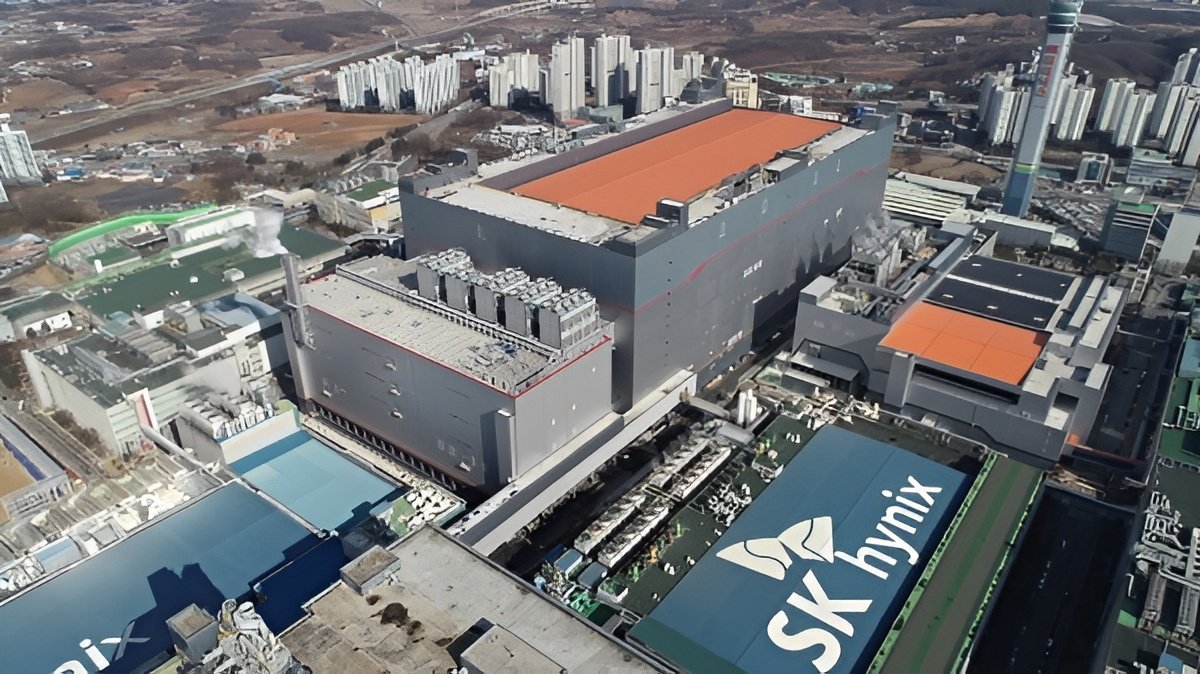
However, despite these overtures, the Korean giants seem hesitant to take the bait. According to a report by Chosun Biz, Samsung and SK Hynix are declining Japan’s ‘attractive’ proposals, citing various reasons for their decision.
The global semiconductor dynamics have changed dramatically in recent years, with nations like Japan and the US making chip production a matter of national security. As a result, the competition for investment and talent has intensified, with countries vying to establish themselves as leaders in the field.
Japan’s bid to attract Samsung and SK Hynix is just one part of its broader strategy to expand its onshore production capabilities. The country is keen to reduce its reliance on foreign-made chips and develop a more robust domestic manufacturing sector.
While the incentives on offer may be attractive, Samsung and SK Hynix are likely weighing their options carefully. With the global semiconductor market expected to continue growing in the coming years, the Korean giants will need to make strategic decisions about where to invest and how to expand their operations.
As the situation continues to unfold, it will be interesting to see how Japan’s efforts to attract foreign investment play out. Will the country’s incentives be enough to persuade Samsung and SK Hynix to change their minds, or will they continue to look elsewhere for opportunities?
Only time will tell, but one thing is certain – the global semiconductor landscape will continue to evolve rapidly in the years to come. As nations like Japan and the US prioritize chip production, the competition for investment and talent will only intensify.
The Japanese government’s support and incentives are a testament to the country’s commitment to developing its domestic manufacturing sector. By offering attractive proposals and reducing the TCO of memory fabs, Japan is sending a clear message to the industry – it’s open for business and ready to compete on the world stage.
As the semiconductor industry continues to grow and evolve, it will be fascinating to see how Japan’s efforts to attract foreign investment play out. Will the country’s incentives be enough to seal the deal, or will Samsung and SK Hynix continue to look elsewhere for opportunities?
The future of the global semiconductor industry is uncertain, but one thing is clear – Japan is keen to play a major role in shaping its future. With its incentives and support, the country is poised to become a key player in the years to come.