Graphics Card Costs Climb in the UK Despite Slowing PC Sales
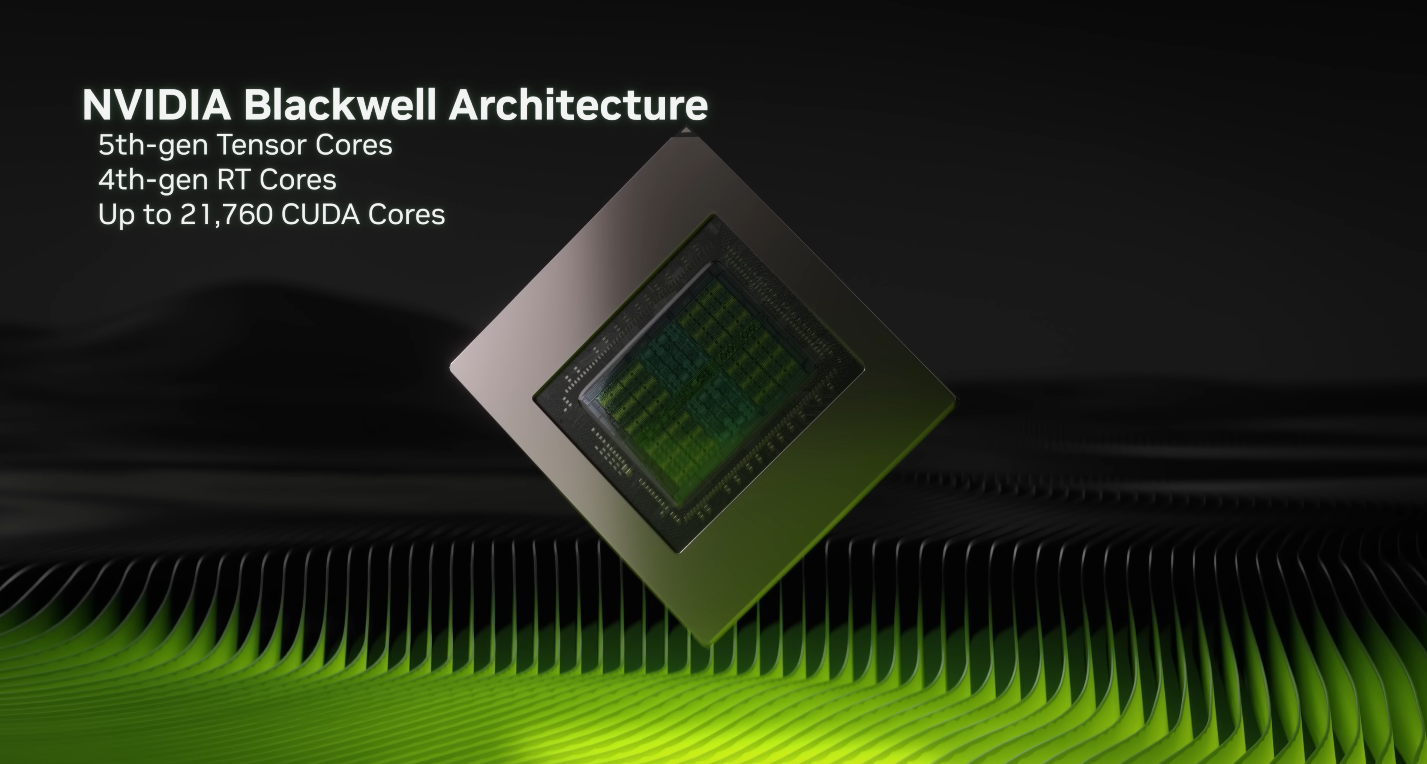
UK GPU Market Faces Ongoing Price Pressure
Graphics card prices in the UK have continued to rise even as overall PC sales show signs of slowing. Retail data indicates that demand for new desktops and laptops has softened compared with previous years, yet GPU pricing has remained stubbornly high. This disconnect is frustrating consumers who expected lower demand to translate into more affordable hardware.
Industry experts point to persistent global supply constraints as the main reason prices have not eased. Graphics cards depend on advanced semiconductor manufacturing and specialised memory, both of which remain in limited supply worldwide. Even with weaker PC sales, the availability of GPUs has not increased enough to drive meaningful price reductions.
A major factor influencing prices is continued competition for chips from non-consumer sectors. Data centres, artificial intelligence platforms, and cloud service providers are consuming large volumes of high-performance processors. Manufacturers often prioritise these customers due to long-term contracts and higher margins, leaving fewer units available for consumer graphics cards.
UK retailers report that high-end GPUs are particularly affected by constrained supply. Enthusiast-level models frequently sell out shortly after restocking, allowing sellers to maintain elevated prices. Mid-range cards, traditionally seen as better value, have also experienced gradual increases, reducing affordable options for mainstream buyers.
The slowdown in PC sales is largely attributed to cost-of-living pressures and longer upgrade cycles. Many consumers are holding onto existing systems for longer, as recent hardware remains capable for everyday use. However, those who do choose to upgrade often prioritise graphics performance, keeping demand for GPUs stronger than the wider PC market.
Manufacturers have acknowledged the challenging market conditions but remain cautious in their outlook. Investments in new fabrication plants and advanced processes are underway, yet these projects require years to deliver meaningful capacity. In the short term, production limitations continue to restrict the flow of graphics cards into the UK market.
Currency movements and higher operating costs have also influenced UK pricing. Import costs, energy prices, and transportation expenses remain higher than in previous years. These factors add to the final retail price of graphics cards, limiting the impact of softer consumer demand on overall pricing trends.
System builders and PC retailers are adapting by adjusting product ranges and offering fewer configuration options. Some have shifted focus toward refurbished systems or older GPU models to meet budget-conscious demand. Even so, margins remain tight, and significant discounts on new graphics cards are still rare.
Analysts suggest that the current pricing environment reflects a new market reality rather than a temporary imbalance. Graphics cards are now central to a wide range of industries beyond gaming, sustaining long-term demand. As a result, prices are expected to stay elevated even if traditional PC sales continue to decline.
For UK consumers, the outlook remains mixed. Slower PC sales alone are unlikely to bring GPU prices down in the near future. Until global chip supply expands and competitive pressures ease, higher graphics card costs are set to remain a defining feature of the UK hardware market.