GPU Prices Continue to Rise in the UK as Demand Outpaces Supply
UK Consumers Face Persistent Graphics Card Cost Inflation
The UK has seen graphics card prices climb sharply as global demand for GPUs continues to exceed available supply. GPU shortages are affecting the cost of consumer and gaming hardware across the country and beyond, driven by structural pressures in the semiconductor market. The situation echoes earlier pandemic-era scarcity but is now fueled by enterprise-level demand and supply chain shifts.
Advanced GPUs remain scarce at typical retail prices, with many UK buyers finding models marked well above their Manufacturer’s Suggested Retail Price. Recent international reports note that even flagship cards have experienced significant price surges, in some cases increasing by substantial percentages within months. Retailers are struggling to maintain stock, and many UK enthusiasts report high street and online listings reflecting elevated cost levels.
A major factor behind these rising UK GPU prices is the ongoing global memory supply shortage that began in 2024. Production capacity for essential DRAM and high-bandwidth memory used in GPUs has been reallocated towards data centre and AI infrastructure projects, leaving fewer components available for consumer products. This has led to sharp memory cost increases, which in turn push up the price of finished GPUs.
Memory suppliers around the world have confirmed price hikes as strong data centre and AI demand persists, meaning the ingredients of GPUs are becoming more expensive to procure. These cost pressures are compounded by geopolitical tensions and strategic capacity decisions by major manufacturers, further squeezing the availability of critical components.
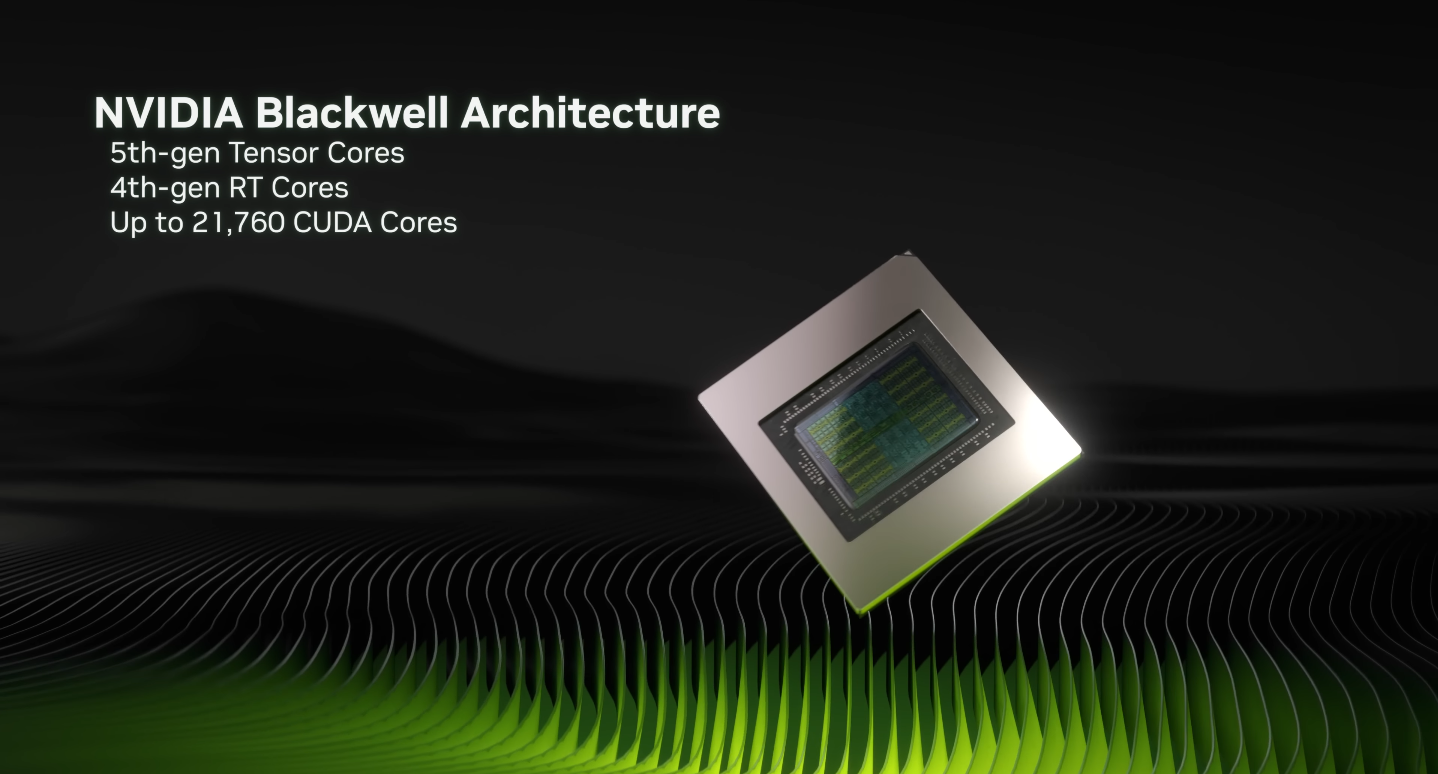
Both AMD and Nvidia have signalled higher pricing for upcoming GPU lines, with indications that several next-generation consumer cards will debut at higher price points in the UK and globally. AMD has already communicated expected price increases to partners, and industry analysts expect these trends to continue into 2026 as supply remains constrained.
UK gamers and PC builders are feeling the pinch as mid-range graphics cards, typically the backbone of mainstream gaming rigs, are being priced above historical norms. Some of the cards most sought after by consumers have limited availability, contributing to elevated retail and second-hand prices within the UK market.
The structural nature of the current GPU demand means these pressures may persist, rather than representing a short-term spike. Market analysts note that the shift away from typical consumer demand towards enterprise-driven usage for GPU-level compute is creating a new baseline for prices that retailers and manufacturers are adjusting to.
In response to the shortage, some manufacturers are prioritising production of models that offer higher profit margins per unit of memory used, potentially sidelining more affordable cards. This allocation strategy can exacerbate scarcity in the UK and other regions for certain GPU segments, reinforcing upward price momentum.
Efforts by UK retailers to offer deals and bundle incentives have had limited impact on overall prices, as wholesale costs remain high and supply unpredictability persists. For many UK consumers, waiting for prices to normalise may not yield relief in the short term, given the global nature of the supply constraints.
As the GPU market continues to adapt to these demand-supply imbalances, UK technology buyers are advised to manage expectations regarding cost and availability. The combination of memory shortages, enterprise demand, and shifting production priorities suggests that GPU prices in the UK are likely to remain elevated for the foreseeable future.
Overall, the era of easily accessing high-performance graphics cards at recommended retail prices appears to be behind UK consumers, replaced by a landscape where strong demand and constrained supply set a new, higher price standard.