GPU Price Surge in the UK Raises Concerns for Budget PC Builders
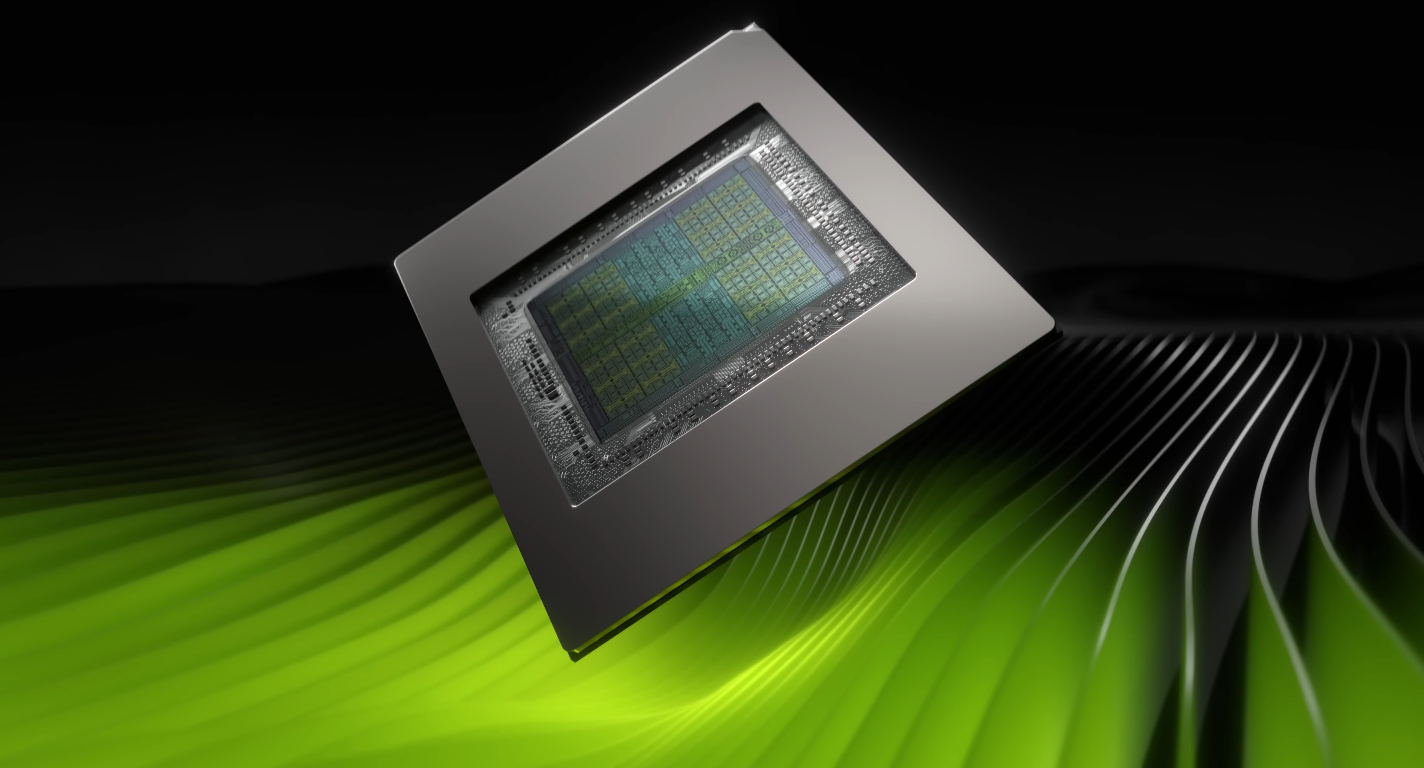
Rising Costs Put Pressure on Affordable PC Builds Across Britain
Graphics card prices across the UK have risen sharply again, causing growing concern among budget PC builders and first-time buyers. Retail data shows that both entry-level and mid-range GPUs are now selling well above expected price ranges. The renewed inflation reflects tightening stock levels and persistent strain within the global semiconductor supply chain.
UK retailers report reduced availability of popular graphics cards, with restocks arriving less frequently and in smaller volumes. Suppliers are prioritising higher-margin products and enterprise orders, leaving fewer affordable options for everyday consumers. As a result, budget builders are finding it increasingly difficult to source suitable GPUs without exceeding planned spending limits.
One of the main drivers behind rising prices is continued pressure on memory supply used in graphics cards. Manufacturers have redirected production capacity towards high-performance memory for artificial intelligence and data-centre hardware. This shift has reduced supply for consumer GPUs, pushing up production costs that are passed directly to UK buyers.
Budget-focused PC builders are particularly affected because graphics cards represent a large portion of total system cost. Even modest increases can disrupt carefully balanced builds designed around affordability. Many entry-level systems now cost significantly more than they did a year ago, despite offering similar performance levels.
The impact extends beyond gaming, affecting students, creatives, and hobbyists who rely on GPUs for editing, design, and technical coursework. Higher prices are forcing some users to delay upgrades or compromise on performance. This trend risks widening the gap between those who can afford modern hardware and those priced out of the market.
Second-hand and refurbished GPUs have seen increased interest as buyers look for alternatives to new retail pricing. However, used prices have also risen due to stronger demand and limited supply. This has reduced the value advantage of pre-owned components, offering little relief for cost-conscious builders.
UK system builders and independent retailers note that bundled deals and financing options are becoming more common. While these measures help spread costs, they do not address the underlying issue of inflated hardware pricing. Many consumers remain cautious, waiting for signs of stabilisation before committing to purchases.
Industry analysts suggest that the current situation reflects a longer-term structural change rather than a short-term spike. Strong demand for AI hardware is expected to continue, keeping pressure on GPU production and availability. Without significant expansion in manufacturing capacity, prices are unlikely to return to previous lows soon.
For budget PC builders in the UK, careful planning has become essential in navigating the current market. Choosing older-generation components or delaying builds may help reduce costs in the short term. Until supply conditions improve, affordability concerns are expected to remain a defining challenge for entry-level PC building.