Google Pixel Tag Review
Introduction to Google Pixel Tag
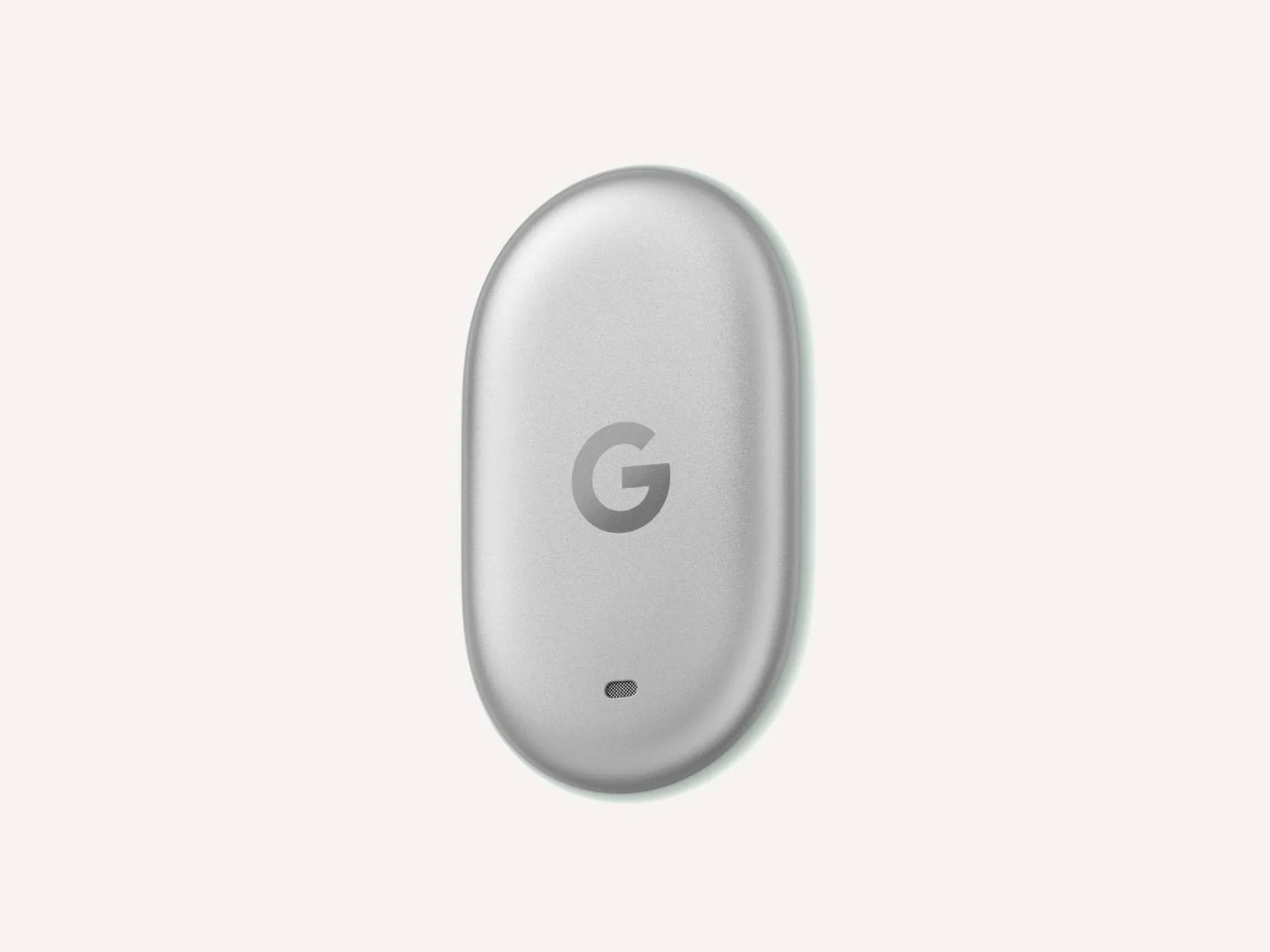
Google has announced its first Bluetooth tracker, the Google Pixel Tag, alongside the Pixel 11 phones. The device has a couple of drawbacks for some users, but it also has a big advantage over the Apple AirTag. The Pixel Tag doesn’t launch until later this year, but some specifications have caught my eye, and not in a good way.
While you’ll only need to be on Android 9 or later to use one, other features might be out of your reach. It’s certainly good news that the Pixel Tag has Ultra Wideband technology, which means you can get precise close-range tracking, but your phone needs to have it too. The new Pixel 11 phones are compatible, as are flagship Pixel 10 phones, such as the Pixel 10 Pro.
Compatibility Issues
However, the Pixel 10a and everything non-Pro in the Pixel 9 series or older, like the Pixel 9 and Pixel 9 Pro, lack Ultra Wideband. That’s just using Google’s own Pixel phones as an example. Moving onto Bluetooth, the Pixel Tag has Bluetooth 6.0, and while phones with older versions will still work with the tracker, you’ll need this version on your mobile, as well as Android 16+, to get Channel Sounding for improved performance.
This one is even worse, as it rules out anything older than a flagship Pixel 10 series phone, like the Samsung Galaxy S23, while also eliminating the Pixel 10a. Although it’s a similar story with rivals such as the Motorola Moto Tag 2 and the Apple AirTag, it’s worth pointing out. Otherwise, you might assume that your Pixel 9, for example, would work fully with the Pixel Tag considering it’s only a couple of years old.
Removable Battery
Sadly, that’s not the case, but luckily there is a saving grace. Google has given the Pixel Tag a much-requested feature in the smart tracker world – a removable battery. The device will last for a year, and then you can simply put in a new CR2032 battery. That’s the very cheap coin/button style battery you may well have put in an analogue watch before, like a Fossil Gen 6 watch.
It’s a simple yet important choice, which ensures longevity while minimising e-waste. When the Pixel Tag arrives on 11 November, it will cost £29/$29 or £99/$99 for a pack of four. At launch, it only comes in one colour: Fog. The Pixel Tag can be used with a variety of devices, including the Apple iPad Air M2 and the Samsung Galaxy Tab S9.