
Overview
The Google Pixel 11 arrives at a time when incremental upgrades dominate the market. Priced around £879 in the UK and $899 in the US, it positions itself as a premium yet affordable flagship for users who want a well‑rounded device without chasing the latest gaming specs.
Design and Build
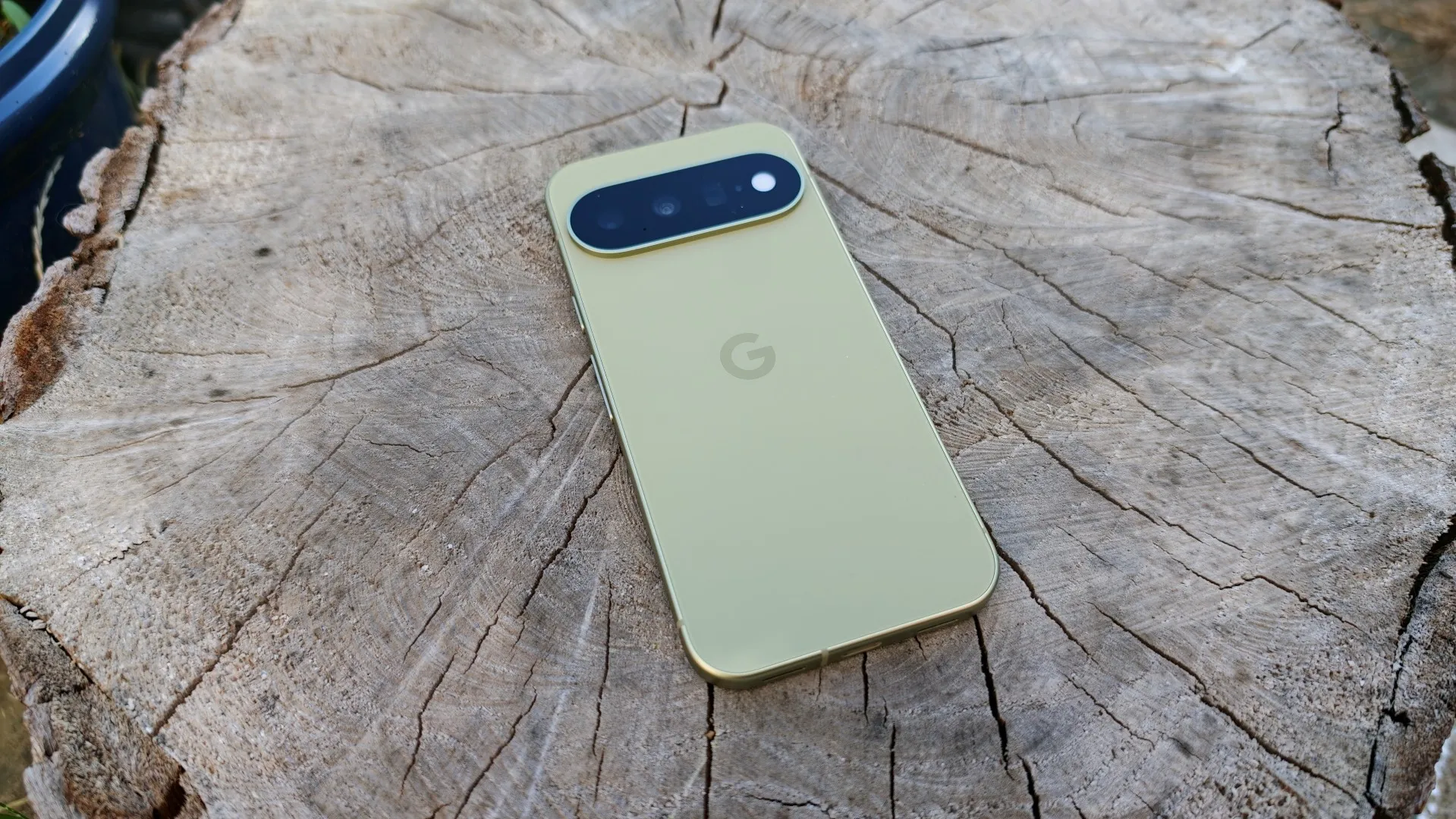
Pixel 11 keeps the familiar aluminium frame and Gorilla Glass Victus 2 front and back, but sheds 7g thanks to a slimmer camera bar. New colour options – Frost, Hibiscus and Pistachio – give a fresh look while the classic Obsidian remains for those who prefer a low‑key finish. At 197g and 152.8 × 72 × 8.6 mm the phone feels compact compared with the larger Samsung Galaxy S26, making it comfortable for one‑hand use.
Display and Audio
The 6.3‑inch OLED panel stays the same as the Pixel 10, delivering 3000 nits peak brightness and a smooth 120 Hz refresh rate. Real‑world testing measured about 945 nits with automatic brightness off. While the bezels are a touch thicker than rivals, the overall experience remains crisp. An in‑display ultrasonic fingerprint sensor and stereo speakers provide reliable security and clear sound, comparable to the audio setup on the Apple iPhone 15 Pro.
Performance and Storage
Under the hood the Pixel 11 runs Google’s Tensor G6 chip, built on a 3 nm process with a seven‑core layout that favours a fast ultra core for AI tasks. The GPU sees a modest bump over the G5, but the device is still aimed at everyday productivity rather than high‑end gaming. Storage starts at 256 GB – a notable increase – with an optional 512 GB variant, putting it ahead of the Pixel 10 and aligning it with competitors like the OnePlus Open.
Camera System
The camera array mirrors the Pixel 10: 48 MP main sensor, 13 MP ultrawide, 10.8 MP telephoto and a 10.5 MP front lens. The main sensor now uses a larger 1/1.56‑inch size and 1.0 µm pixels, offering roughly 56 % more light capture. While the hardware change is subtle, software features such as Magic Capture and the new AI‑driven Gemini Intelligence (currently US‑only) enhance real‑time photo and video processing. The result is natural colour and solid dynamic range, holding its own against the iPad Air M2 camera capabilities when used for quick snapshots.
Battery Life and Charging
Equipped with a 4985 mAh cell, the Pixel 11 delivers about 16 hours of mixed usage in PCMark testing – a slight improvement over its predecessor. Wired charging remains at 30 W, which feels slow compared with the 45 W offered by many Android rivals. Wireless charging, however, steps up to 25 W with magnetic alignment (Pixelsnap), compatible with Qi2.2 and even Apple MagSafe accessories, making it convenient for users of the Apple Watch Series 10 who already own MagSafe chargers.
Software, AI and Longevity
Running Android 17, the Pixel 11 benefits from Google’s promise of seven years of updates, keeping it future‑proof. The Gemini Intelligence suite brings system‑wide AI assistance, though full features are limited to the United States for now. The clean Pixel UI remains one of the most intuitive Android experiences, rivaling Samsung One UI and Oppo ColorOS for ease of use.
Verdict
For anyone with a two‑year‑old phone, the Pixel 11 offers a compelling mix of solid performance, excellent camera software and a comfortable form factor. It doesn’t push the envelope in raw power, but its upgraded storage, faster wireless charging and refined AI tools make the price increase feel justified. If you can find a discount – many retailers list it below the RRP – the Pixel 11 stands out as a reliable everyday flagship in 2026.