Europe’s Nuclear Deterrent: A New Era with Small Nukes
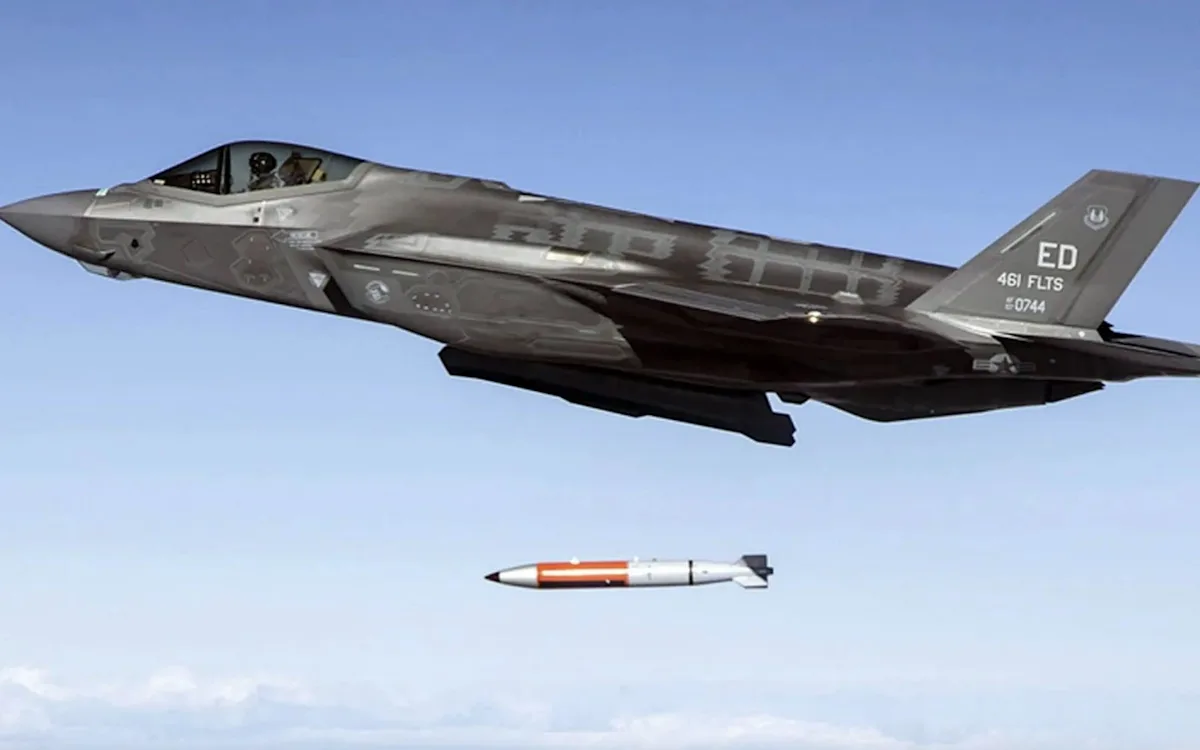
Creating a Deterrent with Small Nukes: Europe’s New Strategy
As the global landscape continues to evolve, Europe is faced with the challenge of creating its own deterrent to counter potential threats. One strategy being considered is the development of small nukes, which could provide a powerful yet flexible deterrent. This approach would enable Europe to respond effectively to emerging threats while minimising the risk of escalation.
The concept of small nukes is not new, but it has gained significant attention in recent years due to advances in technology. These smaller nuclear weapons are designed to be more precise and have a lower yield than traditional nuclear arms, making them a more viable option for Europe. By developing small nukes, Europe can enhance its defence capabilities and strengthen its position on the global stage.
However, the development of small nukes is not without its challenges. One of the primary concerns is the risk of proliferation, as these weapons could potentially fall into the wrong hands. To mitigate this risk, Europe must ensure that its small nukes are designed with robust safety features and that they are subject to strict controls and regulations. Additionally, Europe must engage in diplomatic efforts to prevent the spread of nuclear weapons and promote disarmament.
Despite the challenges, the development of small nukes could be a game-changer for Europe’s defence strategy. By providing a credible deterrent, Europe can reduce its reliance on other nations and enhance its ability to respond to emerging threats. Moreover, the development of small nukes could also stimulate innovation and drive economic growth, as new technologies and industries emerge to support the production of these weapons.
As Europe moves forward with its strategy, it is essential to consider the potential implications of small nukes on the global landscape. The development of these weapons could lead to a new era of nuclear deterrence, where nations rely on smaller, more precise weapons to counter threats. This shift could have significant consequences, including changes to the global balance of power and the potential for new alliances and conflicts.
In conclusion, the development of small nukes is a complex issue that requires careful consideration and planning. While there are challenges to be addressed, the potential benefits of small nukes make them an attractive option for Europe’s defence strategy. By investing in small nukes, Europe can enhance its defence capabilities, promote stability, and strengthen its position on the global stage.
Moreover, the development of small nukes could also have significant implications for the future of European security. As the global landscape continues to evolve, Europe must be prepared to adapt and respond to emerging threats. By developing small nukes, Europe can ensure that it remains a key player in global affairs and that its security is guaranteed for generations to come.
Furthermore, the development of small nukes could also lead to new opportunities for cooperation and collaboration between European nations. By working together to develop and deploy small nukes, European nations can strengthen their relationships and promote a sense of unity and purpose. This cooperation could also lead to the development of new technologies and industries, driving economic growth and innovation across the continent.
Ultimately, the development of small nukes is a critical issue that requires careful consideration and planning. While there are challenges to be addressed, the potential benefits of small nukes make them an attractive option for Europe’s defence strategy. By investing in small nukes, Europe can enhance its defence capabilities, promote stability, and strengthen its position on the global stage.