
Background and Motivation
In October 2026 a developer known as SmuOS announced a bold experiment: installing iOS 26 on a Microsoft Surface Duo, a discontinued Android foldable released in 2020. The goal was simple yet ambitious – give new life to a device that has not received an official update since September 2023 and prove that Apple’s open‑source XNU kernel can be adapted to run on non‑Apple hardware.
How the Port Works
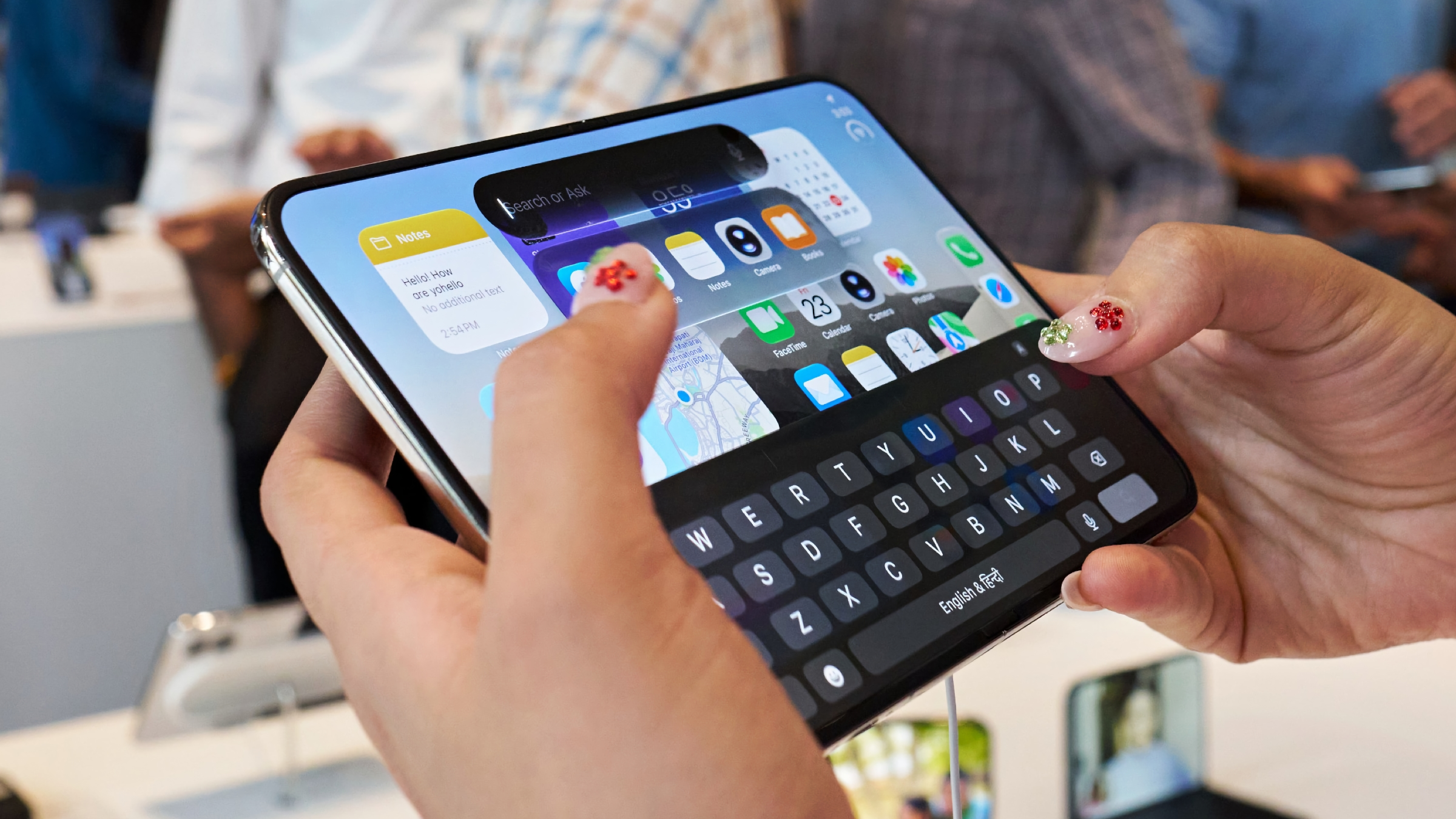
The project does not rely on traditional emulation. Instead SmuOS compiled Apple’s XNU kernel from the public GitHub repository and paired it with a custom UEFI loader. The loader boots the kernel on the Qualcomm Snapdragon processor inside the Surface Duo, which normally powers Android smartphones such as the Samsung Galaxy S25. By using the UniXNU project – an open‑source framework that enables iOS and macOS to start via UEFI on ARM64 platforms – the developer was able to present the iOS 26.5.2 setup screen on both halves of the foldable.
What the Device Shows
When the boot process completes the Surface Duo reports the model name iPhone 17 Pro Max, 5 GB of storage and placeholder values for serial number, Wi‑Fi MAC and Bluetooth address. The interface runs at roughly 37 FPS on each display, and touch input works across the entire screen area. Although the layout is not perfectly optimized for the Duo’s 8.1‑inch dual screens, the core apps – Settings, Safari and the Home screen – behave as they would on a genuine iPhone.
Technical Challenges
Porting iOS to an Android device required several non‑trivial steps. Apple devices use custom ARM64 silicon, while the Surface Duo relies on a Qualcomm Snapdragon chipset. SmuOS had to modify low‑level drivers, rewrite the power management code and create a compatible device tree. The UniXNU project supplied many of the missing pieces, but the developer still spent dozens of hours tweaking the kernel to recognise the Duo’s dual display, fingerprint sensor and USB‑C port.
Performance and Limitations
In real‑world testing the iOS build delivers acceptable performance for everyday tasks such as web browsing, messaging and media playback. However, graphics‑intensive games designed for the iPhone 17 Pro Max’s A17 Bionic chip run sluggishly, and certain hardware features – for example the Apple Pencil integration – are unavailable. SmuOS plans to experiment with the Surface Pen as a makeshift Apple Pencil in future builds.
Future Plans and Community Reaction
The developer estimates that the entire port took about two months from initial code checkout to a bootable image. The community response has been enthusiastic, with many tech enthusiasts sharing the X platform post and Windows Latest publishing the accompanying screenshots. SmuOS hinted at a next step: adapting the build for iOS 27 and exploring deeper integration of the Surface Pen, as well as possibly extending the approach to other foldables like the Samsung Galaxy Z Fold5.
Implications for Cross‑Platform Development
This experiment demonstrates that the barrier between iOS and Android is not as absolute as it appears. While Apple’s ecosystem remains closed for commercial use, the open‑source components of the XNU kernel enable hobbyists to explore cross‑platform possibilities. Projects such as UniXNU and the recent iOS on Windows efforts suggest a growing interest in running Apple software on diverse hardware, though legal and performance constraints remain significant.
Conclusion
By turning a Microsoft Surface Duo into a functional iPhone Duo, SmuOS has shown that with enough determination and open‑source tooling, even a discontinued Android foldable can host the latest iOS release. The result is not a perfect replacement for an Apple device, but it offers a fascinating glimpse into what is technically feasible when developers bridge the gap between two of the world’s biggest mobile platforms.