Considering a Return to Android from iPhone? Your UK Guide
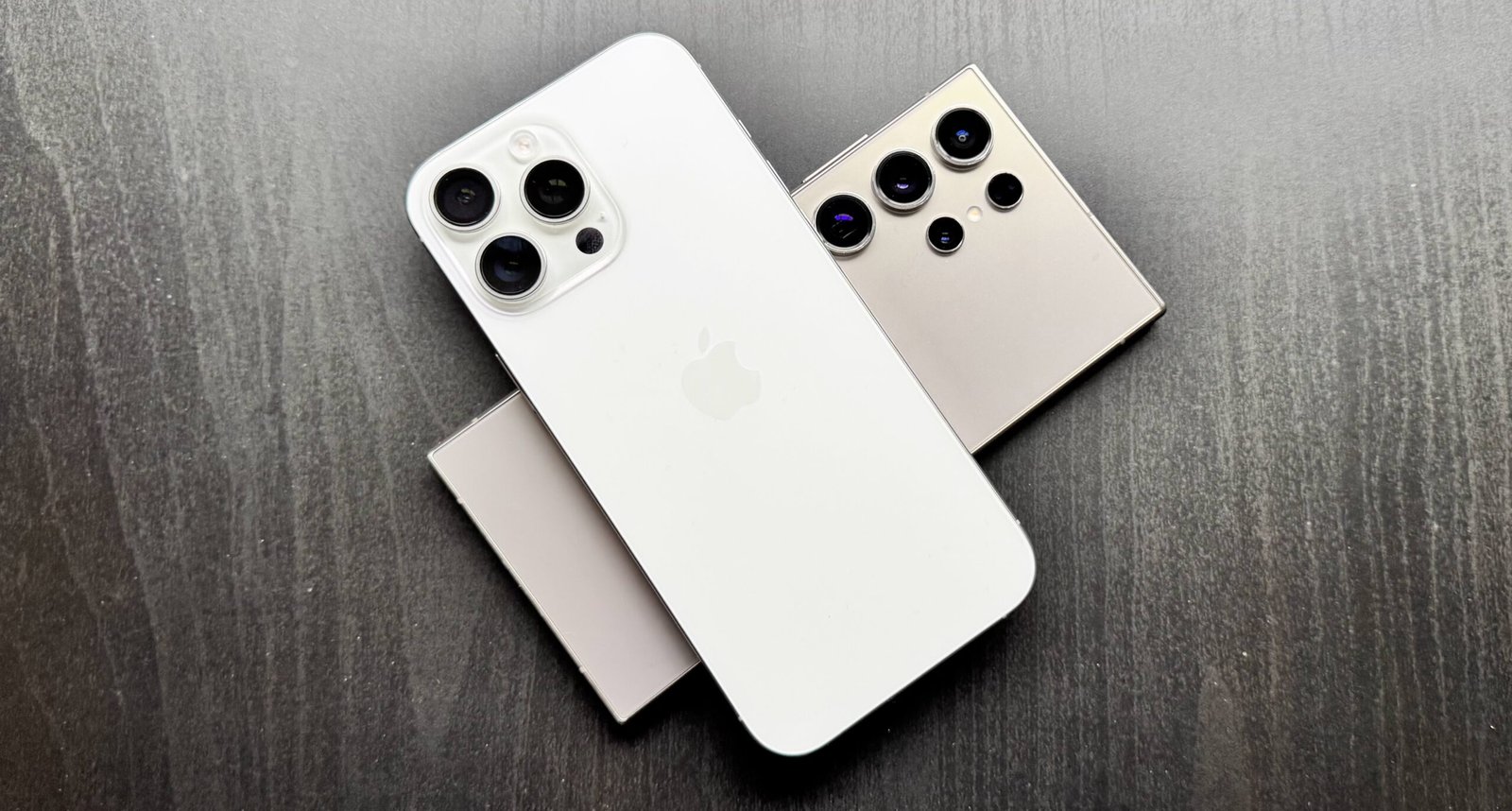
The iPhone vs. Android Conundrum: Making the Switch
For many devoted iPhone users across the UK, the thought of abandoning their beloved Apple device for a return to Android can feel like a significant betrayal. Yet, with Android phones consistently pushing boundaries in innovation, customisation, and value, it’s a question that frequently surfaces. This dilemma is more common than you might think, as individuals weigh up familiar comfort against enticing new possibilities.
The decision to switch operating systems is never straightforward, involving a careful consideration of numerous factors beyond just the hardware itself. It’s about the entire ecosystem, how you interact with your technology daily, and what truly matters most for your digital life. Are you yearning for more freedom, or do you cherish the seamless integration Apple offers?
One primary draw for former Android users, and even some curious iPhone owners, is the sheer variety and open nature of the Android platform. From budget-friendly options to high-end flagships, the market is saturated with devices offering unique features, designs, and specifications. This vast choice allows for a level of personalisation and specialisation simply not found within Apple’s more curated ecosystem.
Furthermore, Android’s robust customisation options are a significant magnet. Users can deeply alter their phone’s interface, from launchers and widgets to icon packs and notification settings, tailoring the experience precisely to their preferences. This level of control appeals greatly to those who feel constrained by the uniformity of iOS, seeking a more individualised digital environment.
Android often leads the charge in adopting new hardware innovations, such as advanced camera arrays, faster charging technologies, and unique form factors like foldables. This rapid evolution means that new, groundbreaking features frequently appear on Android devices before making their way, if at all, to the iPhone. For tech enthusiasts, this can be a compelling reason to make the leap.
The platform’s openness also extends to file management, allowing for easier drag-and-drop transfers with a computer and more flexible storage solutions. Sideloading apps from sources other than the official app store, while carrying its own risks, offers a freedom that iOS simply does not provide. This can be particularly appealing for those who want to experiment or use niche applications.
However, transitioning back to Android isn’t without its potential challenges, especially for long-term iPhone users. The perception of fragmentation, where updates can be inconsistent across different manufacturers and models, has historically been a concern, though it has improved significantly in recent years. Adjusting to a new user interface and navigation can also take some time.
For many, the perceived “premium” feel and consistent user experience of iOS are difficult to abandon. While Android flagships are incredibly polished, the sheer number of different devices means the overall user experience can vary more widely. App optimisation, particularly for some high-end games or specific niche applications, has sometimes been cited as superior on iOS.
Despite the tempting features of Android, the iPhone’s ecosystem retains a powerful hold over its users. The renowned simplicity and intuitive nature of iOS continue to be a major selling point, providing a consistent and easy-to-learn experience that many find reassuring. The integration between Apple devices, from iPads to MacBooks and Apple Watches, creates a seamless digital environment.
Privacy and security are often highlighted as core strengths of the iPhone, with Apple’s strong stance on user data resonating deeply with many consumers. Furthermore, the longevity of software support, ensuring even older models receive updates for many years, contributes to the iPhone’s excellent resale value, making it a sound long-term investment for many.
The established Apple ecosystem also includes features like iMessage, AirDrop, and FaceTime, which are deeply embedded in the social fabric for many UK users. Breaking away from these established communication norms can be a deterrent, making the switch feel more disruptive than just changing a phone. The ease of transferring data between Apple devices is another factor.
For some, the sheer familiarity and comfort of the iPhone interface, coupled with its reputation for reliability and premium build quality, are simply too compelling to overlook. They value the consistent experience, predictable performance, and the knowledge that their device will generally just “work” without much fuss or need for extensive customisation.
Ultimately, the choice to return to Android or remain with your iPhone hinges entirely on your personal priorities and how you use your smartphone. If you crave unparalleled customisation, a wider selection of hardware, and enjoy experimenting with new features, Android might be a refreshing change of pace. The freedom it offers can be incredibly liberating for tech-savvy individuals.
Conversely, if you value a highly integrated ecosystem, robust privacy features, consistent software updates, and a straightforward, intuitive user experience, then staying within the Apple fold might be the most sensible option. Consider your budget, your desire for control, and how much you value seamless cross-device compatibility before making your final decision. The best phone is always the one that best suits your needs.]
Also Read: Supergirl DCU Trailer: My Hopes and Hesitations for the Debut Teaser