Android 17: Why You Shouldn’t Get Too Excited
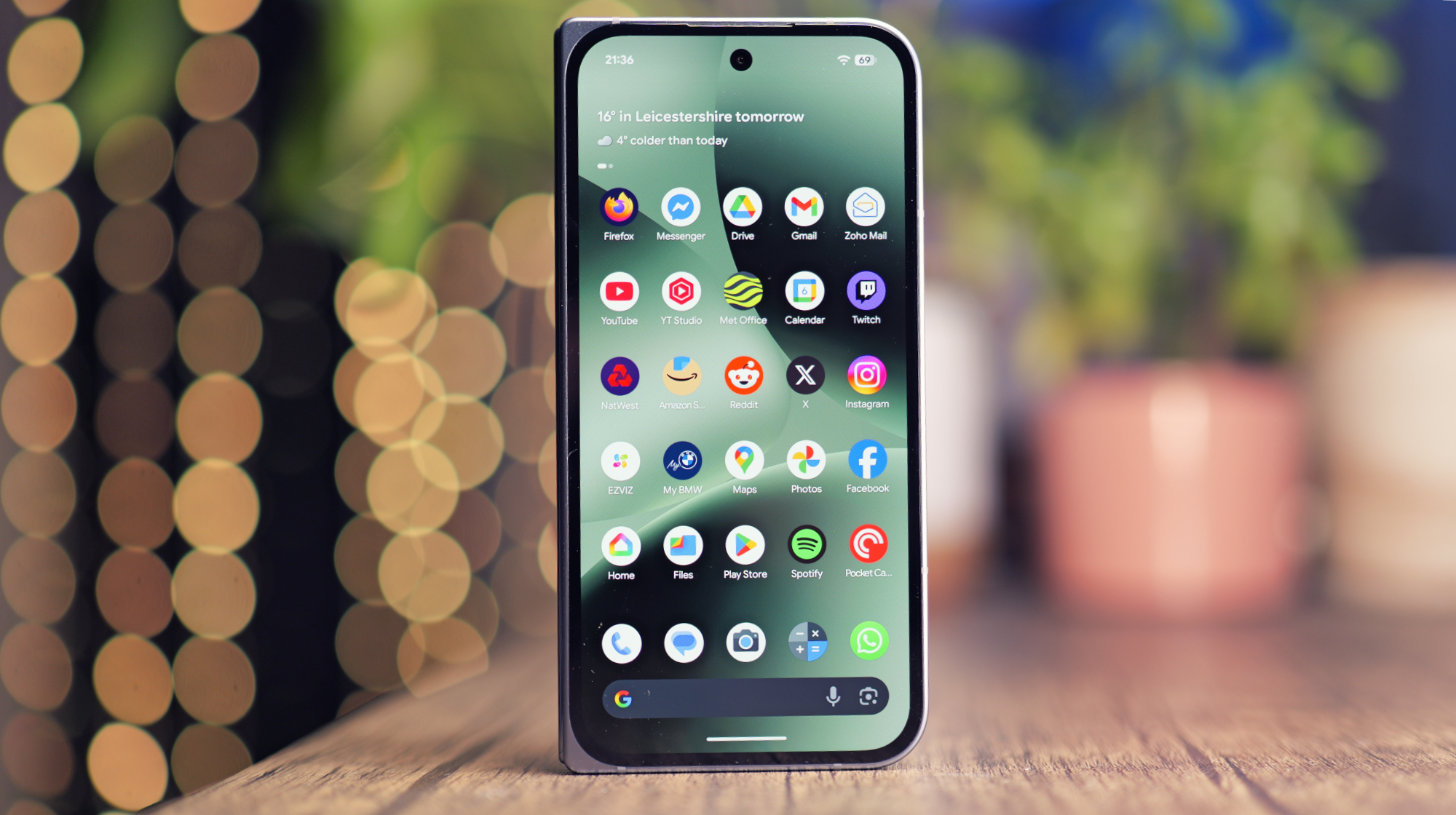
Android 17: A New Version, But Who Cares?
Android is almost two decades old, but it still suffers from the same big problem: slow updates. The latest version, Android 16, is only installed on 7.5 percent of all Android devices. This is a huge issue, as many users are left waiting for months or even years to get the latest features.
Personally, I’m excited for Android 17, but that’s because I use a Google Pixel phone, which gets updates quickly. However, for the vast majority of Android users, this is not the reality. They could be waiting months or even years to get Android 17, making it hard to get excited about new features.
The limited uptake of Android 16 has a huge impact on current Android phone owners, both now and into the future. Many of the recent Android features that would make the most difference to users’ lives have been limited to Pixel phones, which account for an estimated 2.24 percent of global market share.
Increasingly, software updates are all about bug fixes and security instead of new features. But that’s where another major issue arises: the huge fragmentation of Android’s user base. Over 10 percent of devices are running each of the last six major versions, dating back to Android 11 in 2020.
This fragmentation leads to a big unsupported phone issue. An unsupported phone is an insecure phone, without the security patches necessary to mitigate any threats. If your device gets a bug or is infected with malware, there’s no Android update coming to save you.
As I explained in my previous articles, the only way to use an unsupported phone safely is by not inserting a SIM card and never connecting to the internet. Otherwise, you’re putting your personal and private data at risk of being accessible to hackers.
Software support varies hugely depending on the Android phone you have, but a simple online search should tell you whether it’s still supported. If not, I’d urge you to buy a budget, mid-range or flagship handset that is. While Google is ploughing ahead with Android 17 development, many owners of older phones are being left out in the cold.
Keeping all of Android’s estimated 3.9 billion users completely safe is impossible, but a functioning, safe phone will always be more important than the latest version. So, when Android 17 makes its debut, don’t be surprised to see a lukewarm reaction. Many won’t even have Android 16 by then.