AMD Unveils Early Support for RDNA 5: Exploring the Future of GPU Architecture
AMD Unveils Early Support for RDNA 5: Exploring the Future of GPU Architecture
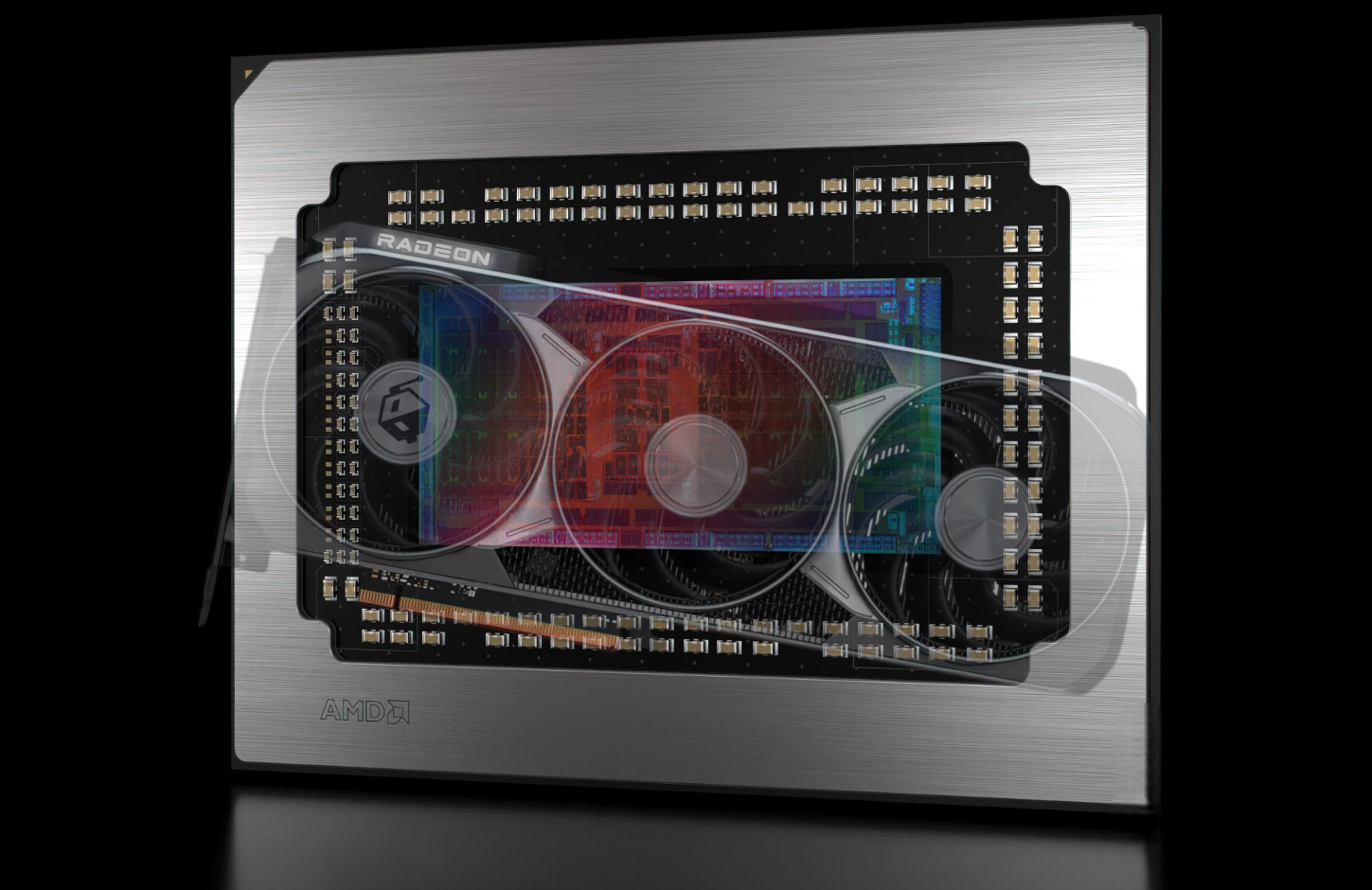
AMD has made a significant move by adding GFX13 to LLVM, a clear indication of their focus on the next-generation GPU architecture, dubbed RDNA 5. This development confirms that the company will indeed be continuing with the RDNA naming convention for its upcoming GPUs.
The latest leak, spotted by @Kepler_L2, reveals updates in the LLVM compiler stack, showcasing initial support for GFX13. This is a crucial step towards the release of next-gen GPUs, and it seems AMD is well ahead of the curve.
The confirmation of RDNA 5 as the next-gen architecture puts to rest earlier speculations about the possibility of UDNA being the chosen name. With this new information, it is clear that AMD will be building upon the success of its previous RDNA architectures.
As the tech community awaits the release of RDNA 5, it is essential to analyse the potential implications of this new architecture on the future of gaming and graphics processing. With AMD’s commitment to innovation, it will be exciting to see how RDNA 5 performs in real-world scenarios.
The addition of GFX13 to LLVM is a significant milestone, demonstrating AMD’s dedication to providing early support for its next-gen GPUs. This move is expected to pave the way for a seamless transition to RDNA 5, allowing developers to optimise their software and take full advantage of the new architecture.
As the GPU landscape continues to evolve, it will be fascinating to see how RDNA 5 competes with other architectures in the market. With its focus on performance, power efficiency, and innovative features, RDNA 5 is poised to make a significant impact on the gaming and graphics processing communities.
In conclusion, the confirmation of RDNA 5 as AMD’s next-gen GPU architecture is a significant development, and the addition of GFX13 to LLVM is a testament to the company’s commitment to innovation. As we look to the future, it will be exciting to see how RDNA 5 performs and how it will shape the world of gaming and graphics processing.