AMD to Persist with RDNA 3.5 iGPUs in Mainstream APUs Until 2029, While Premium SoCs Adopt RDNA 5 Architecture
AMD to Persist with RDNA 3.5 iGPUs in Mainstream APUs Until 2029, While Premium SoCs Adopt RDNA 5 Architecture
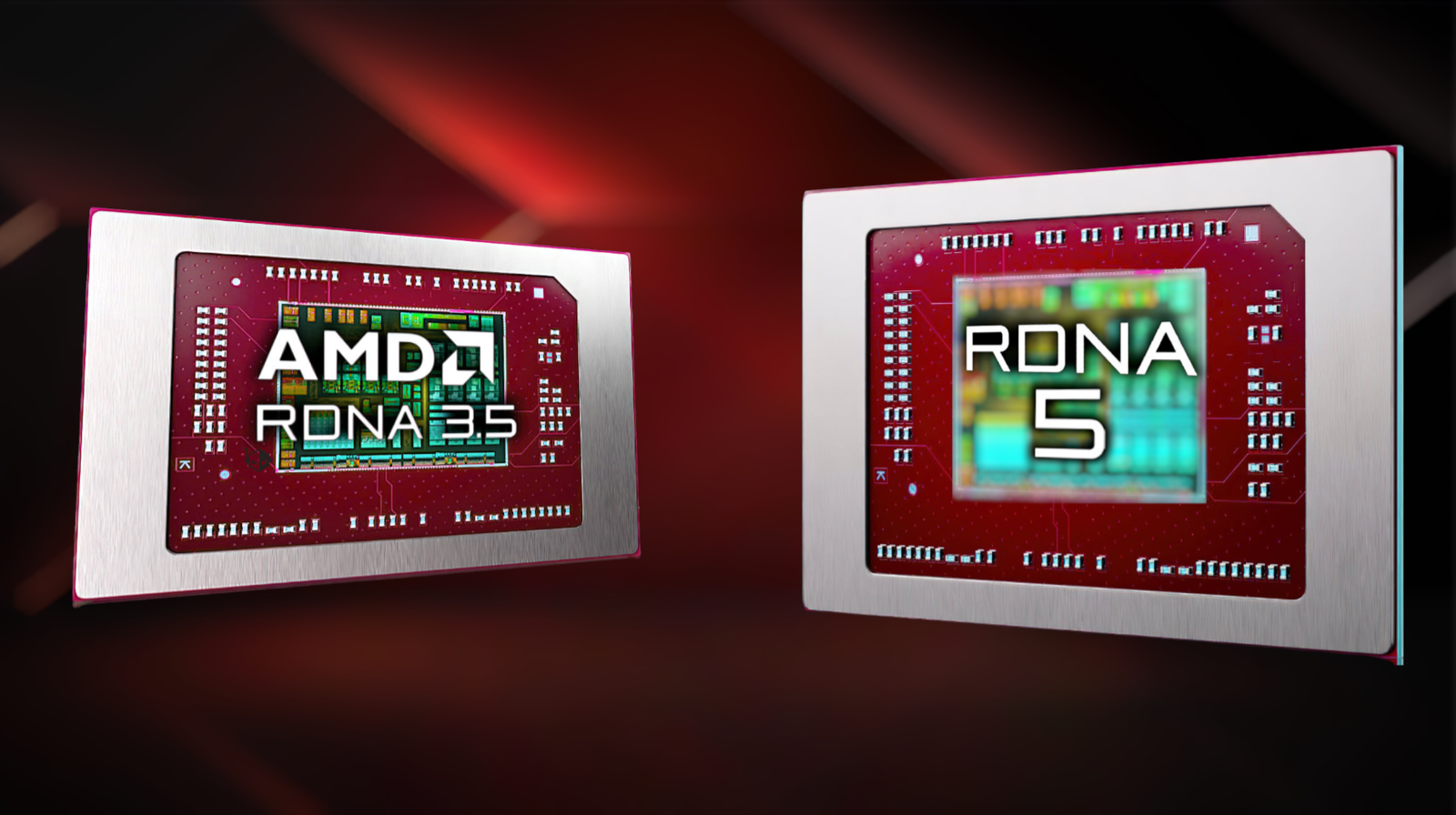
AMD’s RDNA 3.5 graphics architecture is set to remain a stalwart in the APU lineup until 2029, albeit with a notable exception. Premium SoCs will be treated to the newest RDNA 5 iGPUs, marking a significant departure from the existing mainstream offerings. This strategic move is expected to bolster the performance and efficiency of high-end APUs.
The RDNA 3.5 iGPUs have been a mainstay in AMD’s APU lineup, providing a reliable and efficient graphics solution. However, with the advent of RDNA 4 architecture for discrete GPUs, the stage is set for a more substantial upgrade. The RDNA 4 architecture boasts enhanced AI and RT cores, as well as support for FSR Redstone, making it an attractive proposition for gamers and content creators.
Despite the lack of a major architectural innovation in AMD’s APUs since the launch of RDNA 3, the RDNA 3.5 update did bring a decent upgrade. Nevertheless, it was largely an optimized version of RDNA 3, and the company has since shifted its focus to the newer RDNA 4 architecture. This has led to speculation about the future of RDNA 3.5 iGPUs in mainstream APUs.
According to insider claims, AMD will continue to utilize RDNA 3.5 iGPUs in mainstream APUs until 2029. This decision is likely driven by the need to maintain a balance between performance and power consumption. The RDNA 3.5 architecture has proven to be a reliable and efficient solution, making it an ideal choice for mainstream APUs.
In contrast, premium SoCs will feature the new RDNA 5 iGPUs, which promise to deliver significant performance and efficiency gains. The RDNA 5 architecture is expected to build upon the successes of RDNA 4, with further enhancements to AI and RT cores, as well as support for emerging technologies.
The decision to adopt RDNA 5 iGPUs in premium SoCs is a clear indication of AMD’s commitment to delivering high-performance solutions. As the demand for more powerful and efficient graphics solutions continues to grow, AMD is well-positioned to capitalize on this trend.
With the RDNA 3.5 iGPUs set to remain in mainstream APUs until 2029, AMD is ensuring a smooth transition to the newer RDNA 5 architecture. This strategic move will enable the company to maintain its competitive edge in the market, while also providing a clear upgrade path for customers.
In conclusion, AMD’s decision to persist with RDNA 3.5 iGPUs in mainstream APUs until 2029, while adopting RDNA 5 iGPUs in premium SoCs, is a prudent move. By balancing performance and power consumption, AMD is poised to deliver a range of solutions that cater to diverse market needs.
As the graphics landscape continues to evolve, it will be interesting to see how AMD’s RDNA 3.5 and RDNA 5 architectures fare in the market. One thing is certain, however – AMD is committed to delivering innovative and efficient graphics solutions that meet the needs of an ever-changing industry.
The future of graphics processing is looking bright, with AMD at the forefront of innovation. As we look to the future, it is clear that RDNA 3.5 and RDNA 5 will play a significant role in shaping the direction of the industry.
AMD’s APUs have long been a staple of the company’s product lineup, and the continued use of RDNA 3.5 iGPUs in mainstream APUs is a testament to their reliability and efficiency. As the company looks to the future, it is clear that RDNA 5 will be a key player in the premium SoC market.
In the world of graphics processing, innovation is key. AMD’s decision to adopt RDNA 5 iGPUs in premium SoCs is a clear indication of the company’s commitment to delivering cutting-edge solutions. As the industry continues to evolve, it will be exciting to see how AMD’s RDNA 5 architecture fares in the market.