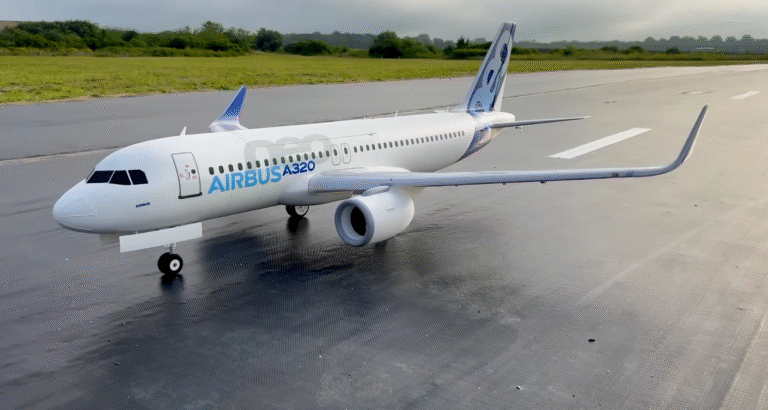
Airbus recall sparks concern over flight safety in UK skies

Airlines and Regulators Move Quickly as A320 Software Issue Prompts Urgent Action
Concerns over flight safety have grown across the UK after Airbus issued a major recall affecting thousands of A320-family aircraft worldwide. The move follows the discovery of a software vulnerability in a key flight-control system, prompting immediate action from regulators and airlines. With the A320 series forming a large share of UK and European short-haul fleets, the recall has raised questions about potential travel disruption and overall passenger confidence.
The issue emerged after a recent incident in which an A320 experienced unexpected control behaviour during a routine flight. Investigators later identified the problem within one of the aircraft’s essential computer systems, which manages stabilisation and flight-surface responses. Although the event did not lead to a crash, it prompted swift intervention from aviation authorities concerned about the potential for similar anomalies.
The UK Civil Aviation Authority has aligned itself with European regulators in mandating that all affected aircraft receive a software update before returning to service. The directive, issued under emergency procedures, requires airlines to complete the task as soon as possible. Officials have stressed that the move is precautionary but necessary to eliminate a known risk within the widely operated aircraft family.

Airlines operating in and out of the UK have already begun reorganising schedules to accommodate the required maintenance work. Some carriers have warned passengers of potential delays or short-notice cancellations as jets are rotated through engineering bays. Heathrow has reported limited impact so far, though Gatwick and Manchester are anticipating more noticeable timetable changes in the coming days.
The A320 family is one of the most common aircraft types across UK airports, used extensively for domestic, European and short-haul international routes. With hundreds of these jets passing through UK skies each day, even a brief grounding for updates can lead to significant operational challenges. Airlines are therefore prioritising busy business and leisure routes to reduce disruption for travellers.
Maintenance teams across the country have been placed on extended shifts to accelerate the rollout of the update. While the software fix is relatively quick to install, older aircraft may require additional checks, increasing the time needed to return each jet to operation. Engineers are working closely with Airbus to ensure consistent implementation across all affected fleets.
Passengers have been urged to monitor travel updates closely while the recall is underway. Many airlines are offering flexible booking options and enhanced customer-service support to help travellers navigate schedule changes. With demand for air travel still high, especially during peak periods, even minor delays can quickly compound across flight networks.
Despite the disruption, aviation authorities continue to emphasise that safety remains the overriding priority. They note that no fatalities have been linked to the software issue and that the mandatory update is a proactive measure. The recall is intended to prevent rare but potentially serious flight-control issues from developing during routine operations.
Industry experts say the situation highlights the increasing complexity of aircraft technology, particularly the dependence on advanced flight-control software. As modern jets become more digitally sophisticated, the aviation sector faces ongoing challenges in ensuring that systems remain resilient under all conditions. This recall serves as a reminder of the importance of quick regulatory action when emerging risks are identified.
Looking ahead, analysts expect airlines to complete the majority of updates within days, although some scheduling adjustments may continue as fleets return to normal rotation. The recall has sparked a wider discussion about the need for robust testing and monitoring as aircraft systems evolve. For now, the UK aviation industry remains focused on carrying out the required measures swiftly to maintain both safety and public confidence in the skies.