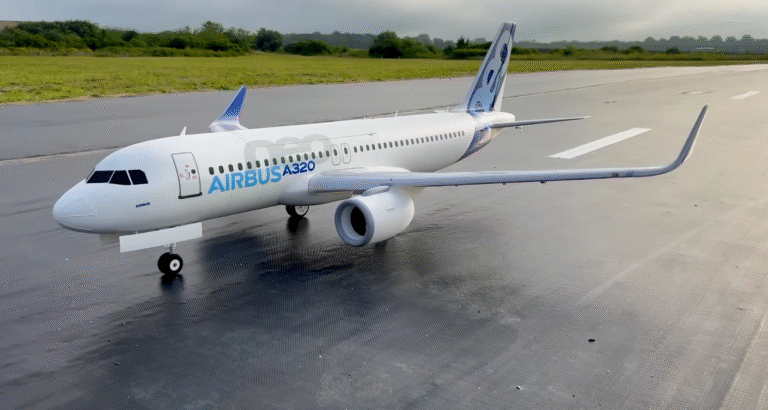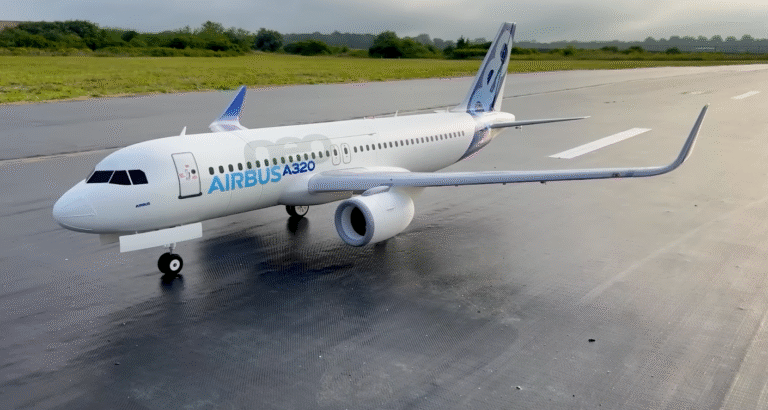
Airbus recall prompts major airport delays this week

Global flight schedules stretched as grounded A320 fleets disrupt operations
Major airports around the world are experiencing mounting delays this week as airlines continue to respond to the emergency recall of Airbus A320 family aircraft. The mandatory grounding for software and hardware fixes has coincided with one of the busiest travel periods of the year, forcing carriers to reshuffle routes and reduce frequencies. Airport authorities have warned that disruption may continue over the coming days while engineering teams work to return aircraft to service.
The recall follows the discovery of a critical vulnerability in the flight-control computer system used on A320 models, requiring immediate safety action from operators. Airlines must complete mandatory software rollbacks or upgrades before the aircraft can fly again, and a portion of older jets require additional hardware protection. While the majority of aircraft are expected to pass through the update process quickly, the backlog has already placed pressure on maintenance facilities.
Large European hubs have reported the heaviest disruption so far, with delays building as grounded aircraft remain parked for assessment and software clearance. Airlines have been forced to substitute aircraft types, consolidate services and, in some cases, cancel departures altogether. Airport planners have been working around the clock to manage gate changes and arriving crowds affected by altered connection schedules.
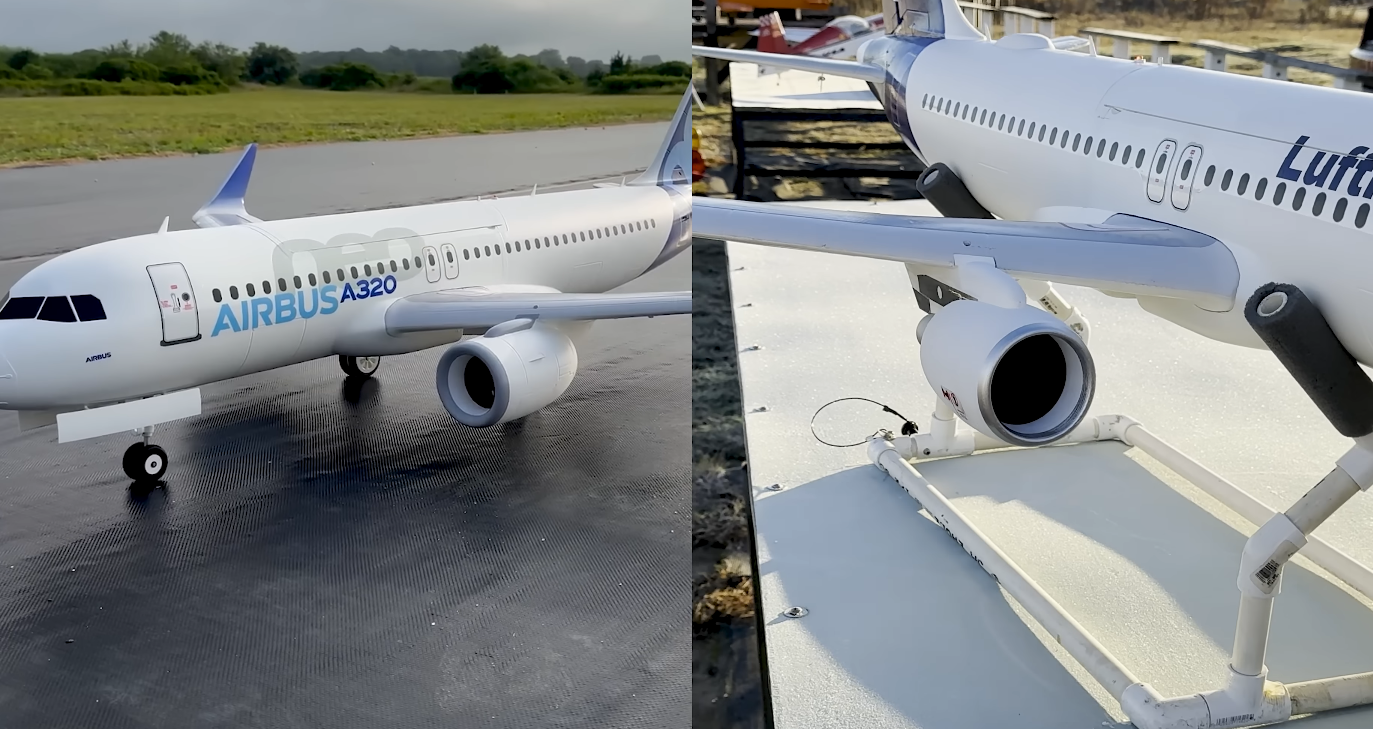
UK airports have issued advisories warning passengers to allow extra time for check-in and to closely monitor flight notifications throughout the day. Some carriers have kept aircraft overnight for accelerated maintenance checks, aiming to minimise the number of services affected. Despite these efforts, officials acknowledge that rolling delays and occasional cancellations are likely while the recall remains active.
The ripple effect of grounded jets is becoming increasingly evident across Asia and Australia, where operators heavily dependent on the A320 family are struggling to source replacement aircraft. Flight consolidations and last-minute timetable adjustments have resulted in longer queues at terminals and increased demand for customer support desks. The aviation sector expects airport congestion to fluctuate until the bulk of software work has been completed.
North American airlines are reporting a gradual increase in airport waiting times as affected jets are cycled through maintenance hangars. Some carriers have issued statements reassuring passengers that most A320s will be restored to service rapidly, but engineering teams are racing against packed travel schedules. Industry analysts say staffing constraints and the sheer scale of the recall are making fast recovery difficult to guarantee.
Airbus has moved additional technical support teams to major airports and maintenance hubs to speed up clearance checks and aircraft sign-off procedures. Mobile engineering units are also supporting airlines with remote diagnostics to reduce turnaround times. Even with these measures, operators admit that the next 72 hours will be critical for stabilising airport operations.
Passenger advocacy groups are urging travellers affected by delays to make use of flexible booking policies introduced by several major airlines during the recall period. Many carriers have opened free rebooking windows and are advising passengers to arrive early and maintain digital check-in updates. Airport retailers and lounge operators report increased footfall as passengers spend more time landside during disruption.
Although flight schedules are under strain, aviation regulators insist that the recall reflects a commitment to safety and that the temporary inconvenience is necessary to prevent future risk. Airlines emphasise that aircraft will only return to full service once they receive complete technical clearance. For now, passengers flying this week are being advised to prepare for possible changes as global airports continue to absorb recall-related disruption.