Airbus recall: budget airlines push for quick fix
Low-cost carriers urge rapid action as A320 software issue disrupts operations
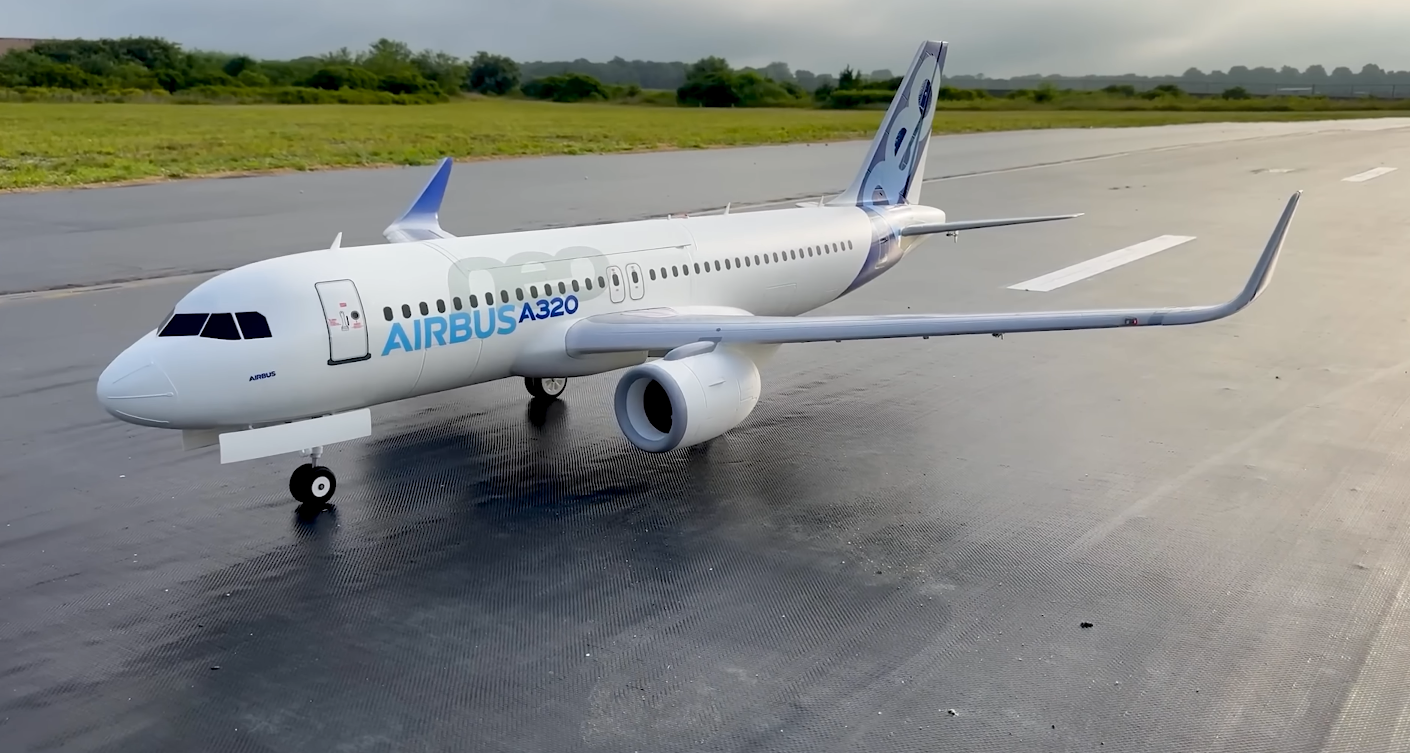
Budget airlines across Europe and Asia are pushing for a rapid resolution to the Airbus A320-family software recall, hoping to limit the operational disruption that has already forced schedule changes. The recall, triggered by a flight-control software fault linked to data corruption during a recent mid-air incident, has placed pressure on carriers that depend heavily on high-frequency, short-haul operations.
Airbus instructed airlines to roll back or update the affected software immediately, in coordination with aviation regulators who have issued urgent safety directives. The measure prevents aircraft from operating commercial flights until maintenance teams complete the required work. For low-cost carriers, which rely on tight turnaround times and near-continuous aircraft utilisation, every grounded jet carries financial and logistical consequences.
Most of the affected aircraft can be fixed within two hours, enabling airlines to return planes to service relatively quickly. This has offered some reassurance to budget carriers aiming to complete the process with minimal disruption. However, a smaller group of older jets will require additional hardware checks, a complication that could extend downtime for certain sections of the fleet.

The movement of aircraft into maintenance has already had knock-on effects. Jetstar in Australia confirmed a series of cancellations as it works to apply the update across its A320 fleet. Scoot reported that all 21 of its affected aircraft are undergoing updates, with the airline targeting completion as swiftly as possible. Across Europe, operators such as easyJet and Wizz Air have advised passengers to expect potential short-notice changes as the recall progresses.
Industry analysts say budget airlines face disproportionate strain due to their dense flight schedules. With lower spare capacity compared to full-service carriers, even minor groundings can quickly ripple through daily operations. Many low-cost airlines are now reorganising flight plans, reallocating aircraft and prioritising essential routes to maintain service reliability.
Passengers on short-haul routes, particularly those flying with budget carriers, have been encouraged to monitor flight alerts closely. Some airlines have issued advisories recommending that travellers allow extra time for connections and stay updated on schedule changes, especially during busy travel periods. The recall is wide-reaching, and its impact will vary depending on fleet composition and maintenance capacity.
Despite the urgency, Airbus and regulators maintain that safety remains the overriding consideration. The flawed software, linked to the aircraft’s ELAC flight-control computer, created conditions that could lead to unexpected pitch behaviour. Ensuring each aircraft is fully compliant before returning to service is central to the coordinated response between airlines and aviation authorities.
Even so, the commercial pressures on budget carriers are unmistakable. With high reliance on A320-family aircraft and limited backup capacity, they have a strong incentive to complete the fixes quickly. Several airlines have appealed for streamlined maintenance processes and increased support from Airbus to help accelerate the global update effort.
As repairs continue, operational turbulence is expected to persist for several days. Airlines hope that swift action will contain the worst of the disruption and avoid prolonged schedule instability. For now, the industry appears to be balancing safety requirements with the immediate need to keep flights running — but travellers may continue to feel the effects until the full recall has been completed.