AI Chatbots: Woven into the Fabric of UK Life, Microsoft Study Reveals
The Ubiquitous AI: Weaving Chatbots into the Fabric of Modern UK Life
A compelling Microsoft study reveals AI chatbots are deeply “integrated into the full texture of human life.” This finding highlights a profound shift in our relationship with technology. AI is an indispensable, unseen companion, woven into daily routines, from work to leisure.
This deep integration reflects a growing reliance on AI to navigate modern complexities. Insights from platforms like Microsoft Copilot reveal a burgeoning symbiotic relationship between individuals and their digital assistants. AI now shapes productivity and personal welfare across the UK.
During the demanding workday, AI chatbots increasingly tackle myriad professional queries. From drafting essential emails to summarising lengthy reports, these intelligent systems serve as vital co-pilots. They streamline workflows, enhance efficiency, and act as knowledge bases for professionals.
The desktop computer remains the primary interface for intensive, work-related AI interactions. Here, AI assists with complex data analysis, intricate coding, and comprehensive document generation. Its vast information processing capability makes it essential for focused professional endeavours.
As the workday concludes, AI usage patterns shift dramatically. Individuals transition into personal lives, and chatbots adapt to address different needs. “Personal questions at night” exemplifies this versatility, with AI helping plan holidays, suggest recipes, or facilitate language learning.
Mobile devices, ever-present, emerge as the preferred medium for these personal AI interactions. Whether checking the local forecast, finding nearby amenities, or managing smart home devices, mobile AI convenience is paramount. This accessibility ensures immediate information and task execution, making daily life smoother.
The study clearly delineates this dual usage: structured, analytical tasks primarily utilise the desktop’s power. This environment supports deep work, where AI acts as a powerful extension of human intellect. It augments capabilities demanding sustained focus and detailed output.
Conversely, the agility and portability of smartphones are ideal for spontaneous queries and personal leisure. Mobile AI facilitates quick searches, voice commands for daily errands, and personalised recommendations. This division of labour demonstrates sophisticated technological integration.
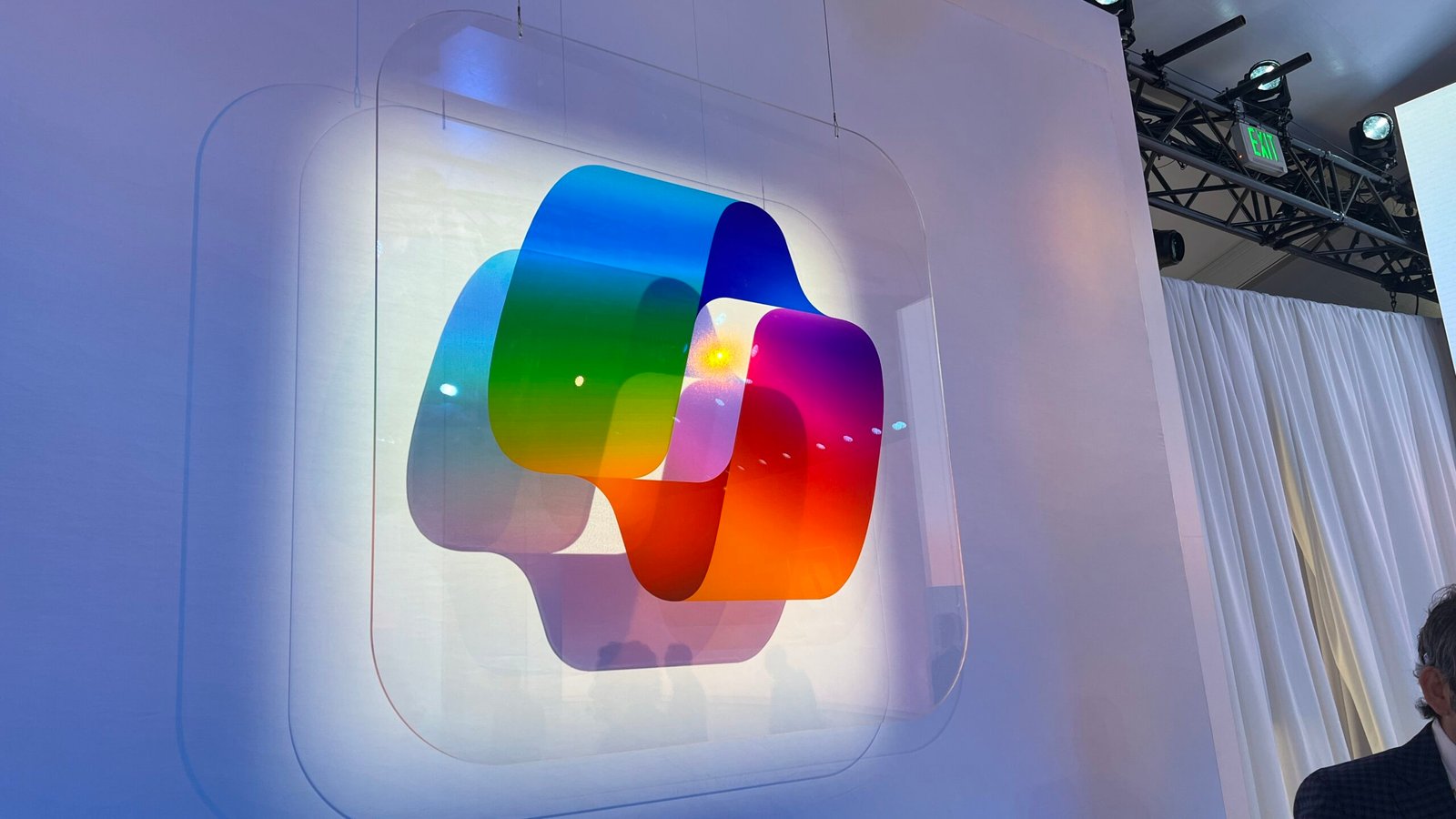
Microsoft’s Copilot serves as a prime example of an AI system engineered to bridge these disparate worlds. It demonstrates how a single AI framework can contextually adapt for both rigorous professional demands and casual personal inquiries. Copilot’s capabilities underpin the study’s findings.
This pervasive integration indicates a future where AI isn’t merely a tool we consciously activate, but an intelligent, constant layer within our digital environments. It evolves towards proactive assistance, anticipating needs and offering solutions. This profoundly redefines our relationship with information and technology.
The societal implications are extensive, reshaping everything from educational approaches to healthcare information access. As AI chatbots grow more sophisticated, their understanding of nuance will deepen their integration. This makes them increasingly indispensable across expanding applications.
Understanding these dynamic usage patterns is crucial for developers and policymakers. It ensures AI development aligns with human needs and ethical considerations. Insights from Microsoft’s study provide a clear roadmap for future innovations, fostering AI that enhances the human experience responsibly.
In summary, Microsoft’s assertion that AI chatbots are “integrated into the full texture of human life” precisely reflects our evolving digital landscape. From aiding complex workplace challenges on desktop to answering casual mobile queries, AI is reshaping how we live, work, and interact.
Also Read: Unprecedented 16TB Data Breach: Corporate Intelligence and Lead-Generation Exposed