A Glimpse into the Future? The Enigmatic 88-Core AMD CPU on eBay Sparks Industry Speculation
A Mysterious Chip: Unpacking the 88-Core AMD CPU Sighting
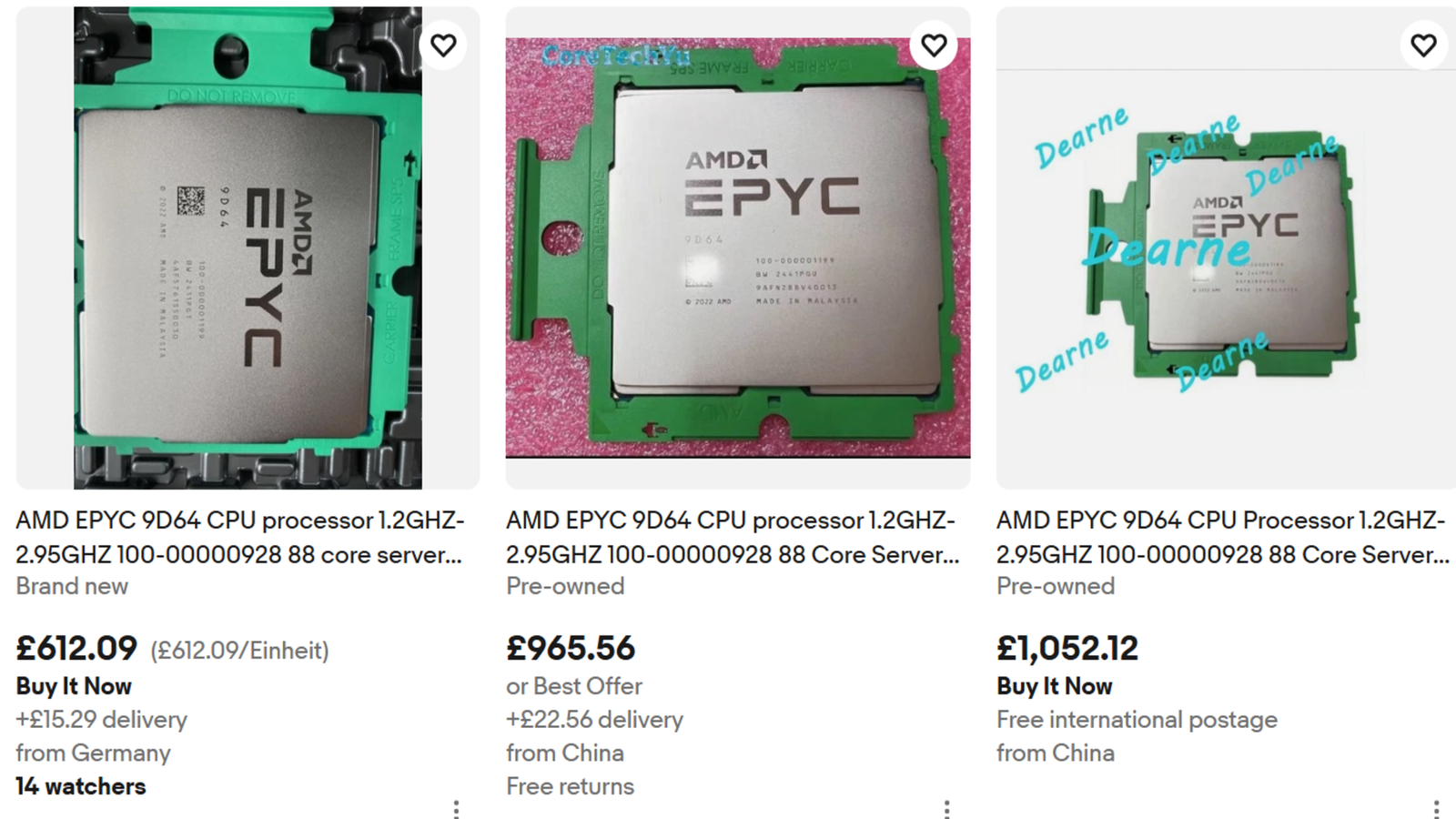
The technology world recently witnessed a rather intriguing anomaly: the unearthing of an 88-core AMD processor listed on the popular online marketplace, eBay. This particular CPU immediately piqued the interest of enthusiasts and industry observers alike, primarily because 88 cores do not conform to any of AMD’s officially released EPYC server processor configurations. Its very existence raises a multitude of questions and fuels considerable speculation regarding its origins and purpose.
Such an unusual core count strongly suggests that this is not a retail product but rather an engineering sample or perhaps even a custom-designed chip intended for a specific client. It’s not uncommon for silicon manufacturers like AMD to develop various prototypes and bespoke solutions, particularly for their largest clients in the hyperscale data centre domain, who often require highly tailored hardware to meet their unique operational demands. The appearance of such a rare item outside official channels is, therefore, quite remarkable.
This unexpected discovery hints at the incredibly rapid refresh cycles characterising modern hyperscale data centres. These colossal digital infrastructures, operated by tech giants, are constantly upgrading and optimising their hardware to maintain peak performance and efficiency. This relentless pursuit of the latest and greatest technology inevitably leads to the decommissioning of powerful, yet still highly capable, server components that are only a generation or two old.
Hyperscalers invest heavily in research and development, often working directly with chip manufacturers to push the boundaries of computing. The 88-core chip could well represent an experimental phase, a cancelled project, or a bespoke solution that was eventually superseded by another design. Their rapid upgrade cycles are driven by fierce competition, the need for energy efficiency, and the ever-growing demand for processing power and data storage.
Another significant implication stemming from this mysterious CPU, and indeed the broader trend of swift hardware refreshes, is the potential for large-scale recovery of usable DDR4 memory modules. As entire server racks are retired, they often contain vast quantities of perfectly functional RAM. This memory, while perhaps not cutting-edge, still offers substantial performance and reliability, making it highly valuable for various applications.
The recovery and repurposing of this DDR4 memory could have a considerable impact on the secondary hardware market and even promote more sustainable practices within the tech industry. Instead of contributing to electronic waste, these components can find a second life in other servers, workstations, or even in less demanding data centre environments. This not only reduces waste but also provides cost-effective solutions for businesses and individuals.
The economic benefits of recovering and reusing DDR4 are undeniable, offering a more affordable alternative to brand-new modules. Environmentally, it aligns with circular economy principles, extending the lifecycle of hardware and reducing the demand for new manufacturing. This shift towards greater resource efficiency is becoming increasingly important as the volume of electronic waste continues to grow globally.
For AMD, the surfacing of such a processor, even if unofficial, underscores their aggressive innovation and willingness to explore diverse core configurations to meet specific client needs. It showcases the depth of their engineering efforts beyond their publicly announced product roadmaps. This constant experimentation is vital for staying competitive in the fiercely contested server CPU market, where customisation is often a key differentiator.
The availability of such high-performance, albeit unusual, components on platforms like eBay also highlights the burgeoning secondary market for server hardware. This market is a treasure trove for smaller businesses, academic institutions, or enthusiasts who can acquire enterprise-grade equipment at a fraction of the original cost. It democratises access to powerful computing resources, fostering innovation outside the largest corporations.
Ultimately, the mysterious 88-core AMD CPU serves as a fascinating indicator of several significant trends shaping the future of computing. It points to the relentless pace of innovation, the enormous scale of hyperscale operations, and the increasing importance of sustainability within the technology sector. The lifespan of powerful hardware is constantly being re-evaluated, leading to new opportunities for recovery and reuse.
While this specific chip may remain an enigma, its appearance profoundly illustrates a pivotal moment where technological advancement intersects with environmental consciousness and economic practicality. The insights gained from such an unexpected discovery suggest a future where high-performance computing resources are more accessible and less wasteful, truly marking the start of something potentially very big indeed for the industry.
Also Read: Unprecedented 16TB Data Breach: Corporate Intelligence and Lead-Generation Exposed