Trump’s Stance on Birthright Citizenship: A Supreme Court Warning
Understanding Birthright Citizenship and Trump’s Concerns
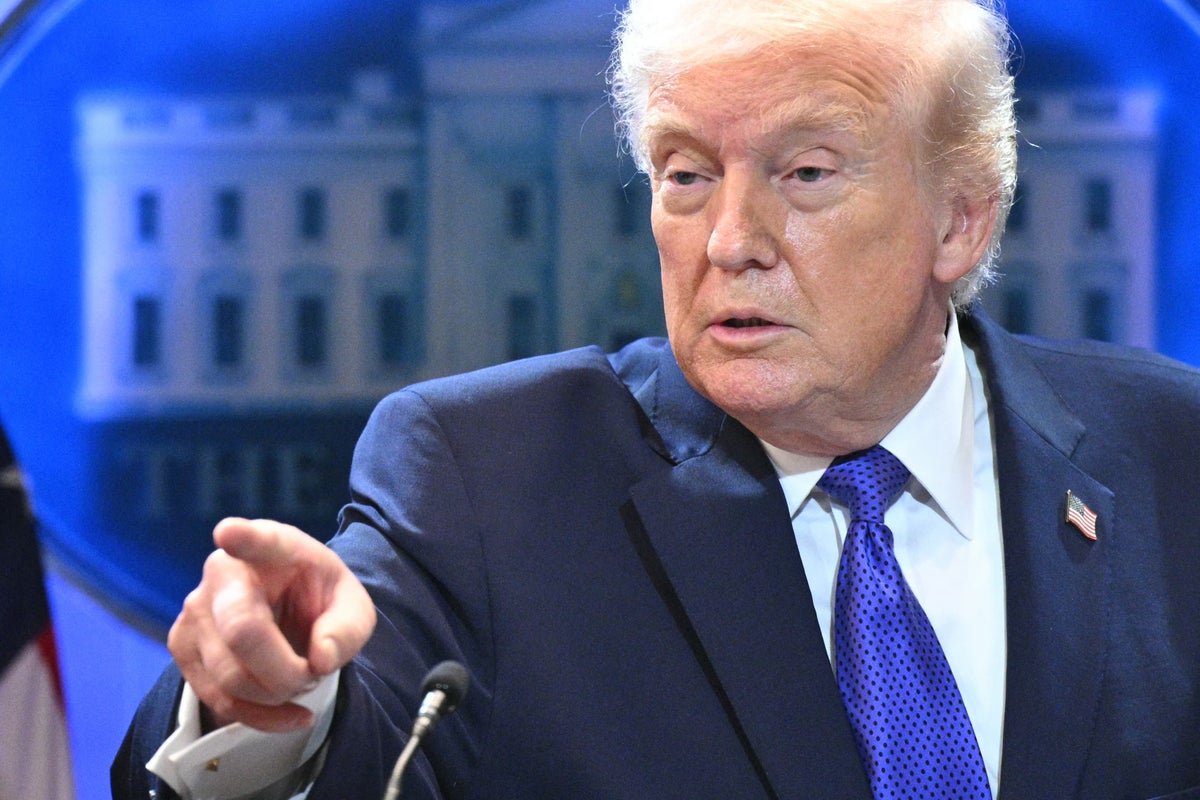
Birthright citizenship is a fundamental right in many countries, including the United States, granting automatic citizenship to individuals born within the nation’s borders. Recently, former President Donald Trump expressed his discontent with this concept in a rambling post on Truth Social. He warned the Supreme Court about the potential consequences of upholding birthright citizenship, citing concerns over national security and immigration. The issue has sparked intense debate, with many analysing the implications of such a policy change.
The concept of birthright citizenship is rooted in the 14th Amendment of the US Constitution, which states that all persons born or naturalised in the United States are citizens. However, Trump’s argument is that this provision is being exploited, particularly by undocumented immigrants who have children in the US, thereby securing citizenship for their offspring. This, according to Trump, poses significant challenges to the country’s immigration system and national identity.
Supporters of birthright citizenship argue that it is a cornerstone of American values, promoting inclusivity and diversity. They contend that any attempt to revoke or alter this right would be a drastic departure from the principles of equality and justice upon which the nation was founded. Moreover, they point out that the process of amending the Constitution is deliberately cumbersome, requiring a broad consensus that reflects the will of the American people.
Critics, on the other hand, share Trump’s concerns about the potential for abuse and the strain on public resources. They propose alternative solutions, such as requiring at least one parent to be a US citizen or legal permanent resident for the child to qualify for birthright citizenship. This approach, they argue, would better align the country’s immigration policies with its national interests and security needs.
The Supreme Court, as the highest judicial authority in the land, plays a pivotal role in shaping the legal landscape of birthright citizenship. Any decision it makes on this matter would have far-reaching implications, not only for the United States but also for other countries that are grappling with similar issues. The Court’s deliberations will undoubtedly be influenced by a complex array of legal, political, and social factors, underscoring the complexity and sensitivity of the topic.
As the debate over birthright citizenship continues to unfold, it is essential to consider the historical context and the evolving nature of citizenship. The concept has undergone significant changes over time, reflecting shifts in societal values, political ideologies, and economic conditions. Therefore, any discussion about its future must be grounded in a deep understanding of these dynamics and a commitment to upholding the principles of justice and equality.
In conclusion, Trump’s warning to the Supreme Court about birthright citizenship reflects a broader controversy that touches on the very fabric of American society. The issue at hand is not merely a legal or political question but a deeply human one, involving considerations of identity, community, and belonging. As such, it demands a thoughtful and nuanced approach, one that balances the competing interests and values at stake.